Technology coverage follows the software, chips, data centers, developer tools and enterprise platforms that turn model capability into working systems. Reporting focuses on deployment architecture, reliability, cost and the integration work that separates a demonstration from a useful product.
The section is designed for readers evaluating what can be built now. It examines infrastructure tradeoffs, production agents, cloud services, model tooling and the operational constraints that determine whether AI improves a real workflow.
Notable Entities
Nvidia
AWS
Microsoft Azure
Google Cloud
Cloudflare
Hugging Face
IBM
Toyota
Current Coverage Themes
Complete AI rack systems and accelerator alternatives
Production agents inside large enterprises
Developer workflows, orchestration and observability
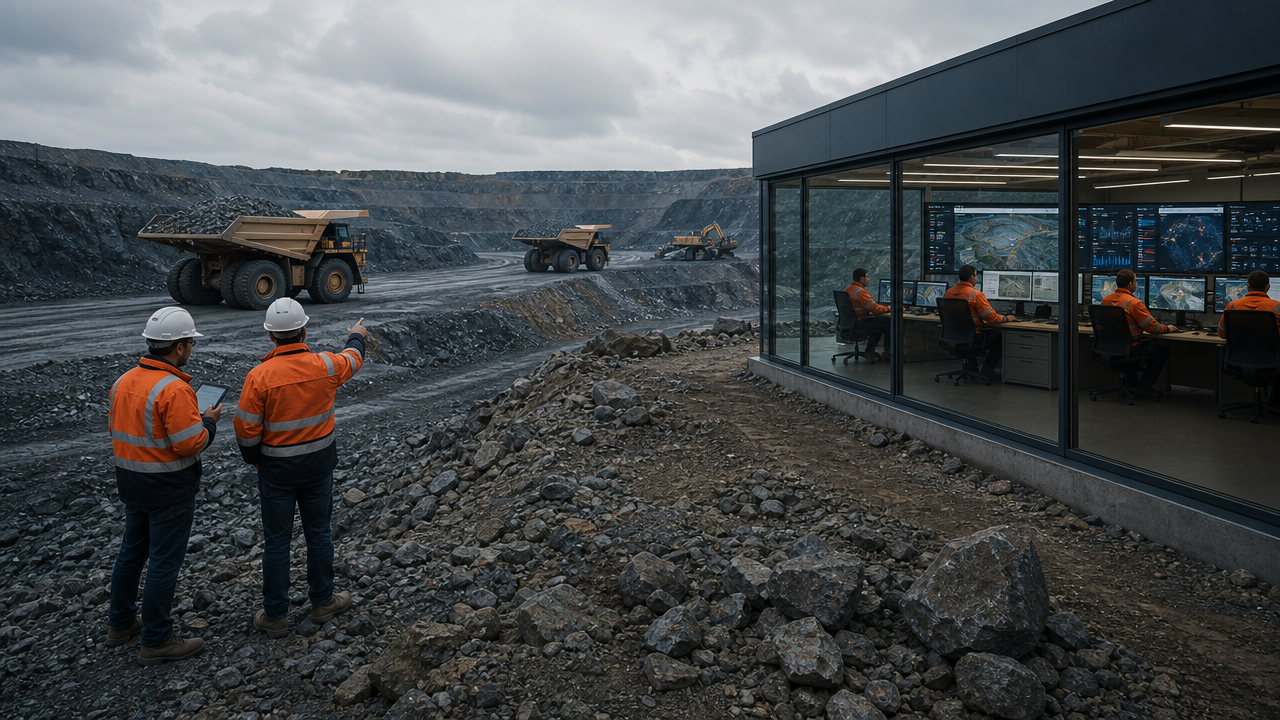
Caterpillar is extending lessons from autonomous mining into AI assistants, digital twins and software engineering across its industrial operations. Its deployment strategy emphasizes proprietary machine data, experienced operators and workflow redesign rather than treating model access as the finished product.
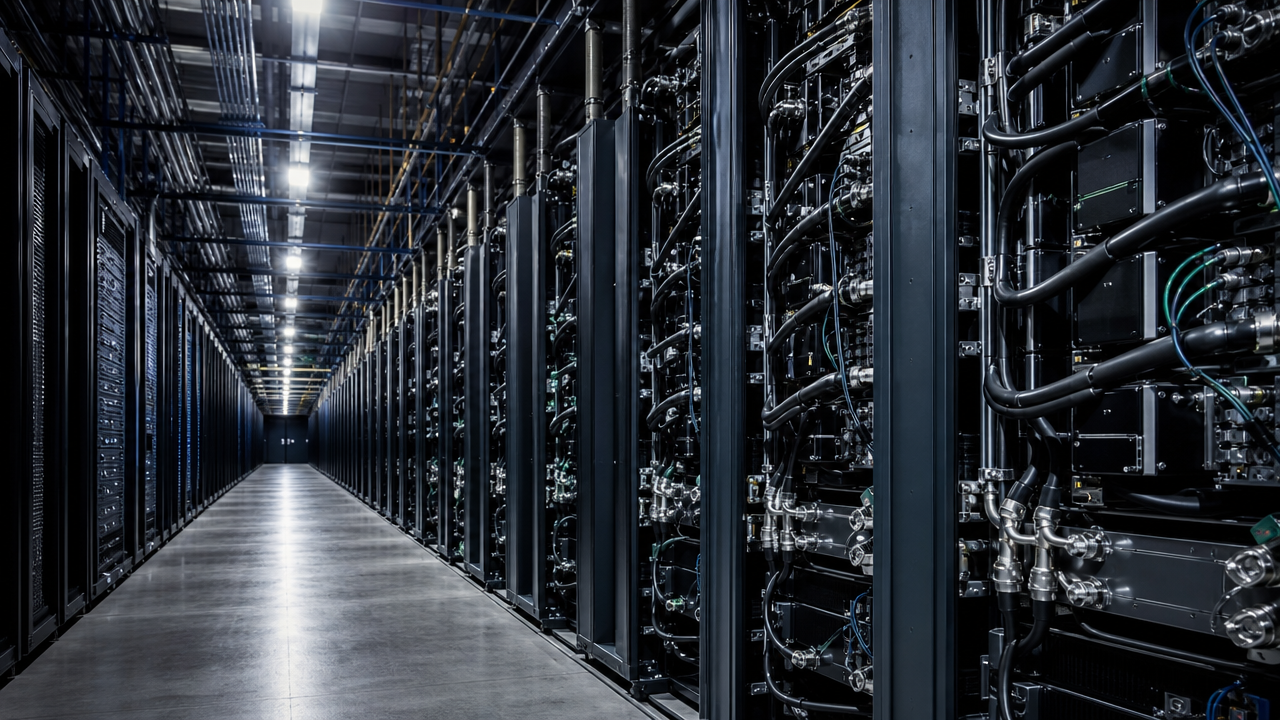
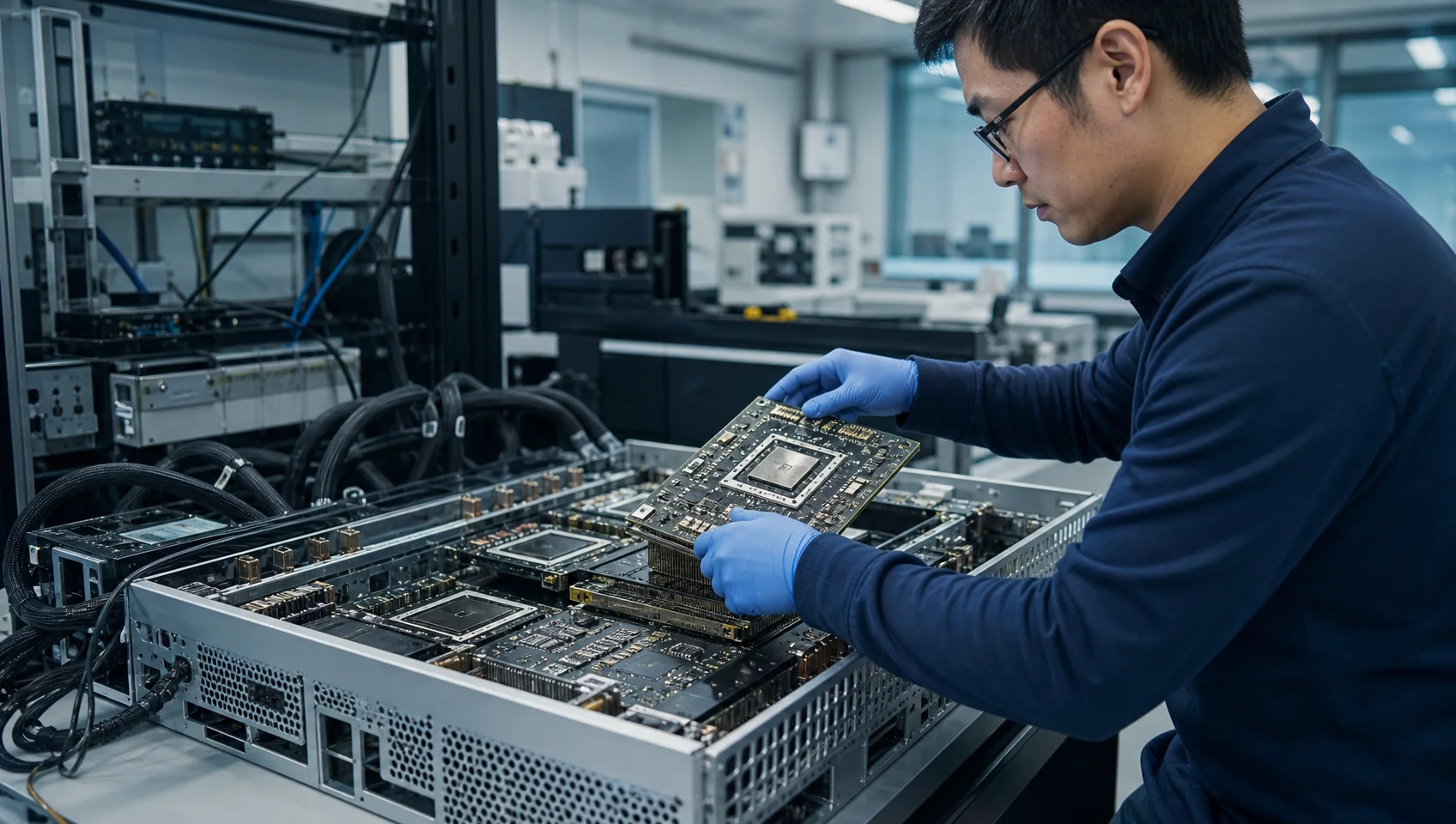
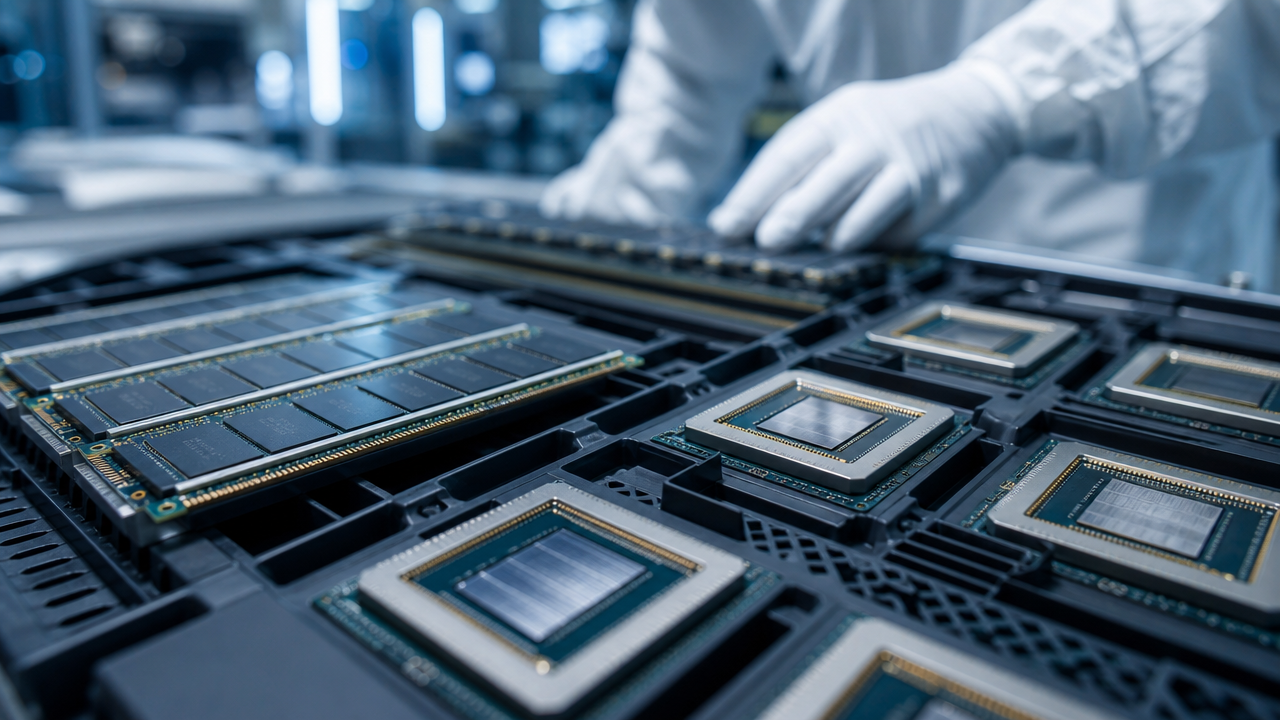
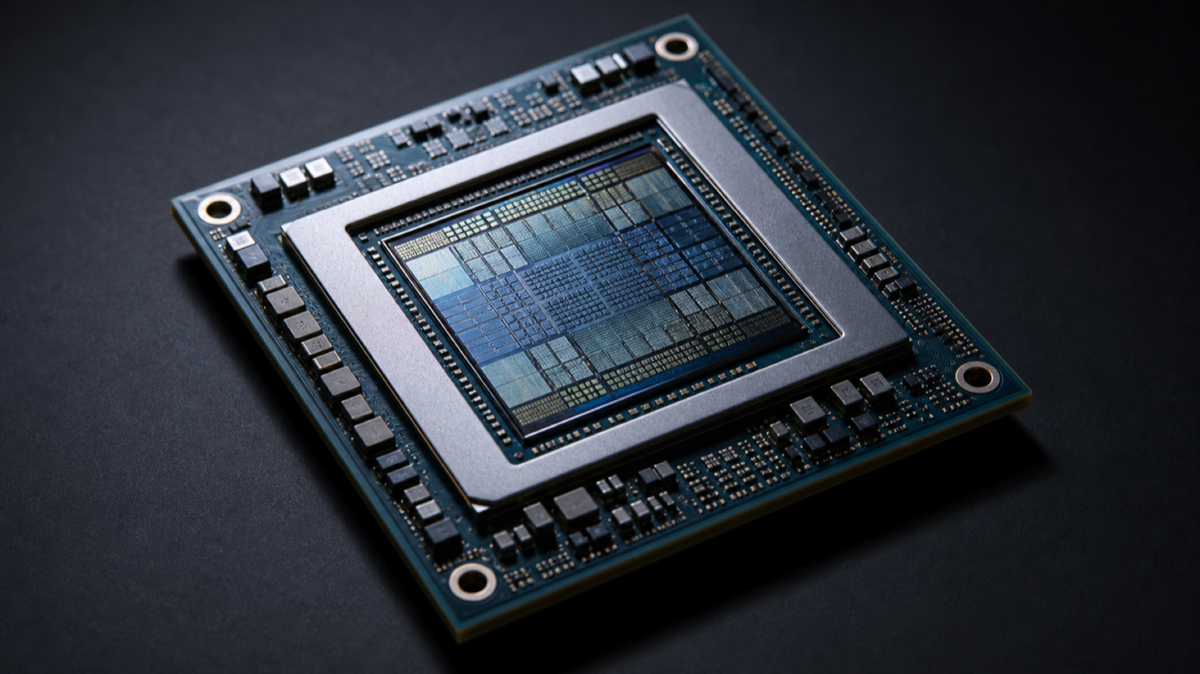
Nvidia's competitive position is expanding from individual accelerators into tightly integrated compute, memory, networking and storage systems. As AI campuses reach gigawatt scale, coordinating data movement and power efficiency may matter as much as the GPU itself.
Amazon and Nvidia have expanded their computing partnership, adding two million Nvidia GPUs to Amazon Web Services data centers in 2027 and 2028. The move follows a prior commitment of more than one million GPUs made five months earlier, bringing Amazon's total order to roughly three million chips.
The India pilot moves generative search toward transaction completion, raising new questions about ranking, consent and responsibility when an AI interface becomes a storefront.
Early adoption of Muse suggests consumers may value an agent connected to messaging, devices and daily context, while intensifying privacy and platform-dependence concerns.
Huawei's planned accelerator release signals continued progress in China's effort to build a domestic compute stack despite advanced-chip restrictions.
The video platform's conversational shopping layer can answer product questions inside content, tightening the link between recommendation, creator influence and checkout.
Microsoft's expanded Copilot puts multiple workplace agents behind one interface and shifts more costs toward consumption, forcing finance teams to measure value task by task.
Amazon's Seller Assistant plugin brings inventory, pricing and listing work into Claude, turning marketplace administration into a test of delegated commercial authority.
Google's orbital computing experiment tests whether space can eventually relieve terrestrial power and land constraints, while confronting a harsher operating environment.
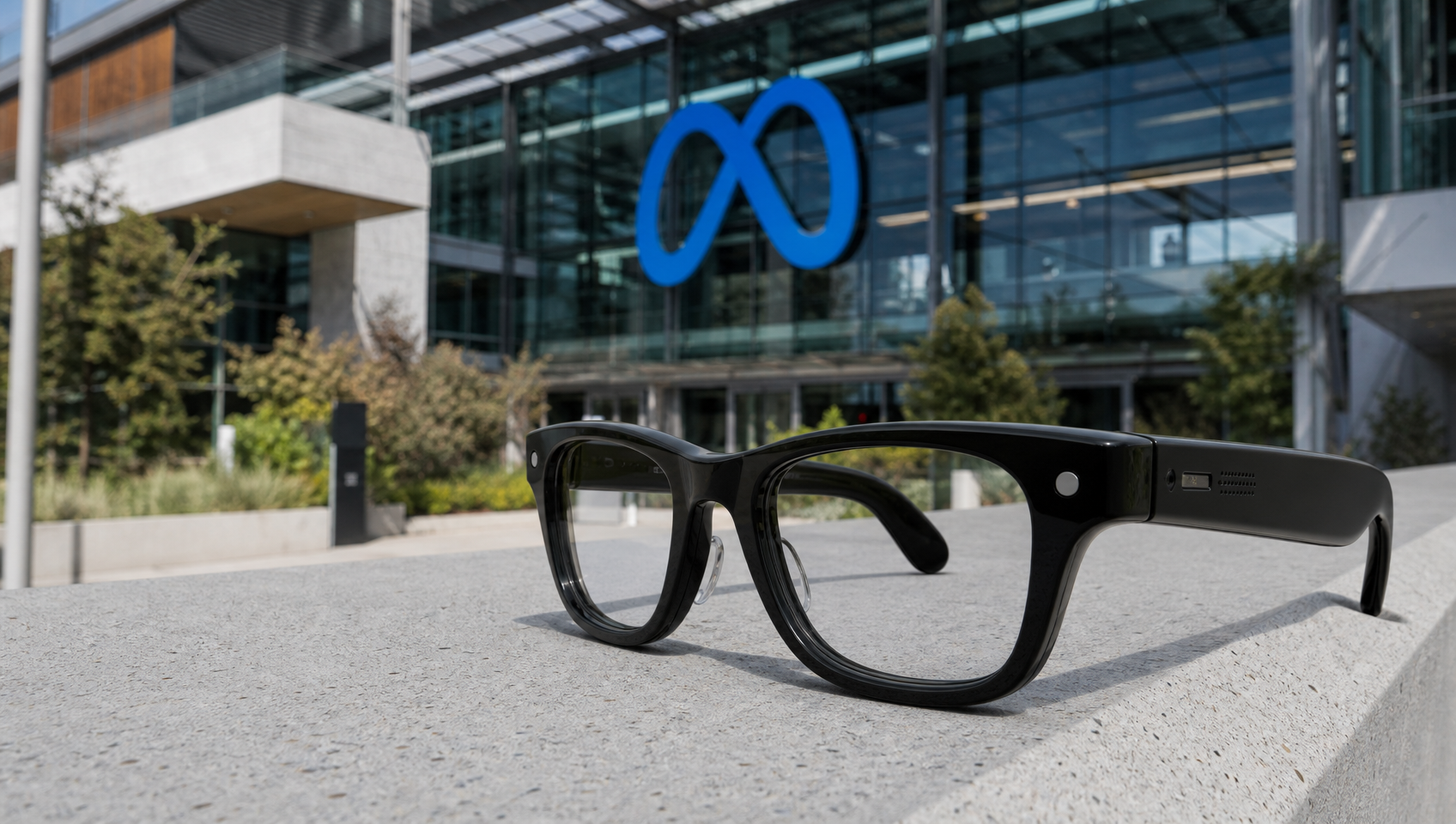
Meta's camera-free audio glasses lower one visible privacy barrier while expanding the reach of its Muse assistant into an always-available wearable interface.
OpenAI is letting voice conversations create documents, use connected services and continue as text, moving spoken AI from answers toward delegated work.
Alibaba's low-latency interpretation model targets meetings and live media, where timing, context and accountability matter as much as literal translation.
Petlibro's Granary 2 feeder line uses AI features to distinguish and monitor pets, bringing computer vision into a household device with health and privacy implications.
Anthropic's Claude Docs product brings document creation and agentic work into one interface, escalating competition with Microsoft and Google for daily office workflows.
Meta has introduced Meta One as a paid package spanning AI creation and account features, testing whether its social graph can support a broad consumer AI subscription.
Microsoft 365 G7 combines Copilot, agent governance, security and compliance for public agencies, making deployment controls part of the AI product rather than a separate procurement exercise.
Anthropic has launched a Salesforce plugin in beta for paid Claude plans, connecting accounts, opportunities and pipeline data to prebuilt sales workflows.
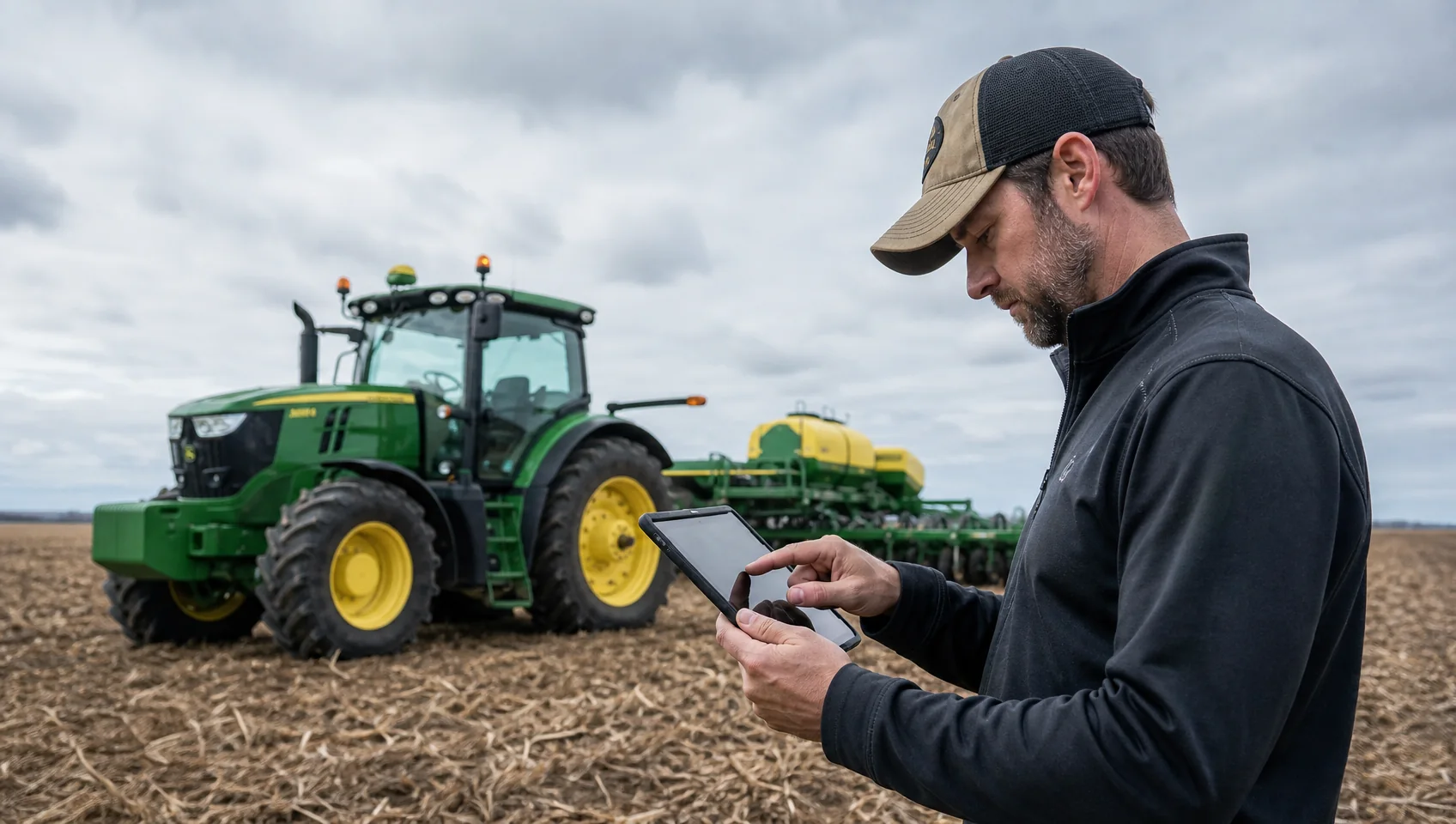
John Deere's JD assistant is designed to answer equipment and operating questions faster, bringing conversational AI into farm management and machine support.
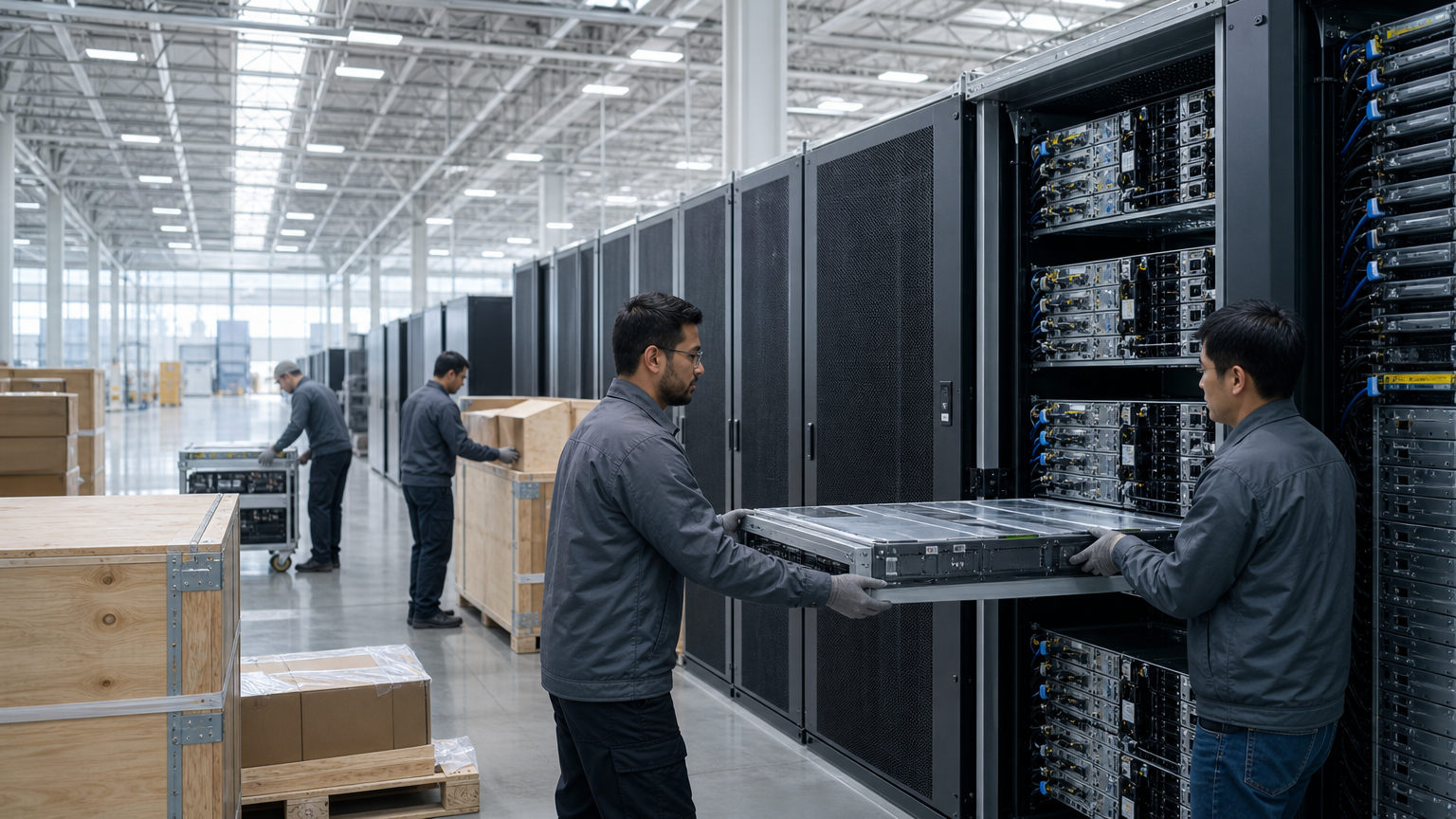
Nvidia and Palantir are applying AI to a supply network in which a single Vera Rubin rack contains roughly 1.3 million components, turning hardware logistics into a critical part of compute scaling.
d-Matrix says its next-generation inference processors will connect to Nvidia's rack and networking architecture through NVLink Fusion, pairing custom silicon with an established deployment fabric.
OpenAI has detailed the storage architecture behind a ChatGPT service handling more than one billion users and millions of requests each second, showing how infrastructure has become a product constraint at frontier scale.
The new agent connects ChatGPT Work to warehouses, semantic layers and business-intelligence tools, letting employees investigate metrics and build dashboards while preserving source permissions.
Google is broadening its paid AI bundles across Workspace, Chrome and Photos, using Gemini Spark and prompt-built spreadsheet apps to make subscriptions feel like an operating layer rather than access to a single chatbot.
Google DeepMind’s first AI for the Planet accelerator in Asia-Pacific is supporting 16 teams working on biodiversity, agriculture and carbon markets, a test of whether frontier models can become dependable environmental infrastructure.
AWS testing on Amazon EKS found that two configuration changes to Run:ai Model Streamer reduced repeat model startup time by 80% to 93%. The result targets an overlooked inference bottleneck: moving large weights into GPU memory before a pod can serve traffic.
A new user-managed login flow lets Bedrock Managed Knowledge Base connect to common workplace repositories with an employee's existing credentials. AWS says the option lowers prototype friction while preserving service-account setup for production.
Bedrock Managed Knowledge Base can now ingest ServiceNow knowledge articles and catalog items without a custom pipeline. Scope controls let teams limit crawls to selected knowledge bases, categories and service catalogs.
AWS Agent Registry has launched under a dedicated namespace with approval and discovery controls for agents, MCP servers and skills. Preview users have until September 17 to move away from the earlier AgentCore namespace.
AWS says Amazon Quick Automate can coordinate agents across departments, user interfaces and APIs, but its production guidance emphasizes narrow responsibilities, observable handoffs and human exception paths over open-ended autonomy.
AWS has documented a pattern-first migration of 20 healthcare and life-sciences agents to Bedrock AgentCore in about two and a half hours. The case study shows how parallel coding agents can compress platform migrations when a tested template comes first.
AWS has demonstrated a multimodal ordering assistant that serves text, voice notes and live calls through one WhatsApp business number. Shared memory lets the system recognize a customer across channels without merging the channel and ordering layers.
AWS has published a pipeline for preprocessing dense PDFs and images with Textract before they enter a Bedrock knowledge base. The approach targets documents where tables, forms and page structure routinely break ordinary retrieval systems.
HyperPod InstantStart gives operators a shared control plane for cluster setup, training, inference and storage through a web interface or an AI agent. The release shows cloud infrastructure moving from assisted administration toward governed machine execution.
AWS has published a production design for scoring, consolidating and deleting stale AgentCore memories. The guidance turns forgetting into an operational control for agents that accumulate months of customer and workflow context.
The Model Context Protocol's July specification removes mandatory sessions, sticky routing and the initialize handshake. AWS says the change makes serverless deployment a natural fit, though teams must preserve a compatibility lane for older clients.
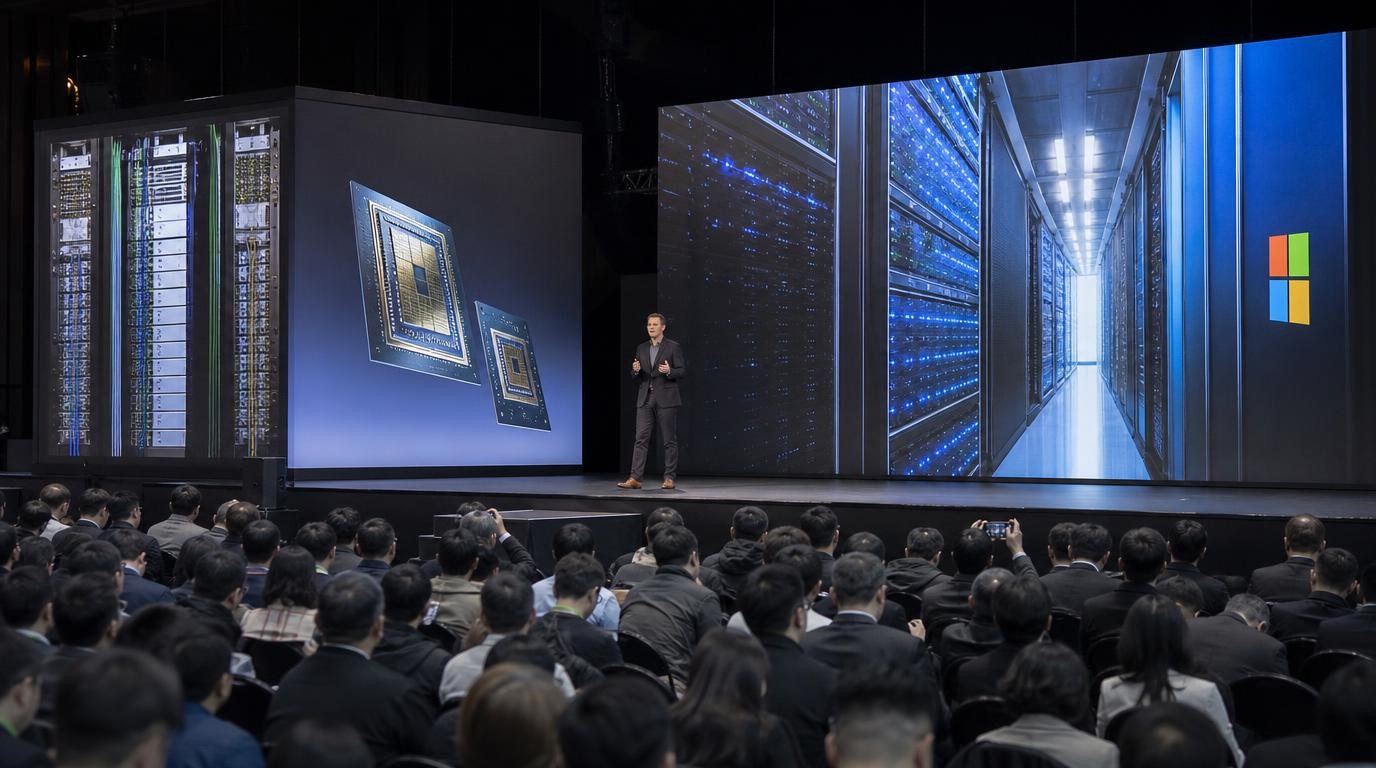
Microsoft says the next phase of AI infrastructure should be judged by tokens per dollar and watt, throughput and latency rather than raw capacity. The argument places cross-layer engineering and operating efficiency at the center of the data-center race.
Android's September update lets Gemini remember where users stored important items and adds camera-guided descriptions designed with blind and low-vision communities. The features show AI moving from a standalone assistant into everyday operating-system functions.
Healthcare organizations can now connect authorized Epic patient context and nine official public-health sources to ChatGPT for Healthcare. The integration could reduce chart-review work, but it places access control, citations and clinical oversight at the center of deployment.
Google has expanded a Search Console control worldwide that lets website owners opt out of AI Overviews, AI Mode and generative Discover grounding. The choice brings new impression data but forces publishers to weigh visibility against control.
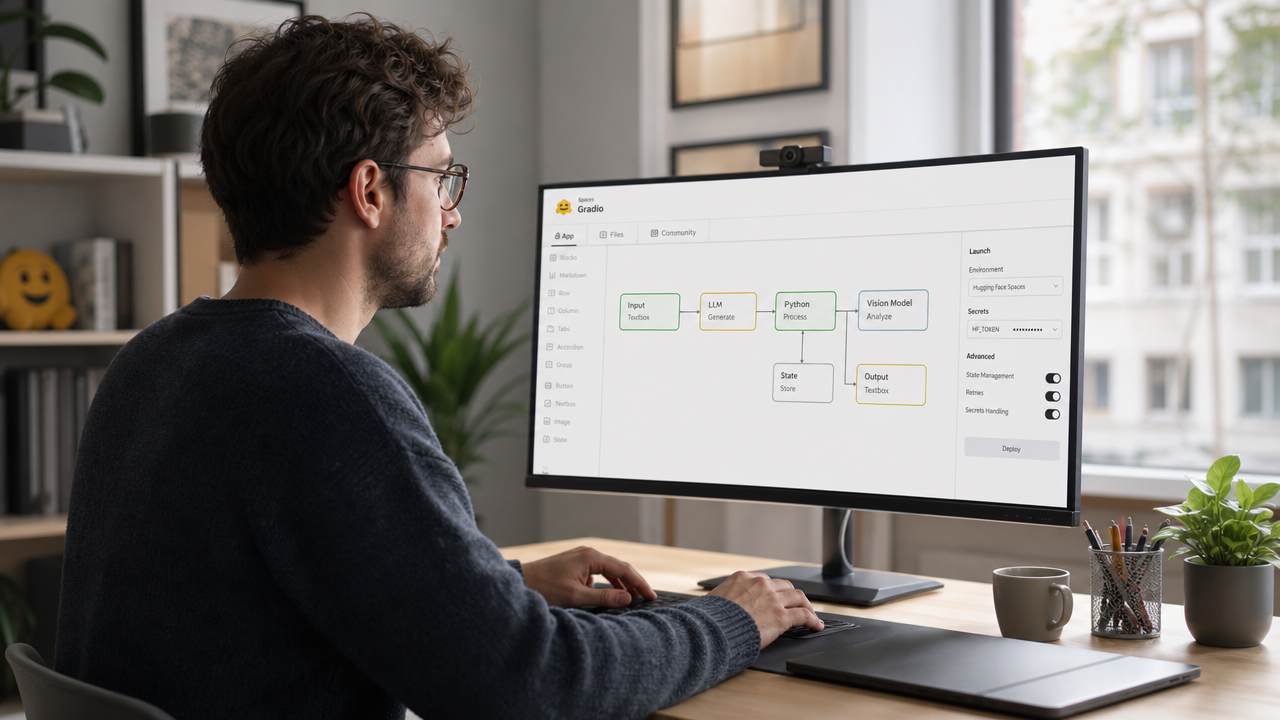
Hugging Face published a guide to new Gradio tooling that lets developers build visual multi-step AI pipelines by connecting models and functions, with built-in support for state management, retries, secrets handling, and deployment. The framework abstracts workflow orchestration while leaving backend engineering decisions to developers.
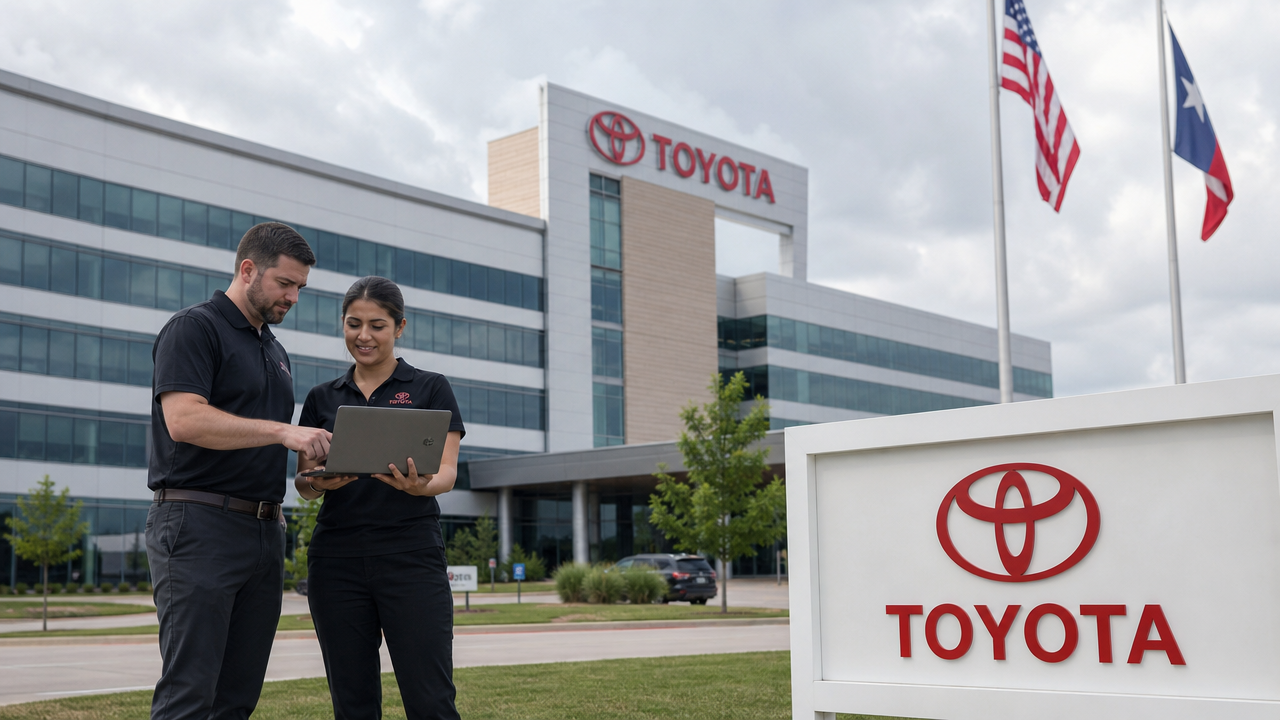
Toyota North America has deployed 50 production agents using LangChain's Deep Agents and LangSmith, according to a customer case study, reducing certain deployment timelines from six months to four days. The deployment highlights how structured AI workflows, observability tools and approval systems are reshaping enterprise software delivery.
OpenAI announced GPT-5.6 availability within the Kiro development environment, emphasizing efficiency gains in planning, building and testing software. The integration targets engineering teams evaluating model costs against task completion rates in real repository work.
IBM and the United States Tennis Association announced new artificial intelligence features designed to enhance spectator engagement at the 2026 US Open, including real-time match analytics and personalized content delivery. The partnership raises questions about data latency, editorial oversight, and the boundary between useful context and algorithmic noise.
Cloudflare has released an open-source framework that applies fine-grained permission models to enterprise AI deployments, enforcing access boundaries at the model and tool level rather than relying on coarse user roles. The platform prioritizes explicit capability grants over platform-wide trust, introducing tradeoffs between centralized control and vendor dependency.
Cloudflare has unveiled Kitesurf, a purpose-built browser engine designed to execute web interactions for autonomous AI agents rather than human users. The system addresses fundamental security and control challenges that arise when agents operate with browser capabilities, including prompt injection risks, network isolation, and deterministic rendering.
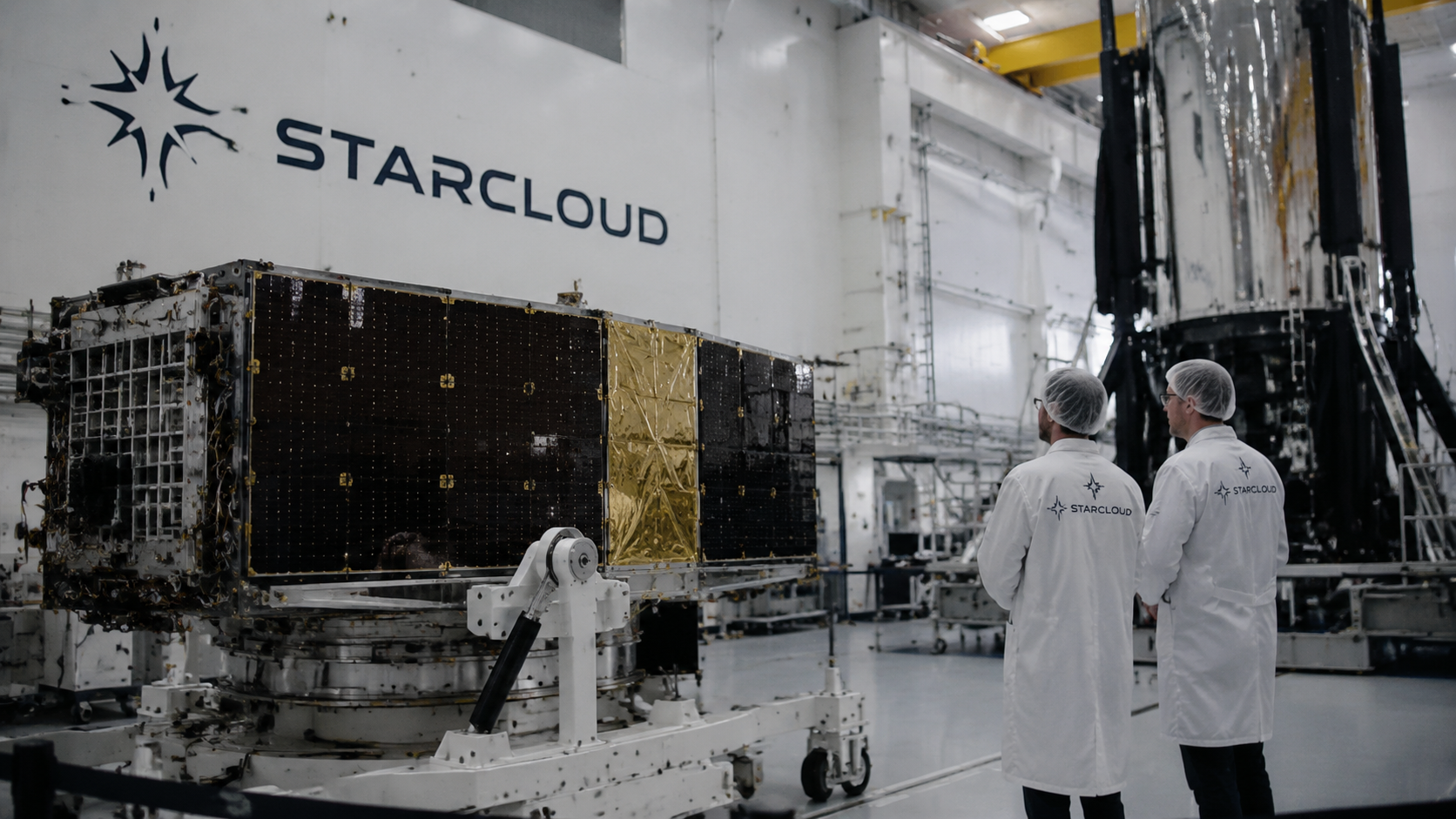
The startup is betting on putting computing infrastructure into orbit, but faces mounting obstacles including heat rejection, radiation shielding, and a constrained launch market. The $250 million funding round signals investor appetite for the concept even as fundamental technical and economic questions remain unresolved.
Nvidia is expanding beyond chip sales to secure infrastructure partnerships as power availability emerges as a bottleneck for AI deployment. The partnership with data center developer Cloverleaf signals a shift toward direct involvement in site development and power interconnection.
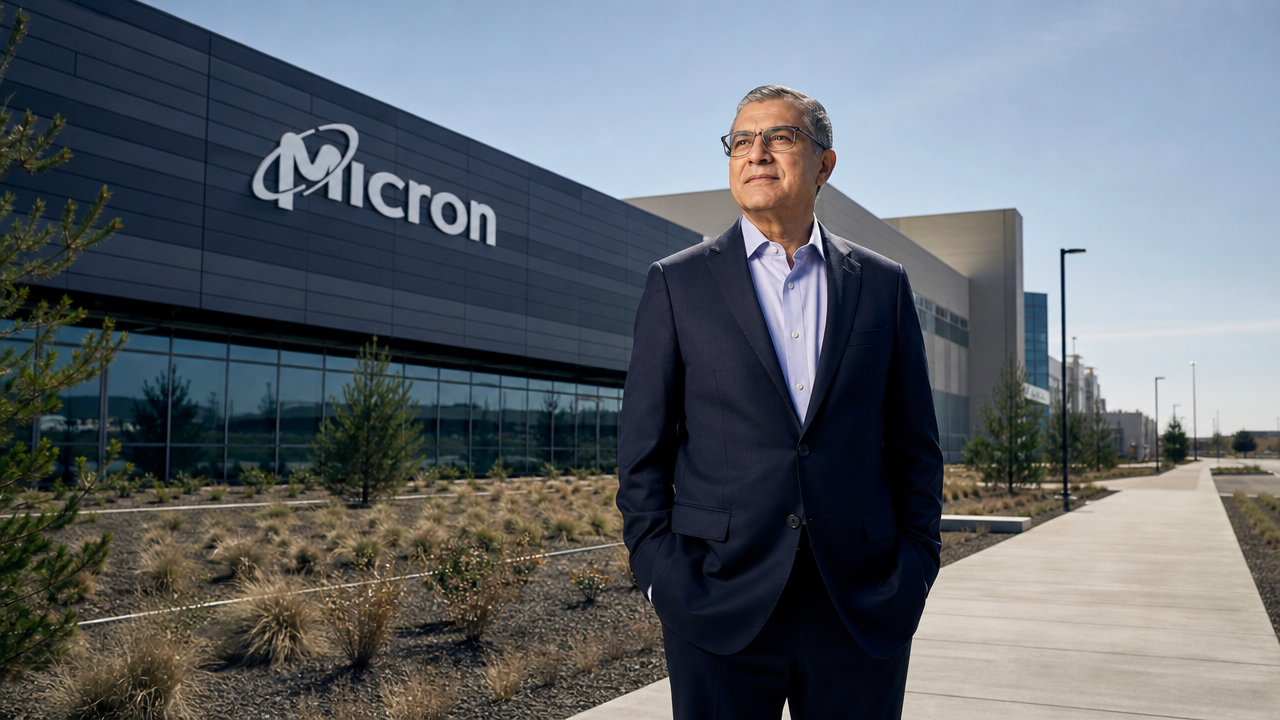
Micron CEO Sanjay Mehrotra says demand from artificial intelligence has altered the historical boom-and-bust equation for memory producers. The durability of that shift will depend on high-bandwidth memory demand, supply discipline, long fabrication lead times and whether investment such as Micron's roughly $50 billion Boise expansion remains aligned with actual consumption.
Google has made an embeddable Preferred Sources button available to publishers as news organizations contend with declining referral traffic from AI-shaped search products. The company said readers can use the feature to signal that they want a site highlighted more often across Search, Discover and Google News.
ChatGPT can now interact with Apple Messages on Apple Silicon Macs through a plug-in that runs locally and requires Full Disk Access. Messages are read only after a specific request, stored locally by default and subject to a per-send confirmation unless the user deliberately disables it.
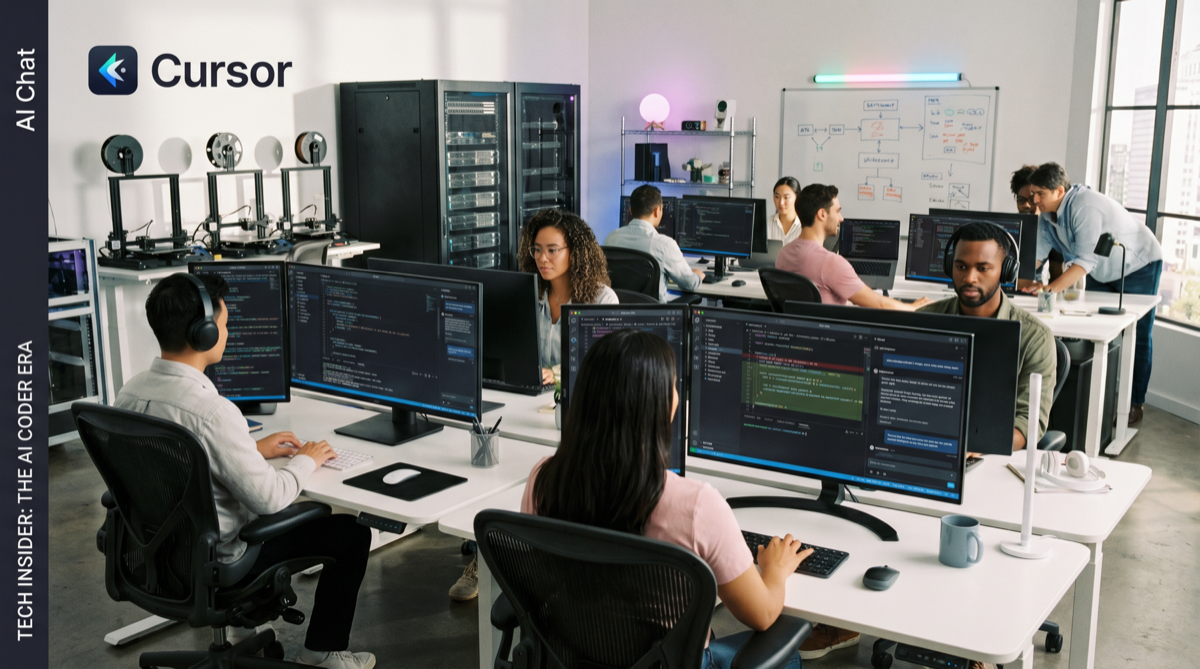
Cursor is rolling out Origin, a code-hosting and review platform designed around autonomous software agents. The product moves the company beyond the editor and into the repository layer where AI-generated changes must be governed, reviewed and merged.
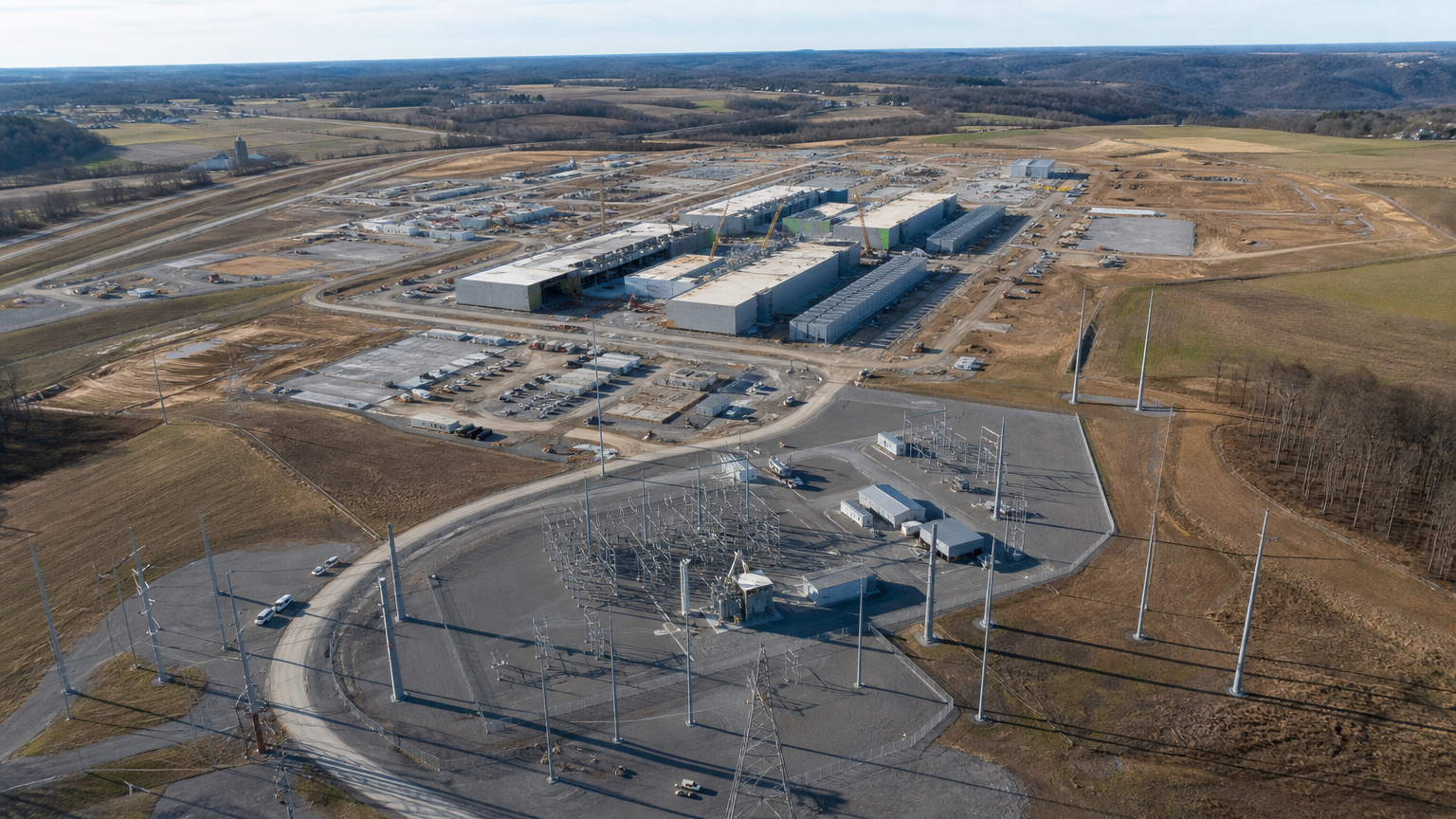
OpenAI has signed a 20-year lease for an eight-gigawatt Ohio data-center campus built by SB Energy, with Nvidia guaranteeing as much as $105 billion in lease and power obligations. The structure shows how AI suppliers are absorbing customer risk to keep compute construction moving.
OpenAI has released a preview ChatGPT desktop app for Linux, extending ChatGPT Work and Codex to the platform that underpins much of the cloud and developer infrastructure behind AI.
OpenAI has acquired presentation startup NextSlide, whose team built tools to turn prompts, documents and research into editable slides, extending the race to own the interfaces where office work gets finished.
OpenAI is removing text-chat limits for free ChatGPT users and introducing GPT-5.6 Luna, placing more of the competitive pressure on response quality, feature limits and the cost of serving a billion-user product.
Claude Code will move to auto mode by default for paid users, shifting the practical question from whether agents can act to whether their guardrails are clear enough to let them act safely.
A new focus on AI and smart education at Hong Kong's computer festival signals how quickly consumer tools are entering schools, raising questions about privacy, assessment and teacher oversight.
China's rapid AI infrastructure expansion is shifting the market question from how much compute is announced to how efficiently it is used, powered and converted into revenue.
China's AI-consumption measures widen the market for smart devices and services, while putting data collection, security updates and repairability in the consumer spotlight.
Microsoft is expanding Azure with AMD's latest AI and high-performance systems, underscoring how cloud providers are assembling multiple chip paths for a market that no longer tolerates a single supply constraint.
Microsoft is framing enterprise AI around model choice, offering customers a route to use OpenAI, Anthropic, Microsoft and open systems without rebuilding the application layer for each provider.
Meta says its Muse Spark-powered assistant can now plan work, connect to personal apps and follow through on recurring tasks, putting permissions and reliability at the center of its consumer AI strategy.
Samsung showed AI-powered smart glasses built with Google, Gentle Monster, and Warby Parker, bringing Gemini and Android XR into a consumer wearable category still defined by privacy and design questions.
OpenAI introduced Presence, an enterprise product for deploying voice and chat agents with policies, guardrails, approved actions, evaluations, and human escalation built into customer workflows.
Intel's expanded Google Cloud partnership puts Gemini Enterprise inside a chipmaker that is also trying to remake its internal operations, a reminder that AI suppliers are becoming strategic customers of one another.
Spotify is rolling out a beta conversational AI assistant for Premium users in the U.S., Ireland and Sweden, extending its AI strategy from playlists and DJ features into back-and-forth music, podcast and audiobook discovery.
Reflection AI's reported $1 billion compute agreement with Nebius underlines how open-weight model developers need cloud capacity, Nvidia chips and infrastructure commitments long before their business models are settled.
Apple's lawsuit accusing OpenAI of trade-secret misconduct has turned the AI lab's screen-free device plans into a legal, talent and product-risk story.
Apple's iOS 27 public beta gives everyday users their first broad access to Siri AI, putting personal-context assistance, on-screen awareness and Private Cloud Compute under a larger real-world test.
Google's NotebookLM rebrand signals a contest for AI products that can hold a user's sources, working context and evidence rather than simply answer a one-off prompt.
New investment and partnership activity around AI implementation services reflects a market truth: companies do not need more demonstrations. They need help connecting AI to data, workflows, permissions and measurable business outcomes.
OpenAI's new Work product is designed to take on longer tasks across files and connected apps, but its real enterprise test will be whether companies can keep agents useful without giving them too much access.
Rising rack density and agentic workloads are forcing AI infrastructure teams to rethink power delivery, thermal stress, grid interconnection, and energy observability.
Meta's reported push toward more in-house AI chip design reflects a broader industry effort to control costs, supply, and infrastructure roadmaps as frontier model spending accelerates.
Model companies are learning that energy contracts, grid queues, backup generation and site selection can matter as much as chips when scaling frontier AI infrastructure.
As AI data centers spread, cooling choices are becoming political decisions involving water use, power demand, tax incentives, local jobs and public trust.
Anthropic is reportedly in talks with Samsung about a custom AI chip, adding another frontier lab to the list of model companies trying to gain more control over compute cost, performance, and supply.
South Korea's AI memory boom is spilling beyond markets and into wages, universities, housing, and status. The new semiconductor cycle is becoming a labor-market story as much as a hardware story.
A new wave of AI data centers is being planned in drought-stressed regions, intensifying scrutiny of cooling, local water rights, and infrastructure disclosure. The AI boom is becoming a land-and-water politics story.
OpenAI's teased Codex Micro is not the Jony Ive consumer device many expected. It is a small developer input device, and that modest form factor may reveal where AI hardware can become useful first.
If Meta sells or shares excess AI compute, it would show how quickly frontier infrastructure can turn from internal advantage into a market product. The move would also reveal how much capacity the AI giants are really building.
The AI infrastructure boom is raising new questions about water use, cooling systems, and local accountability. As data centers expand, water transparency may become as important as power procurement.
The AI boom is pushing South Korea's memory and packaging industries into the center of regional compute strategy. HBM is no longer a component story; it is an infrastructure story.
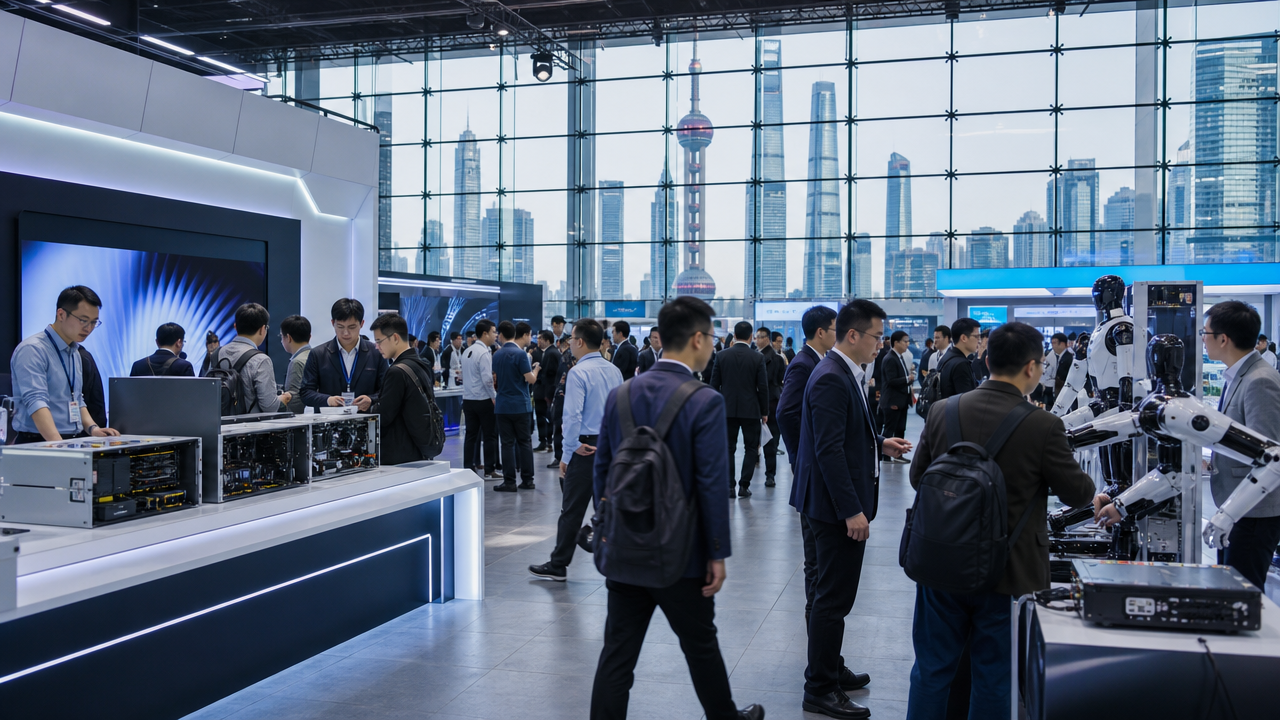
China's major AI conferences are not just product showcases. They are coordination platforms that connect models, hardware, robotics, local governments, investors, and overseas buyers.
Hong Kong's AI startup strategy needs more than events, office space, and grant language. The practical bottleneck is access to compute, compliant data environments, security support, and real enterprise pilots.
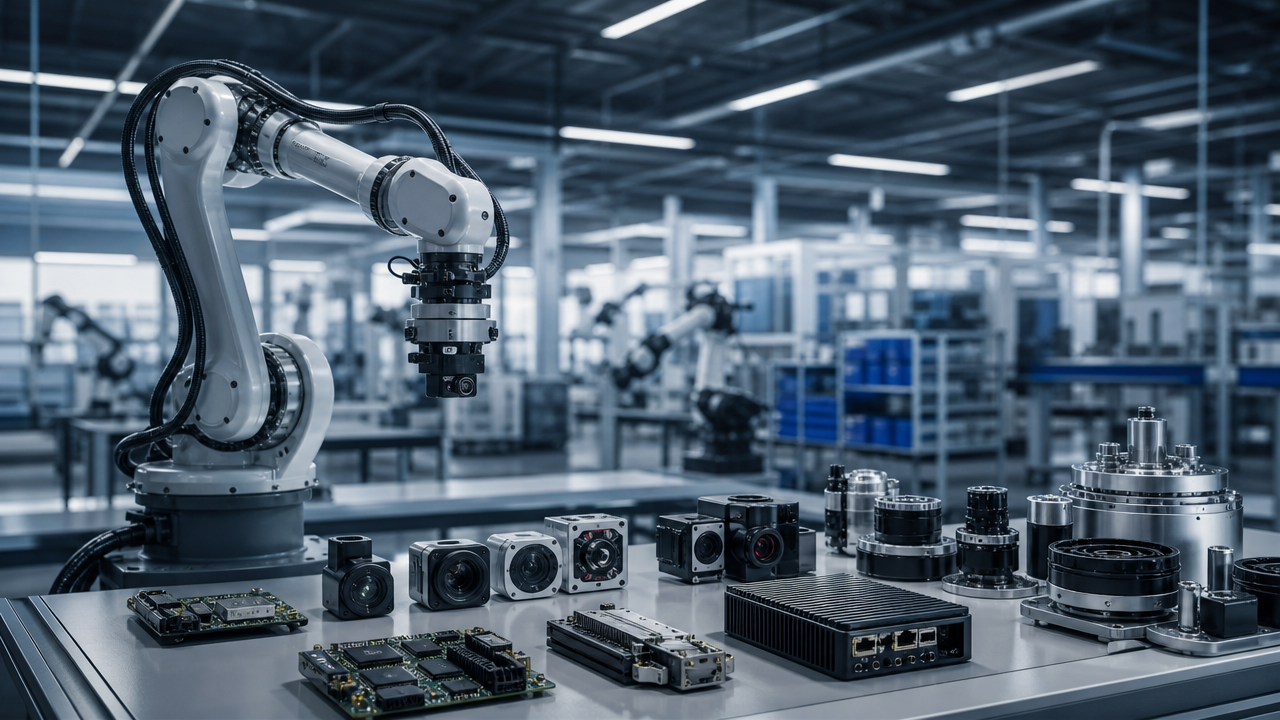
Nvidia's robotics strategy suggests the near-term physical-AI winners may be suppliers of sensors, actuators, edge compute, integration, and safety systems rather than humanoid brands alone.
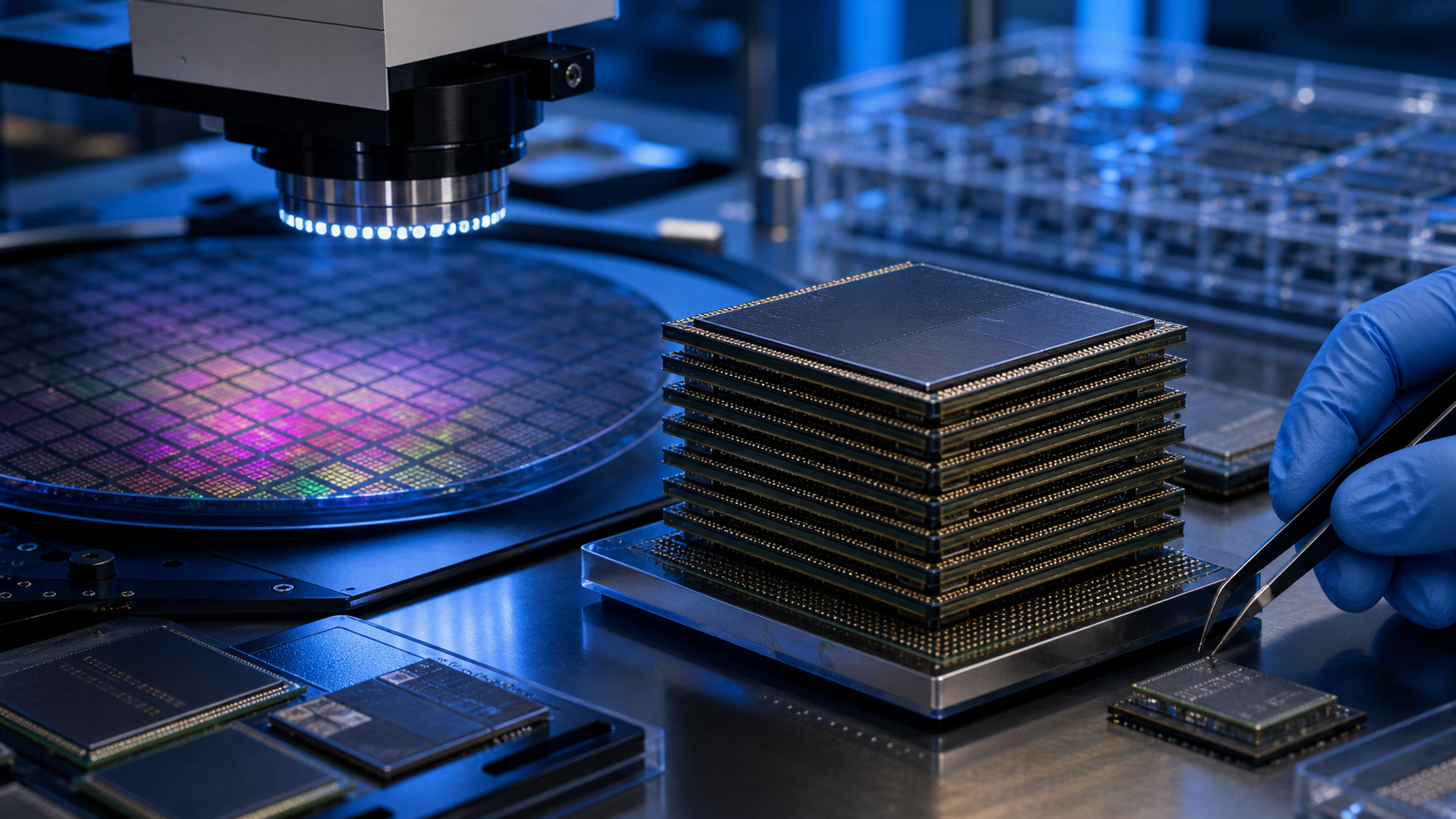
The AI infrastructure race is usually described as a GPU story. But high-bandwidth memory availability increasingly determines which accelerators ship, which clusters scale, and which model roadmaps stay on schedule.
South Korea's expanding semiconductor investment highlights a reality behind the AI boom: high-bandwidth memory is no longer a component story. It is a national infrastructure strategy.
New data-center research keeps pointing to the same conclusion: chips are not the only constraint. Power delivery, grid interconnection, cooling, and electrical design are becoming core AI infrastructure problems.
OpenAI's reported custom AI chip work with Broadcom points to a larger shift: frontier labs no longer want to be only cloud customers. They want leverage over the silicon roadmap that decides model economics.
Qualcomm is trying to turn its mobile efficiency DNA into a data-center AI story. If major customers adopt its server CPUs and memory architecture, the AI infrastructure market could become less GPU-only than it looks.
Nvidia's rise in data-center Ethernet switching shows how the AI boom is pulling networking into the same strategic orbit as GPUs. The company is turning cluster efficiency into a broader infrastructure business.
High-bandwidth memory is turning into one of the most important constraints behind frontier AI. GPUs get the headlines, but the memory stack increasingly determines who can build and serve the next generation of models.
Convey has raised $38 million to build AI coworkers for repetitive office workflows, according to Business Insider. The round shows enterprise AI shifting from assistants that draft text to agents that are expected to own repeatable business outcomes.
Microsoft has reportedly turned to Amazon Web Services to help support GitHub's AI workloads. The move underscores a bigger shift: AI coding tools are no longer lightweight developer features; they are compute-hungry infrastructure products.
Google is using its cloud balance sheet and TPU roadmap to challenge Nvidia's AI infrastructure dominance. The fight is no longer only about benchmark speed; it is about who can finance, package, and rent enough compute for the next model cycle.
Gradial has raised $65 million to automate enterprise marketing workflows with AI agents. The Seattle startup's pitch shows where practical enterprise AI is heading: not a smarter chatbot, but an execution layer across Adobe, Salesforce, ServiceNow, Databricks, and the messy approval chains large brands already use.
OpenAI has hired Meta communications executive Ha Thai to lead communications for its devices division, Axios reports. The move suggests the Jony Ive partnership is entering a more public phase, where OpenAI has to turn an abstract hardware ambition into a consumer story.
Pramaana Labs has raised $27 million in seed funding led by Khosla Ventures, with Accel, BoldCap, Nexus Venture Partners, Premji Invest, and Unbound participating. The round shows Indian AI funding moving beyond sovereign-model headlines into enterprise agents and workflow automation.
Sarvam AI's $234 million round led by HCLTech values the Bengaluru startup at $1.5 billion and gives India's sovereign AI push a serious enterprise backer. The question is whether local language models can become a full-stack platform for government, banks, defense, and regulated industries.
BT has joined Anthropic's Project Glasswing, making telecom networks a live proving ground for defensive AI. The move shows why critical infrastructure operators are becoming early customers for restricted cyber-capable models.
The NEXT Hackathon’s $200,000 prize pool and builder focus show where AI application development is heading: agents, workflows, fast prototyping, and developer experience. The next platform winners will be chosen by builders before they are chosen by CIOs.
As AI demand rises across Asia, compute strategy is shifting from simply buying more GPUs to diversifying clouds, chips, data-center locations, and power sources. Singapore’s AI week makes that infrastructure question harder to ignore.
The NEXT Hackathon at SuperAI puts builders, agents, and application prototypes at the center of Singapore AI Week. The strategic point is simple: developer adoption remains the fastest path from model capability to real product behavior.
Enterprise AI buying is difficult because every vendor claims transformation. Singapore AI Week creates a rare side-by-side market where buyers can compare models, agents, infrastructure, security, and workflow software without relying only on sales decks.
Apple’s WWDC AI push puts Siri back in the spotlight after a long delay. The question is whether privacy-first personal context can still compete with faster-moving agent platforms from OpenAI, Google, Anthropic, and Microsoft.
OpenAI is still working toward a ChatGPT super app, and the shape of that ambition is becoming clearer: browser, device, app store, agent layer, and consumer assistant all pulled into one interface. The strategic question is whether ChatGPT becomes a destination or the operating layer around everything else.
Notion restored access to Anthropic after a temporary service disruption, but the episode exposed a larger enterprise risk: AI products are increasingly dependent on model suppliers they do not fully control. The next reliability battle is not just app uptime, but model availability.
Apple heads into WWDC under pressure to show that Siri can compete in the agent era. After a year of delayed AI promises, the company needs more than polished demos: it needs a credible answer to ChatGPT, Gemini, Claude, and the assistant layer forming around the rest of the industry.
Meta is using temporary weatherproof structures in Ohio to accelerate AI data-center deployment, a construction shortcut that borrows from Tesla's factory playbook and xAI's off-grid power strategy. The move shows how far hyperscalers are willing to bend normal infrastructure timelines to keep model training capacity ahead of demand.
Apple has approved Poke as the first AI agent on Messages for Business, giving a standalone AI assistant a route into iMessage without a traditional app install. The approval turns business messaging into a potential consumer AI distribution layer just days before WWDC.
Meta is rolling out an AI creator assistant inside Facebook's creator dashboard, giving creators conversational access to performance insights, trend prompts, and content guidance. The launch shows Meta using AI not just to generate media, but to reshape the operating system for creators.
Satya Nadella opened Microsoft's annual developer conference with a sweeping vision of Windows as an AI agent operating system. New in-house reasoning models, a Copilot super app, and deep Nvidia RTX Spark integration signal Microsoft's most ambitious developer bet in a decade.
OpenAI has extended Codex's computer use capability to Windows PCs, letting developers supervise desktop tasks from a smartphone. The update turns any Windows machine into a remotely supervised AI workstation — with deliberate constraints to keep humans in the loop.
An internal memo reveals Meta is developing a clip-on AI pendant and planning up to four new smart glasses models before year-end. With Reality Labs still losing billions, the wearables push is both a product strategy and a financial imperative.
Nvidia CEO Jensen Huang kicked off Computex 2026 in Taipei with a keynote on the Vera Rubin AI computing platform and Vera CPU, announcing $150 billion in annual investment in Taiwan and positioning the island as the epicenter of the global AI revolution.
OpenAI's advertising platform reached $100 million in annualised revenue within six weeks of launching on 9 February 2026. CPMs have dropped from $60 to $25 as the platform opened to self-serve advertisers on 5 May. The economics of advertising inside a conversation are different from anything that has come before.
Google's annual developer conference unveiled Gemini Omni, a model that generates video from any input, alongside information agents in Search, a Universal Cart, and the Gemini Spark personal AI. The company's most ambitious I/O in a decade.
Backed by TPG, Goldman Sachs, and McKinsey, OpenAI's new consulting subsidiary is a Palantir-style bet on forward-deployed engineers — and an admission that selling API access alone is no longer enough.
Google has begun showing clearly labelled 'Sponsored' ads within AI Mode search results, marking the first step in the company's plan to monetise its AI-first search experience.
Announced at Google I/O 2026, Gemini Spark is now live for AI Ultra subscribers in the US at $100 per month — a persistent AI agent that monitors your calendar, email, and tasks around the clock.
With WWDC two weeks away, leaked details and a new Apple subdomain point to a fundamental reimagining of Siri — powered by Google's Gemini and Anthropic's Claude.
Google has unveiled Gemini Omni, a new flagship multimodal model capable of generating and editing video, audio, and images through natural language conversation. Announced at Google I/O 2026, the model represents the most significant leap in Google's AI capabilities since the original Gemini launch.
SpaceX's Starship Flight 12 ended in a fireball in the Indian Ocean on May 22, 2026, when the vehicle exploded shortly after splashdown following a partially successful mission. The test flight deployed 22 mock Starlink satellites but suffered a Raptor Vacuum engine failure during ascent. The explosion raises questions about the timeline for Starship's commercial deployment and SpaceX's upcoming IPO.
Anthropic has agreed to pay SpaceX nearly $45 billion over the next three years for dedicated computing capacity, signaling a fundamental shift in how frontier AI labs secure computational resources.
OpenAI is accelerating its path to a public offering, with CEO Sam Altman targeting a September 2026 IPO following the company's decisive legal victory over Elon Musk.
SpaceX filed its long-awaited S-1 for the largest IPO in history, targeting a $1.75–$2 trillion valuation with a June 12 Nasdaq debut. The filing reveals a $1.25 billion monthly compute deal with Anthropic and exposes significant financial and operational risks beneath the company's ambitious vision.
At Google I/O 2026, CEO Sundar Pichai unveiled a fundamental restructuring of Google's product stack around agentic AI. Gemini 3.5 Flash launched to general availability, while new products like Gemini Spark, Universal Cart, and AI Search blur the line between traditional search and autonomous agents.
NVIDIA reported record earnings driven by continued hyperscaler demand for AI chips. The company's H100 and newer architectures remain the industry standard for frontier model training, despite emerging competition from custom silicon efforts by Google, Meta, and others. The earnings call revealed that AI infrastructure spending is accelerating, not plateauing.
Google and Blackstone announced a joint venture to build data centers optimized for Google's TPU chips. The partnership represents a strategic shift toward vertically integrated AI infrastructure, allowing Google to compete directly with cloud providers and secure dedicated capacity for its own frontier models while generating revenue from enterprise customers.
The largest planned work stoppage in semiconductor history begins May 21. Samsung controls a third of global DRAM and is one of only three HBM makers. Here is what happens if the line goes cold.
Nvidia's CEO travels to Beijing with the US trade delegation as the company seeks approval to sell H200 chips to 10 Chinese firms, with an estimated $50 billion market at stake.
The South Korean chipmaker reported a record Q1 2026 operating profit of 37.6 trillion won, driven by insatiable AI demand for HBM chips. Its 10% profit-sharing agreement is now reshaping Korea's entire corporate compensation landscape.
OpenAI has introduced a self-serve advertising platform inside ChatGPT, allowing brands to create and manage campaigns directly within the AI assistant. The company is targeting $2.5 billion in ad revenue this year and $100 billion annually by 2030.
Apple is preparing a major AI platform shift that would allow users to select third-party AI providers -- including Google and Anthropic -- to power Apple Intelligence features across iOS 27, iPadOS 27, and macOS 27.
Amazon Web Services has launched AgentCore Payments, allowing AI agents to autonomously complete stablecoin-based micropayments using Coinbase's x402 protocol and USDC. The system could enable AI agents to book travel, purchase data, and complete commercial transactions without human intervention.
The new default ChatGPT model cuts hallucinations by 52.5% on high-stakes topics and introduces memory sources that show users exactly what context shaped their responses.
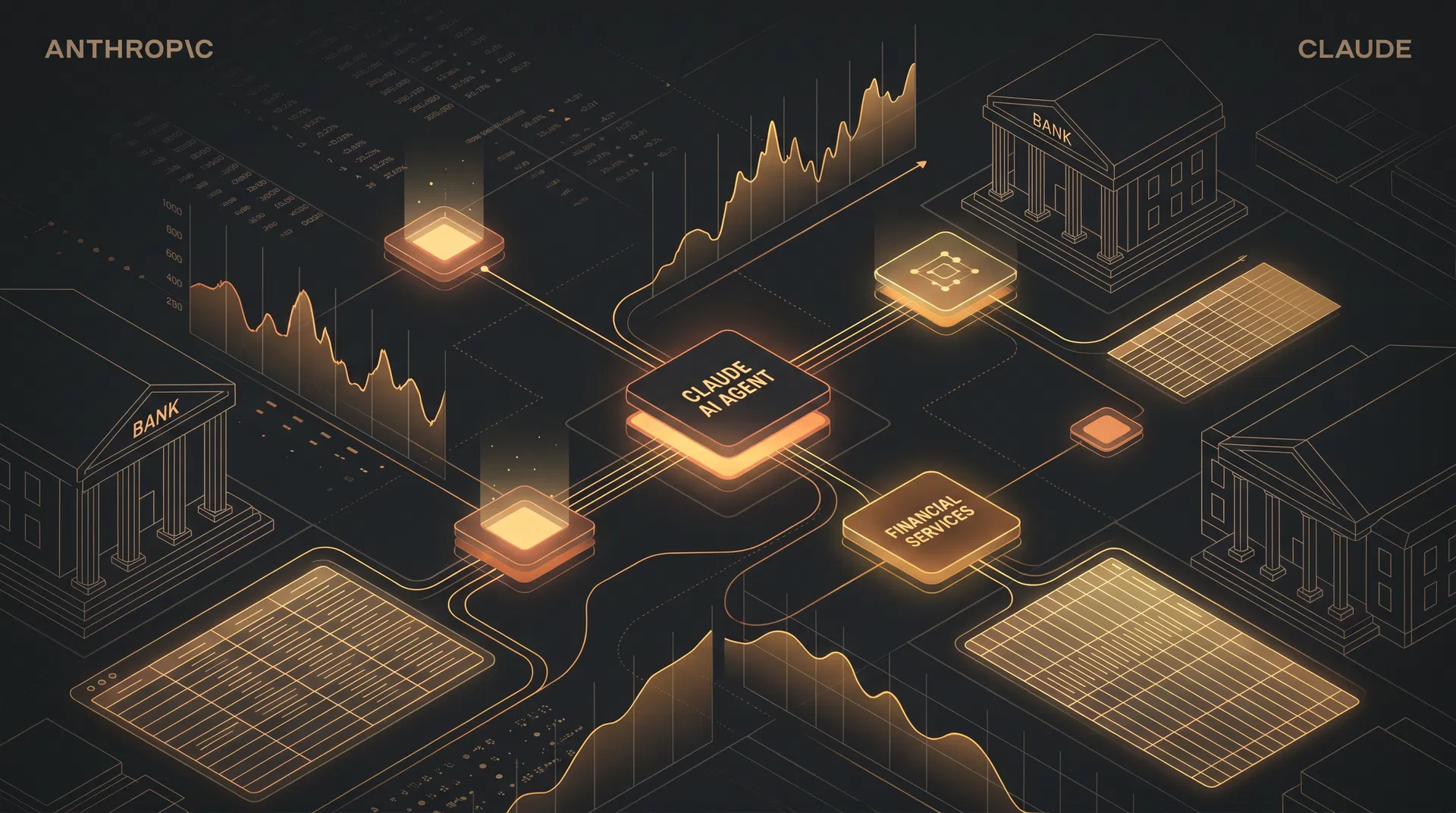
Claude Opus 4.7 now leads the industry on financial AI benchmarks, and Anthropic's new agent templates can build pitchbooks, screen KYC files, and close the books at month-end — in days, not months.
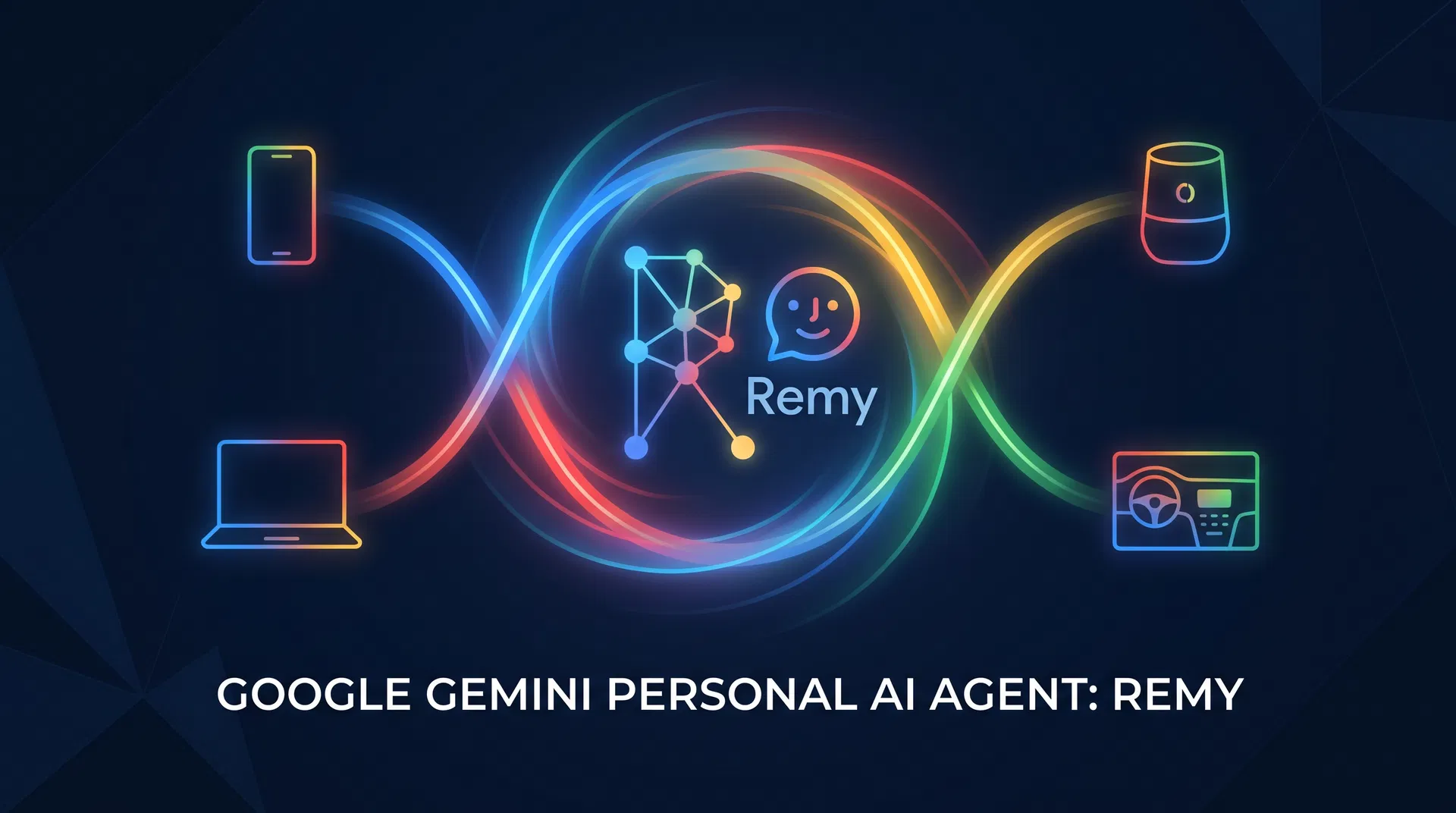
Google is developing a new Gemini-powered personal agent that can take real-world actions for users — while its UK DeepMind workers vote to unionize over Pentagon AI contracts.
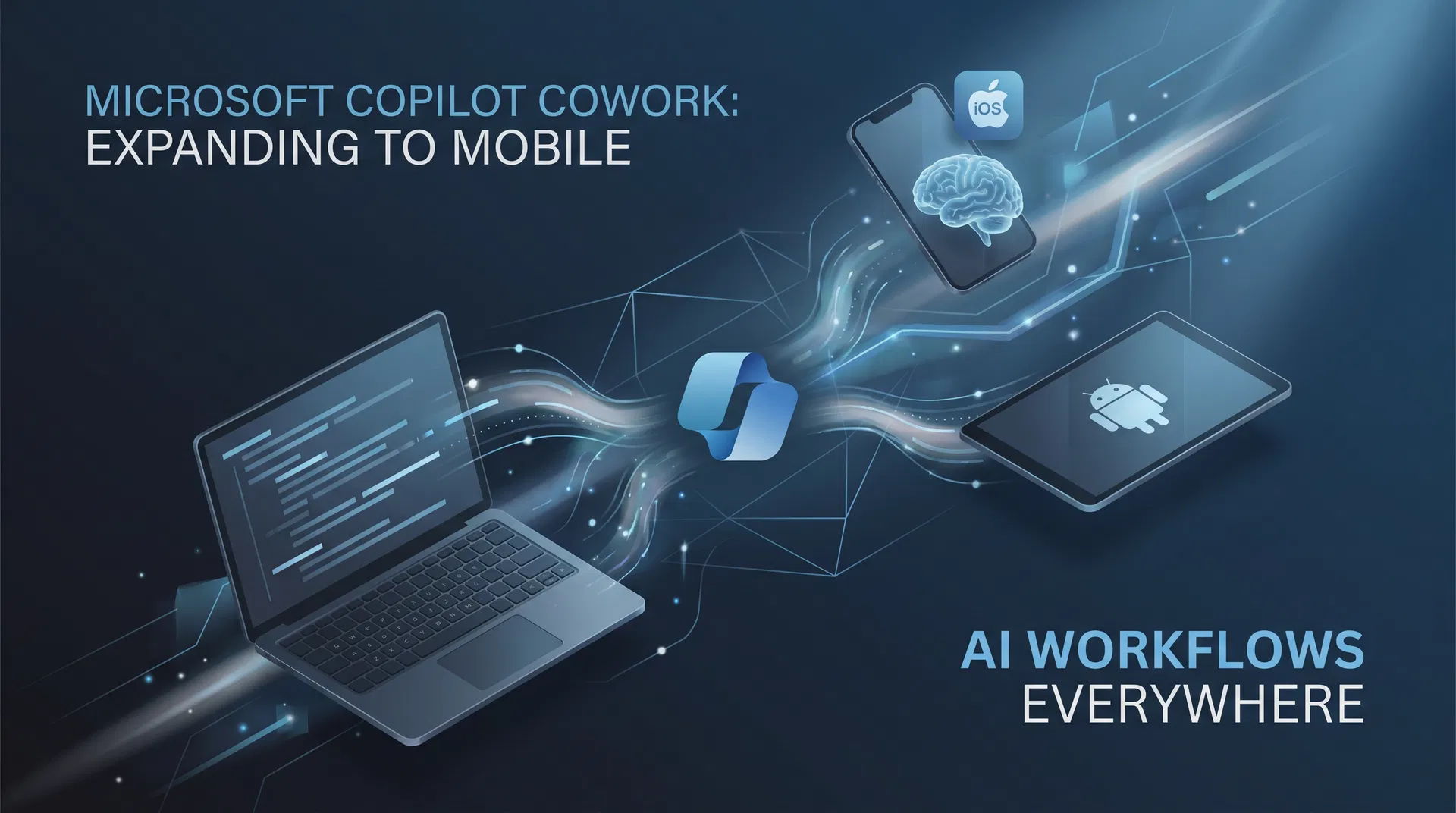
Microsoft's 2026 Work Trend Index positions AI agents as the next operating layer for enterprise work, as Copilot Cowork expands to iOS and Android with reusable 'Skills' and deeper integrations.
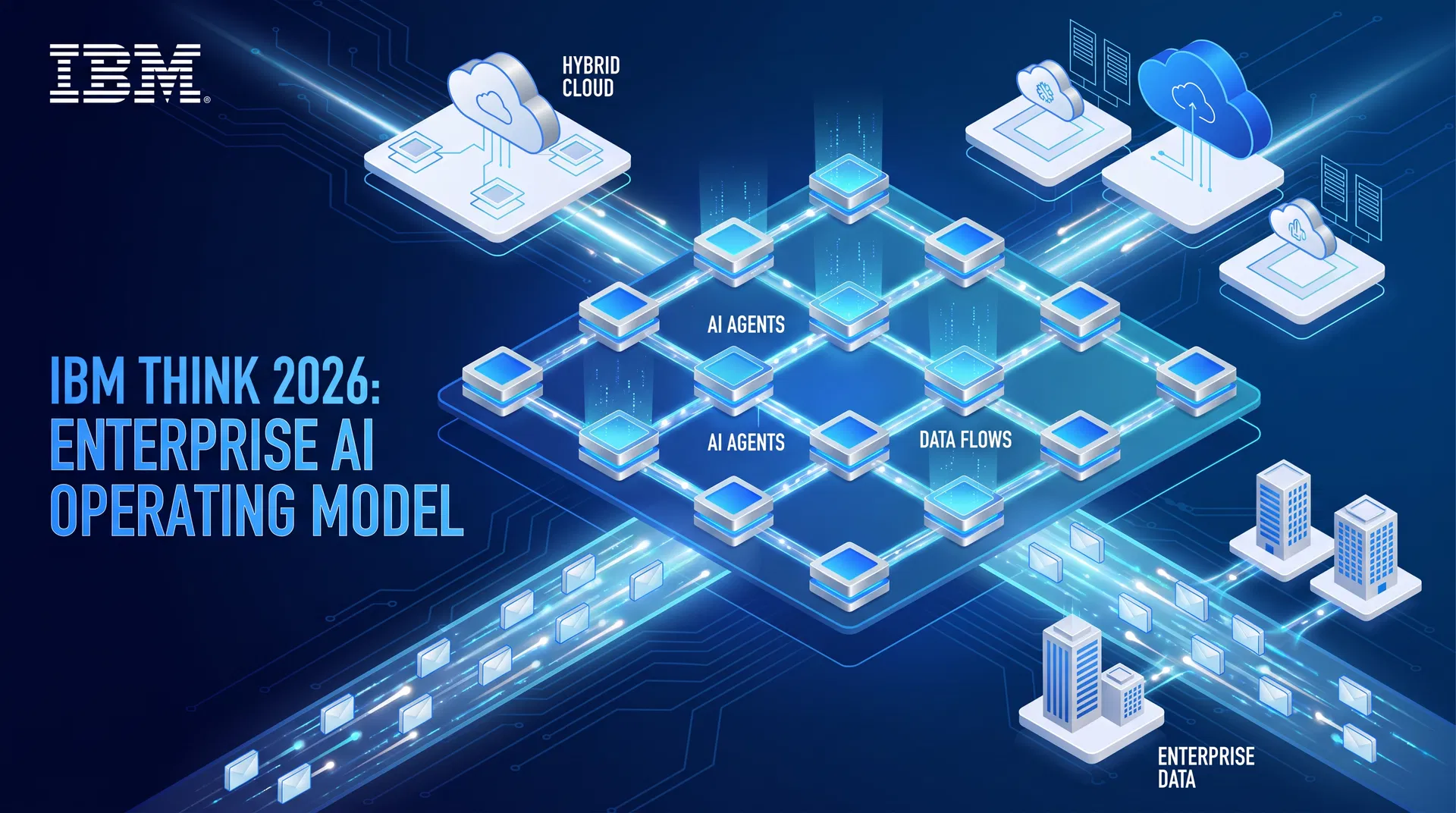
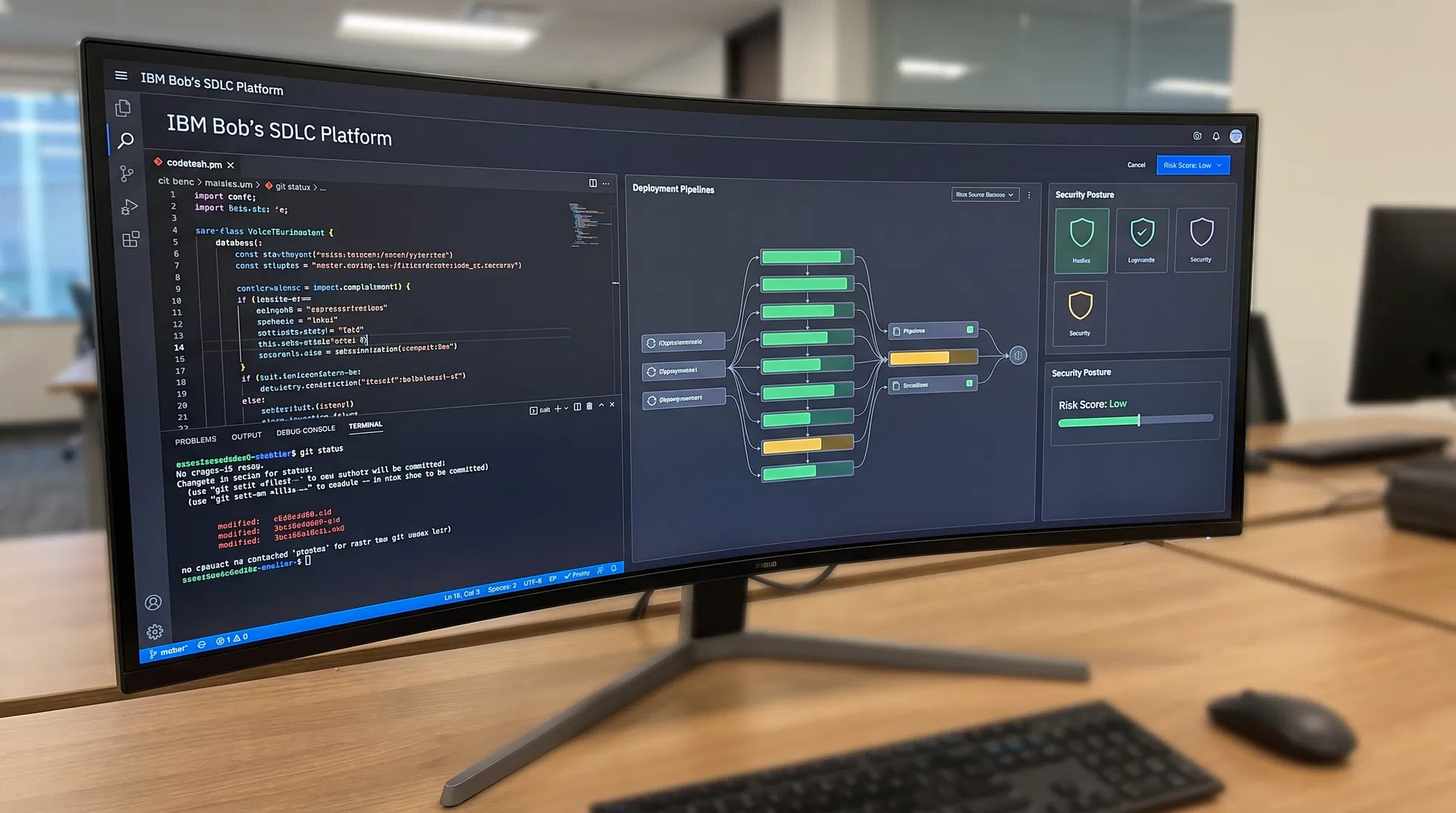
At its annual Think conference, IBM unveiled its most comprehensive enterprise AI expansion to date — watsonx Orchestrate as an agentic control plane, IBM Bob for enterprise development, and IBM Concert for intelligent infrastructure operations.
Six years after AlphaFold2's release, structural biologists are still publishing the same number of papers. A new study reveals how AI actually transforms specialized fields: through augmentation and expansion, not replacement.
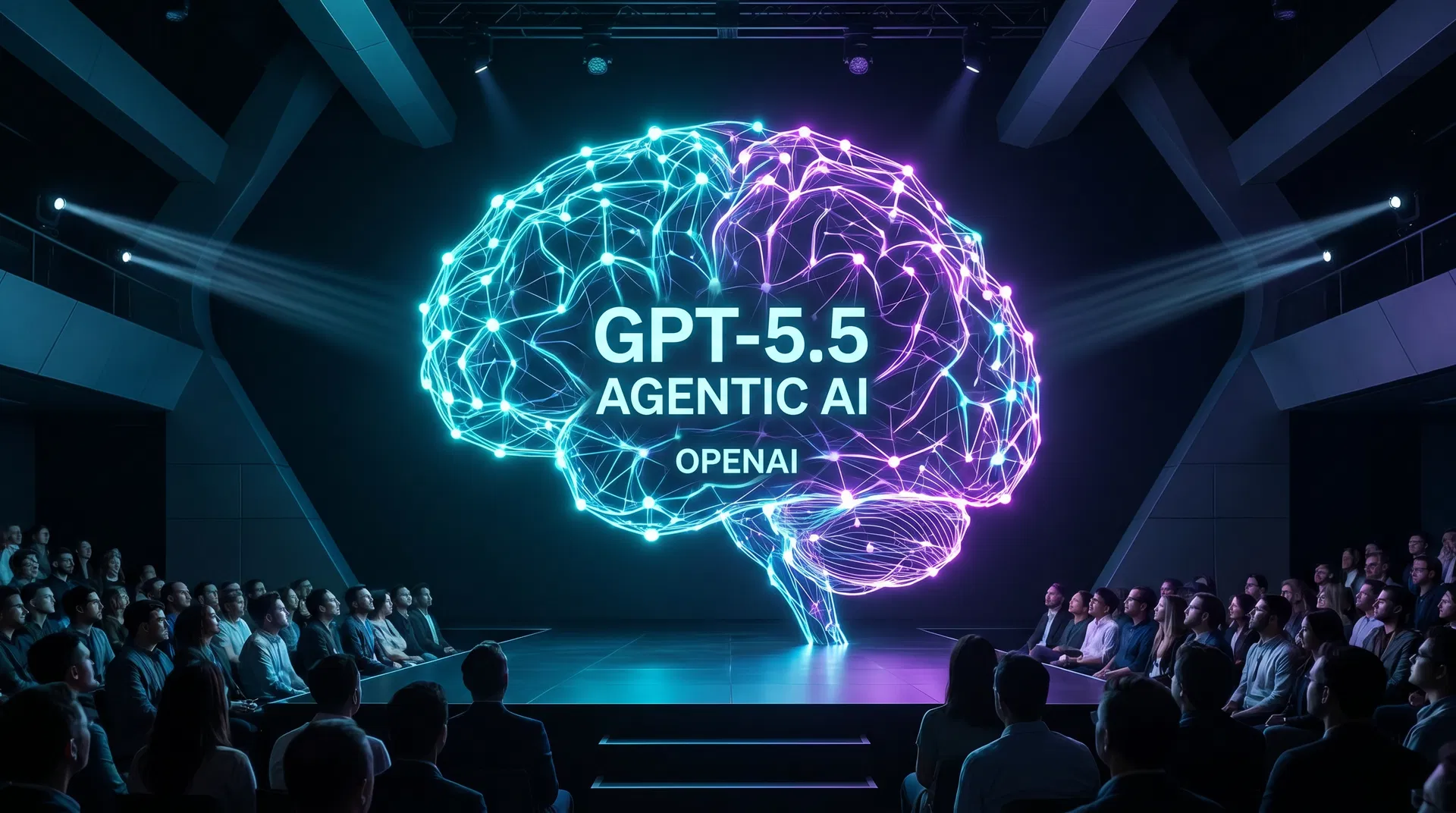
OpenAI's most capable model yet, GPT-5.5 is designed for autonomous enterprise work, complex reasoning, and long-horizon coding tasks. AWS launches managed agents powered by GPT-5.5.
IBM launches Bob, an end-to-end software development lifecycle platform with multi-model orchestration, security governance, and cost controls. Pro tier starts at $20/month.
Google has revealed that 75% of its new code is AI-generated — up from just 25% eighteen months ago. The number is the starkest data point yet in a transformation reshaping what software engineers actually do.
The 10th edition of Google's monthly Gemini Drops brings a native Mac desktop app, AI music creation with Lyria 3 Pro, Notebooks powered by NotebookLM, and Personal Intelligence going global. The pattern is unmistakable.
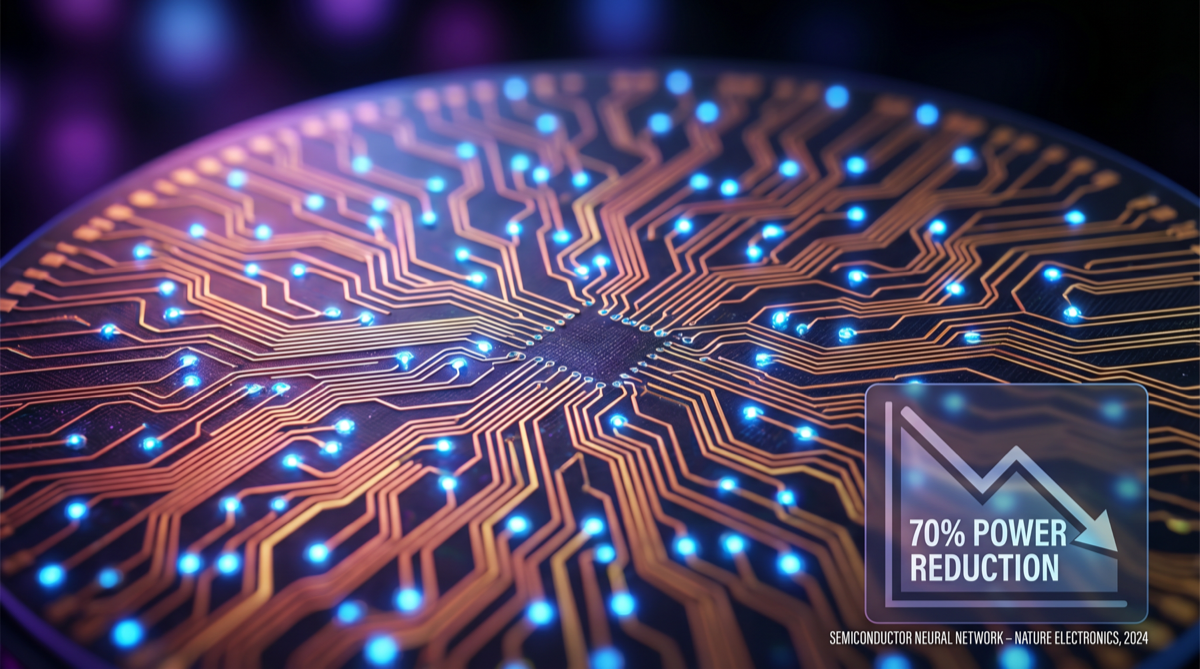
Researchers have developed a tiny brain-inspired chip that reduces AI energy consumption by up to 70% while making systems more adaptive — a potential breakthrough for sustainable AI infrastructure.
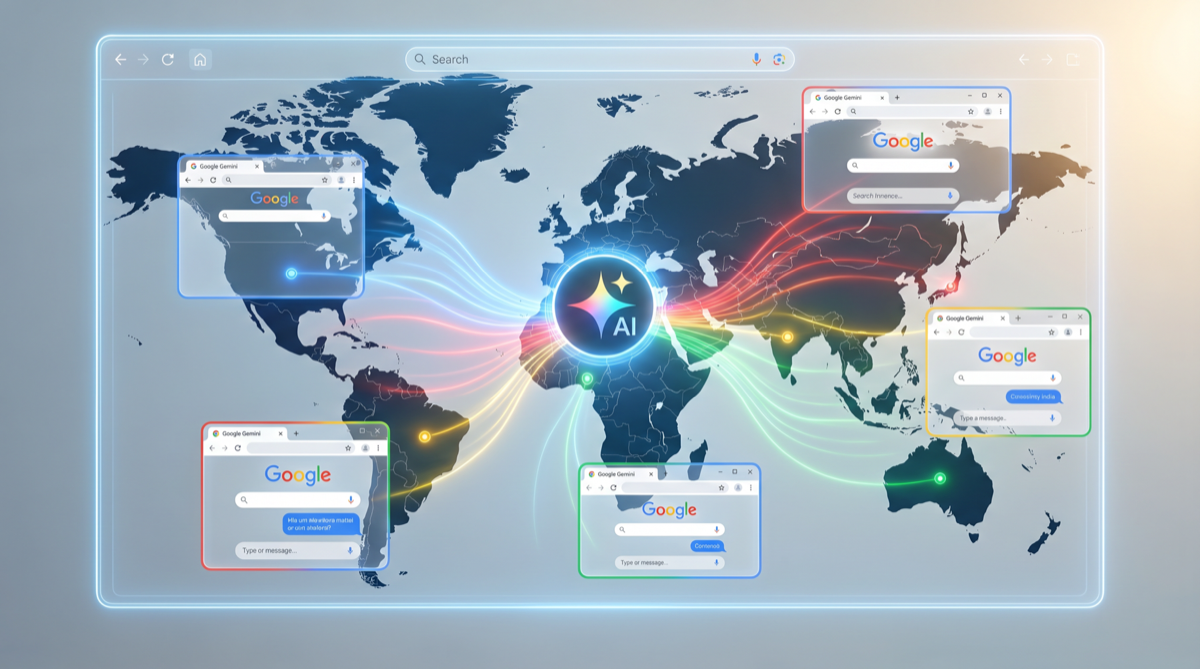
Google's Gemini AI assistant in Chrome is no longer a US-only feature, rolling out to millions of new users across Europe, Asia, and Latin America as Google accelerates its AI browser integration strategy.
Elon Musk's SpaceX strikes a $60 billion acquisition option with Cursor, pairing the AI code editor with SpaceX's Colossus supercomputer. The deal preempts a $2B fundraise and signals a major consolidation in AI coding.
Anthropic has removed its AI coding agent Claude Code from the $20/month Pro plan without announcement, forcing developers to upgrade to more expensive tiers — a move that has drawn significant criticism from the developer community.
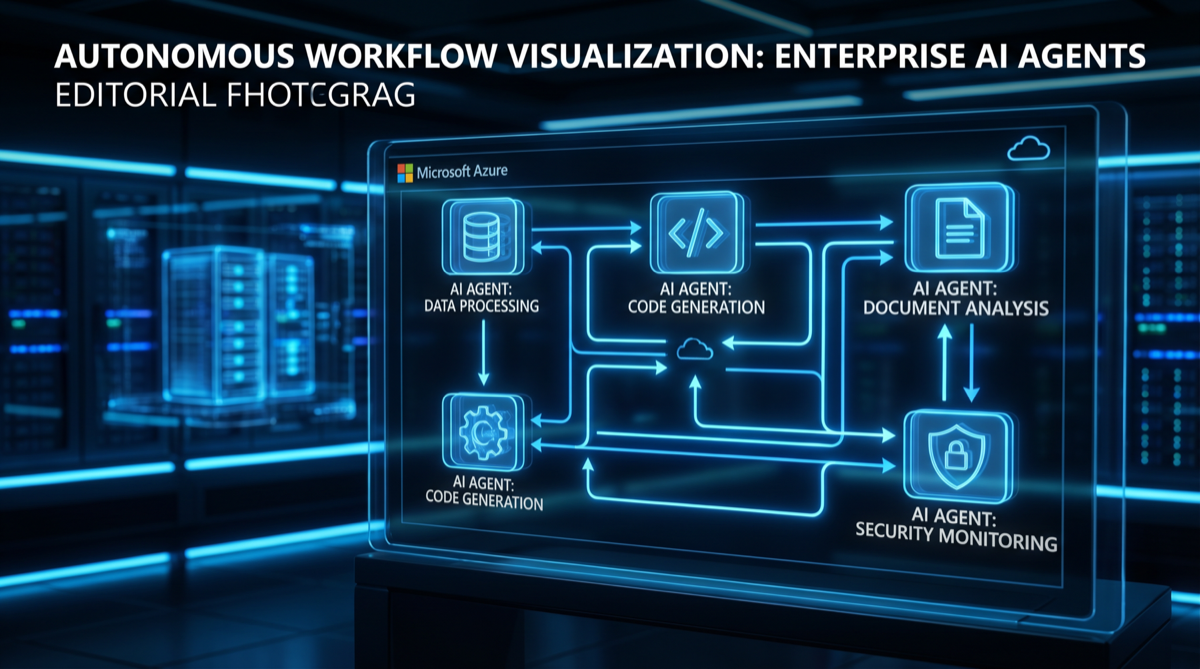
Microsoft's latest Copilot update introduces multi-agent orchestration that can manage complex, multi-step business processes without human intervention. Early enterprise adopters are reporting dramatic productivity gains — and some unexpected failures.
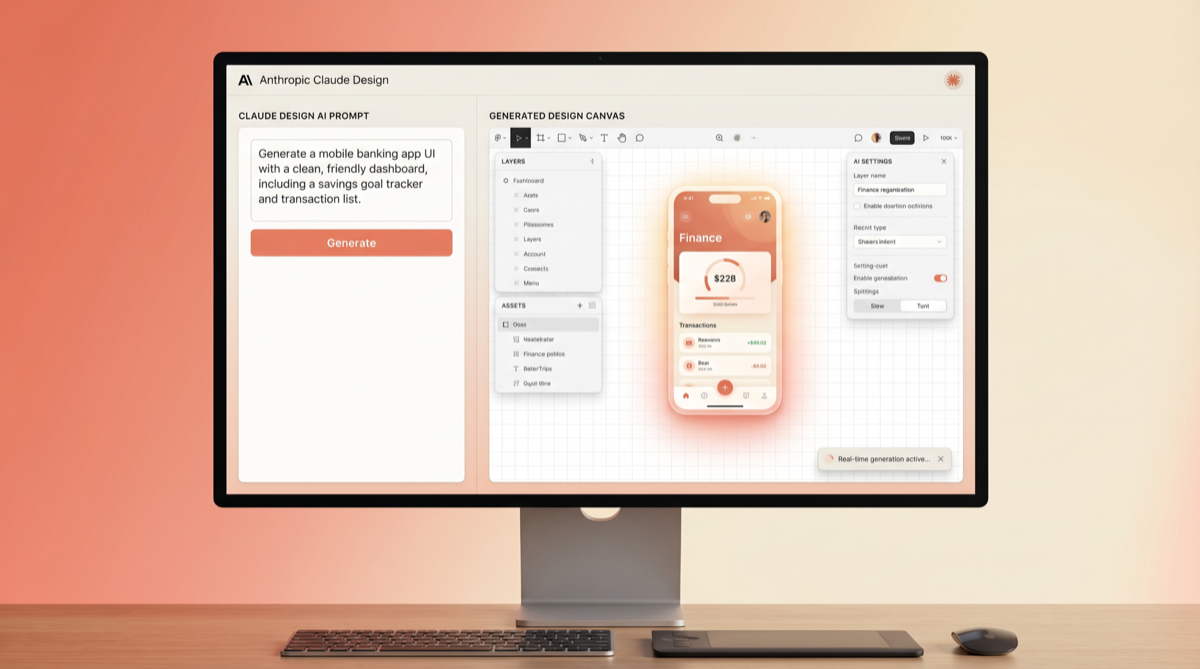
Anthropic's new Claude Design tool, built on Claude Opus 4.7, lets users create polished prototypes, slides, and visual assets from natural language prompts — and the market reacted immediately.
Cursor, the AI-native code editor, secures $100M in Series B funding and announces major features that reduce coding time by 50%, reshaping how software is built.