Technology
South Korea's Chip Megahub Shows HBM Is Becoming National AI Infrastructure
South Korea's expanding semiconductor investment highlights a reality behind the AI boom: high-bandwidth memory is no longer a component story. It is a national infrastructure strategy.
By Michael G ·
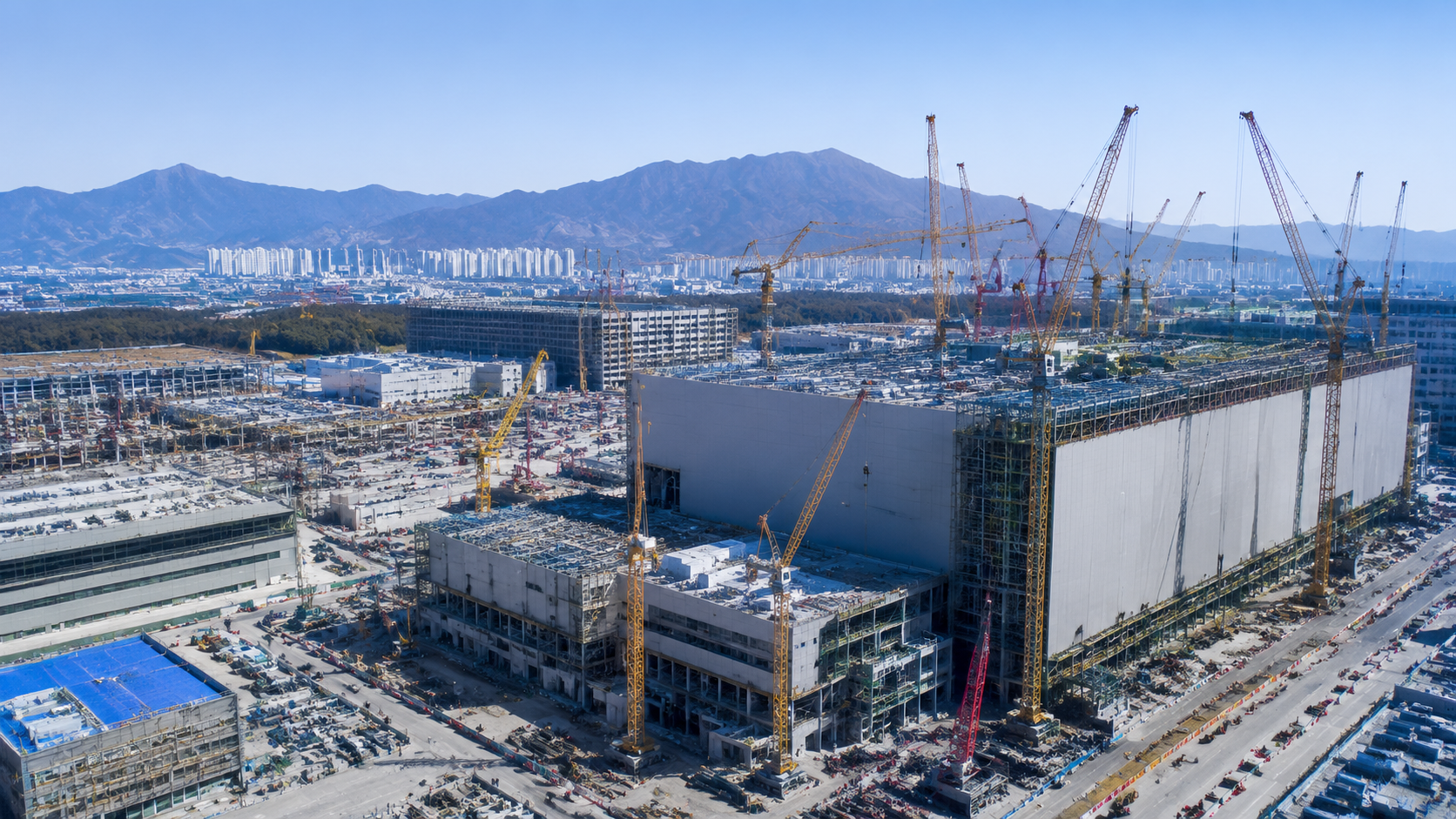
South Korea's push to expand its semiconductor megahub is an AI story even when the headline sounds like industrial policy. High-bandwidth memory is now one of the scarce components that determines how quickly AI accelerators can be built, packaged, and deployed.
The AI market still talks most loudly about GPUs, but memory is the part of the stack that makes those accelerators useful at frontier scale. If a system cannot feed data to processors quickly enough, raw compute sits idle. That makes HBM capacity a strategic bottleneck.
Memory Is Now Geopolitics
South Korea's importance comes from its position in memory manufacturing. Samsung and SK Hynix are central to the global HBM supply chain, and AI demand has turned that position into leverage. Governments now understand memory fabs as part of national competitiveness, not merely private-sector export machines.
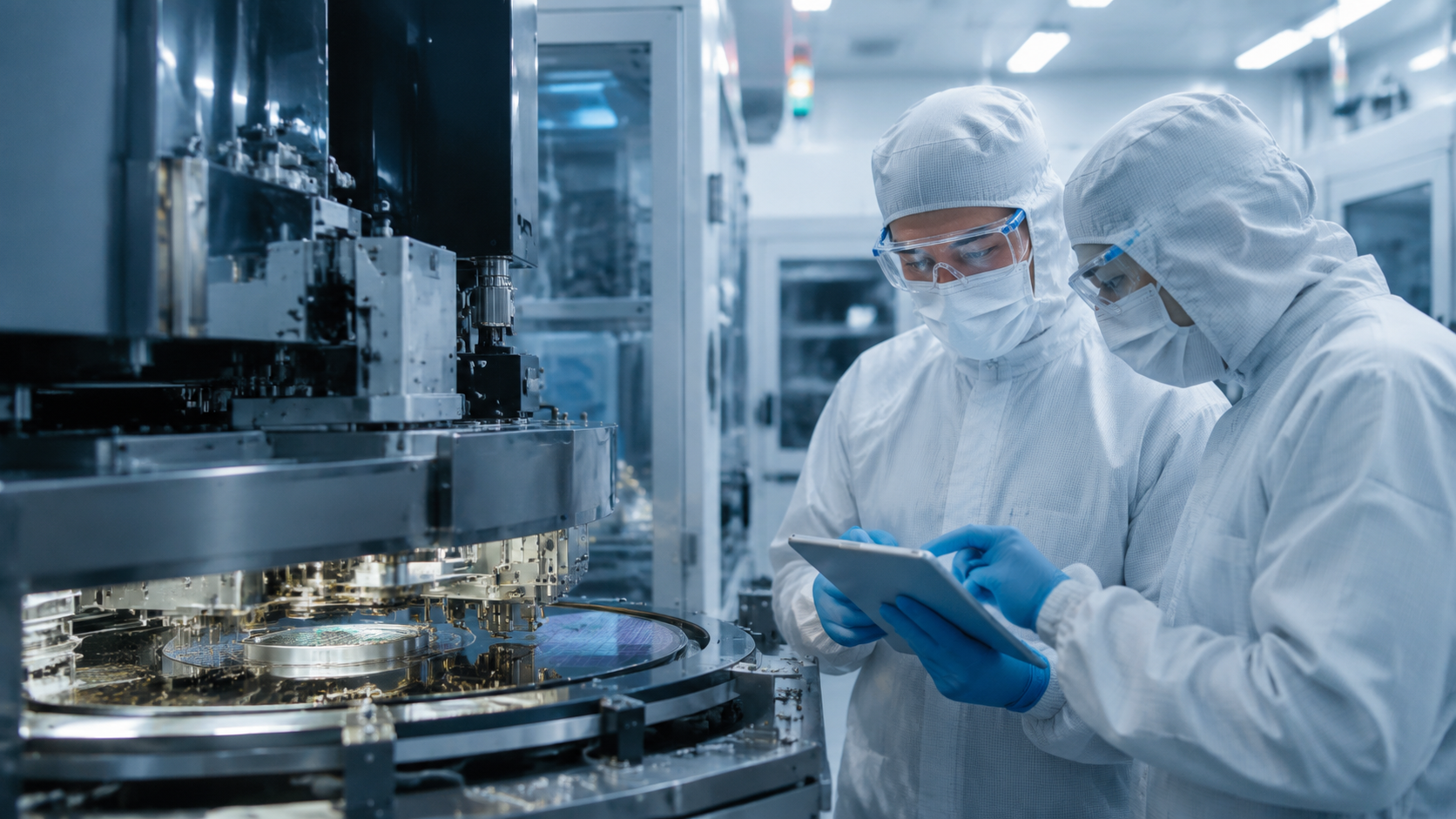
The megahub strategy is also about clustering. Chipmaking benefits from dense supplier networks, skilled labor pools, equipment availability, universities, transport links, power planning, and policy support. When the industry compresses those assets into one region, it can move faster.
HBM Shapes The Model Roadmap
For frontier labs and cloud providers, HBM availability can influence purchasing schedules, training plans, inference economics, and which accelerator platforms get priority. A memory shortage can slow product launches even if a lab has cash and cloud demand.

Topics: South Korea, HBM, semiconductors, AI infrastructure