Technology
HBM Memory Is Becoming The Hidden Bottleneck In The Frontier AI Race
High-bandwidth memory is turning into one of the most important constraints behind frontier AI. GPUs get the headlines, but the memory stack increasingly determines who can build and serve the next generation of models.
By Michael G ·

High-bandwidth memory is becoming one of the hidden bottlenecks in the AI race. GPUs receive most of the public attention, but frontier systems depend on memory bandwidth to feed accelerators fast enough. Without enough HBM supply, even the best chip road map can slow down.
The market has noticed. Memory suppliers, foundries, packaging companies, and cloud buyers are now part of the same strategic conversation. AI infrastructure is a systems problem, and memory sits close to the center of that system.
Bandwidth Beats Raw Capacity
Large models move enormous amounts of data during training and inference. Raw memory capacity matters, but bandwidth and packaging are what keep accelerators busy. A cluster with expensive chips and insufficient memory performance wastes capital.
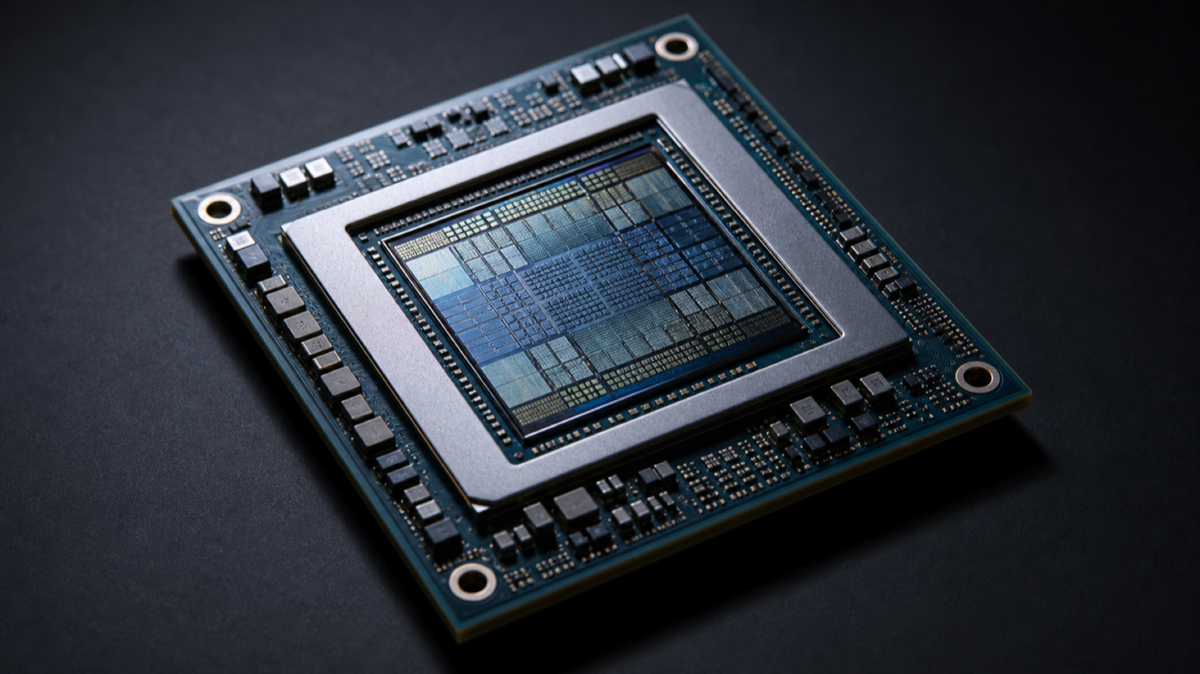
This is why HBM supply is tied to geopolitics. Leading memory production relies on a small set of companies and advanced packaging capacity. Export rules, customer commitments, and foundry allocation decisions can all shape who gets enough components to build at scale.
The Stack Narrows
The AI supply chain is narrowing around a few critical inputs: accelerators, HBM, advanced packaging, networking, power, and cooling. Any one of those can become the binding constraint. Investors who only track GPU unit shipments are missing part of the story.

Topics: HBM, semiconductors, AI chips, memory