Technology
South Korea's AI Chip Boom Is Turning Engineers Into The New Elite
South Korea's AI memory boom is spilling beyond markets and into wages, universities, housing, and status. The new semiconductor cycle is becoming a labor-market story as much as a hardware story.
By Michael G ·
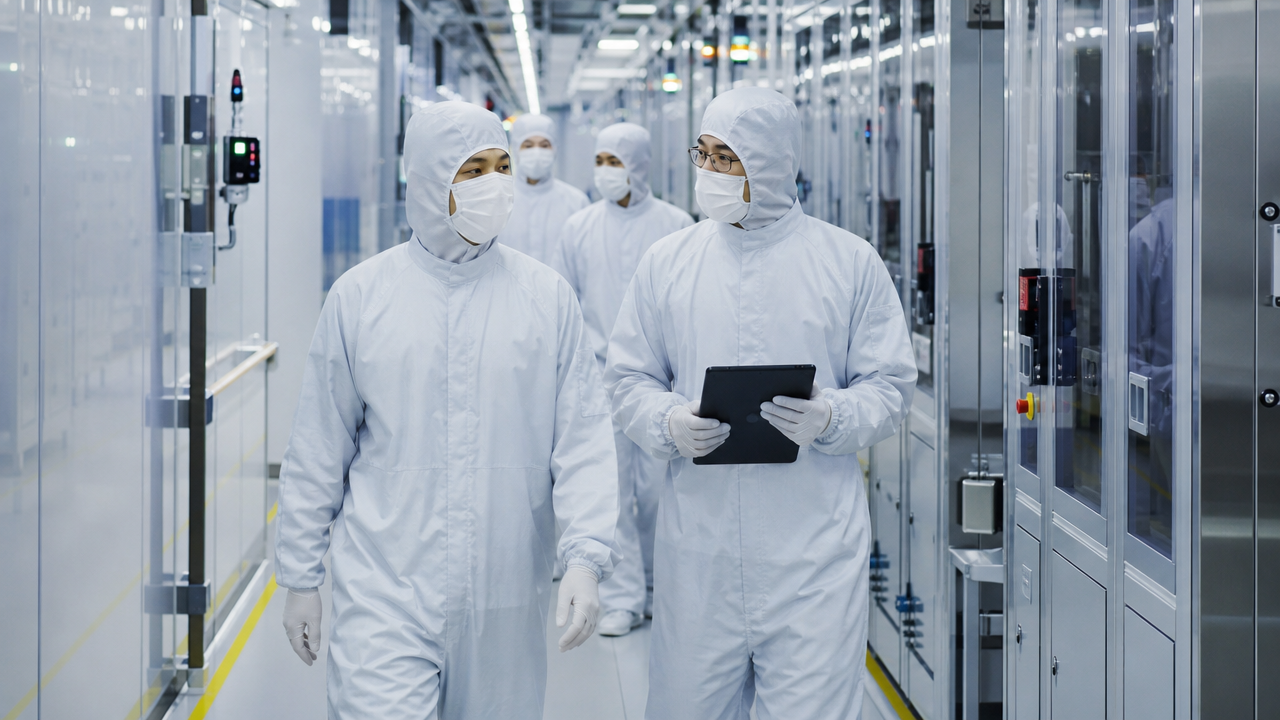
South Korea's AI chip boom is no longer only a story about exports, memory prices, or Nvidia supply chains. It is becoming a social story, with semiconductor engineers emerging as some of the biggest winners of the AI infrastructure cycle.
The Financial Times reported that the surge in high-bandwidth memory demand has produced extraordinary rewards for chip engineers at companies such as Samsung Electronics and SK Hynix. The result is a visible shift in status, with semiconductor careers suddenly competing with medicine, law, and government service as aspirational paths.
That is what a strategic bottleneck looks like when it reaches the labor market. AI models may capture the headlines, but high-end memory decides whether accelerators can feed data quickly enough. Engineers who can improve yield, packaging, process control, and memory performance become essential to the global compute race.
The effect is spreading into universities. Students who once treated semiconductor work as a stable but less glamorous career now see it as a path into the center of the AI economy. That changes enrollment incentives, corporate recruiting, and the way governments think about technical education.
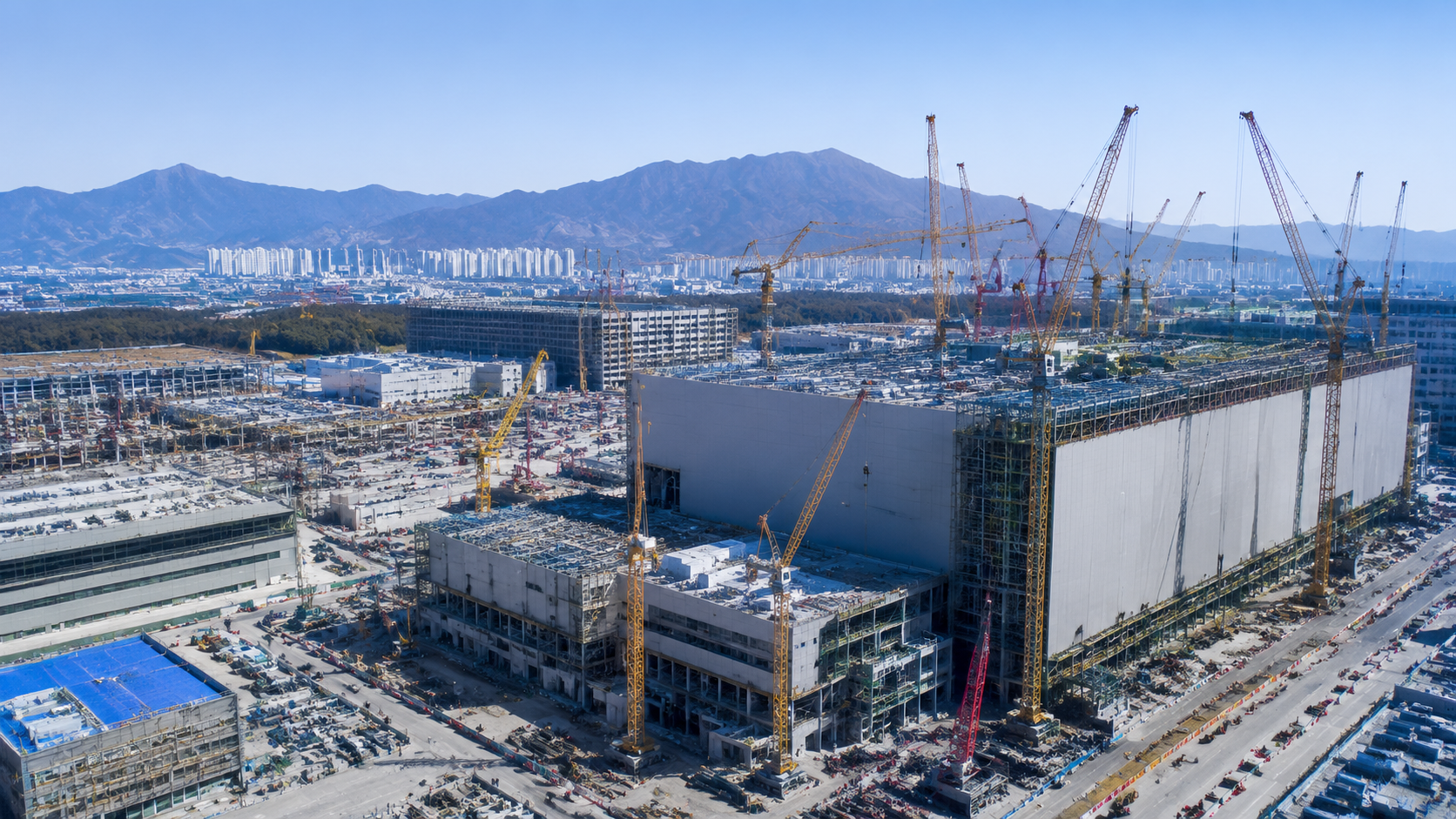
It also creates tension inside companies. If chip divisions receive large bonuses while other divisions struggle, employees begin to experience the AI boom unevenly. A conglomerate can report record results and still face internal frustration over who is actually sharing in the upside.
The broader economy feels those differences too. High semiconductor pay can affect housing markets near fabs, marriage prospects, regional development, and perceptions of fairness. AI infrastructure may be global, but its rewards land locally in very specific neighborhoods and career tracks.
For policymakers, the boom is attractive but dangerous. South Korea wants to be indispensable to AI infrastructure, and memory leadership gives it leverage. But the semiconductor industry remains cyclical. Training an entire generation around today's shortage can become painful if capacity catches up or pricing turns.

That is why the labor story matters. AI national strategies often talk about compute, models, and regulation. The Korean case shows that the most durable advantage may be talent density inside the physical supply chain.
The AI chip boom is making semiconductor engineers newly visible because they sit at the point where abstract model demand becomes real hardware. If that demand holds, South Korea's chip workers will not just be benefiting from the AI boom. They will be helping decide how fast it can continue.
Topics: South Korea, AI chips, semiconductor engineers, HBM