Technology
South Korea's HBM Megaproject Turns Memory Into AI Infrastructure Strategy
The AI boom is pushing South Korea's memory and packaging industries into the center of regional compute strategy. HBM is no longer a component story; it is an infrastructure story.
By Michael G ·
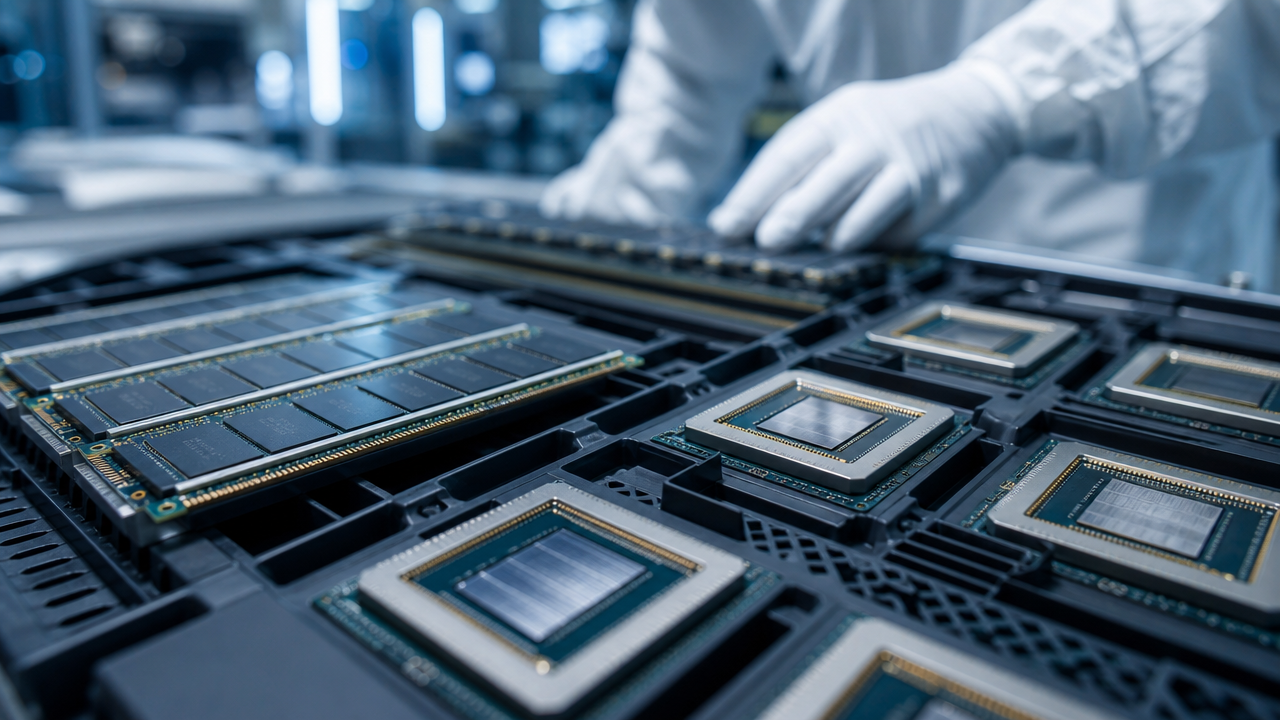
South Korea's AI infrastructure push is turning high-bandwidth memory into a national strategy. As data-center demand rises, HBM, advanced packaging, and memory supply are becoming as important to AI scaling as GPUs themselves.
That shift is visible in markets. Chipmakers tied to AI memory and infrastructure have surged as investors look beyond model companies and cloud platforms toward the physical supply chain that makes AI deployment possible.
Memory Is The Constraint Layer
Frontier AI systems need fast memory movement as much as raw compute. HBM helps feed accelerators with the bandwidth required for large models, inference workloads, and data-center clusters.
South Korea's position matters because Samsung and SK Hynix are not merely suppliers. They are strategic bottlenecks in a global compute race that includes the United States, China, Taiwan, Japan, and Europe.
Asia's AI Map Is Hardware-Heavy
For Hong Kong investors, the lesson is that AI exposure is not limited to model labs. Memory, substrates, PCB materials, power systems, and cooling providers can all become part of the AI capital-expenditure cycle.
Topics: HBM, South Korea, AI chips, semiconductors