Technology
Qualcomm's Data-Center Pivot Puts Power Efficiency Back In The AI Race
Qualcomm is trying to turn its mobile efficiency DNA into a data-center AI story. If major customers adopt its server CPUs and memory architecture, the AI infrastructure market could become less GPU-only than it looks.
By Elvin C ·
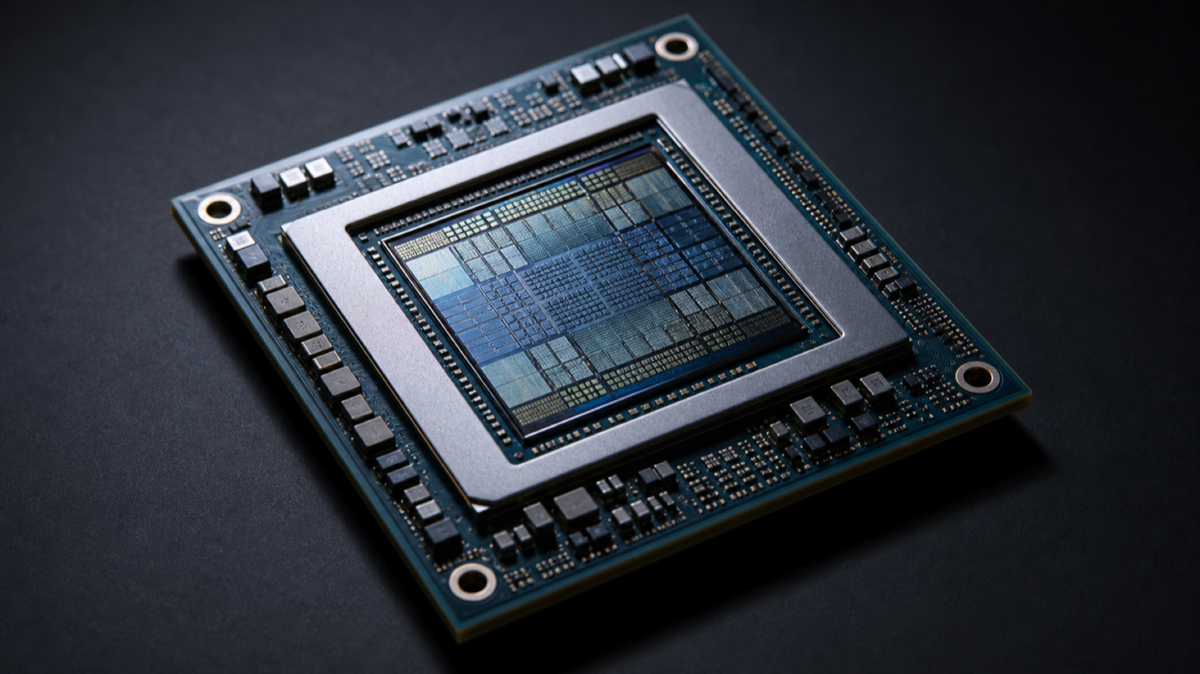
Qualcomm's push into data-center infrastructure is a reminder that the AI hardware race is not only about the biggest accelerator. It is also about power efficiency, memory architecture, CPU design, and whether cloud buyers want alternatives inside the stack.
Recent market coverage of Qualcomm's investor-day message highlighted ambitious non-handset revenue targets and reported traction with major technology customers. The signal is not that Qualcomm has beaten Nvidia. It is that the AI infrastructure market is large enough for specialized challengers to find openings.
Mobile DNA Meets Server Economics
Qualcomm built its modern business around power-constrained devices. Data centers are not phones, but power efficiency has become a first-order AI issue. When electricity, cooling, and grid access shape deployment, performance per watt becomes a strategic metric.

The challenge is software. Nvidia's position is reinforced by an ecosystem, not just silicon. Any challenger has to convince buyers that its hardware will be supported by compilers, libraries, deployment tooling, and operational reliability.
Why Customers May Listen
Cloud providers do not want a single supplier bottleneck forever. If Qualcomm can offer useful CPU or memory advantages for specific workloads, it could become part of a diversified infrastructure strategy even without replacing GPUs at the center of training.
Topics: Qualcomm, data centers, AI infrastructure, chips