Technology
Nvidia partners with Cloverleaf to develop data centers as power access becomes critical constraint
Nvidia is expanding beyond chip sales to secure infrastructure partnerships as power availability emerges as a bottleneck for AI deployment. The partnership with data center developer Cloverleaf signals a shift toward direct involvement in site development and power interconnection.
By Michael G ·
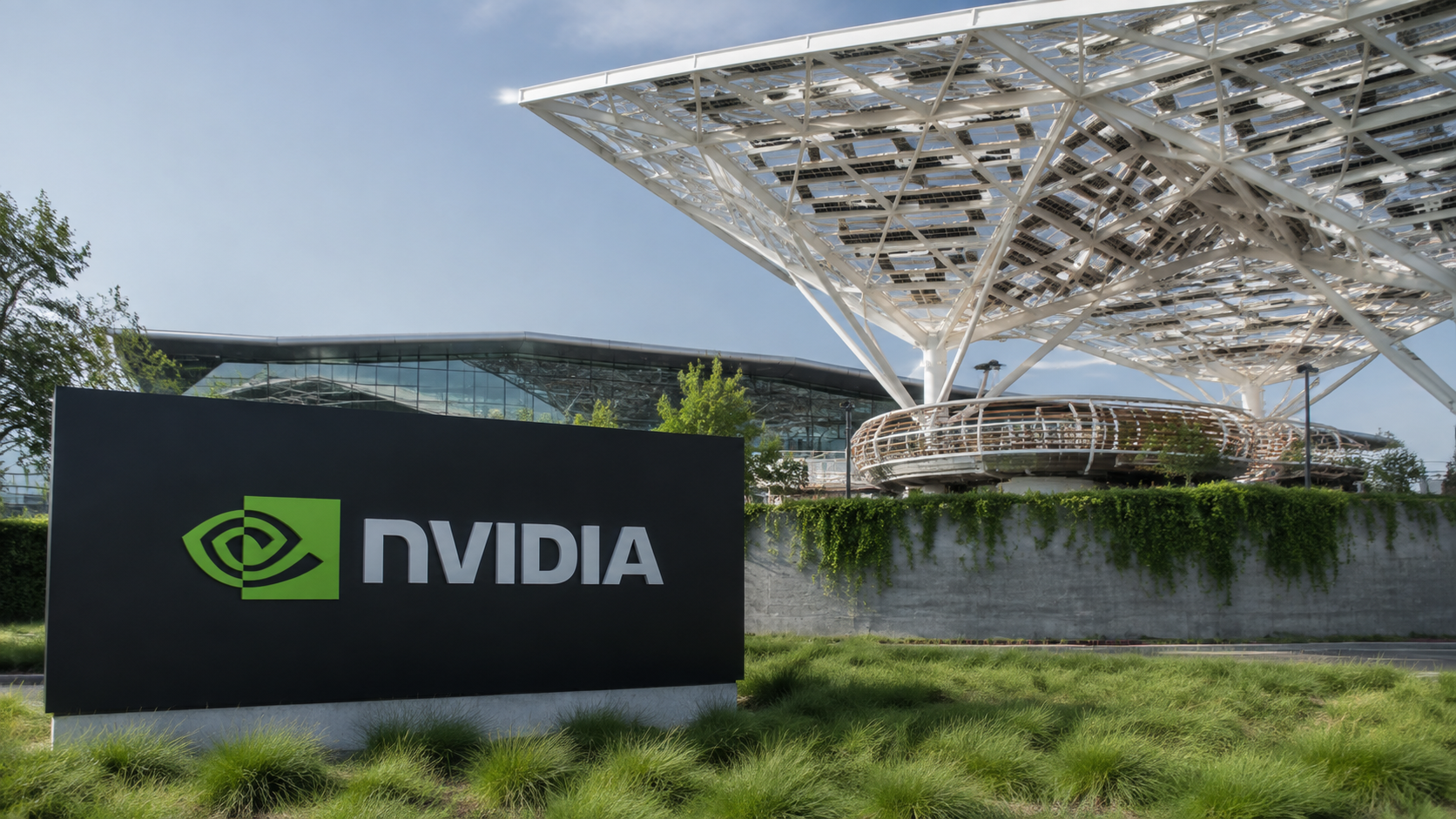
Nvidia has partnered with data center developer Cloverleaf Infrastructure to build facilities designed around the chip manufacturer's computational requirements, according to a TechCrunch report. The arrangement represents a strategic pivot for Nvidia beyond its traditional role as a semiconductor supplier, embedding the company directly into the physical infrastructure that will house its processors. The partnership addresses an acute constraint: available electrical power. As enterprises rush to deploy large language models and train neural networks, power capacity has become the limiting factor in where and how quickly new data centers can operate.
The partnership reflects a fundamental shift in how AI infrastructure is being built. Traditional data center development follows a generic model: secure real estate, arrange power and cooling systems, then outfit buildings with commodity hardware. Nvidia's involvement with Cloverleaf Infrastructure inverts that sequence. The company is now working backward from its own processors' thermal and electrical requirements to shape how sites are designed from the ground up. This approach allows for optimized power distribution, cooling architecture and networking layouts tailored to Nvidia's GPU clusters rather than generic server configurations. TechCrunch report documents the reporting behind this account.
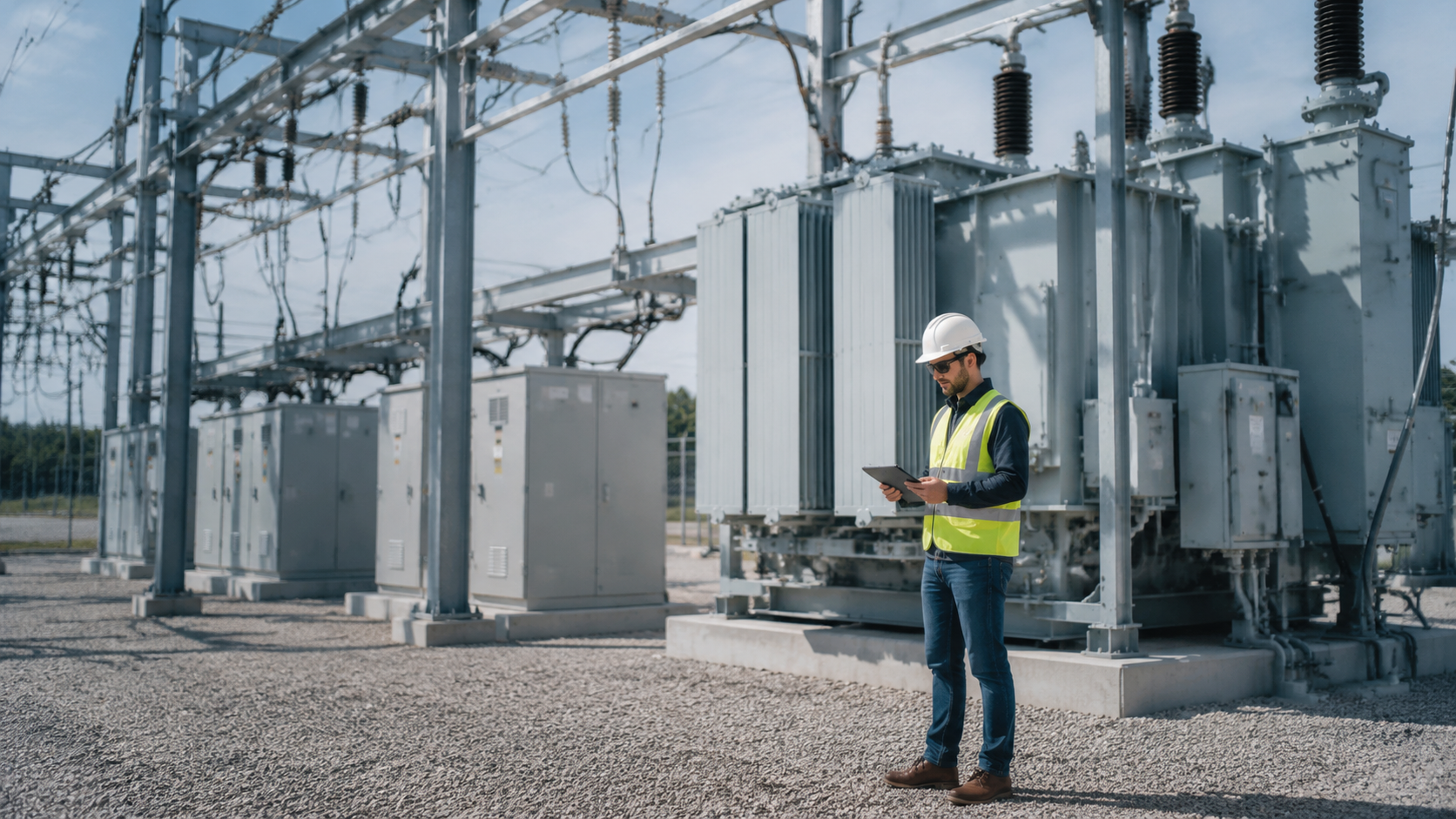
Power interconnection emerges as the central technical challenge. Most regions in North America and Europe have limited available grid capacity for new industrial loads. A single large-scale AI data center can consume 100 to 500 megawatts depending on its configuration. Getting utility companies to provide that power requires years of permitting, infrastructure upgrades and negotiations. By working with Cloverleaf on site selection and development strategy, Nvidia can potentially accelerate this process by identifying locations where power is available or where utility expansion is already planned.
Financing and project economics also factor into Nvidia's decision to partner directly. Data center development is capital intensive. Developers typically secure funding from real estate investors, private equity firms or enterprise customers willing to pre-lease capacity. By anchoring a project around Nvidia's specific needs and timeline, Cloverleaf can potentially secure more favorable financing terms. Investors understand that Nvidia's involvement reduces demand uncertainty. The company has positioned itself as willing to commit to long-term leases or capacity guarantees that traditional cloud providers might avoid, effectively underwriting facility development.
The bottleneck extends beyond one company
Nvidia's partnership is symptomatic of a broader constraint affecting the entire sector. Enterprise AI and cloud computing deployments are hitting power limits across major markets. Public cloud providers like Amazon Web Services and Microsoft Azure have each announced limitations on GPU availability, citing power constraints at their existing facilities. Data centers historically consumed 1 to 2 percent of total US electricity. That proportion is rising as AI workloads grow. Utility companies are struggling to keep pace. The grid upgrades required to support new data center clusters take time, and approval processes involve multiple regulatory bodies. The operational tradeoff is also reflected in Cloverleaf Infrastructure.
Cloverleaf's involvement suggests the developer has either identified sites with available power or has established relationships with utilities that allow faster permitting. The company has prior experience in data center development and infrastructure finance. By pairing that expertise with Nvidia's technical specifications and market pull, the partnership creates a template that other AI chip designers may eventually emulate. What remains unclear is whether the partnership involves equity stakes, capacity commitments or other financial arrangements beyond the basic development agreement. Nvidia declined to disclose specific terms. Cloverleaf also did not provide financing details. The scale of facilities Nvidia and Cloverleaf plan to build is also undisclosed. For broader context, data centers outlines the relevant standard or institution.
Infrastructure as competitive advantage
Nvidia's shift into infrastructure partnerships reflects competitive realities in chip markets. Nvidia currently dominates enterprise GPU sales, but that dominance faces pressures from companies developing custom silicon for AI workloads and competitive erosion from other chip designers. By embedding itself in data centers through partnerships like Cloverleaf Infrastructure, Nvidia secures influence over facility planning and can shape which chips are deployed at scale. A data center designed around Nvidia's power and thermal profiles becomes less attractive for competitors' hardware. This lock-in extends beyond the chip purchase price into the entire facility lifecycle. enterprise AI helps place the issue within its wider policy and engineering context.

The arrangement also positions Nvidia to influence pricing and terms across the data center market. As power becomes scarcer, facility operators will need to make hard choices about which workloads to prioritize. Nvidia's involvement in facility design gives the company earlier sight into customer demand and lets it signal which markets it considers strategic. Whether this partnership becomes a sustained strategic focus or a temporary response to acute power constraints remains to be seen. Nvidia has historically avoided heavy infrastructure commitments, preferring to remain a fabless semiconductor company. Partnering with Cloverleaf allows Nvidia to maintain that posture while still shaping infrastructure outcomes. Yet if power scarcity persists and becomes the defining constraint on AI deployment, Nvidia's incentive to deepen its infrastructure role will only grow. Other chip designers and infrastructure developers will be watching closely to see whether the Cloverleaf partnership accelerates facility development or merely signals where the market's most pressing bottlenecks lie. The final point can be checked against cloud computing.
Topics: nvidia, data centers, infrastructure, power grid, AI hardware