Technology
AI Data Center Power Architecture Becomes A Boardroom Problem
Rising rack density and agentic workloads are forcing AI infrastructure teams to rethink power delivery, thermal stress, grid interconnection, and energy observability.
By Patrick T ·
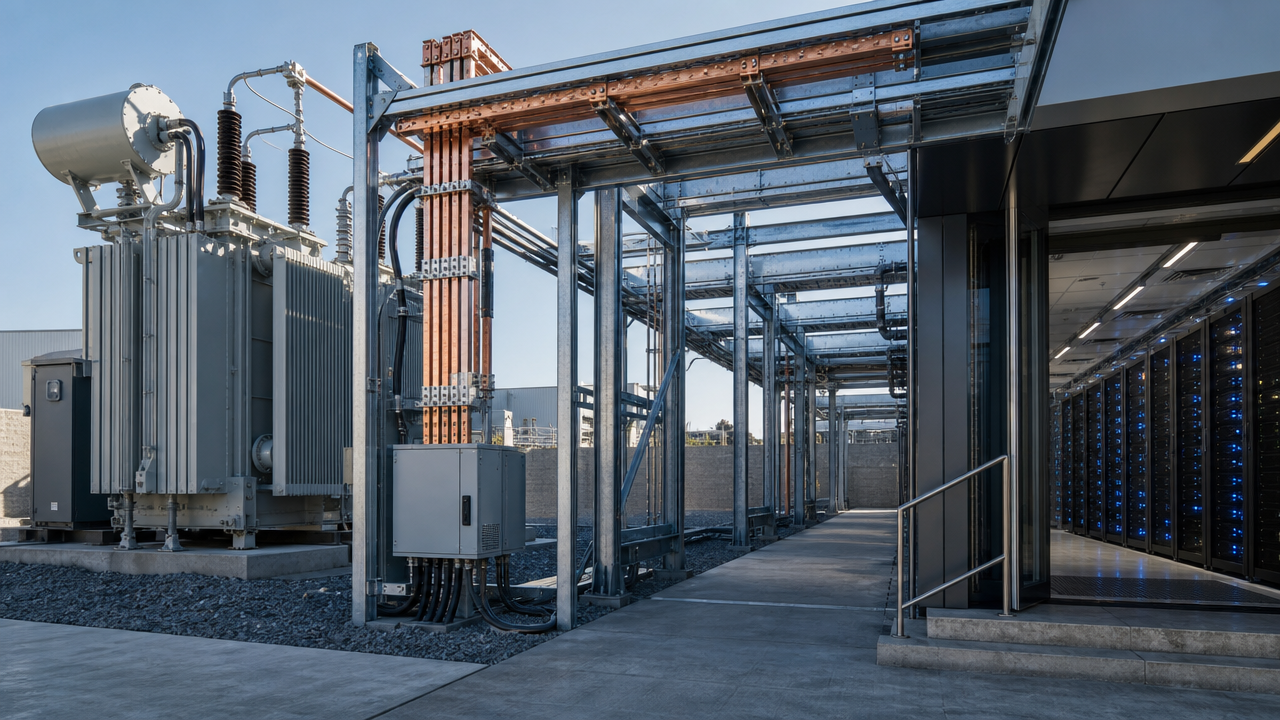
AI data center power architecture is moving from an engineering detail to a boardroom constraint. The largest AI workloads are pushing rack density, current swings and thermal stress beyond assumptions that worked for older cloud computing patterns.
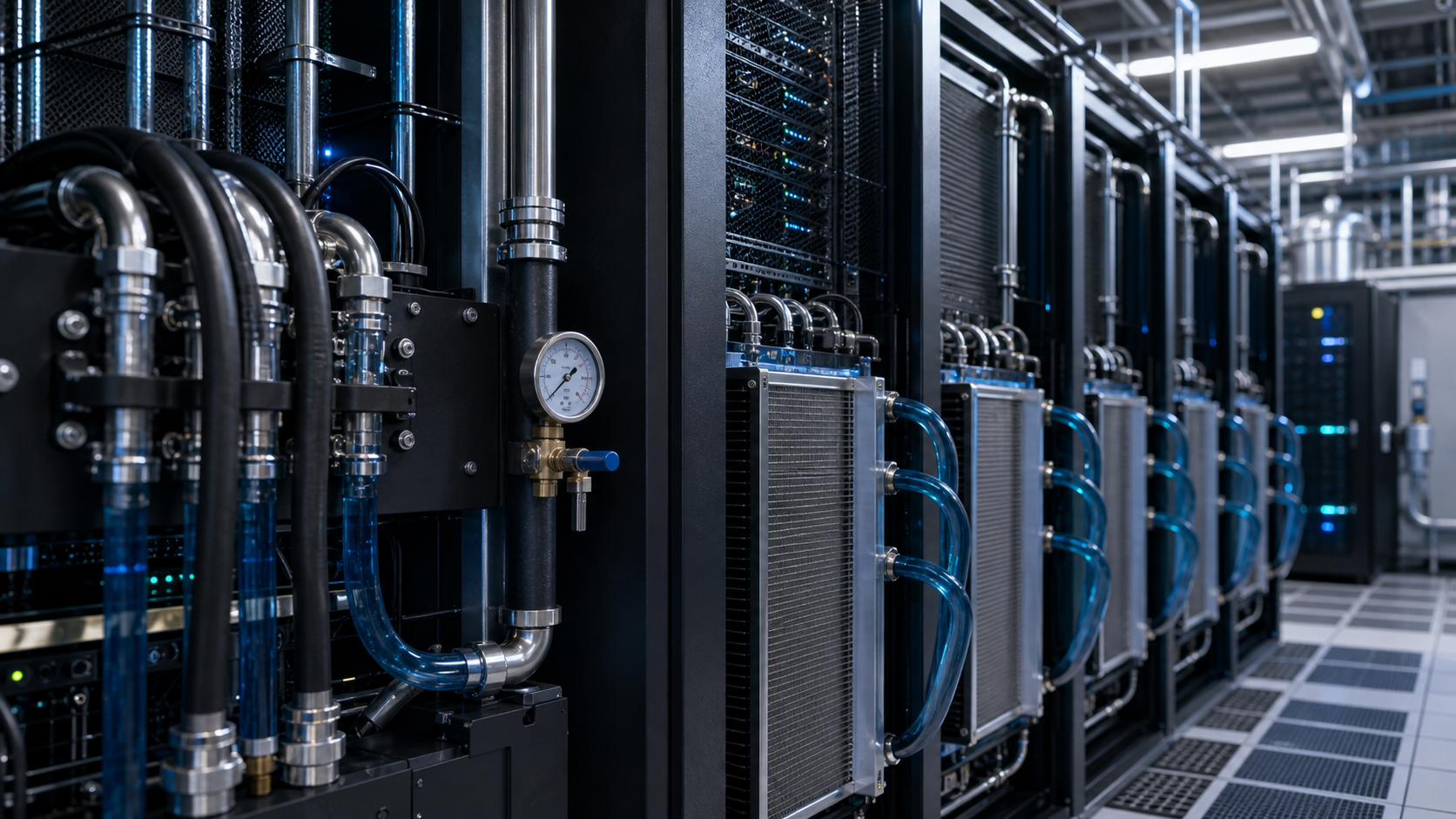
The immediate issue is density. Modern AI clusters pack accelerators, high-bandwidth memory, networking and storage into systems that draw far more power per rack than traditional enterprise servers. That creates problems all the way upstream: power conversion, distribution, cooling, backup systems, facility design and grid interconnection.
A recent wave of technical research has focused on whether traditional low-voltage architectures can keep up with next-generation AI loads. The answer increasingly appears to be that they can, but only with major changes, including higher-voltage conversion, DC distribution options, solid-state transformers and tighter coordination between facility and rack design.
This matters for strategy because model roadmaps now depend on construction and electrical timelines. A company may have chips on order and still be bottlenecked by transformers, substations, switchgear, grid queues or cooling systems that cannot handle the planned load.
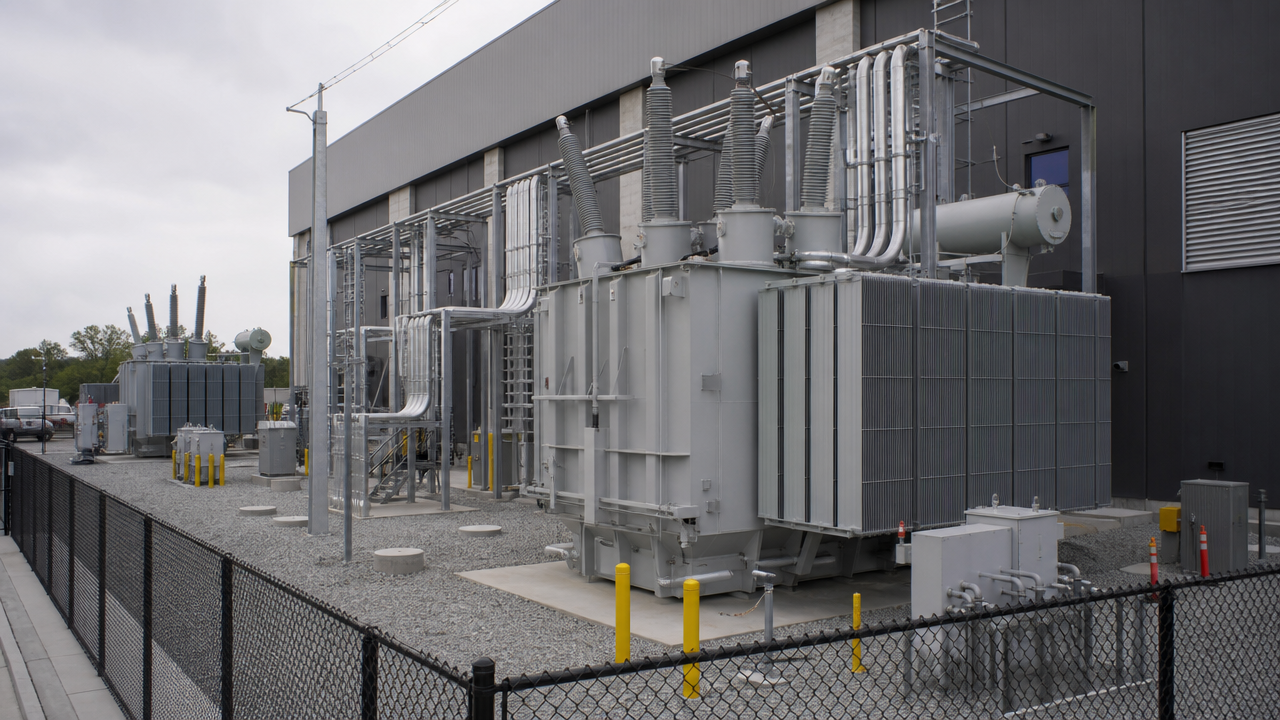
The power problem also has a measurement layer. As agentic workloads spread, energy use becomes harder to attribute because a single user request can trigger planning, tool calls, retries, code execution, search, summarization and follow-up reasoning. Without better telemetry, companies may not know which workflows are expensive or wasteful.
That blind spot matters for cost, carbon accounting and product design. If an agent consumes several times the energy of a linear task because it loops, retries or calls tools inefficiently, the product team needs to see that. If hardware exposes only partial energy data, optimization becomes guesswork.
The next phase of AI infrastructure will therefore be more integrated. Chip teams, model teams, product teams and facilities teams can no longer operate as separate worlds. The model architecture affects compute demand. The compute demand affects power and cooling. Power and cooling affect where and when models can scale.
For investors, the lesson is that capex quality matters more than headline capex. Spending billions on AI infrastructure is not automatically strategic if the power architecture cannot support future density or if energy use cannot be measured well enough to optimize.
The AI boom keeps being described as a race for intelligence. Underneath, it is also a race for current, voltage, cooling loops and the ability to make every watt count.
Topics: AI data centers, power delivery, rack density, energy