Technology
AI Power Procurement Becomes A Competitive Advantage For Model Companies
Model companies are learning that energy contracts, grid queues, backup generation and site selection can matter as much as chips when scaling frontier AI infrastructure.
By Patrick T ·
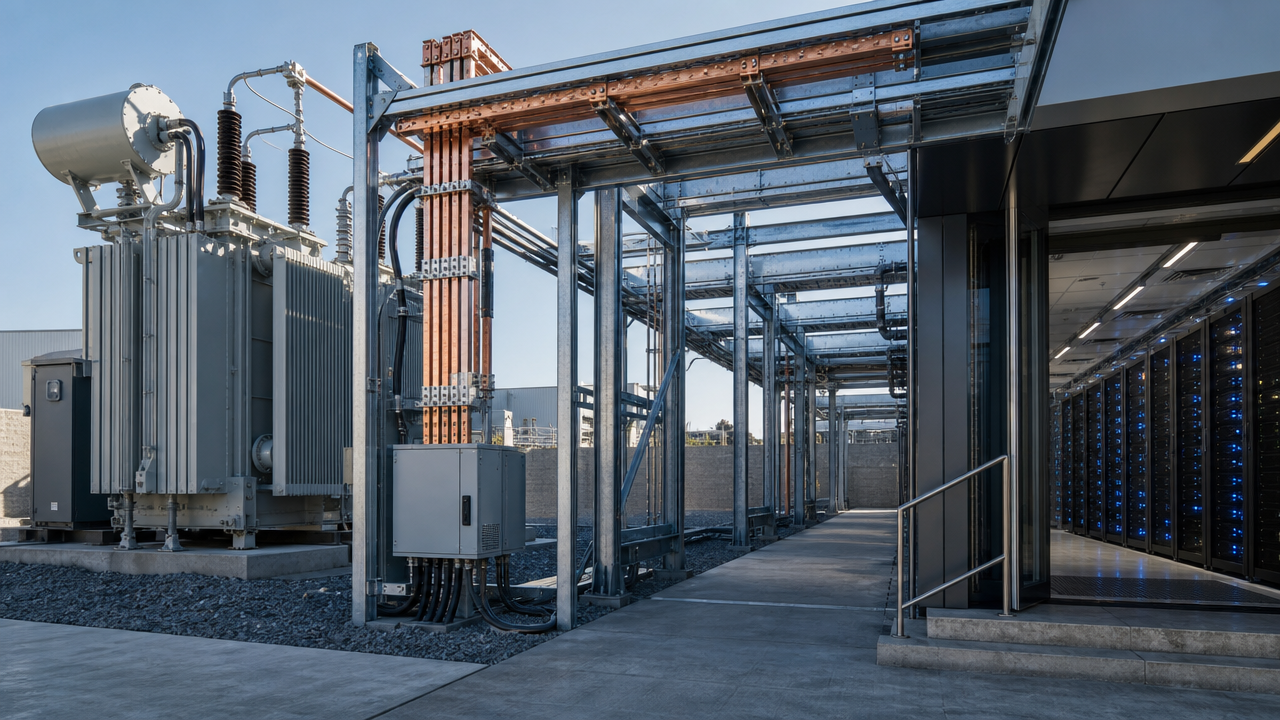
The AI infrastructure race is no longer only about who can buy the most accelerators. It is about who can power them, cool them, connect them and bring new capacity online before competitors do.
Power procurement is becoming a competitive advantage for model companies. A lab with access to stable electricity, favorable contracts and fast grid interconnection can train and serve models with fewer delays. A lab waiting in a utility queue may discover that GPUs are not the only scarce resource.
This changes the economics of AI. In earlier software markets, infrastructure could often be rented elastically from cloud providers. Frontier AI has pushed beyond that comfort zone. The largest workloads require long planning cycles, dedicated sites, specialized cooling, networking and energy commitments measured in years.
That is why partnerships with utilities, datacenter developers, chip suppliers and governments now shape model roadmaps. A stronger model may depend on whether a company secured land, transformers, substations, backup generation and permits in time.
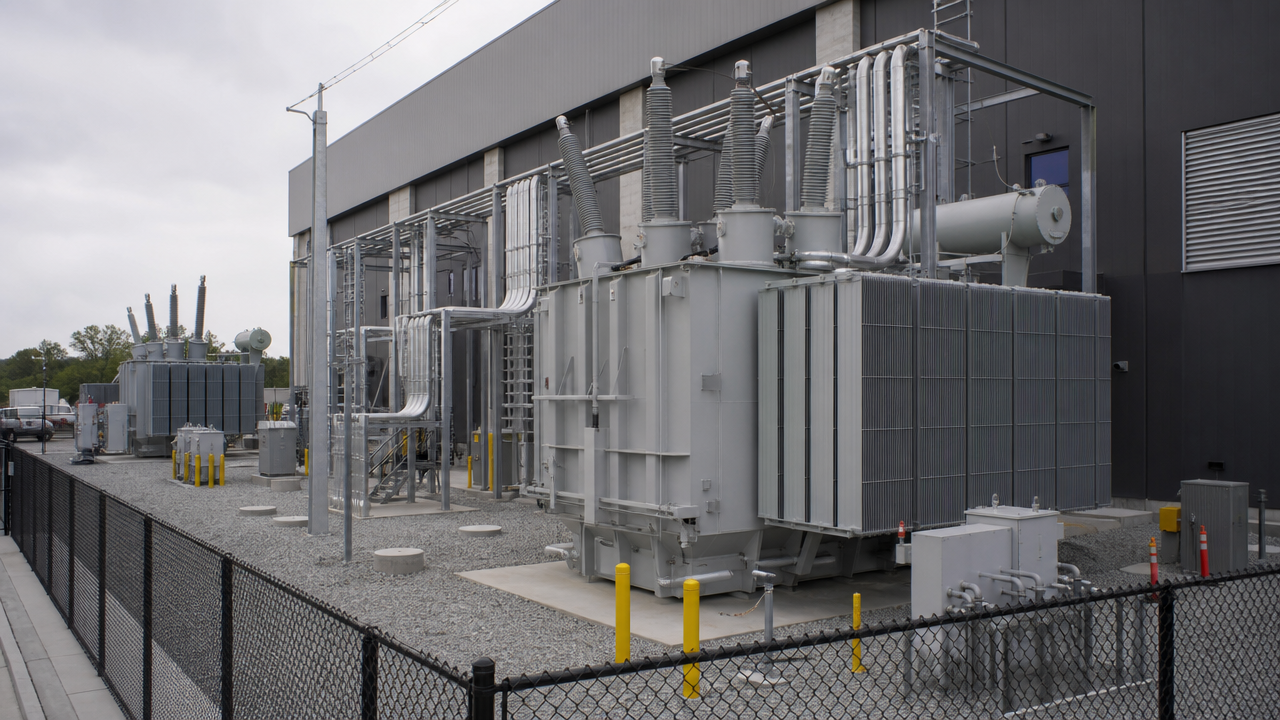
The power question also changes market structure. Large companies can use balance sheets and long-term purchase agreements to lock in capacity. Smaller labs may rely on clouds, colocation partners or regional infrastructure deals. That can widen the gap between frontier labs and everyone else.
Governments are paying attention because the same infrastructure that supports AI also touches households, factories and public services. Communities want to know whether new AI loads will raise rates, strain reserves or force expensive grid upgrades.
For companies, the communications challenge is to explain why AI capacity deserves local resources. Promising future innovation may not be enough. Communities will ask about jobs, taxes, water, noise, power reliability and whether the benefits stay local.
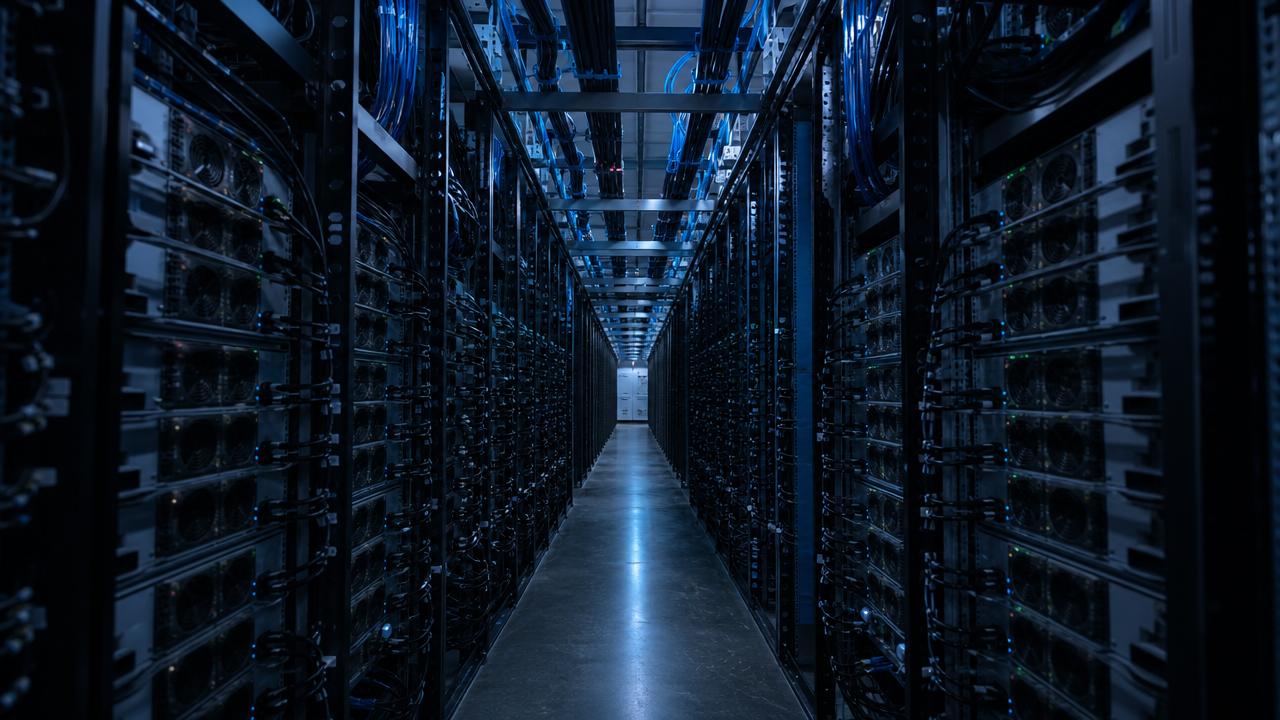
The next phase of AI competition may look less like a software benchmark race and more like industrial planning. The companies that treat energy as a strategic input will move faster than those that treat it as a utility bill.
In the frontier model market, intelligence is built in data centers. Data centers are built on power. That makes power procurement part of the model stack.
Topics: AI infrastructure, power procurement, data centers, model companies