Technology
Google and Blackstone Launch TPU Data Center Venture—Infrastructure Race Intensifies as Compute Becomes Competitive Advantage
Google and Blackstone announced a joint venture to build data centers optimized for Google's TPU chips. The partnership represents a strategic shift toward vertically integrated AI infrastructure, allowing Google to compete directly with cloud providers and secure dedicated capacity for its own frontier models while generating revenue from enterprise customers.
By Leo W ·

Google and Blackstone Launch TPU Data Center Venture—Infrastructure Race Intensifies as Compute Becomes Competitive Advantage
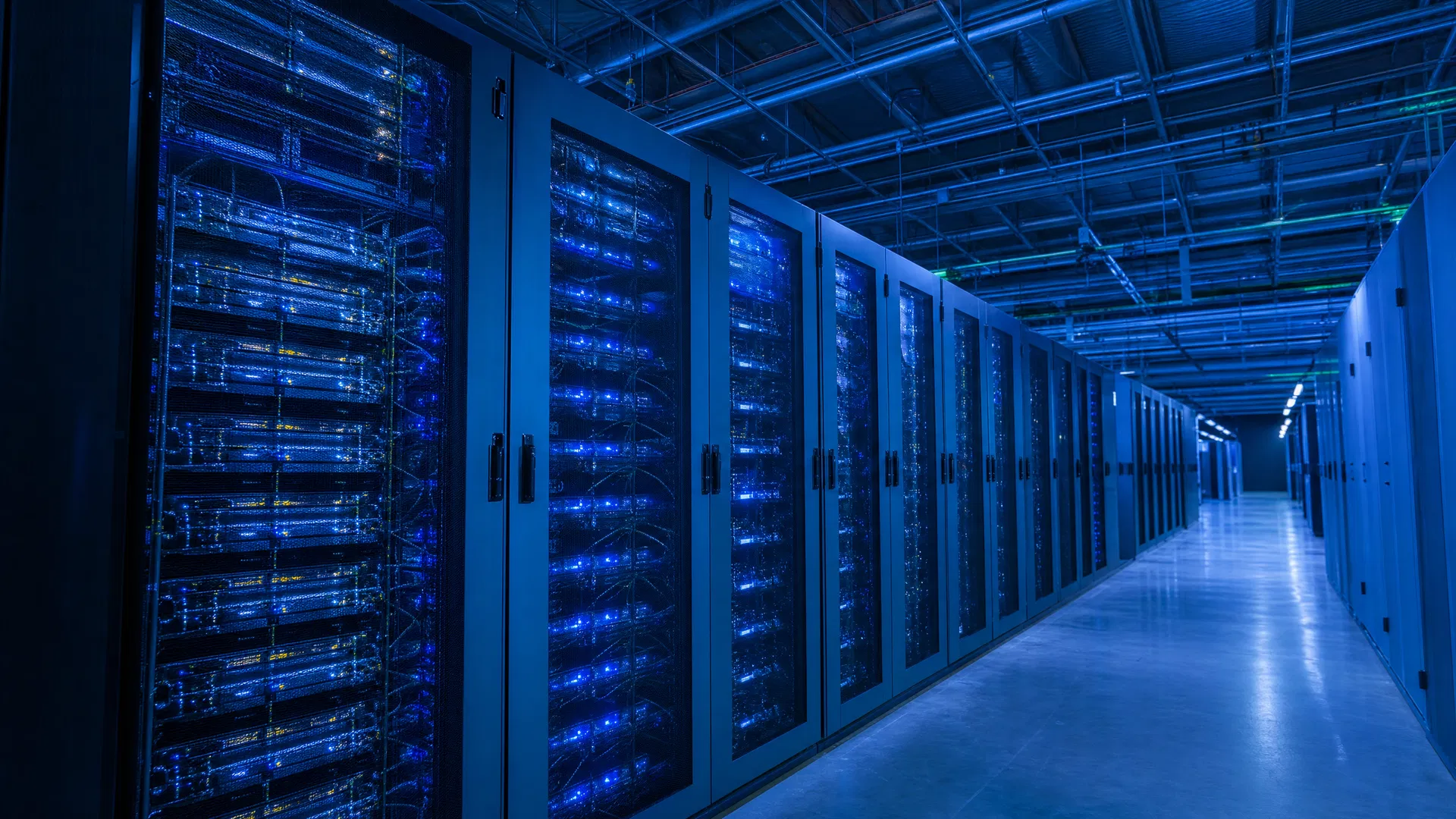
Google and Blackstone announced a joint venture to build and operate data centers optimized for Google's TPU chips. The partnership represents a strategic shift toward vertically integrated AI infrastructure, allowing Google to compete directly with cloud providers and secure dedicated capacity for its own frontier models while generating revenue from enterprise customers. The venture is expected to deploy multiple data centers over the next 18 months, with a focus on regions with abundant renewable energy and low latency to major population centers.
The Google-Blackstone partnership is significant because it represents a new model for AI infrastructure development. Rather than relying on cloud providers like AWS or Microsoft Azure to provide compute capacity, Google is building its own infrastructure and opening it up to enterprise customers. This allows Google to maintain control over its infrastructure costs, ensure dedicated capacity for its own models, and generate revenue from enterprise customers willing to pay premium prices for access to Google's TPU chips and infrastructure.
The Strategic Rationale: Why Google Needs Its Own Infrastructure
Google's decision to build its own data centers reflects several strategic considerations. First, the company's massive AI infrastructure needs are straining the capacity of existing cloud providers. By building its own infrastructure, Google can ensure that it has dedicated capacity for its own models and does not have to compete with other customers for resources. Second, Google's TPU chips are optimized for Google's specific workloads and are not easily adapted to other use cases. By building data centers optimized for TPUs, Google can maximize the performance and efficiency of its infrastructure.
Third, the Google-Blackstone partnership allows Google to generate revenue from enterprise customers willing to pay premium prices for access to Google's infrastructure and chips. This creates a new revenue stream for Google and allows the company to monetize its infrastructure investments. Additionally, by opening its infrastructure to enterprise customers, Google gains insight into how customers are using its chips and models, which can inform product development and help Google maintain its competitive advantage.
The Competitive Implications: A New Model for AI Infrastructure
The Google-Blackstone partnership represents a new model for AI infrastructure development that could be replicated by other companies. Rather than relying on cloud providers, companies with significant AI infrastructure needs are building their own data centers and opening them up to customers. This could accelerate the shift toward vertically integrated AI infrastructure and create new competitive dynamics in the cloud computing market.
For cloud providers like AWS and Microsoft Azure, the Google-Blackstone partnership represents a competitive threat. If major AI companies build their own infrastructure, cloud providers could lose significant revenue from AI workloads. However, cloud providers also have advantages, including established relationships with enterprise customers, proven operational expertise, and the ability to offer a broad range of services beyond compute. This suggests that the market will likely bifurcate, with some customers using cloud providers and others using vertically integrated infrastructure from companies like Google.
Renewable Energy and Sustainability: A Key Differentiator
The Google-Blackstone partnership is expected to prioritize renewable energy and sustainability. Google has committed to operating on 100% renewable energy by 2030, and the partnership reflects this commitment. By building data centers in regions with abundant renewable energy, Google can reduce the environmental impact of its AI infrastructure while also potentially reducing costs through lower energy prices.
The focus on renewable energy is also a strategic differentiator. As enterprises become increasingly concerned about the environmental impact of AI, they may prefer to use infrastructure providers that prioritize sustainability. By building data centers powered by renewable energy, Google can differentiate itself from competitors and attract enterprise customers that value sustainability. The long-term implications of this trend are significant: if major AI companies build their own infrastructure, the cloud computing market could become more fragmented, creating new competitive dynamics that reshape the entire technology industry.