Technology
Starcloud raises $250 million for orbital data centers as launch capacity tightens
The startup is betting on putting computing infrastructure into orbit, but faces mounting obstacles including heat rejection, radiation shielding, and a constrained launch market. The $250 million funding round signals investor appetite for the concept even as fundamental technical and economic questions remain unresolved.
By Elvin C ·
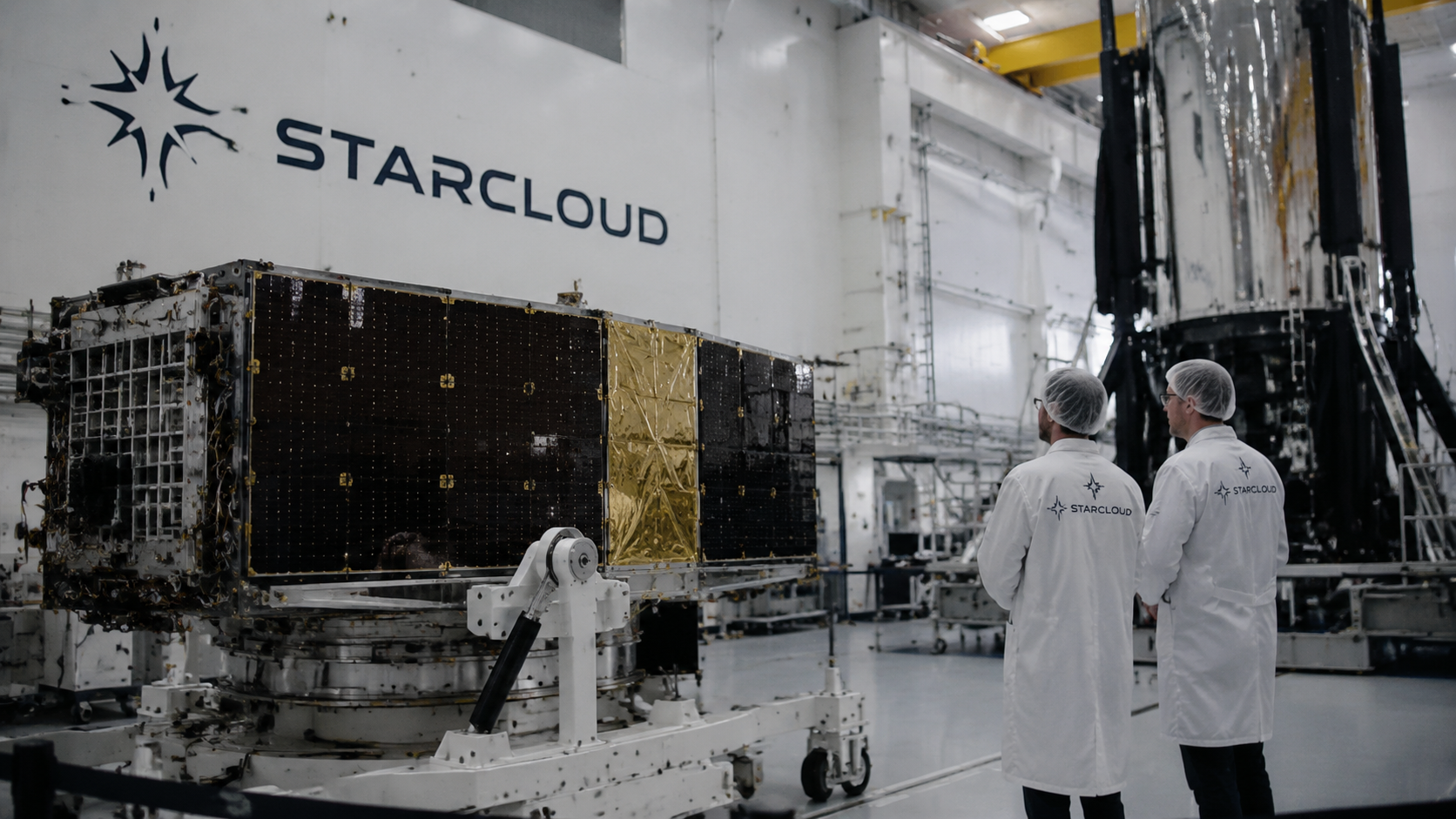
Starcloud has secured $250 million in funding to develop orbital data centers, according to a TechCrunch report, marking a significant capital commitment to an industry that exists largely as engineering proposal rather than operational reality. The funding underscores genuine interest from venture investors in moving computational workloads beyond Earth's surface, but also exposes the venture community's appetite for capital-intensive bets on unproven infrastructure at a moment when launch capacity itself has become scarce and expensive.
The basic premise is straightforward: place servers in orbit to reduce latency for latency-sensitive applications and to exploit the cooling advantages of the space environment. Starcloud's pitch centers on serving enterprise AI and other computational workloads that benefit from proximity to satellite networks or that demand extremely low latency. The company has not disclosed detailed technical specifications, pricing models, or customer commitments, which is typical for private infrastructure companies at this stage. TechCrunch report documents the reporting behind this account.
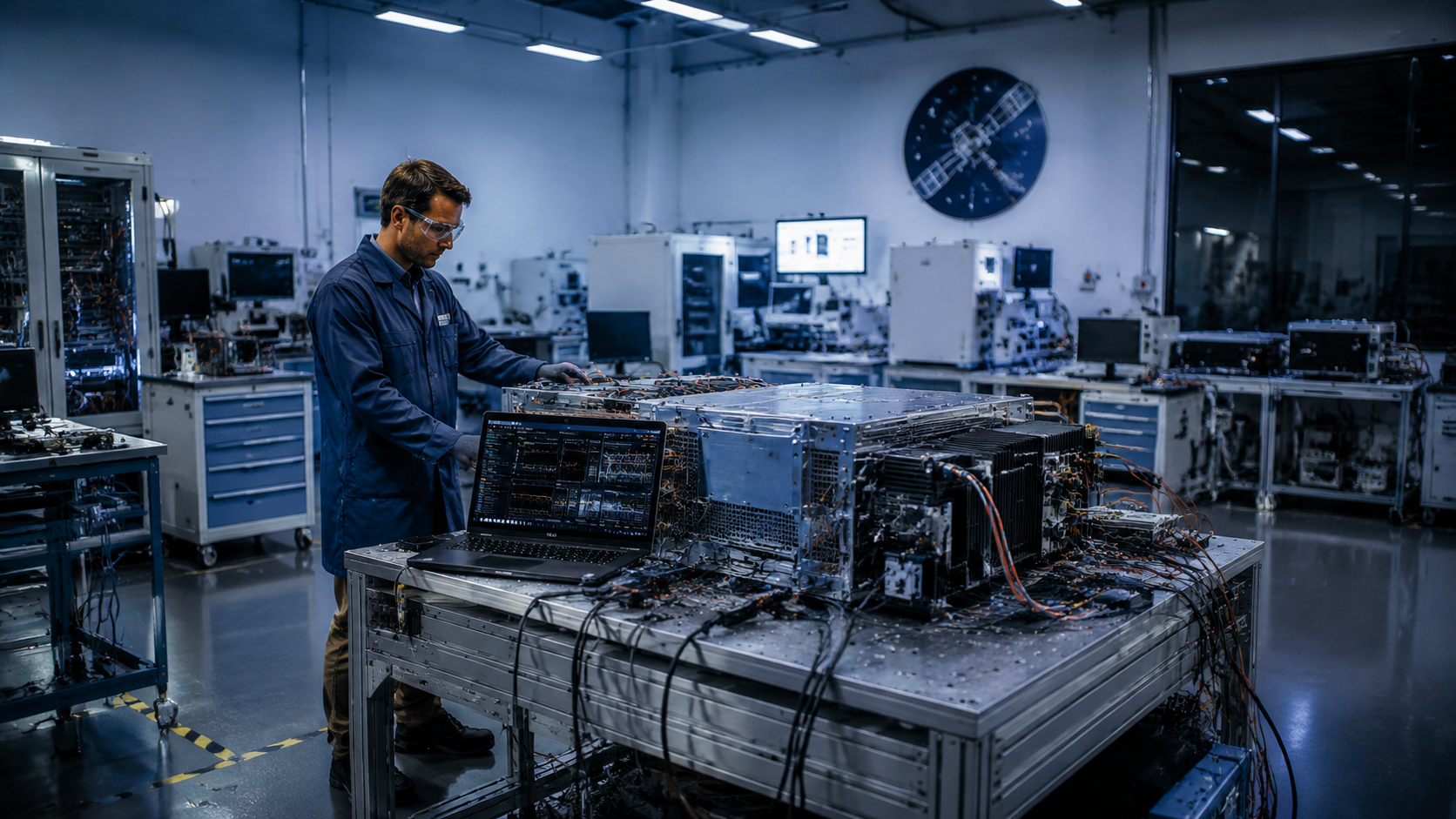
What is not straightforward is the execution. Orbital data centers face a constellation of unresolved problems. Heat rejection in vacuum differs fundamentally from terrestrial cooling, requiring specialized radiator designs that add mass and complexity. Radiation exposure degrades semiconductor performance over time, a problem that no amount of shielding fully solves. Maintenance and repairs become logistically nightmarish once equipment is in orbit. Networking architecture between orbital servers, ground infrastructure, and user endpoints introduces latency trade-offs that may negate theoretical advantages. The economics of launch costs versus marginal capacity gains remain unclear, particularly as launch providers face growing demand and limited cadence.
The Launch Bottleneck
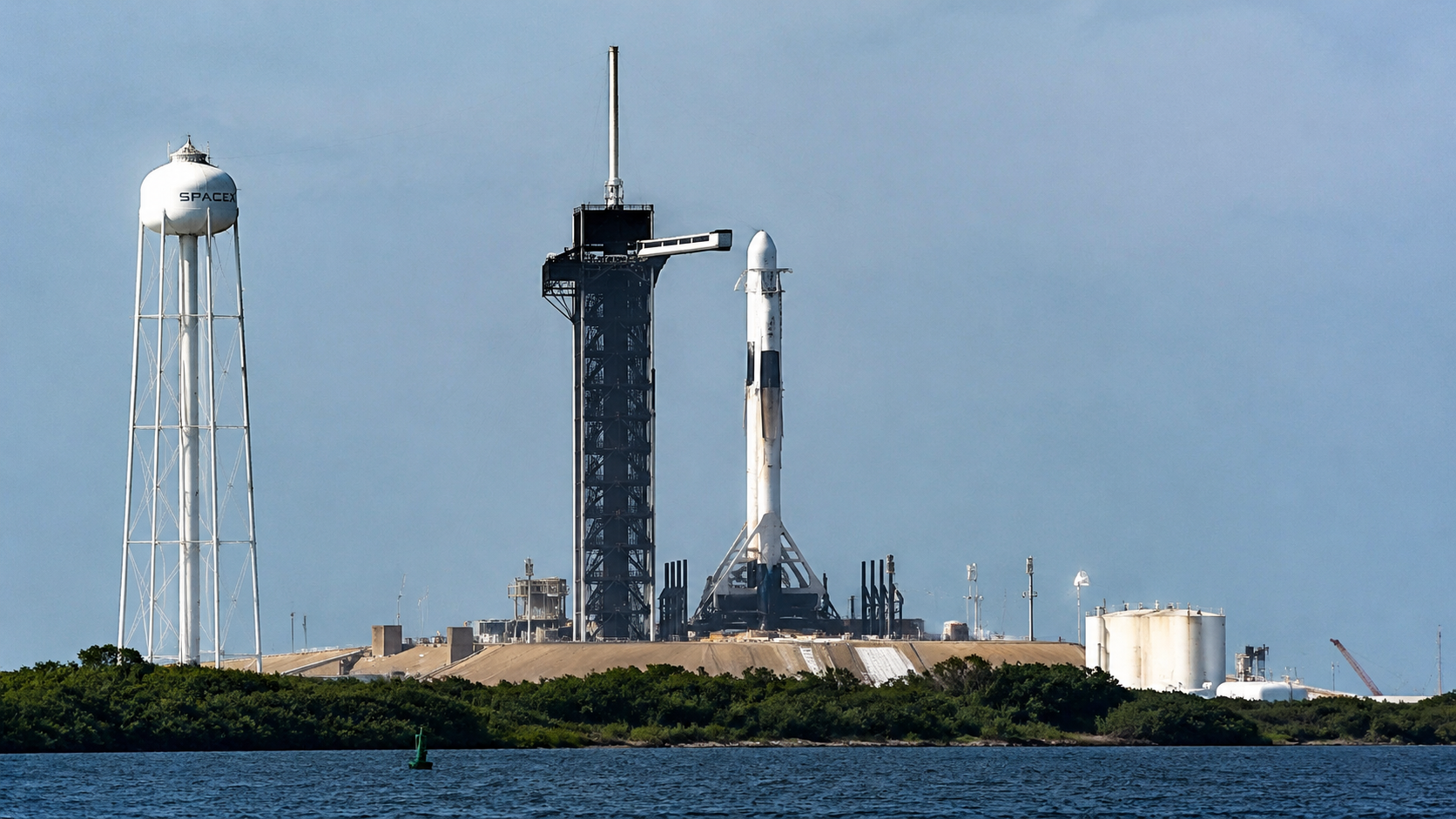
Timing matters here. The funding round arrives as the commercial launch market faces genuine supply constraints. SpaceX's Falcon 9 cadence has improved substantially, but demand from satellite constellations, government missions, and now speculative infrastructure startups has compressed available slots. Smaller launch providers remain unreliable or grounded. This creates a peculiar dynamic: Starcloud is raising a quarter billion dollars precisely when the fundamental input to its business, launch capacity, has become a bottleneck rather than a commodity. That suggests either exceptional confidence in future launch availability or a venture market willing to fund infrastructure plays regardless of upstream dependencies.
The orbital debris problem, though, cuts deeper than launch logistics. Orbital data centers would occupy slots in increasingly crowded orbital regions. They would require active deorbiting or long-term station keeping, adding to operational costs and space sustainability concerns. The international community has begun drafting guidelines around orbital debris, but enforcement remains weak and incentives misaligned. A Starcloud satellite that fails in orbit becomes someone else's problem, a classic externality that regulators have not yet priced into the system.
Capital Intensity and Competitive Durability
Consider the capital structure. $250 million sounds substantial until broken down across orbital deployment, ground infrastructure, launch contracts, and operational overhead. A single launch can cost $50 to $100 million or more. Redundancy, which any serious data center operation requires, multiplies that cost. Add ground stations, network connectivity, and personnel, and the money depletes quickly. This capital intensity creates a high barrier to survival, but it also creates competitive advantage for well-funded operators. The space sustainability framework that regulators are establishing will add further constraints and costs, though pricing remains unclear.
The competitive landscape remains nascent. A few other startups have signaled interest in orbital infrastructure, but none have deployed commercial capacity at scale. That lack of precedent cuts both ways. It means Starcloud faces no entrenched competitor, but it also means the company will operate without a proven business model. The venture capital flowing into the sector suggests investors believe one of these bets will work, but also that most will not.
The enterprise AI boom provides near-term tailwind. Companies desperate for compute capacity are exploring unconventional options. Starcloud is positioning itself as a solution for edge AI inference and for applications where latency measured in single-digit milliseconds unlocks value. Whether that value proposition survives customer negotiations and actual deployment benchmarks remains open. The cloud computing markets reward proven performance at predictable cost. Starcloud offers neither yet.
The Long View
For investors, the Starcloud funding represents a bet on long-term infrastructure commoditization. Launch costs have fallen dramatically and may fall further. Radiation-hardened semiconductors continue to improve. Heat management in space is a solved problem in principle, even if implementation remains engineering-intensive. Over a decade or two, orbital data centers might become as mundane as terrestrial hyperscaler facilities. The question is whether Starcloud's capital, technical team, and timing align with that transition. History suggests the answer is unpredictable. Many infrastructure innovations that seemed inevitable in hindsight took longer than anyone forecast, or took paths through different companies than early investors expected. What is certain is that the $250 million will be spent on real engineering, real launch costs, and real operations. If Starcloud deploys even a modest amount of orbital capacity, it will generate data on thermal performance, radiation effects, maintenance logistics, and customer demand. That data becomes valuable whether the company succeeds or fails, seeding knowledge that competitors will exploit. The venture market is, in effect, funding exploratory investment in a technology infrastructure that may outlast any individual company. For Starcloud, though, success requires moving faster and cheaper than that infrastructure development curve, a challenge that capital alone cannot guarantee. The final point can be checked against cloud computing.
Topics: space technology, data centers, venture capital, orbital infrastructure, launch economics