Technology
Nvidia Guarantees Up To $105 Billion For OpenAI’s Ohio Data Center
OpenAI has signed a 20-year lease for an eight-gigawatt Ohio data-center campus built by SB Energy, with Nvidia guaranteeing as much as $105 billion in lease and power obligations. The structure shows how AI suppliers are absorbing customer risk to keep compute construction moving.
By Patrick T ·
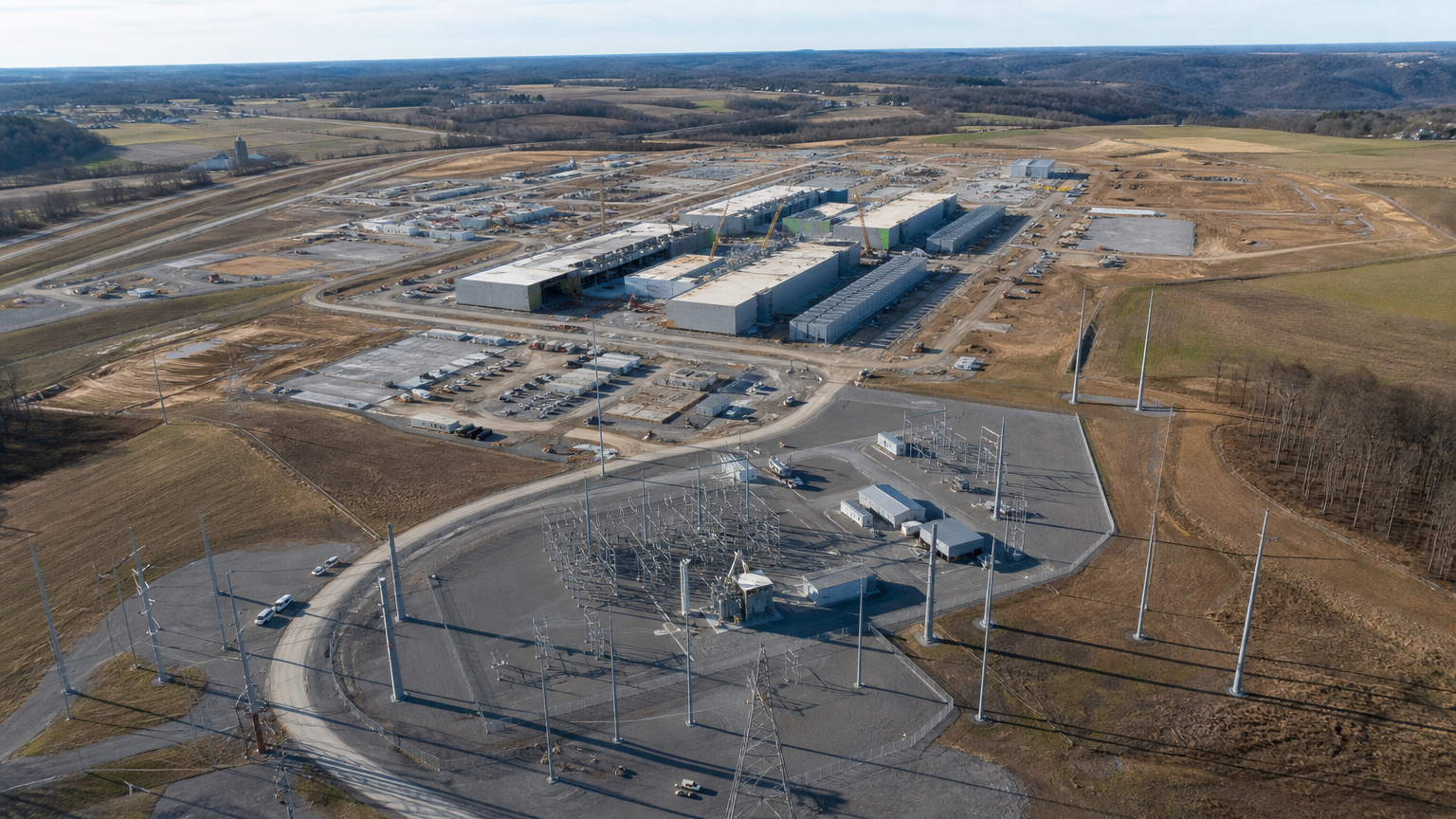
Nvidia has agreed to guarantee up to $105 billion in lease and power obligations behind an enormous OpenAI data-center campus in Ohio, putting the chipmaker's balance sheet directly behind the infrastructure that will buy its hardware. OpenAI has signed a 20-year lease for the project, which SB Energy plans to build with as much as eight gigawatts of computing capacity and 10 gigawatts of new generation.
Initial capacity is expected from 2028. The project spans private land and federal property associated with a former uranium-enrichment site in southern Ohio. Its announced scale is difficult to compare with an ordinary data center because eight gigawatts is closer to a regional power system than a conventional technology campus.
The guarantee is the more important part of the transaction. Nvidia is not merely selling accelerators to a customer that independently arranged a building. It is helping support the payment obligations that make the building financeable. That arrangement can accelerate construction, but it joins the fortunes of supplier, customer, developer and power provider in a single chain.
Nvidia chief executive Jensen Huang has rejected the suggestion that the deal is circular. The concern does not require a claim of improper accounting. It is a credit question. If the ultimate customer cannot absorb the capacity on expected terms, risk can travel back through lease guarantees and infrastructure contracts to the same supplier whose revenue depended on the project.
The AI Factory Now Comes With Project Finance
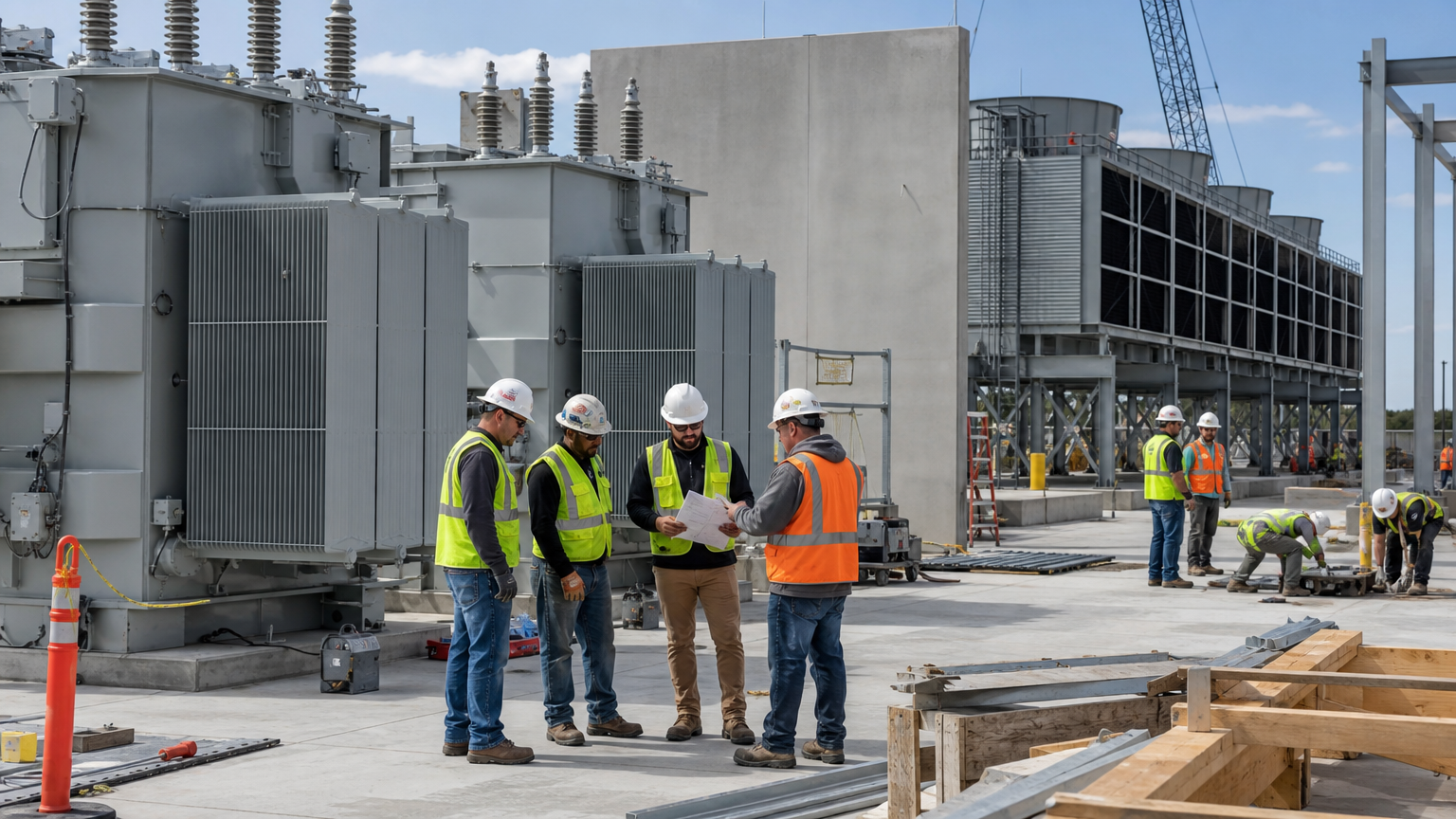
Data-center development has always involved long leases, power agreements and specialized financing. Frontier AI changes the size and concentration of those commitments. Training clusters require huge blocks of capacity, while model companies often lack the public balance sheets of established cloud providers. A developer needs confidence that rent and power will be paid for decades even though the tenant's technology changes every few months.
A supplier guarantee helps bridge that mismatch. Nvidia has strong cash generation and a direct interest in ensuring that projects containing its systems reach completion. The developer gains a more credible backstop. OpenAI gains access to capacity without owning every part of the physical project. Nvidia gains a route for future chip shipments.
The structure also changes how investors should read hardware demand. A purchase supported by supplier capital or guarantees may still reflect real customer need, but it is not identical to an order funded entirely by the buyer. Analysts will need to separate revenue growth from the credit exposure required to produce it.
The same scrutiny applies to utilization. A campus can be fully leased and still underused if workloads arrive slowly, energy is constrained or new models require different hardware. OpenAI will have to fill capacity with training, inference and customer services at a pace that supports the lease. Nvidia will need future systems to be compatible with a site designed years earlier.
The companies already have a broader strategic partnership under which Nvidia intends to invest progressively as OpenAI deploys large amounts of Nvidia infrastructure. That agreement placed compute at the center of OpenAI's growth plan. The Ohio guarantee extends the relationship from chips and equity into long-duration project obligations.
Technology refresh creates another operational challenge. Accelerators age much faster than buildings, substations and gas turbines. A 20-year site must support several hardware generations, changing cooling requirements and denser racks. The value of the campus depends on whether its power and mechanical systems can be upgraded without prolonged downtime.
Power Is The Longest Lead-Time Component
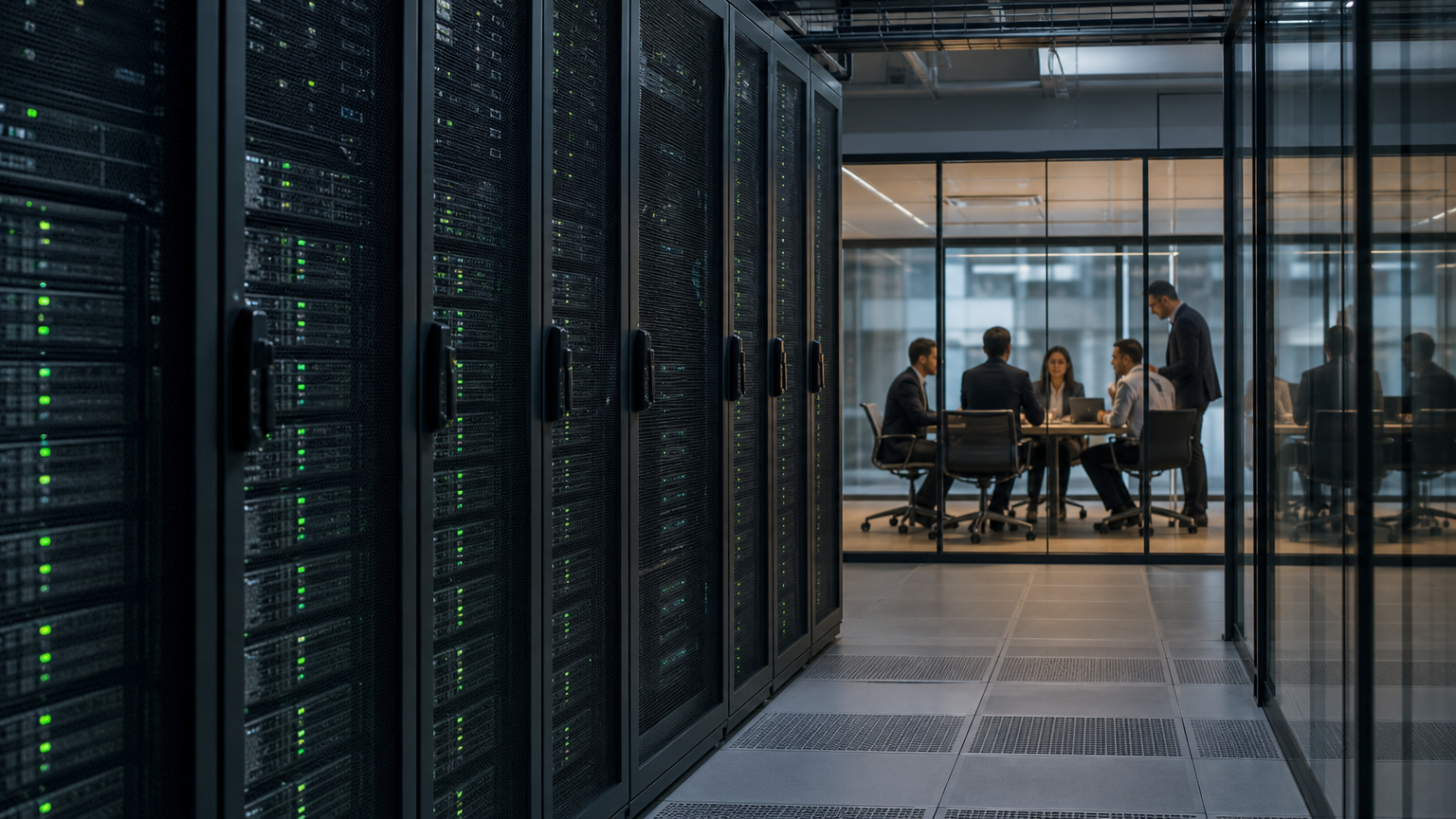
The plan calls for 10 gigawatts of new generation, including substantial gas-fired capacity. That may allow construction to move faster than waiting for ordinary grid interconnection, but it creates fuel, permitting and emissions questions. The project will need pipelines, water, transmission, backup systems and a credible plan for operating when equipment fails or demand shifts.
Promised employment also deserves context. OpenAI said the project could create 35,000 construction jobs and 2,500 permanent operating positions. Construction employment can be significant during a multiyear build, while the permanent workforce is small compared with the capital deployed. Local governments must weigh tax revenue and infrastructure investment against public costs and long-term land use.
The federal site adds a symbolic layer. Land associated with the nuclear era is being repurposed for a compute program framed as strategic national infrastructure. The comparison is not merely rhetorical. Both sectors involve concentrated technical capability, complex safety obligations and government interest in who controls the supply chain.
Communities will focus on practical effects: electricity prices, water demand, air quality, construction traffic and whether promised economic benefits reach nearby residents. A project of this scale cannot be governed solely through agreements among technology companies. State agencies, utilities and local officials will shape the schedule, while regional reliability planning will have to account for both the load and the new generation.
The Department of Energy has emphasized the need to expand generation and grid capacity as data-center demand rises. National policy may support faster construction, but reliability standards do not disappear. Ten gigawatts of new load and generation can affect regional planning even when much of the campus operates behind the meter.
Water is equally site-specific. Advanced cooling can reduce withdrawals, shift consumption or increase electricity use depending on design. OpenAI and SB Energy should publish expected water intensity, source availability and operating plans for drought conditions before final buildout, not after the campus reaches scale.
A Bet On Demand That Must Last Decades
The transaction assumes that demand for OpenAI services will remain high enough to support an infrastructure commitment extending into the 2040s. Models will become more efficient during that period, but lower costs may increase total use. The central uncertainty is whether demand expands faster than efficiency reduces compute required per task.
Competition makes the calculation harder. Anthropic, Google, Meta and Chinese model developers are all improving capability and price. Enterprises can route work among providers. OpenAI may fill the Ohio campus while losing share if the overall market grows rapidly, or it may face underutilization if customers shift to cheaper systems and demand grows more slowly.
Nvidia is hedging through its position across the industry. It supplies many competing labs and clouds. Yet a $105 billion guarantee is large enough that one project deserves separate risk analysis. Shareholders will want disclosure about conditions, collateral, duration and the circumstances under which payments could be required.
The Securities and Exchange Commission filing cited in reporting provides the legal outline, but the economic exposure will become clearer as phases are financed and equipment orders are placed. Investors should watch guarantee utilization, not only the maximum headline amount.
Ohio turns the AI infrastructure boom into a test of institutional endurance. The project has to survive model cycles, hardware replacements, power-market changes, local politics and the credit quality of companies that are still private. If it works, it will show how suppliers can finance the physical scale frontier AI requires. If it struggles, the same contracts that accelerated construction will reveal where the industry's risk was stored.
Topics: Nvidia, OpenAI, Ohio, data centers, SB Energy