Technology
Nvidia's Physical-AI Thesis Points To The Hidden Robotics Supplier Boom
Nvidia's robotics strategy suggests the near-term physical-AI winners may be suppliers of sensors, actuators, edge compute, integration, and safety systems rather than humanoid brands alone.
By Michael G ·
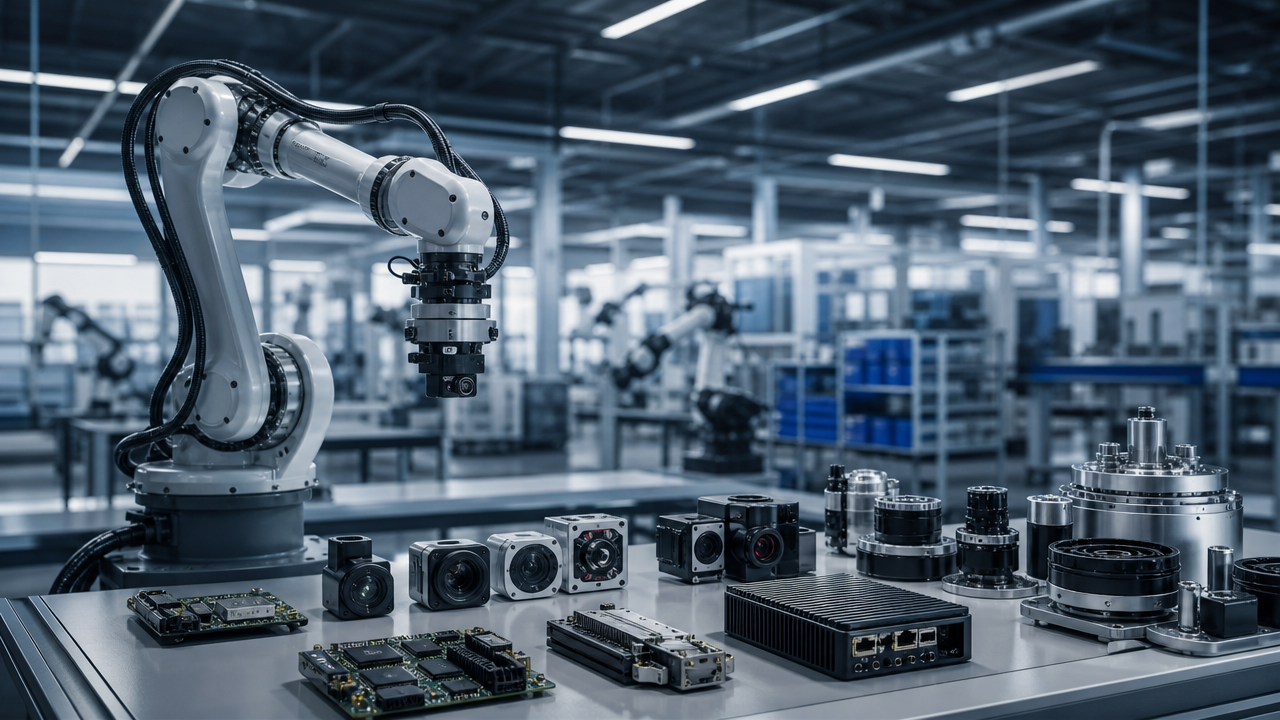
Nvidia's physical-AI thesis is pushing investors to look past humanoid demos and toward the supplier stack that makes robots deployable. The near-term robotics opportunity may sit in sensors, actuators, simulation, edge compute, integration, safety systems, and industrial automation.
That is a more grounded story than the idea that humanoids suddenly enter every home. Factories, warehouses, vehicles, inspection systems, and autonomous machines already buy robotics components. Physical AI adds intelligence, but it still needs the same industrial base.
The Platform Layer Comes First
Nvidia's advantage is not that it wants to build every robot. It wants to supply the compute, simulation, software, and safety layers that many robot companies need. That platform position can benefit from the robotics boom without betting on one body design.
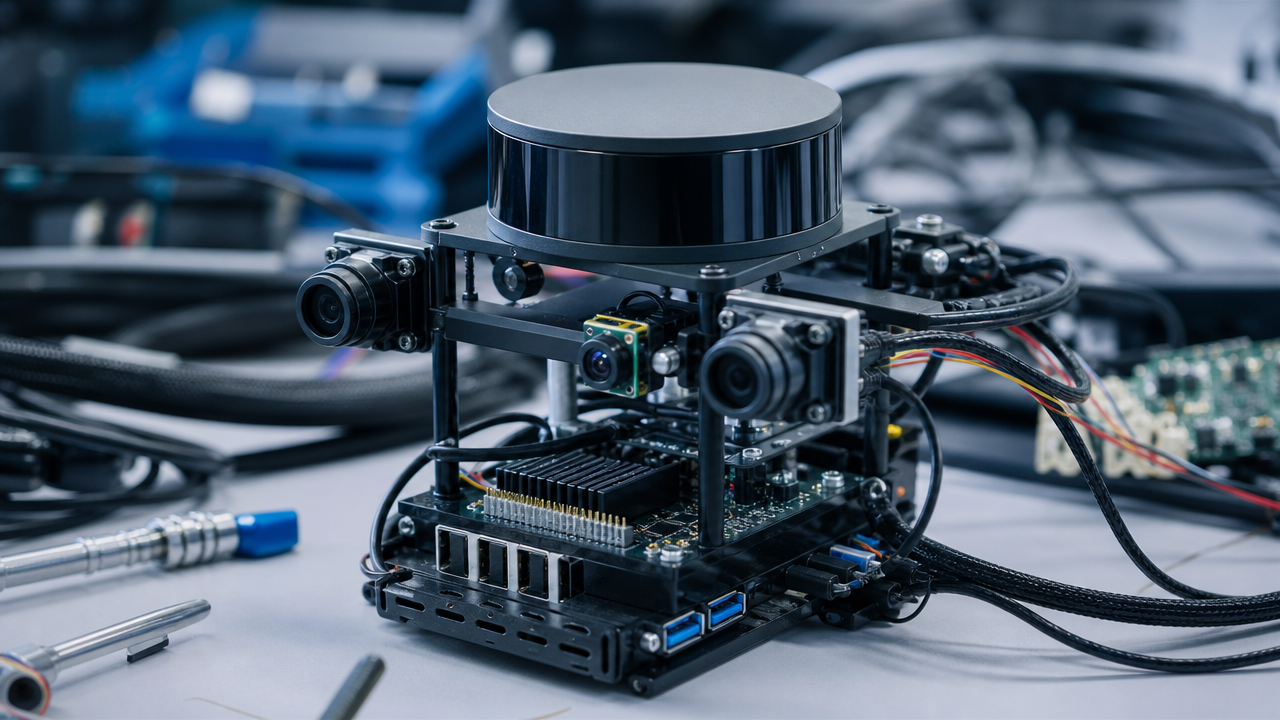
The supplier thesis also explains why actuators matter. If actuators represent a large share of humanoid cost, then companies that improve torque density, reliability, heat management, and manufacturability can become strategically important even if consumers never know their names.
Industrial Robotics Is The First Market
The first durable revenue is likely in industrial robotics, factory automation, autonomous vehicles, and inspection systems. These markets already have budgets, safety processes, maintenance teams, and measurable productivity targets. They are better suited to early physical AI than open-ended home deployment.
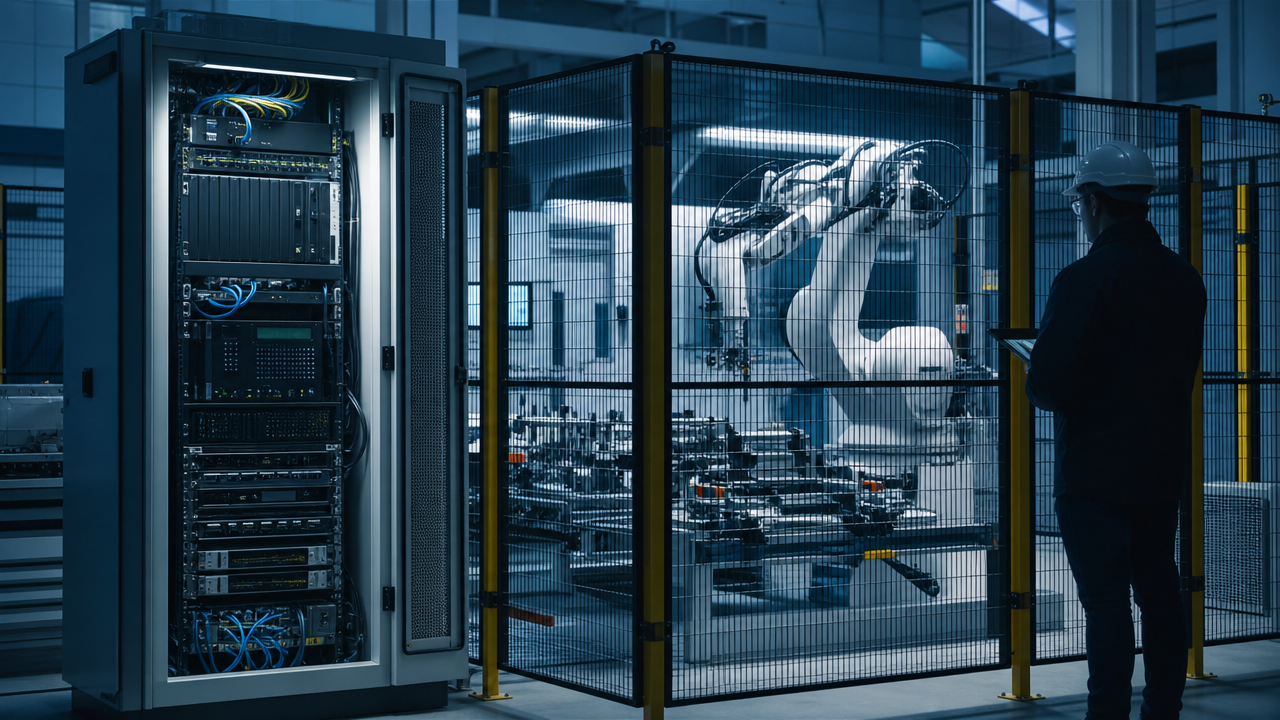
There are risks. Robotics hardware cycles are slower than software cycles, and supply chains depend on rare-earth magnets, precision manufacturing, safety certification, and customer integration. The market can grow while individual robot startups still struggle.
Topics: Nvidia, physical AI, robotics suppliers, edge compute