Technology
Reflection Nebius Deal Shows Open-Model Labs Are Buying Compute Before They Sell Scale
Reflection AI's reported $1 billion compute agreement with Nebius underlines how open-weight model developers need cloud capacity, Nvidia chips and infrastructure commitments long before their business models are settled.
By Michael G ·

Reflection AI has added another large compute commitment to the balance-sheet logic of open-model competition. TechCrunch reported that the U.S. startup signed a $1 billion compute deal with European infrastructure company Nebius, giving Reflection access to Nvidia's latest chips as it tries to build open-weight models that can compete with closed frontier labs and increasingly capable Chinese releases.
The agreement matters because it shows that open-weight does not mean low-capital. Releasing model weights can reduce customer lock-in and accelerate developer adoption, but training and serving competitive systems still requires expensive GPU clusters, networking, storage, power and engineering operations. Reflection has already raised billions and was recently valued at about $25 billion pre-money, according to TechCrunch. A $1 billion compute contract makes the ambition visible in infrastructure terms.
Nebius is not a neutral footnote. The company was spun out of Yandex and has been positioning itself as a major AI infrastructure supplier. TechCrunch noted that Nebius signed a five-year infrastructure deal with Meta worth up to $27 billion after securing a $2 billion investment from Nvidia, and last year signed a multi-year Microsoft agreement worth up to $19.4 billion. Reflection is plugging into a supplier that is already trying to become one of the alternative cloud layers for AI demand.

The strategic backdrop is the open-model surge. Developers have become more interested in open weights as governments pressure closed labs over access and as Chinese models gain share on platforms such as Hugging Face, OpenRouter and Vercel. Reflection is trying to occupy a U.S.-based open-model position: more transparent and controllable than a closed API, but backed by enough capital and compute to stay near the frontier.
That is a difficult lane. Open models face scrutiny because once weights are released, providers cannot pull back capability the way an API company can. They also face a business-model problem because customers that value control may also want to self-host, fine-tune and avoid vendor dependence. Reflection needs compute to train models, but it also needs commercial channels that turn open distribution into revenue. Infrastructure spend is a necessary condition, not proof of a durable company.
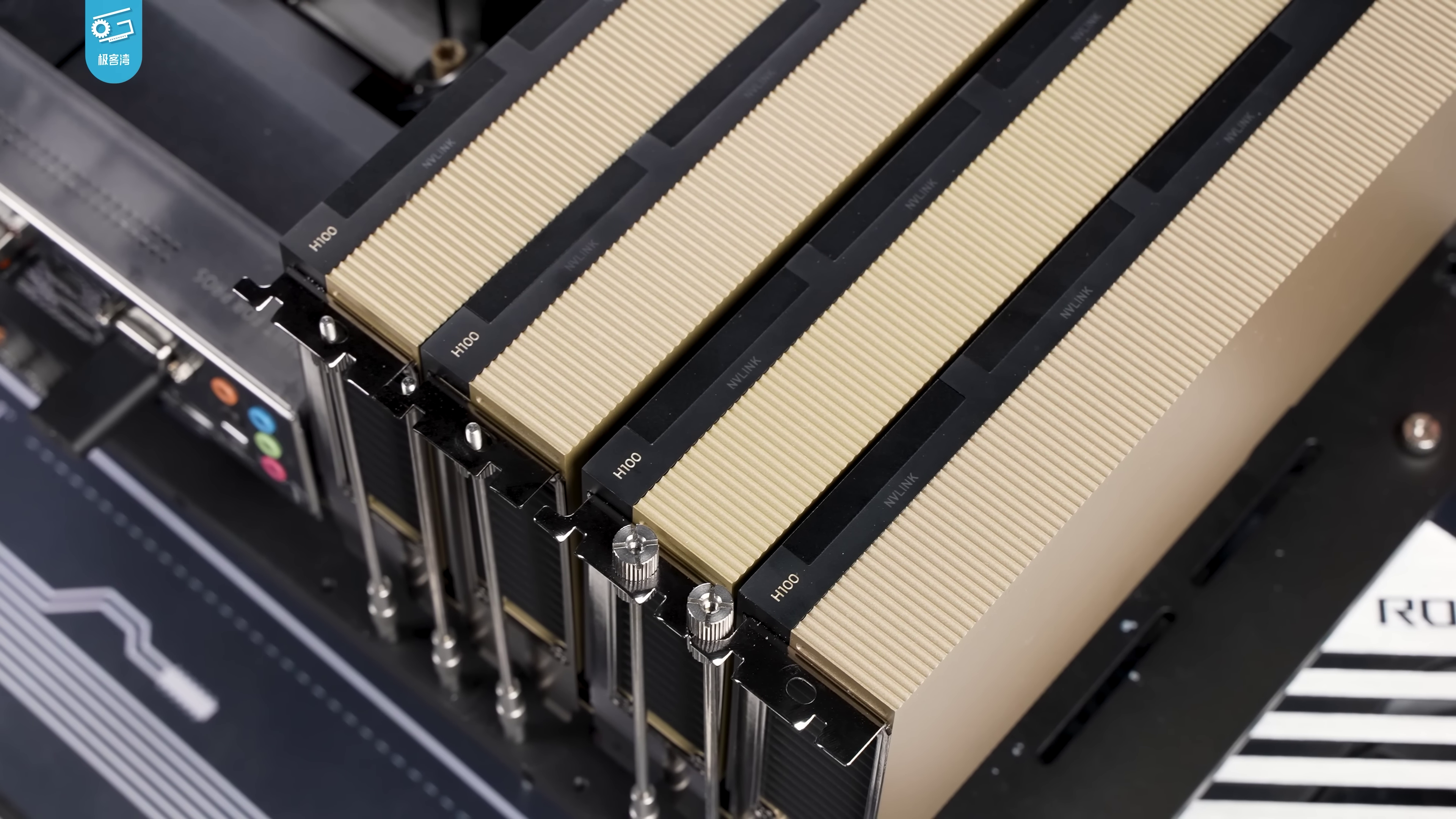
The hardware layer remains unforgiving. Nvidia GPUs, particularly H100-class accelerators and newer systems, still define much of the supply constraint for AI training and inference. A lab without reliable access to chips cannot promise developers a serious road map. A lab that commits too aggressively can be trapped by utilization risk if demand does not arrive fast enough. Compute deals therefore operate like both insurance and debt: they secure capacity and create pressure to monetize it.
The European dimension also matters. AI infrastructure has become part of sovereignty strategy, and companies outside the dominant U.S. cloud platforms are trying to capture demand from labs that want more negotiating leverage. Nebius benefits when the market believes the AI compute shortage will last. Reflection benefits if it can tell customers and investors that its open-model ambitions are backed by real capacity rather than aspirational road maps.
For enterprises, the signal is that the model market is fragmenting beneath the surface. The public conversation often centers on the top closed models. The operational market increasingly includes open-weight alternatives, regional compute providers, routing platforms and private deployments. Reflection's Nebius deal is one more sign that the race is not only about who has the smartest model. It is about who can assemble the capital, chips and distribution to keep a model useful after release.
Topics: Reflection AI, Nebius, AI compute, open models