Technology
Jensen Huang Unveils Vera Rubin AI Platform at Computex 2026 — Nvidia Bets $150B on Taiwan as AI Epicenter
Nvidia CEO Jensen Huang kicked off Computex 2026 in Taipei with a keynote on the Vera Rubin AI computing platform and Vera CPU, announcing $150 billion in annual investment in Taiwan and positioning the island as the epicenter of the global AI revolution.
By Patrick T ·
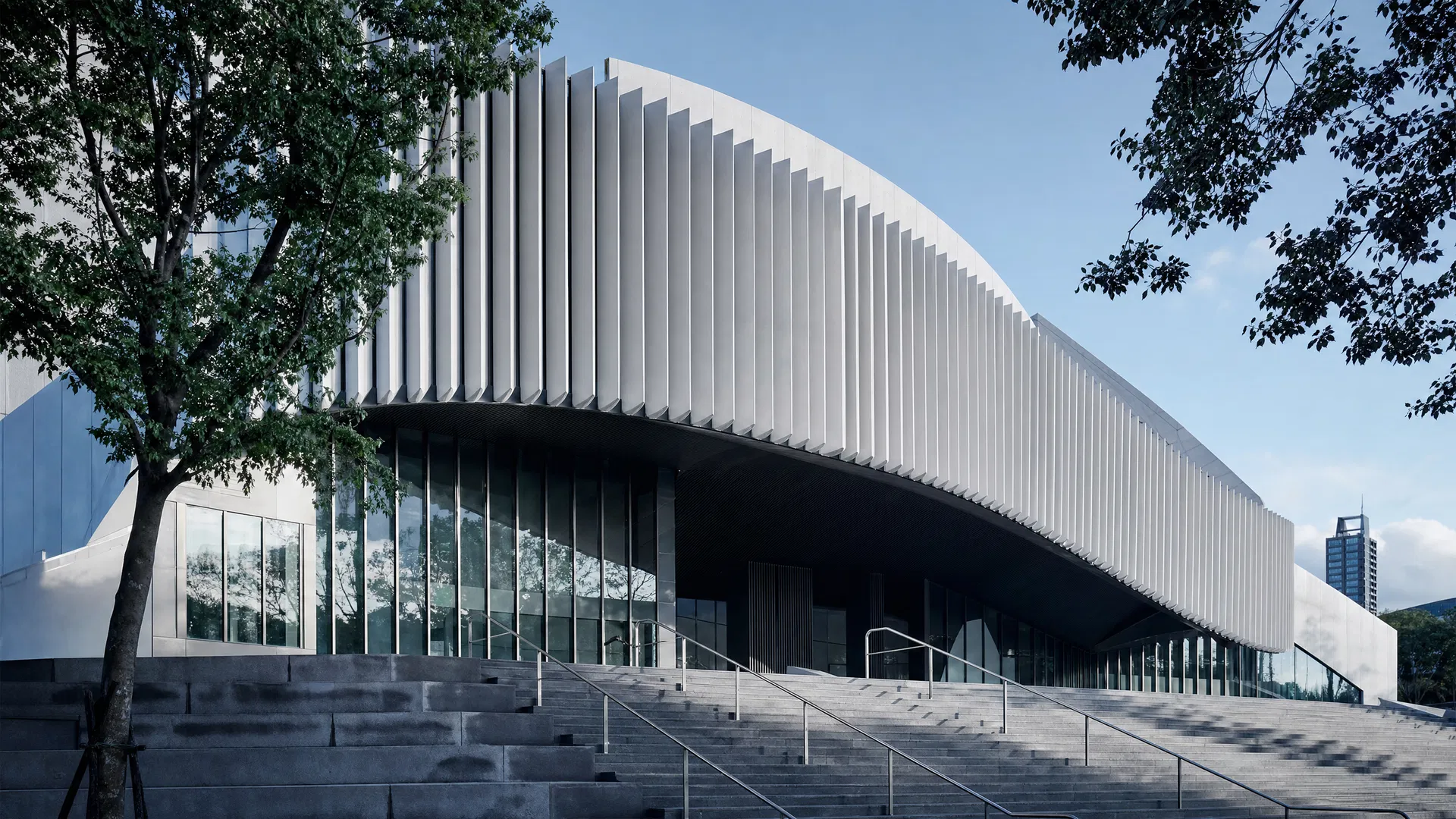
Jensen Huang, the CEO of Nvidia, delivered a keynote address at Computex 2026 in Taipei on June 1, 2026, that reinforced the company's commitment to Taiwan as the epicenter of the artificial intelligence revolution. The speech, delivered at the Taipei Music Hall, outlined Nvidia's latest product roadmap and announced plans for $150 billion in annual investment in Taiwan — a staggering commitment that underscores the strategic importance of the island to global AI infrastructure.
Huang, who was born in Taiwan's southern city of Tainan, has become a cultural icon in the country, and his appearance at Computex carries symbolic weight beyond the technical announcements. The keynote focused on Nvidia's newest data center products, particularly the Vera Rubin AI computing platform and the Vera central processing unit (CPU), both designed to accelerate AI workloads at scale.
The Vera Rubin Platform and CPU Architecture
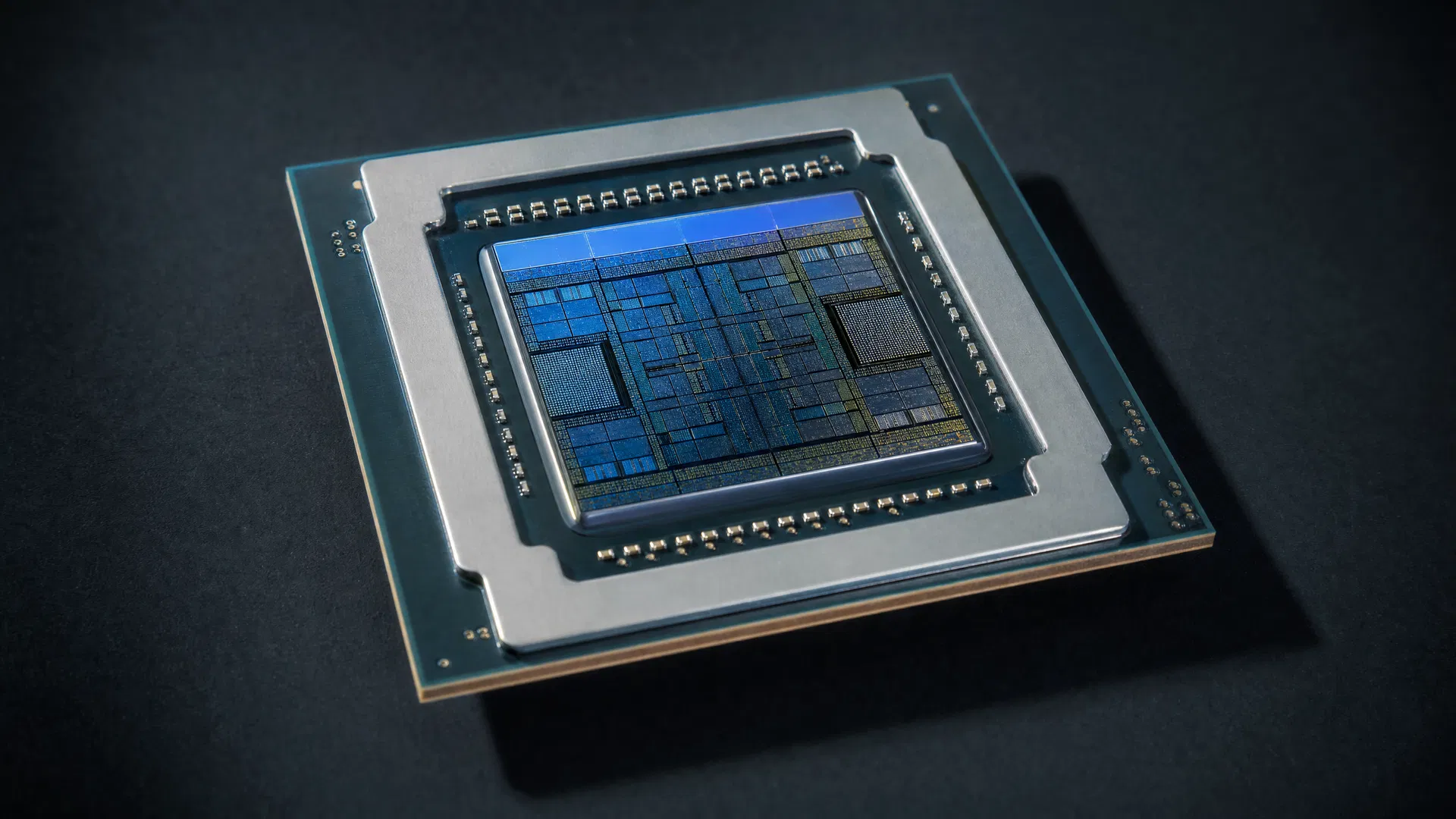
The Vera Rubin platform represents Nvidia's latest evolution in data center AI infrastructure. The system is designed to handle the computational demands of frontier AI models, offering significant improvements in throughput, latency, and energy efficiency compared to previous generations. The Vera CPU, built on advanced semiconductor architecture, complements the platform by providing optimized compute for AI inference and training workloads.
The announcement comes at a critical moment in the AI infrastructure race. As AI models grow larger and more complex, the demand for specialized hardware has intensified. Nvidia's dominance in this space — with over 80% of the AI accelerator market — has made the company indispensable to AI development globally. However, competition is increasing, with AMD, Intel, and custom silicon efforts from major cloud providers all vying for market share.
Taiwan's Strategic Role in AI Infrastructure
Taiwan's importance to the AI infrastructure stack cannot be overstated. The island is home to Taiwan Semiconductor Manufacturing Company (TSMC), which manufactures the vast majority of advanced semiconductors used in AI systems. Nvidia's announcement of a $150 billion annual investment in Taiwan is not merely a financial commitment — it is a strategic positioning of the company as a long-term stakeholder in Taiwan's technological future.
The investment will support the construction of Nvidia's new Taiwan headquarters, scheduled to be operational by 2030. This facility will bring Nvidia closer to TSMC and other key suppliers, reducing supply chain friction and enabling tighter integration between chip design and manufacturing. For Taiwan, the investment represents a vote of confidence in the island's role as the global hub for semiconductor manufacturing and AI infrastructure development.
Robotics and Autonomous Driving Focus
Beyond data center products, Huang emphasized Nvidia's efforts in robotics and autonomous driving. These markets represent the next frontier for AI deployment, moving from cloud-based inference to edge computing and real-time decision-making. Nvidia's platform strategy — providing both the hardware and software stack for these applications — positions the company to capture significant value as these markets mature.
The competitive landscape in AI chips is intensifying, but Nvidia's ecosystem advantages — including CUDA software compatibility, developer mindshare, and supply chain relationships — remain formidable. The Vera Rubin announcement signals that Nvidia is not resting on its laurels, but rather accelerating innovation to maintain its market leadership as AI infrastructure becomes increasingly critical to global competitiveness.
For investors and industry observers, Huang's keynote at Computex 2026 reinforced a critical narrative: Taiwan is not just a manufacturing hub, but the strategic center of the AI revolution. Nvidia's $150 billion commitment is a bet that this will remain true for decades to come.