Technology
Jensen Huang Joins Trump's China Trip as Nvidia Seeks H200 Export Clearance
Nvidia's CEO travels to Beijing with the US trade delegation as the company seeks approval to sell H200 chips to 10 Chinese firms, with an estimated $50 billion market at stake.
By Patrick T ·
Jensen Huang, Nvidia's chief executive, joined President Trump's trade delegation to Beijing this week in an unusual move that underscores the stakes of the US-China technology relationship for the world's most valuable semiconductor company. Huang's presence in the delegation signals Nvidia's intent to use the diplomatic opening to advance its case for expanded chip sales to China, a market that generated approximately $17 billion in revenue for the company in 2024 before export controls sharply curtailed access.
The H200 Question
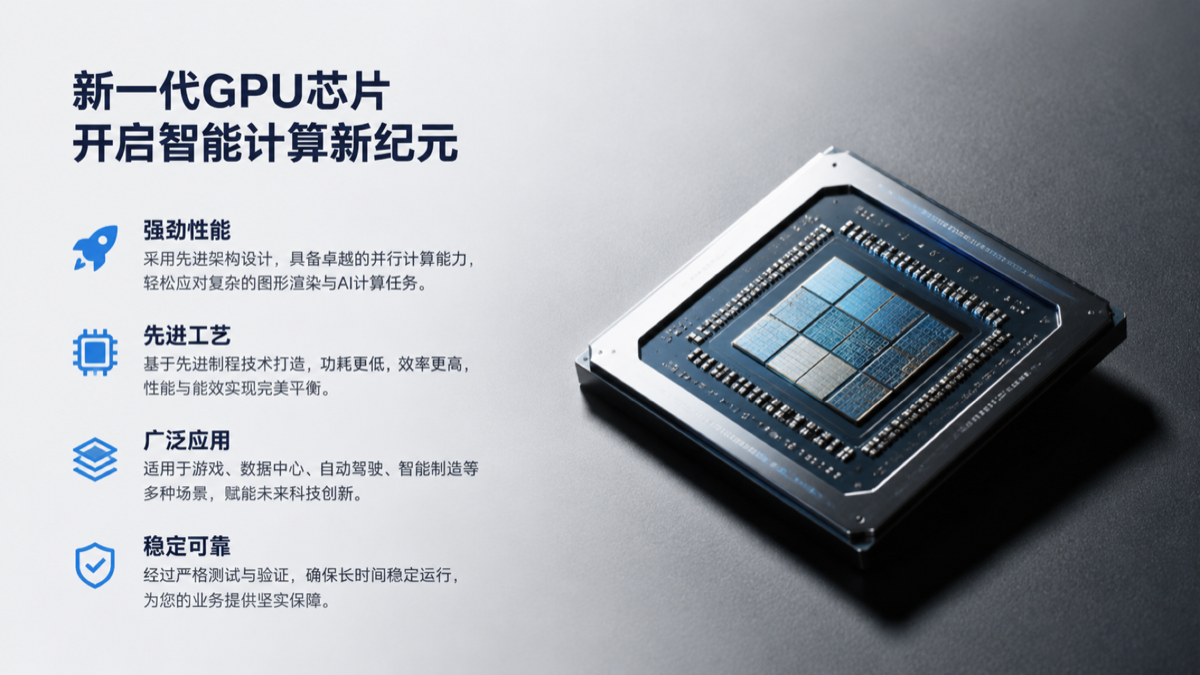
At the centre of Nvidia's lobbying effort is the H200, a high-performance AI chip that sits below the threshold of the most restricted H100 and B100 series but remains subject to export licence requirements for sales to China. The Commerce Department has approved H200 sales to 10 Chinese companies, but the licences have not yet been activated and no deliveries have been made. Nvidia estimates the addressable market for H200 chips in China at approximately $50 billion over the next three years.
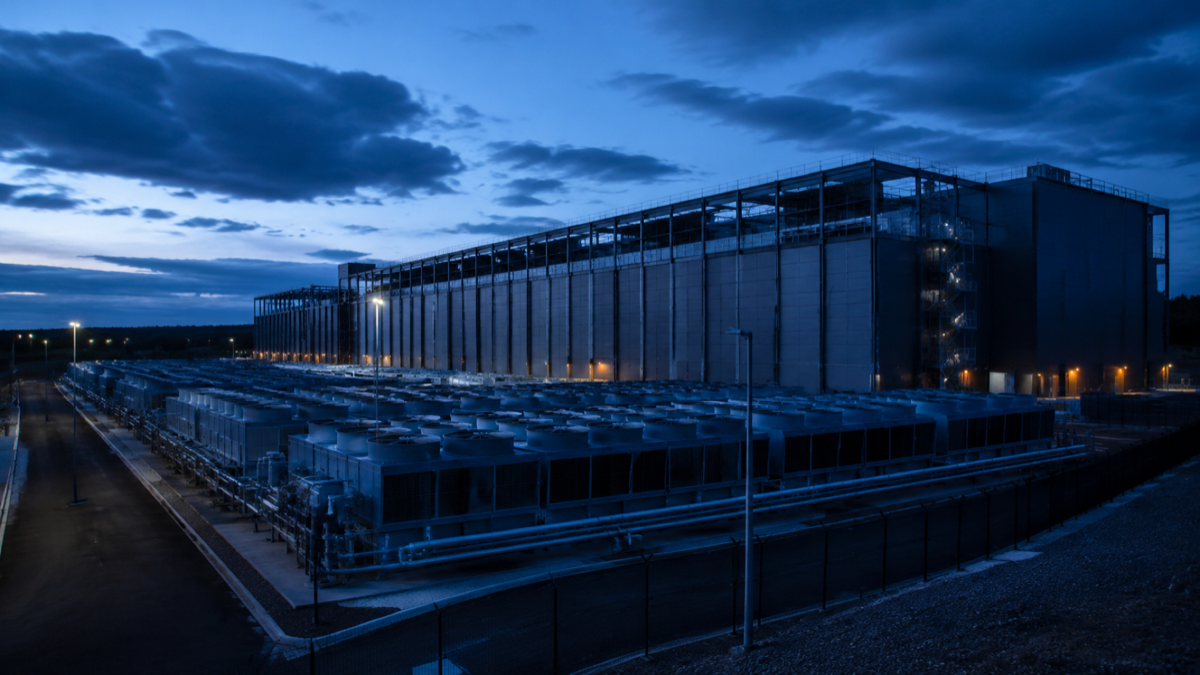
The 10 approved companies include a mix of state-owned enterprises and private technology firms. Chinese cloud providers Alibaba Cloud, Tencent Cloud, and Baidu AI Cloud are among the approved buyers, along with several companies in the automotive and manufacturing sectors that have significant AI deployment programmes. The approvals were granted on the condition that the chips would not be used for military applications, a condition that is difficult to verify in practice.
The question is not whether China will develop AI capabilities. It will. The question is whether American companies will participate in that development or cede the market to Chinese and other foreign suppliers.
Jensen Huang, Nvidia CEO, remarks to reporters, Beijing, May 2026
The Competitive Pressure
Nvidia's urgency is driven in part by the competitive threat from Huawei, which has developed its own AI chip, the Ascend 910C, as a domestic alternative to Nvidia's products. While the Ascend 910C lags Nvidia's most advanced chips on performance benchmarks, it has been improving rapidly and has secured significant orders from Chinese technology companies that cannot access US chips. If Nvidia is locked out of the Chinese market for an extended period, Huawei's ecosystem will mature and the switching costs for Chinese customers will increase.
The broader context is a US semiconductor industry that is deeply divided on export controls. Companies like Nvidia, Qualcomm, and Intel have argued that restrictions are hurting US companies without meaningfully slowing Chinese AI development, since China can access chips from other sources and is investing heavily in domestic alternatives. National security officials have countered that even a delay in Chinese AI capabilities has strategic value and that the restrictions should be maintained or tightened.
What Happens Next
The outcome of Huang's Beijing visit is unlikely to be a dramatic policy reversal. The export control regime is administered by the Commerce Department and requires interagency review; it cannot be changed by a single diplomatic trip. What the visit can do is signal political will and create momentum for a policy review that could result in expanded licences or modified restrictions over the coming months.
Nvidia's stock has been sensitive to news about China access, and investors will be watching the outcome of the Beijing trip closely. The company's guidance for fiscal year 2027 assumes continued restrictions on China sales, but an easing of the H200 licence process could represent meaningful upside. The $50 billion market estimate is a ceiling, not a floor, and the actual revenue impact would depend on the pace of licence activation and the competitive response from Huawei.