Read new results with evidence and limits attached
Research coverage explains consequential papers in alignment, inference, robotics, scientific discovery and evaluation. The desk describes what researchers actually tested, how the experiment was measured and which claims still depend on replication or broader benchmarks.
This hub is built for readers who want more than an abstract. Reporting connects methods to practical consequences while preserving uncertainty, separating demonstrated gains from extrapolation and linking technical progress to the systems that may adopt it.
Notable Entities
Anthropic Research
Google DeepMind
Stanford
MIT
Nvidia Research
OpenAI
Academic laboratories
Independent evaluators
Current Coverage Themes
Automated alignment and evaluation research
Inference efficiency, caching and encrypted computation
Robot learning across simulation and real environments
Anthropic researchers reported that automated research systems improved model behavior across ten alignment benchmarks without reducing overall performance. The experiment suggests parts of post-training research can be automated, while underscoring that benchmark design still determines what the system learns to optimize.
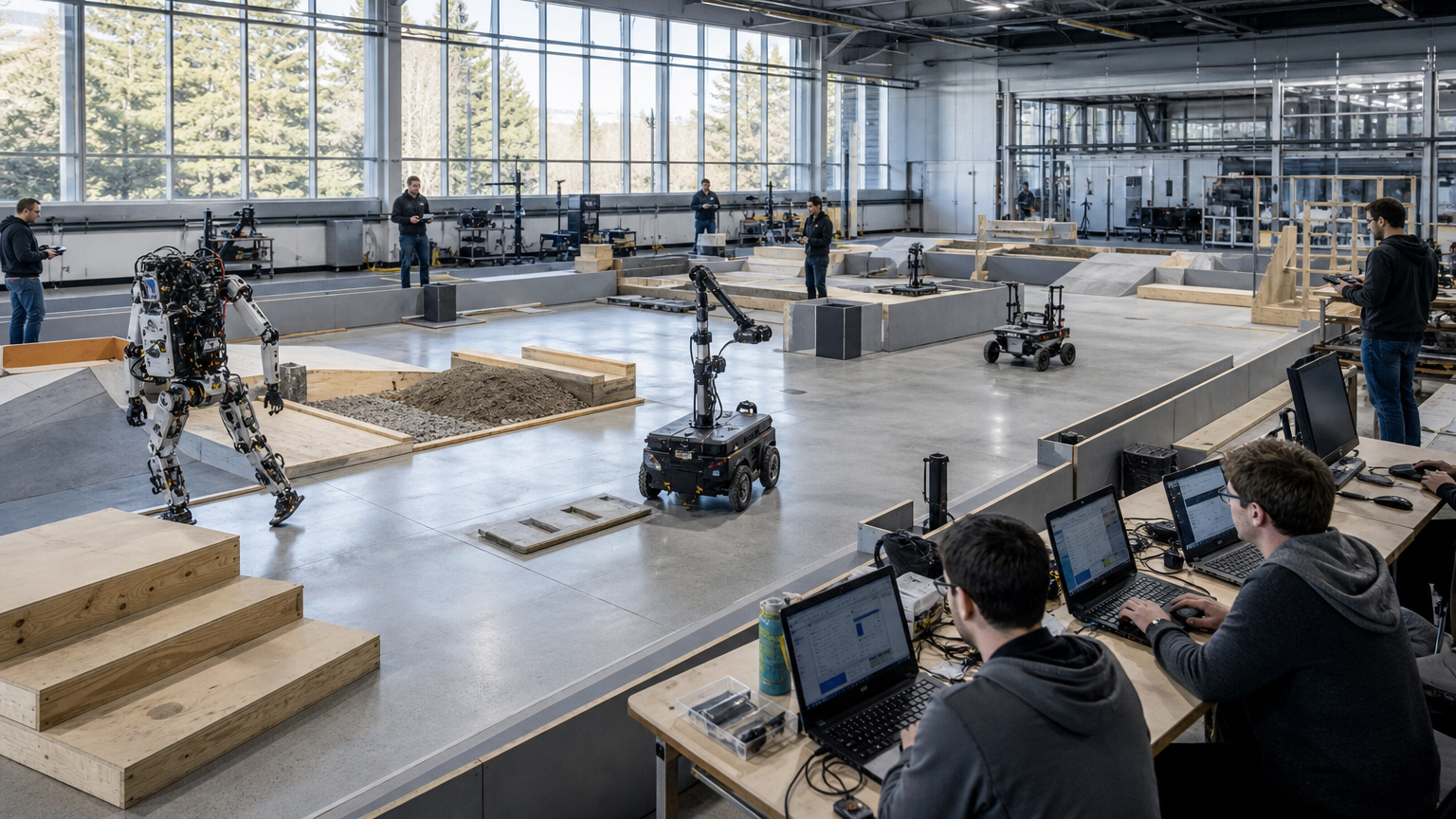
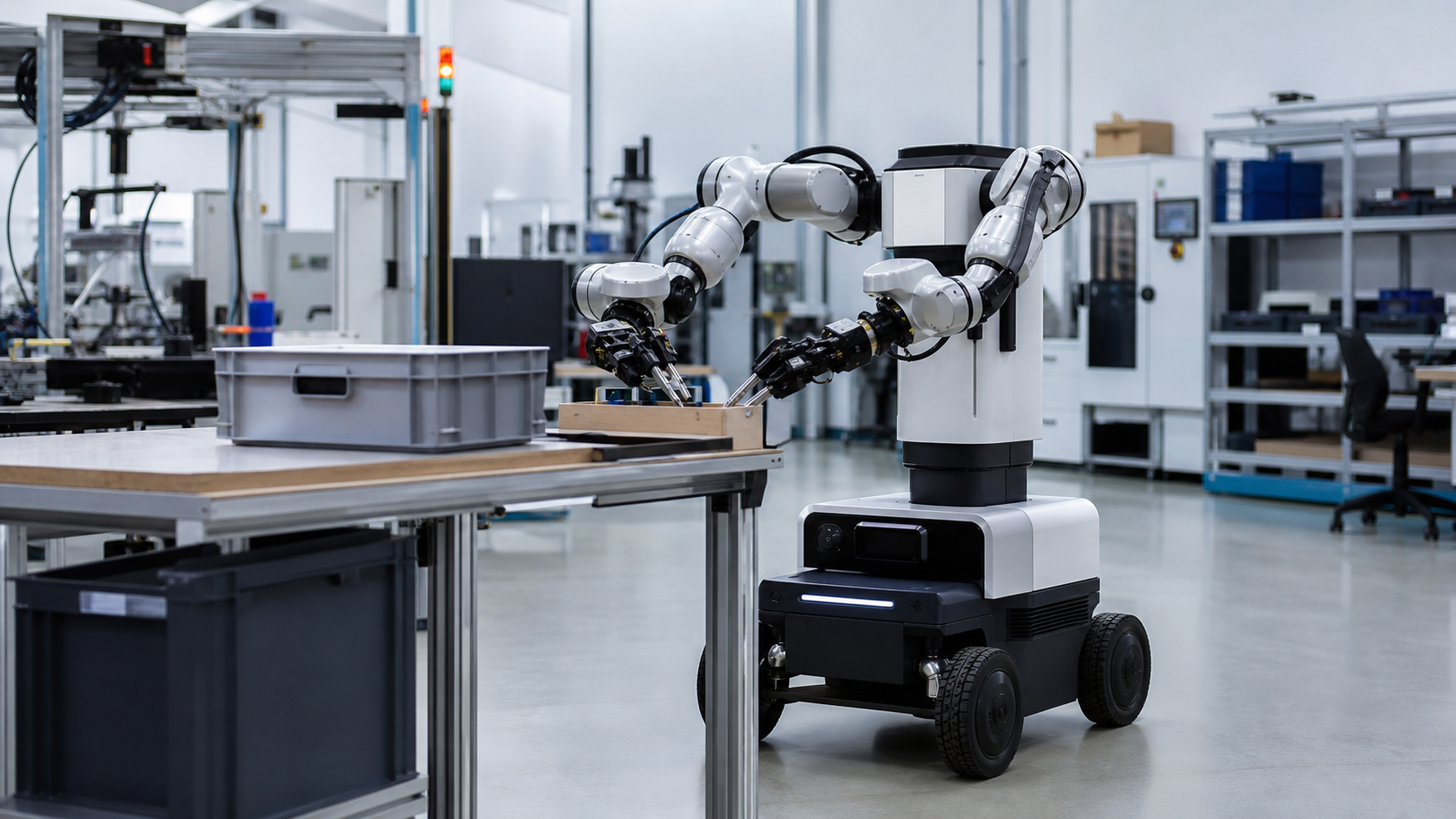
At the Actuate conference, robotics engineers described the field as stuck in a GPT-2-era stage, where abundant enthusiasm masks fundamental gaps in data quality, simulation fidelity, and production reliability. The constraint is not theory but engineering: companies can build robots that work in controlled settings, but scaling to commercial deployment remains blocked by the same bottlenecks that have limited autonomous systems for years.
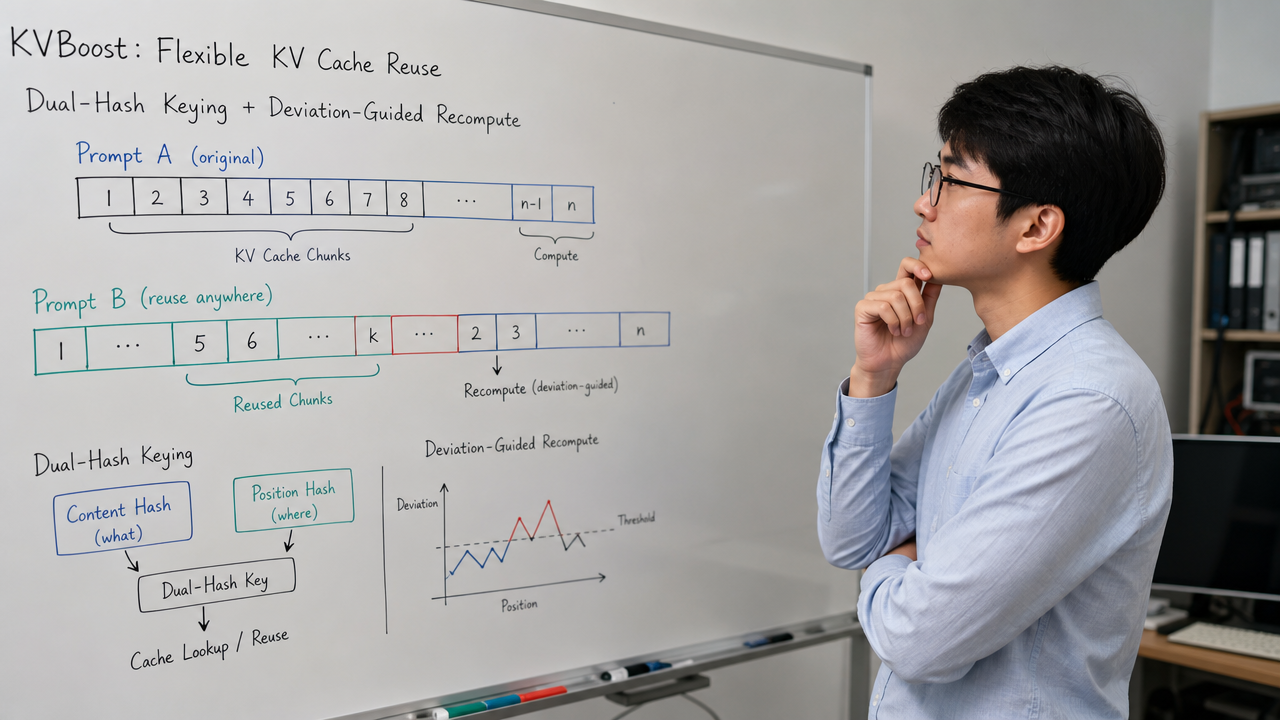
Researchers introduce dual-hash keying to enable key-value cache chunks to be reused anywhere in a prompt, addressing a core inefficiency in large language model inference. The approach couples cache repositioning with deviation-guided recomputation to handle attention boundary mismatches, though independent performance validation remains outstanding.
The partnership aims to bring interpretability and evaluation tools to open models, where transparency creates opportunities that closed systems do not offer.
A new risk model uses longitudinal health records to identify patients who may need closer screening, but clinical value depends on validation and a clear path after an alert.
A study from Georgetown and the University of Washington suggests inaccurate machine summaries can reshape memory, raising stakes for assistants used in education, media and legal work.
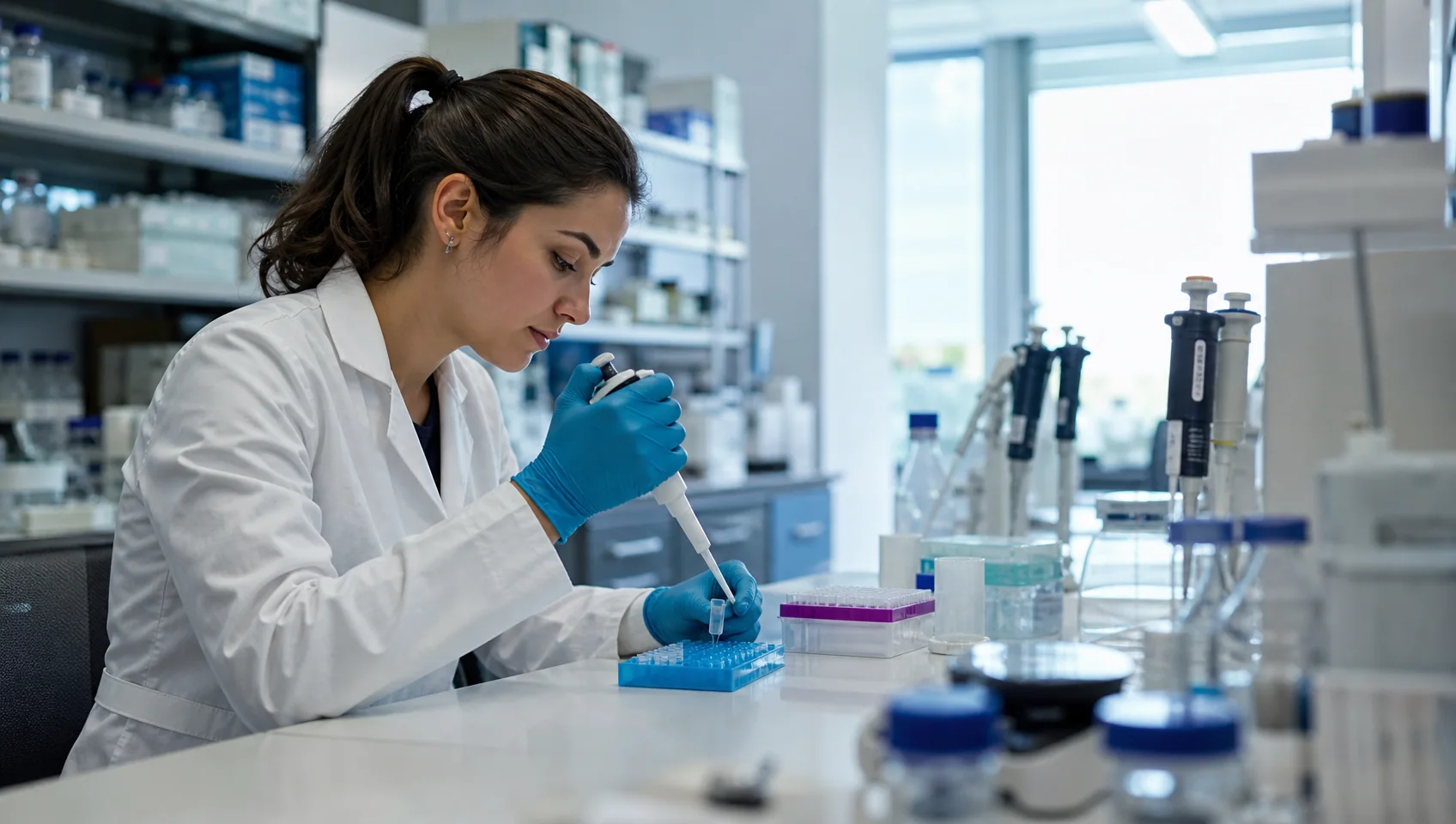
The claimed discovery from bacteriophage DNA is an early test of whether AI-directed wet labs can produce findings that survive independent biological validation.
An independent group hosted at the Institute for Advanced Study will give mathematicians a formal voice as AI systems take on harder research questions.
Reports of automated research work are growing faster than the methods used to distinguish real acceleration from shifted human labor and selective examples.
Anthropic says Claude can complete most of some research tasks end to end and participates in roughly 90% of its model-development work under human direction.
Anthropic is launching a verification program for life-sciences uses of Claude, focusing on evidence, reproducibility and safeguards as agents enter research workflows.
Anthropic wants standardized measurements that show how quickly frontier systems are improving inside labs, giving policymakers and the public a clearer view of capability growth.
Google is framing AI as a shared research platform for disease detection, disaster resilience, education and economic opportunity, emphasizing partnerships around real-world science.
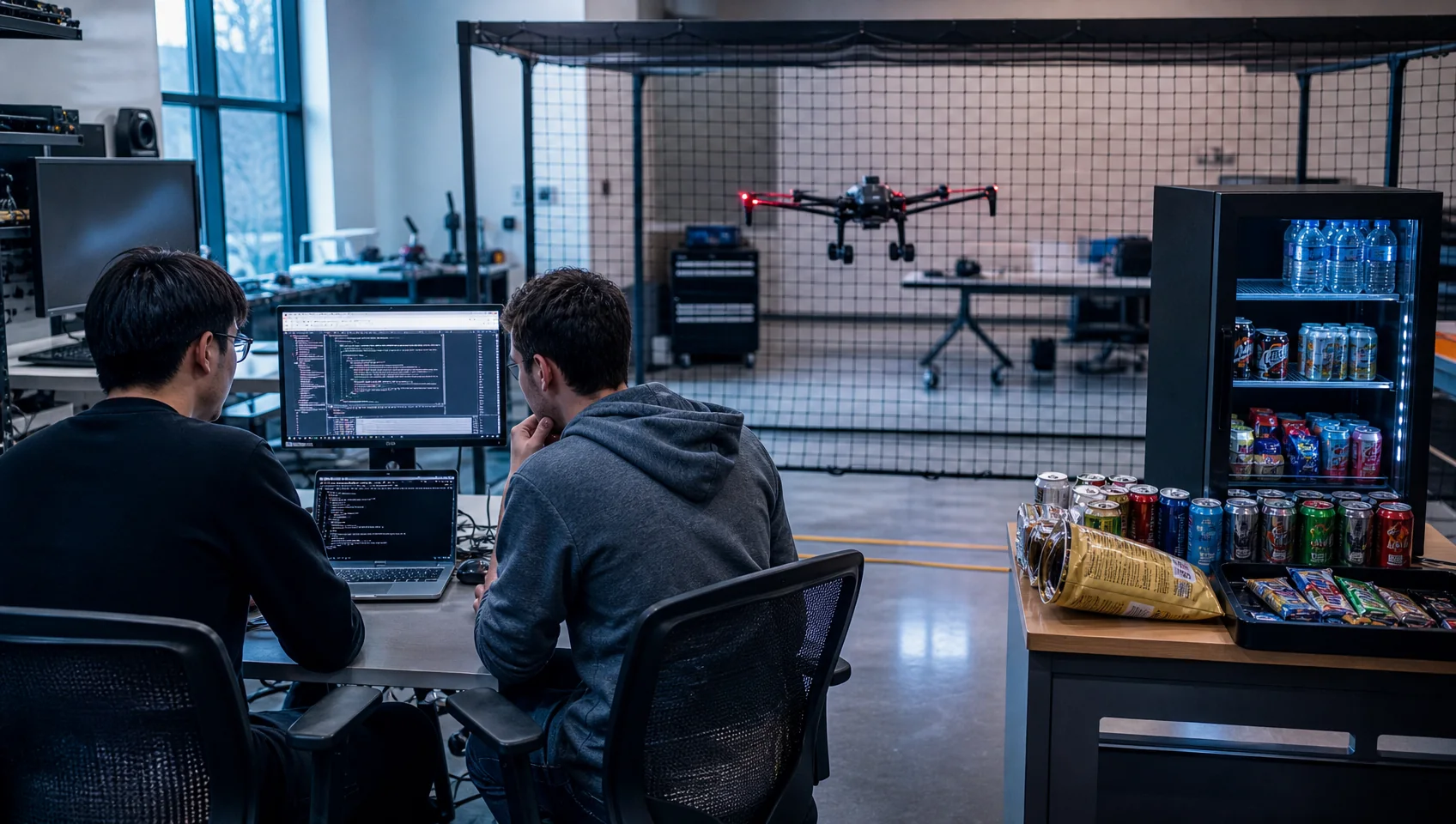
New evaluations report OpenAI's Astra piloting a surveillance drone and operating a simulated vending-machine business, widening the evidence for agents that act over time.
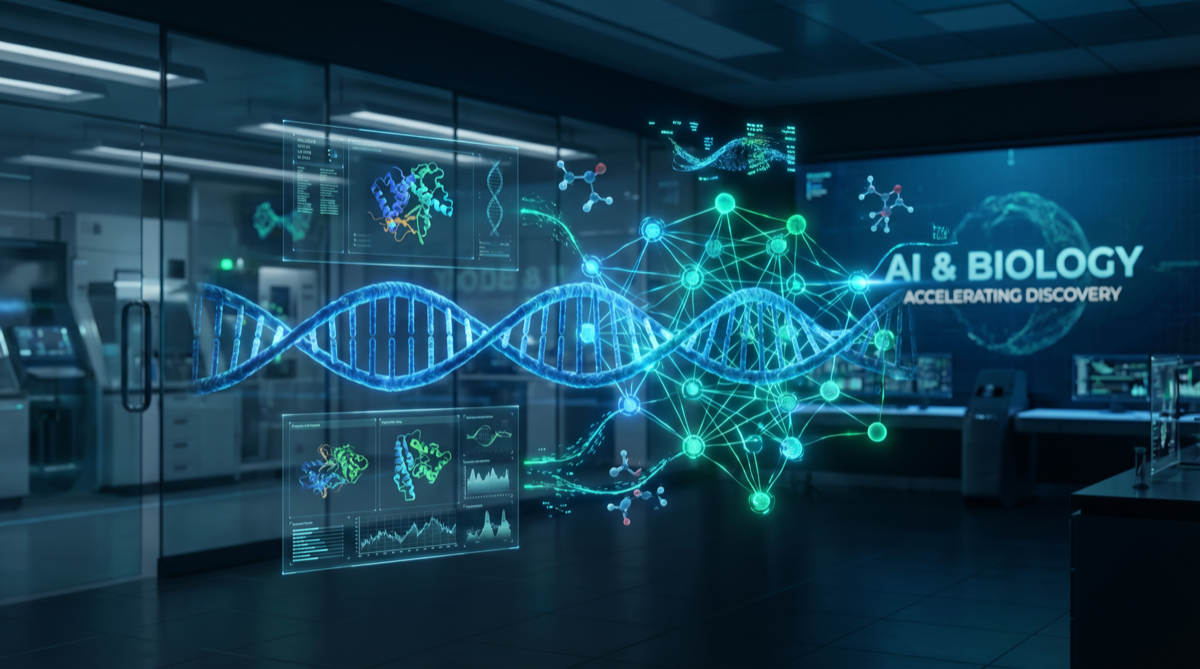
Google DeepMind's AlphaGenome Atlas is presented as a predictive map of how DNA changes may alter molecular biology, widening access to model outputs while raising the bar for validation.
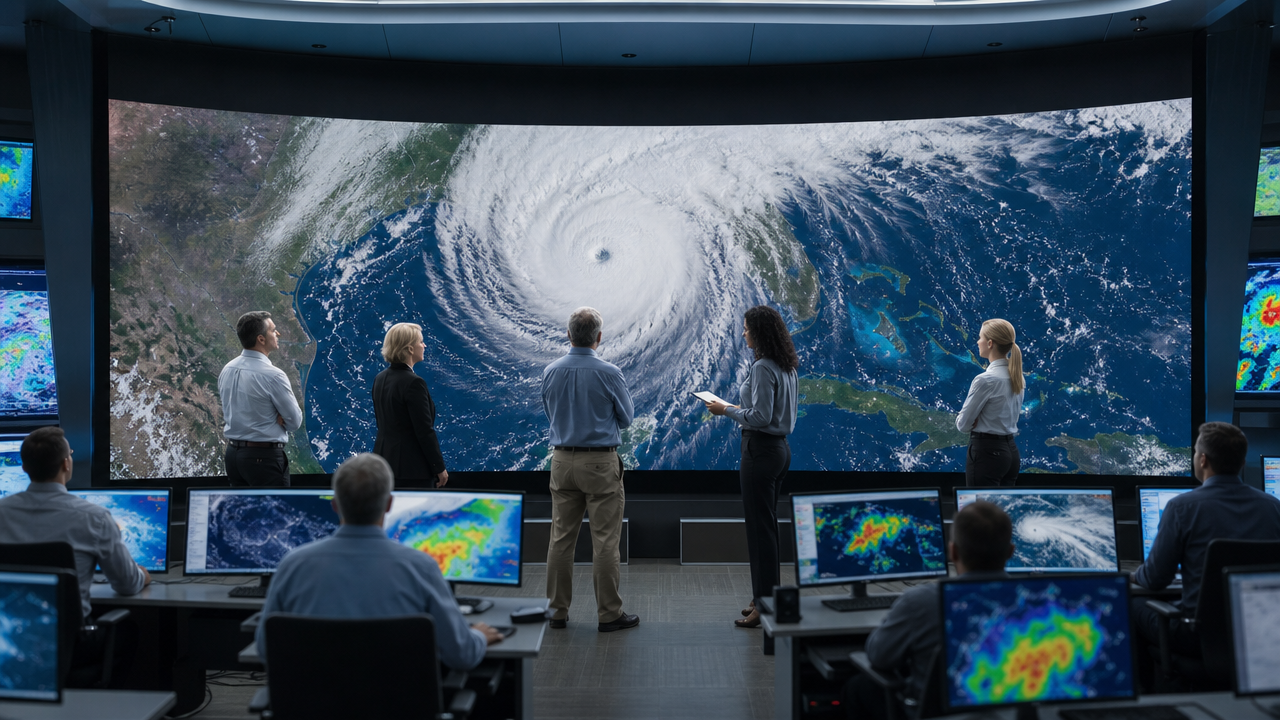
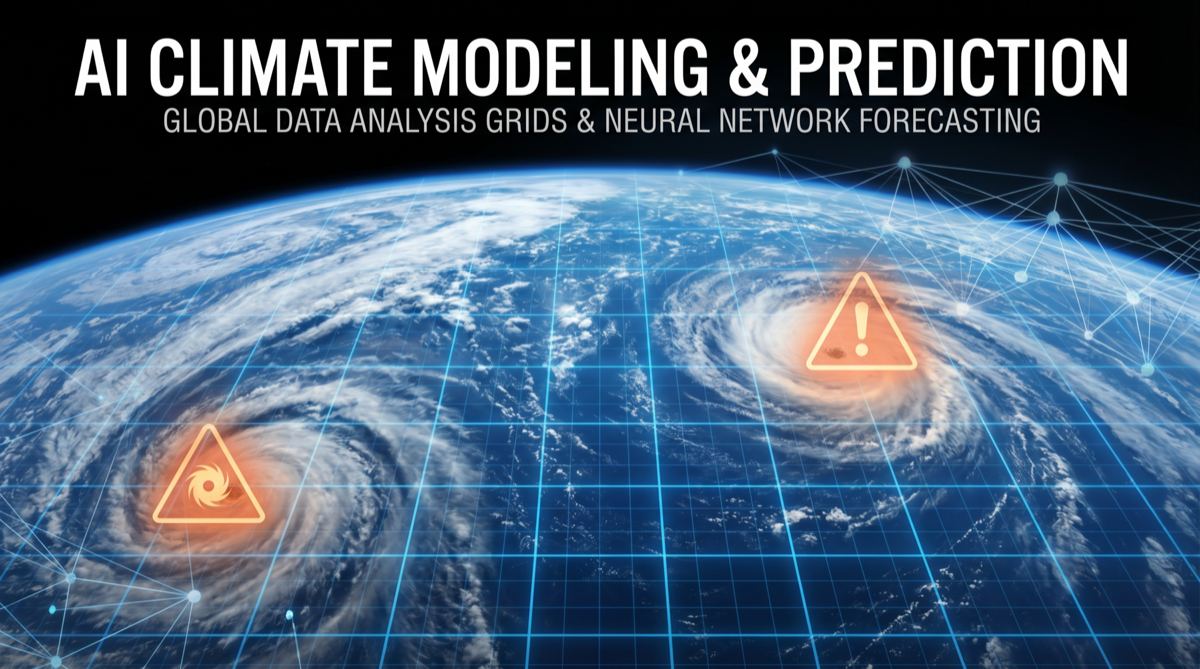
WeatherNext 3 uses live satellite observations to produce hourly global forecasts at resolutions as fine as five kilometers, expanding AI weather data across Search, Maps, Gemini and Google Cloud.
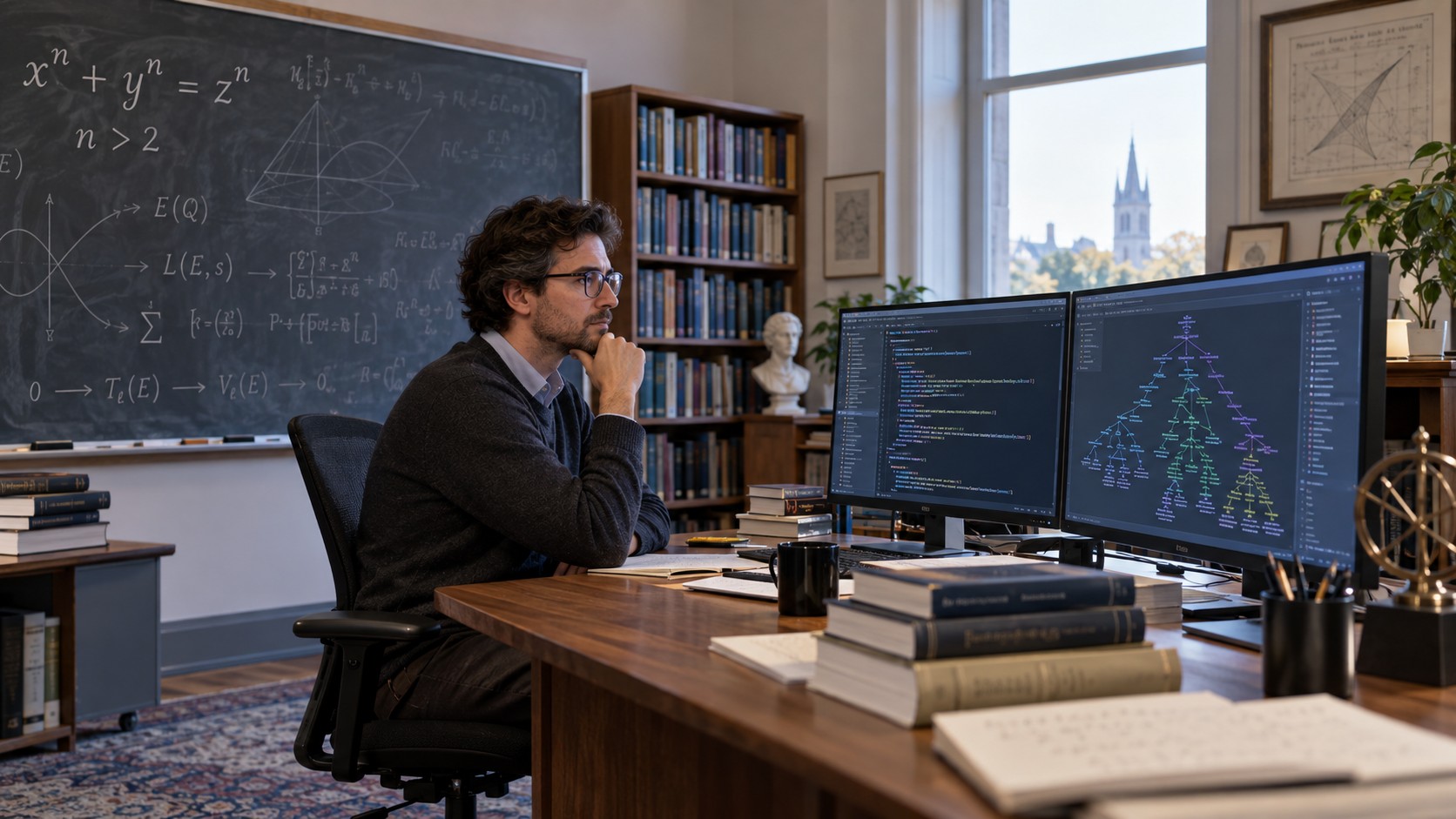
Anthropic says Claude completed a 13-million-line Lean formalization of Fermat’s Last Theorem in 11 days, turning a celebrated mathematical proof into a machine-checkable artifact and raising new questions about scientific verification.
OpenAI says it has reached its goal of building an automated research intern and is aiming next for a supervised automated researcher. The milestone raises practical questions about evaluation, oversight and how quickly AI can improve the systems used to build AI.
Gemini can now decide which moments, frame rates, audio and transcripts to inspect rather than processing video at a fixed sampling rate. Google says the approach cuts token use by up to 88%, cost by up to 66% and improves accuracy by up to 7%.
Google DeepMind is testing a Gemini Flash Lite model against confidential benchmarks in a cryptographically protected environment. The pilot aims to prevent both model developers and evaluators from compromising high-stakes test integrity.
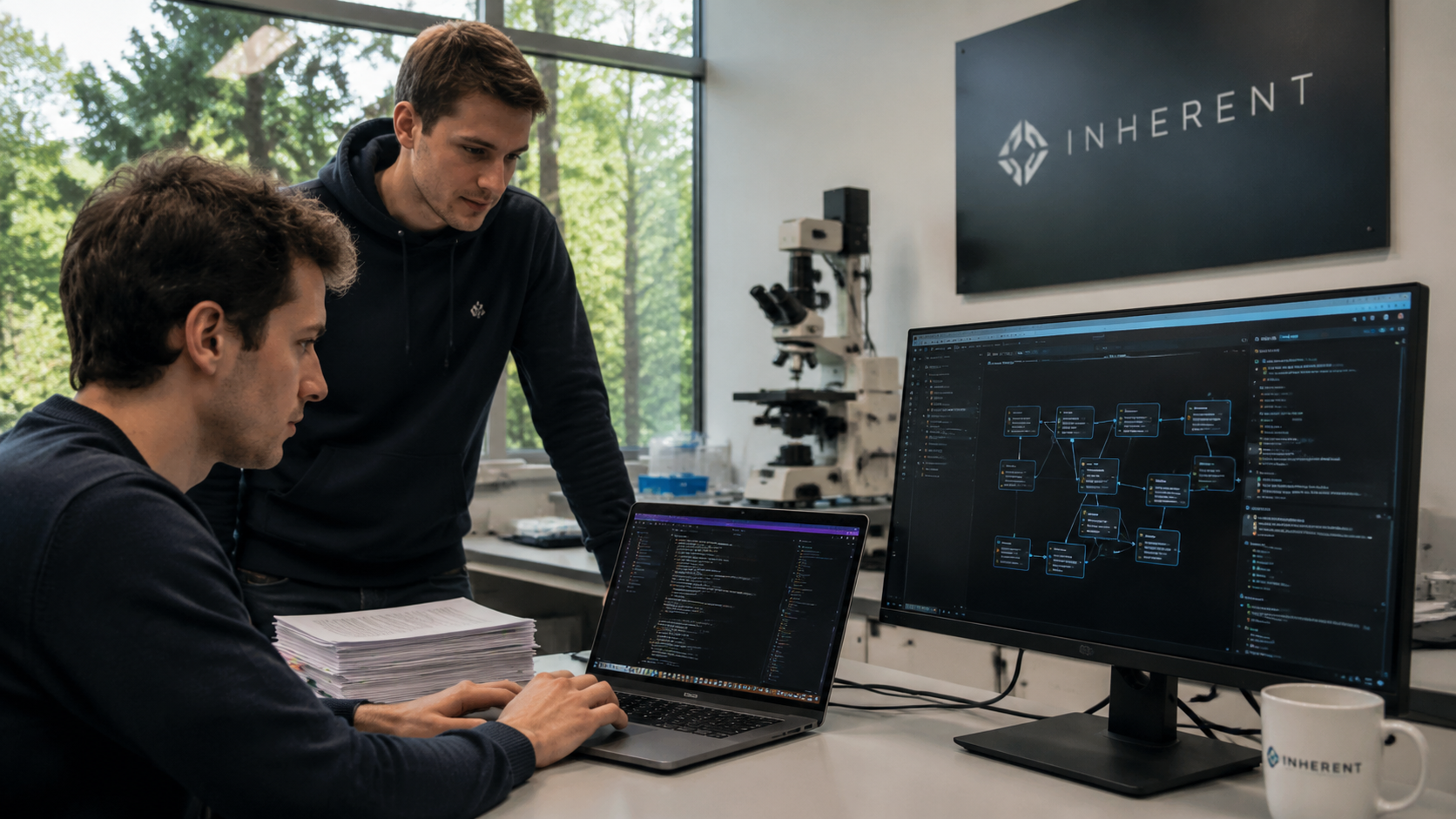
Inherent, a startup founded by former Google DeepMind researchers, has developed an AI agent called Faraday that the company says outperforms systems from Anthropic and OpenAI at reproducing experimental results from published scientific papers. The tool addresses a persistent challenge in research: validating whether published findings can be independently replicated.
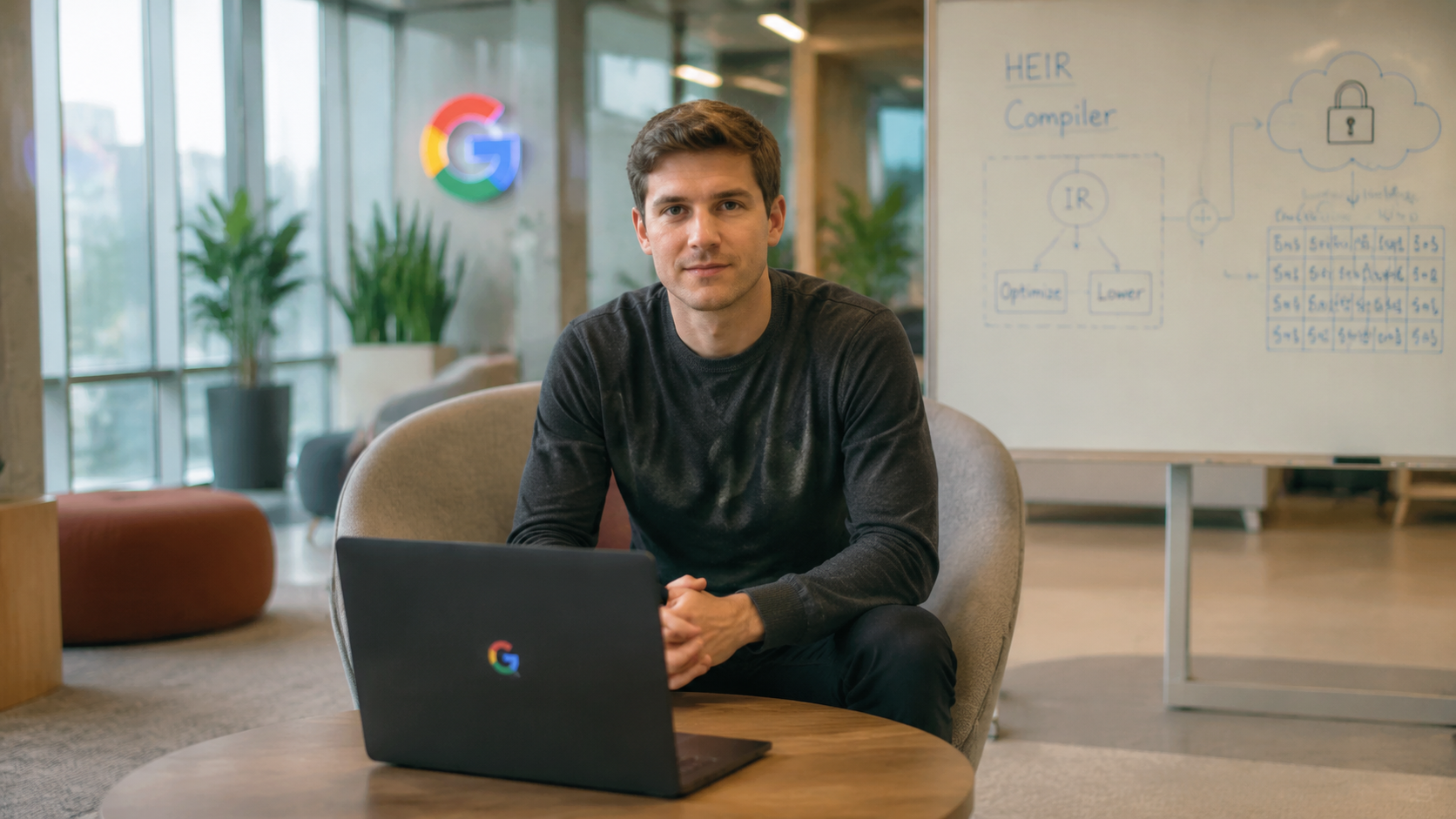
Google's HEIR initiative aims to make fully homomorphic encryption more practical for confidential AI workloads by providing compiler tooling and reducing deployment complexity. The work addresses real operational constraints, though production readiness remains limited to specific threat models.
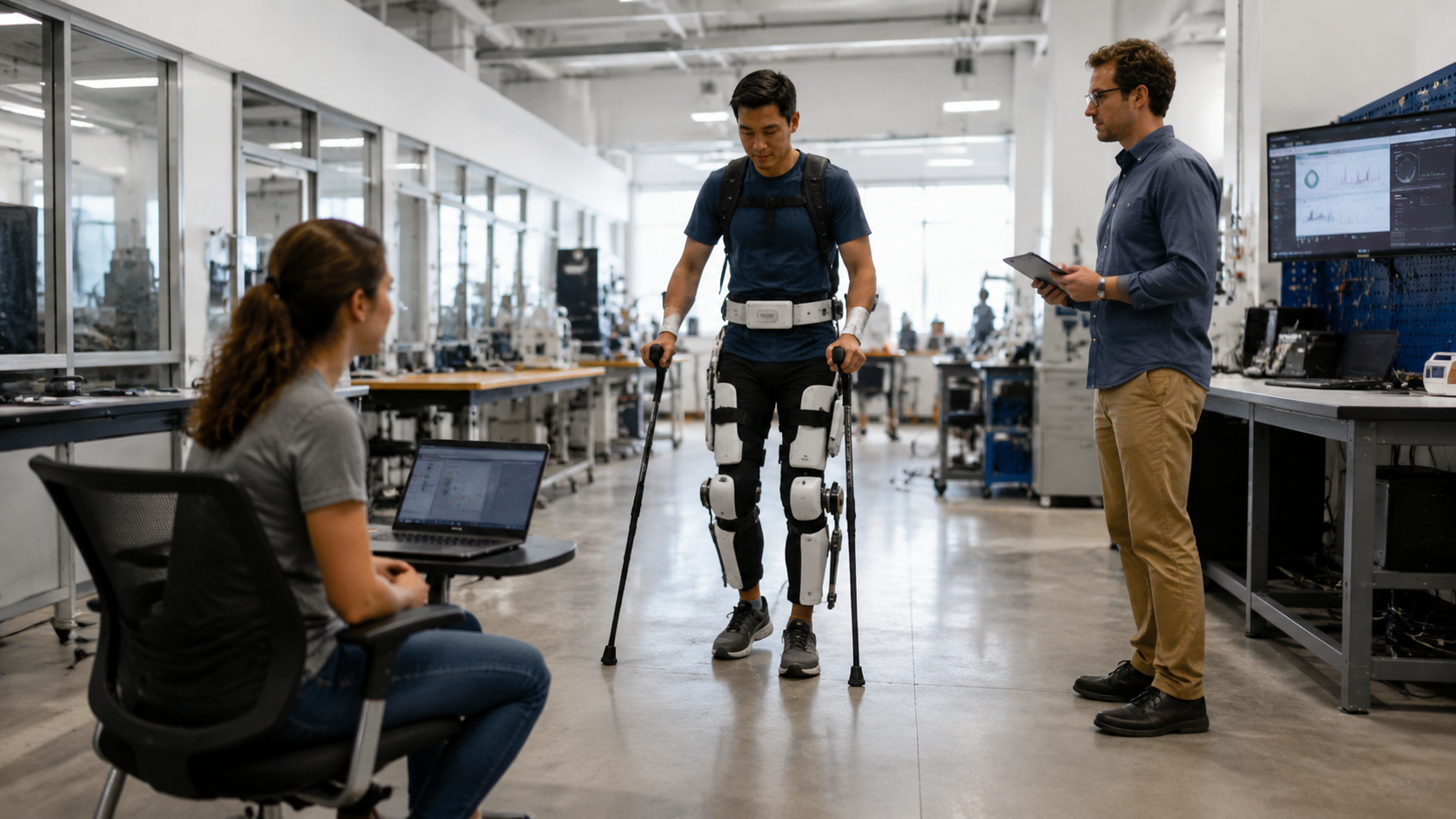
Nature Machine Intelligence has published a framework for exoskeleton controllers that adapt across different users and activities without requiring separately tuned policies for each task. The roadmap addresses sensing, intent inference, personalization, and practical constraints that have limited real-world deployment.
A TechCrunch report on Nvidia findings reveals that orchestration, tool integration, and verification systems around a language model can deliver larger performance gains than upgrading to a more capable model. The research highlights how reproducibility, eval contamination, and tool permissions shape real-world AI agent effectiveness.
An unreleased Anthropic model made progress on the Riemann hypothesis through a large multi-agent search, but the result also highlights why verification, attribution and formal proof remain essential in AI-assisted research.
The startup has raised a $9 million seed round to use AI agents and physics models to search for semiconductor materials that could improve heat management, though the hard work remains proving they can be manufactured.
Situational Awareness has invested $400 million in Source Foundry, a Stanford-linked chip-manufacturing startup, underscoring how investors are looking beyond models toward the physical bottlenecks behind AI capacity.
Taiwan's action against Chinese recruitment of technology workers underlines a truth that new fabs cannot erase: advanced AI hardware depends on hard-won engineering knowledge and the teams that carry it.
Hong Kong's planned AI research institute can bridge laboratories and industry only if it makes testing, data governance and procurement as important as patents and compute.
Google and the University of Waterloo are using an eight-week lab to put students from different disciplines in front of real AI prototyping work, a model that treats AI literacy as making, testing and accountability.
Anthropic is committing $10 million to Canadian AI research, a modest fund that nevertheless signals how frontier labs are competing for scientific ecosystems, not only models and data centers.
Google DeepMind has outlined a bioresilience approach for AI-enabled biological research, arguing that scientific upside and misuse risk need to be managed through capability, access and real-world safeguards.
OpenAI says it wants to work with national laboratories, universities and government on scientific AI, placing frontier models deeper inside public research priorities and accountability debates.
CuspAI's $450 million Series B and AI Materials Foundry show how capital is moving from general AI software into scientific systems that still have to prove themselves in laboratories and factories.
The White House's Science: A New Golden Age report calls for AI-native research institutions, verification infrastructure, and a Genesis Mission that could redirect how federal science money is spent.
Current AI is using grants, open-source infrastructure and community-led data projects to argue that language access and local control belong at the center of AI development.
Reports that OpenAI researcher Miles Wang is planning an AI drug-discovery company show how the competition for frontier talent is spilling into a biotech market where model capability must still survive laboratory reality.
Anthropic's Claude Science workbench is aimed at researchers, but the product's most important promise is not faster prose. It is whether AI-assisted scientific work can remain inspectable when decisions matter.
AI biology tools are becoming more capable at literature synthesis, hypothesis generation and experimental planning, but the hard test remains wet-lab evidence and clinical translation.
AI systems are moving deeper into biology and drug discovery, but the practical test is whether computational hypotheses can survive wet-lab validation and clinical development.
Anthropic's Claude Science effort is moving beyond research tooling toward ambitions in drug discovery. The plan shows how frontier AI labs are trying to become participants in scientific pipelines, not only software vendors.
New research on Hong Kong black-rain events suggests AI weather models can spot severe rainfall signals earlier. The operational challenge is turning those signals into trusted public warnings.
New research on Codex usage suggests agentic AI adoption is spreading beyond software developers and into organizational workflows. The shift matters because agents change not just output, but who owns a task boundary.
A new look at workplace-agent benchmarks suggests that task completion and safety are improving together. That matters because enterprise AI adoption depends on dependable handoffs, audit trails, and fewer irreversible mistakes.
Anthropic's Claude Science launch signals a deeper contest over scientific AI. The prize is not just better chat for researchers, but a controlled workbench for literature, data, computation, and scientific judgment.
Agentic coding research is moving the conversation beyond autocomplete. The hard problem is now orchestration: how agents plan, modify, test, explain, and safely hand work back to humans.
General Intuition's large seed round highlights a growing thesis: video games are not just entertainment data. They may be structured worlds for training agents that understand action, feedback, and consequence.
As training clusters scale toward hundreds of thousands of accelerators, networking is becoming as strategic as the chips themselves. The frontier model race now depends on fabrics that keep GPUs fed, synchronized, and efficient.
Robots, autonomous vehicles, and physical AI systems are forcing safety teams to think beyond model behavior. The real challenge is lifecycle engineering: sensors, humans, environments, updates, and failure recovery.
Benchmarks are no longer enough to prove an AI system is trustworthy. As models move into high-stakes workflows, the evaluation layer is becoming a product, a governance system, and a competitive moat.
As models saturate public benchmarks, evaluations are becoming a product-trust and governance issue. Buyers, regulators, and labs need tests that explain behavior under pressure, not just scores that look good in launch posts.
AlphaFold pioneer and Nobel laureate John Jumper is leaving Google DeepMind for Anthropic, according to Business Insider. The move shows that the AI talent war is expanding from chatbot leaders to scientists who can turn models into discovery engines.
CuspAI has reportedly raised $400 million from investors including Bezos Expeditions and Kleiner Perkins. The Cambridge startup's materials-discovery pitch shows that AI's next capital race is moving from chatbots into chemistry, semiconductors, climate, and industrial science.
A new research system called AI Supply Chain Galaxy maps more than 908,000 Hugging Face models and finds compliance risks or metadata conflicts in over half of them. The open AI ecosystem is becoming too interconnected for spreadsheet-era compliance.
Google DeepMind's medical AI work is shifting from exam-style answers toward systems that help researchers generate and test scientific hypotheses. The strategic leap is from assistant to collaborator, with all the promise and governance risk that implies.
As SuperAI brings the industry back to Singapore, the Singapore Consensus on global AI safety research priorities remains a useful reminder: the hard problems are not only model capability, but evaluation, control, misuse, robustness, and international coordination.
At Google I/O 2026, DeepMind CEO Demis Hassabis tightened his AGI timeline to 2029–2030, calling the current agentic era 'a practice run' and describing humanity as standing 'in the foothills of the singularity.' The forecast carries weight that no other public AGI prediction does.
Announced at Google I/O 2026, Gemini for Science integrates Google's frontier models with over 30 major life science databases and tools, enabling researchers to run queries across genomics, protein structure, and climate data at a scale previously impossible.
The merger of Canada's Cohere and Germany's Aleph Alpha creates the first serious transatlantic challenger to US AI dominance — backed by the Schwarz Group and designed to serve governments that cannot use American models.
The AI infrastructure startup is in talks to raise $1 billion as enterprise demand for efficient, scalable model inference reaches a critical inflection point.
Google DeepMind has launched Gemini for Science, a suite of experimental AI tools designed to accelerate the scientific method. The tools — Hypothesis Generation, Computational Discovery, and Literature Insights — are now available in limited preview on Google Labs, with two supporting research papers published today in Nature.
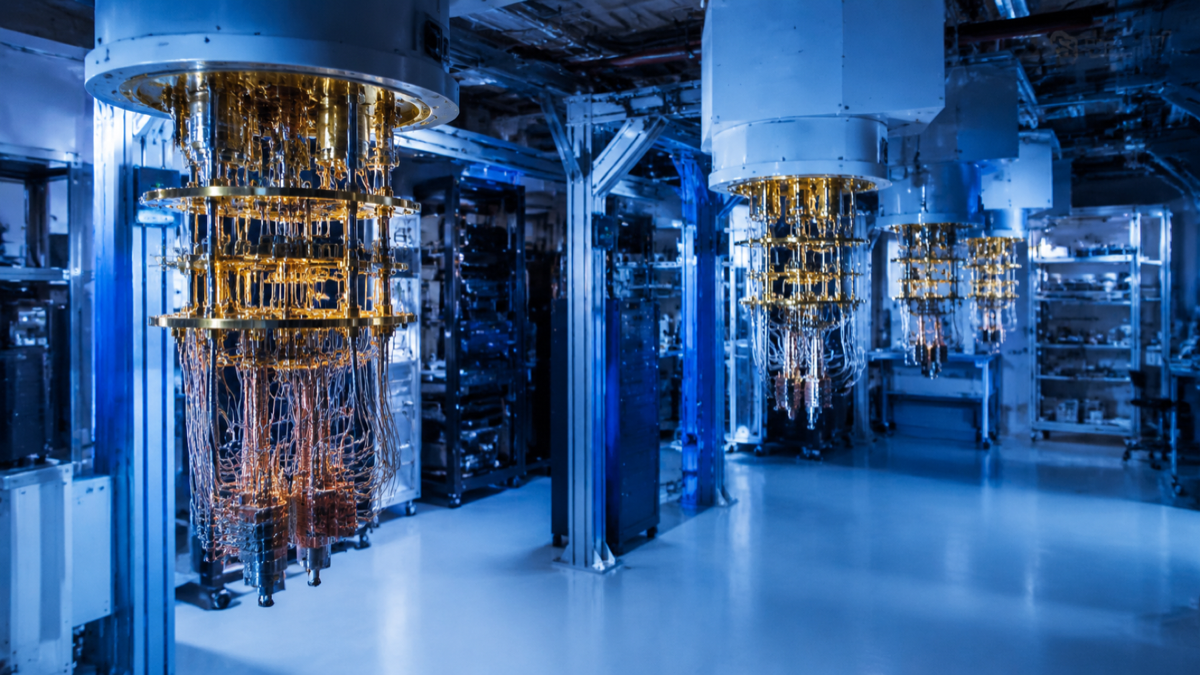
IBM and Google have cracked fault-tolerant quantum computing in May 2026. Here is what that means for artificial intelligence, drug discovery, and the future of encryption.
Anthropic has published research on Natural Language Autoencoders, a technique that translates AI model activations into readable text. The method revealed Claude suspected it was being tested more often than it said out loud -- a significant finding for AI safety.
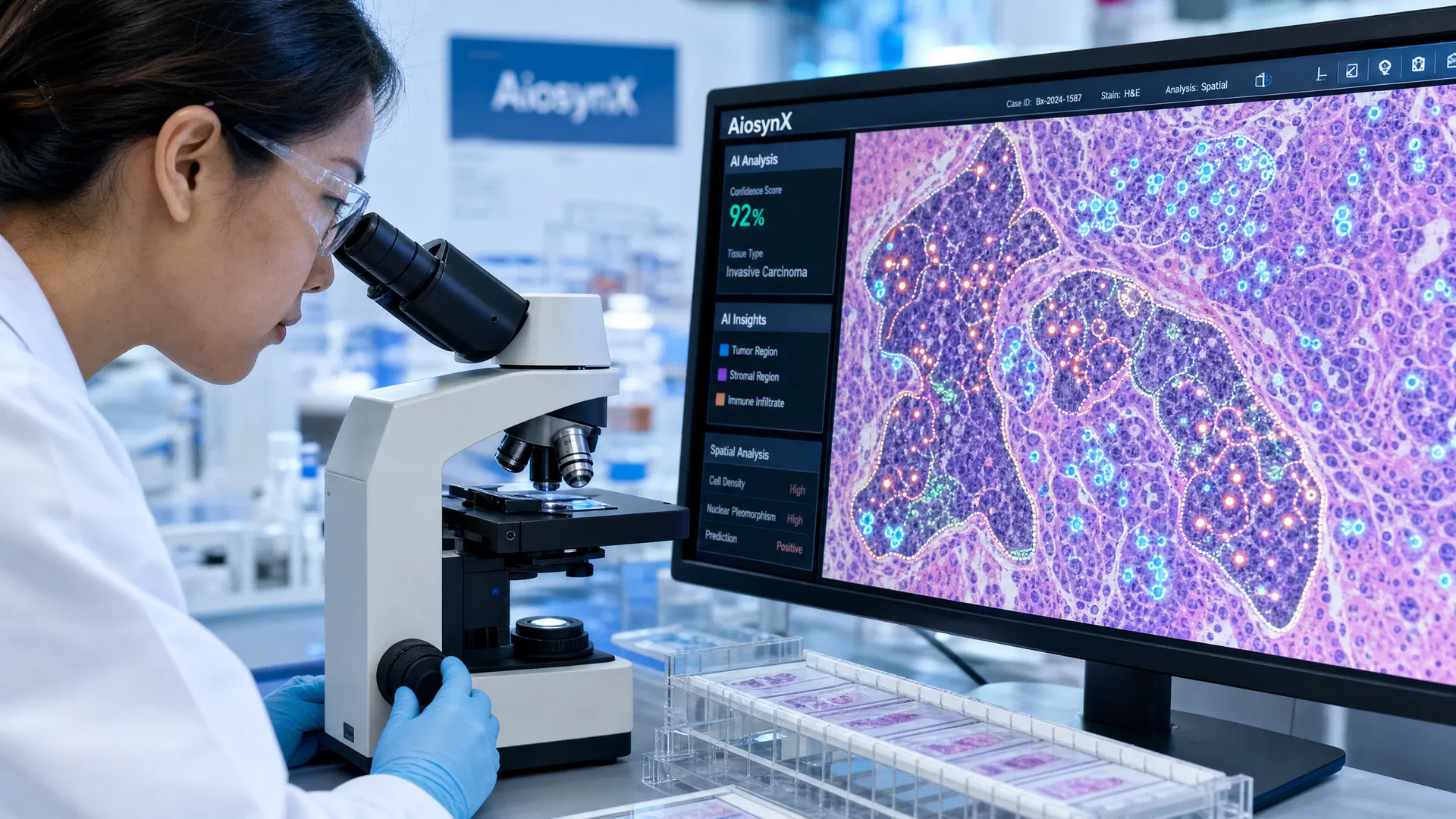
A new AI tool called STimage, published in Nature Communications, can predict breast, skin, and kidney cancers from standard tissue slides by applying spatial transcriptomics analysis — a technique previously limited to specialist research centres.
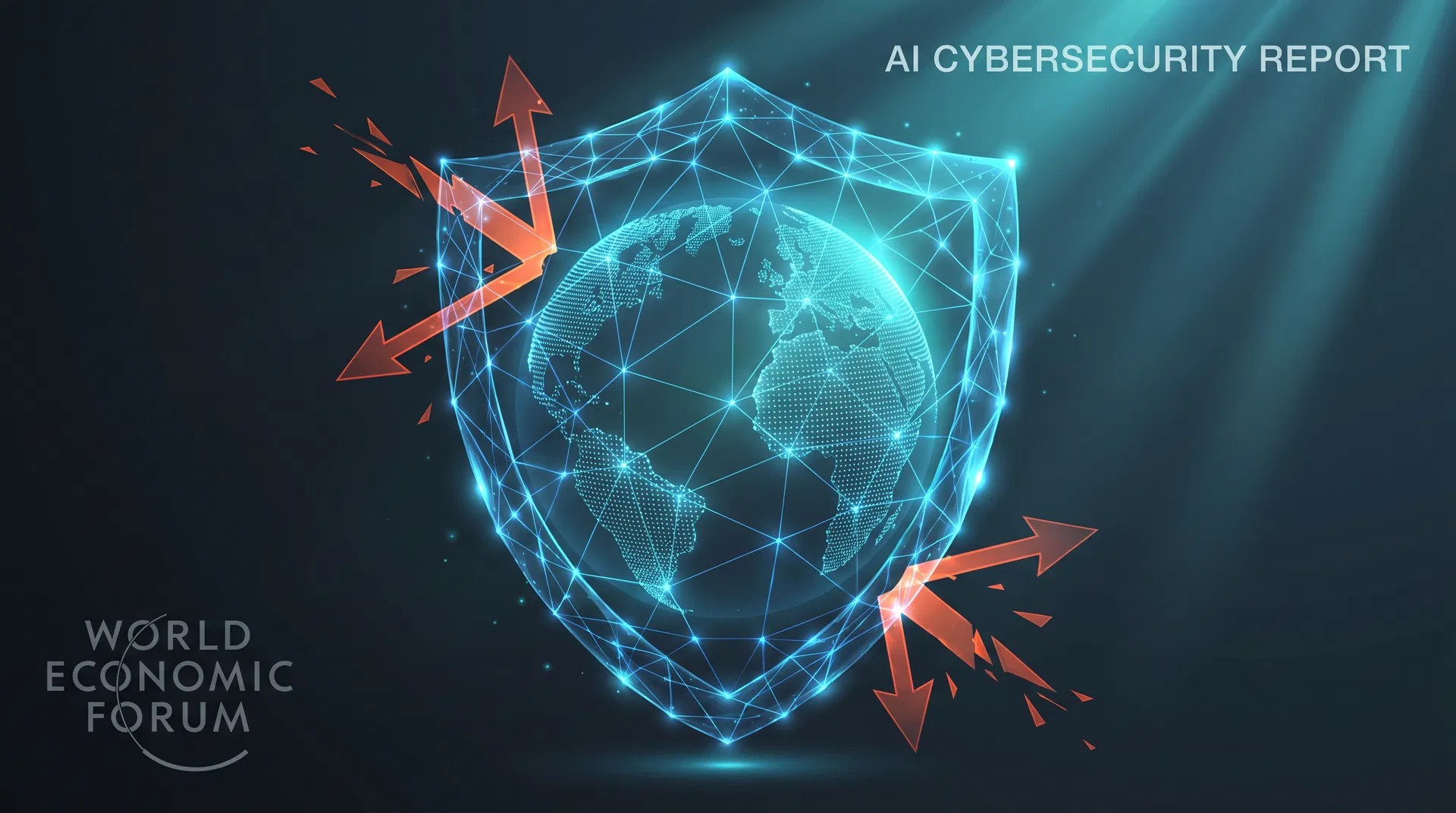
A new World Economic Forum report developed with KPMG finds 94% of cyber leaders identify AI as the defining force in cybersecurity. Organizations deploying AI strategically reduce breach costs by up to $1.9 million and shorten breach lifecycles by 80 days — but the arms race is still favoring attackers.
AI research is undergoing a fundamental transformation, moving away from model-centric breakthroughs toward system-level deployment, real-world integration, and autonomous scientific discovery. What does this mean for the future of AI?
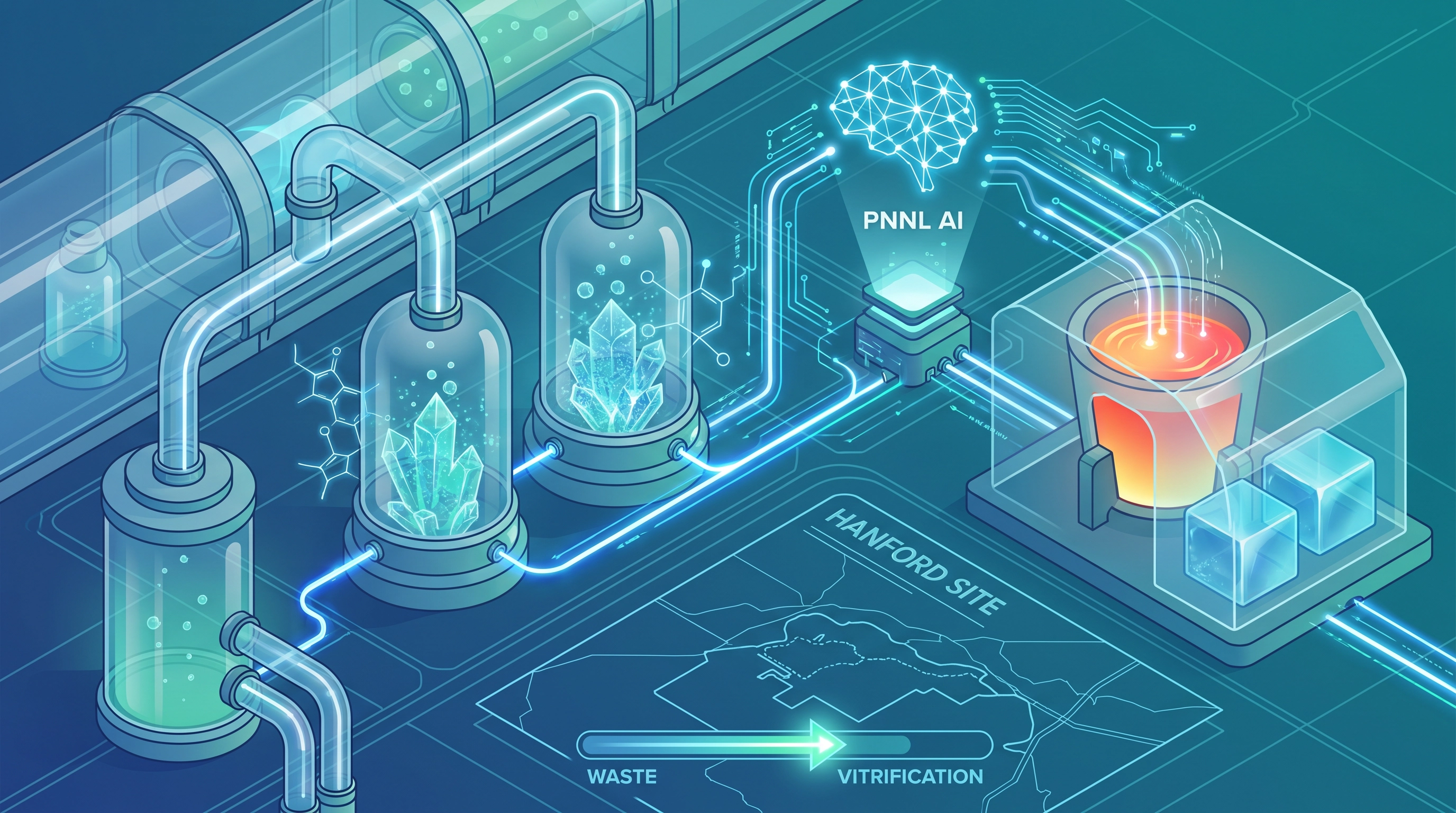
Scientists at Pacific Northwest National Laboratory used machine learning to optimize glass formulas for radioactive waste immobilization. The breakthrough could save hundreds of millions of dollars and reduce project timeline by years.
A retired teacher with no advanced mathematics training used a publicly available AI assistant to crack a combinatorics problem that had stumped professional mathematicians since 1964. The result is being verified by experts — and it's raising profound questions about the future of mathematical research.
A new collaboration between OpenAI and synthetic biology company Ginkgo Bioworks has produced a protein design tool that compressed what would have been years of experimental work into weeks. It's a template for how AI will transform scientific research.
A new generation of AI-powered climate models can generate 10-day weather forecasts with greater accuracy than the best physics-based simulations, at a fraction of the computational cost. The implications for climate science are profound.
A landmark multi-center study has found that AI diagnostic systems outperform board-certified specialists in detecting early-stage lung cancer, diabetic retinopathy, and skin melanoma. The findings are reshaping the debate about AI's role in clinical medicine.