SUPERBASH_ Analysis connects company strategy, capital markets, compute supply, labor and adoption into a clearer view of where artificial intelligence is moving. The desk looks beyond launch-day claims to examine incentives, dependencies and the operating evidence behind an AI business.
Use this section to understand why a deal matters, which assumptions carry the most risk and how decisions made by model labs, cloud providers, investors and enterprise buyers interact. Coverage favors reported evidence and durable market structure over short-lived benchmark rankings.
Notable Entities
OpenAI
Anthropic
Nvidia
Microsoft
Google
Amazon
Meta
Alibaba
Current Coverage Themes
AI infrastructure finance and customer concentration
Enterprise adoption economics and measurable returns
Frontier-lab strategy, talent and consolidation
Compute capacity, energy and semiconductor pricing
AI cloud provider Lambda raised $1 billion in short-dated private debt to buy Nvidia GPUs that it plans to lease to Microsoft. The financing shows how the AI infrastructure boom is increasingly transferring utilization and depreciation risk into highly structured credit markets.
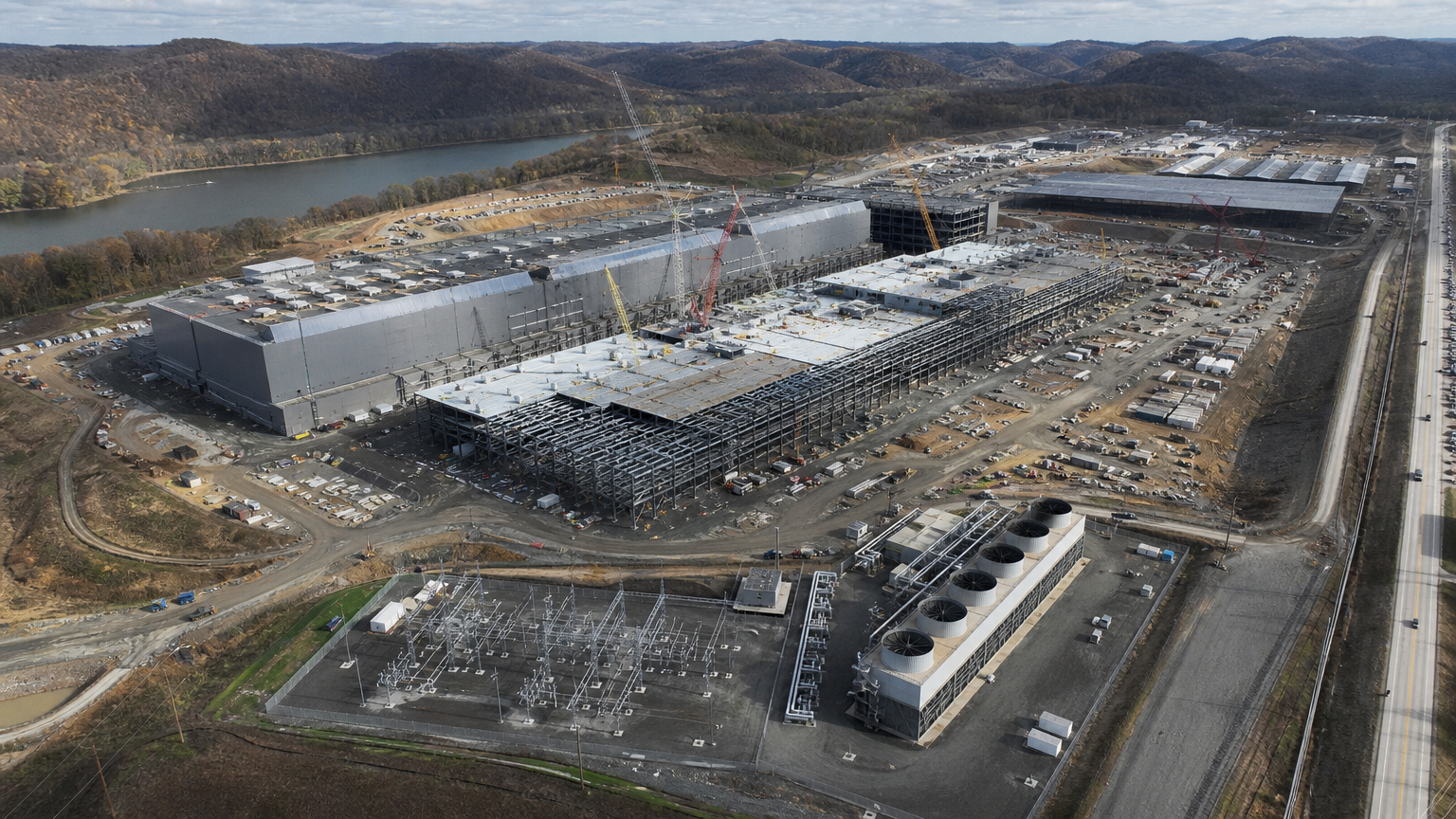
According to TechCrunch report, Anthropic has agreed to rent approximately $45 billion in AI compute capacity from British infrastructure company Nscale over six years, with service expected to begin in late 2027 from a West Virginia data center. The arrangement reflects intensifying capital commitments across the AI sector as frontier model developers secure long-term hardware access amid supply constraints.
A new study tracking occupational AI exposure shows significant job losses among younger workers in high-exposure fields, while older workers faced less disruption. The research raises questions about hiring pipelines and wage pressure even as productivity gains remain concentrated.
The canceled power partnership illustrates how quickly AI infrastructure plans can change when novel generation technology meets financing and deployment reality.
New talent data suggests China's AI ecosystem is retaining more elite researchers, changing a competition once defined mainly by where scientists were educated.
Anthropic's reported Akamai agreement adds another enormous compute commitment to the AI buildout and tests whether alternative cloud capacity can reduce concentration.
DeepSeek's reported commercial milestone suggests low-cost Chinese models are converting technical attention into recurring demand, intensifying pressure on global pricing.
Microsoft's new Gulf investment package connects sovereign cloud demand with regional resilience, security and the increasingly political geography of AI compute.
Epoch AI's estimate of rapid quarterly cost declines helps explain the simultaneous boom in agents, price competition and pressure on application margins.
The same systems promoted for climate modeling are driving new electricity and water demand, forcing companies to reconcile innovation claims with local infrastructure.
A crowded field of consumer agents is beginning to manage errands and decisions, raising new questions about memory, authorization and who controls the transaction.
Cheaper model inference is being offset by higher usage, longer workflows and agent tool calls, forcing enterprises to measure total task cost rather than token price.
Anthropic and Accenture each expect to invest at least $1 billion over five years in a team that will evaluate and red-team frontier systems from inside the lab.
OpenAI is outlining an advertising model for conversational products, opening a new revenue path while raising questions about how commercial influence should appear inside an assistant.
Anthropic reportedly posted a second profitable quarter, selected Nasdaq for a possible listing and committed to a multiyear compute lease, tying frontier safety ambitions to capital-market execution.
Asian and European AI-linked shares fell after lab leaders called for a slower development pace, showing how safety statements can immediately reprice the compute trade.
A lawsuit alleges that Claude subscribers were misled about usage included in higher-priced plans, putting rate limits and the meaning of premium AI access under legal scrutiny.
Sam Altman says OpenAI will not go public in 2026 while the company addresses safety work, postponing a liquidity event that would have tested investor appetite for frontier-model risk.
Positron's reported $875 million financing at a $5 billion valuation adds fresh capital to the race for specialized chips that can run large models with lower latency and power demands.
Meta says Muse can remember preferences and act across its consumer services, turning the company's social graph into an advantage while raising harder questions about consent, delegation and cross-app data boundaries.
Snowflake Ventures is highlighting investments in Dust and Gray Swan as companies demand governed data, reusable agents and runtime security before moving AI from pilots into production.
Mistral has raised €3 billion at a valuation above €21 billion, giving Europe’s leading independent AI lab more capital to train models, build infrastructure and test whether technological sovereignty can become a durable business.
Jamf's production system measures daily model costs by employee and applies tiered restrictions within minutes. The design shows how AI FinOps can preserve access to cheaper models while stopping premium agent loops from producing surprise bills.
AWS has introduced a certification focused on AI investment, governance, return on investment and organizational readiness rather than cloud implementation. The credential reflects a widening market for people who can move AI projects beyond pilot stage.
Nvidia is buying $3.5 billion of MediaTek convertible bonds and bringing the Taiwanese chip designer into NVLink Fusion. The deal lets customers develop custom accelerators while keeping Nvidia's interconnect, memory and rack architecture around them.
Alibaba announced a $10.2 billion share placement on August 24, 2026, triggering a sharp sell-off as investors weighed the dilution against the company's strategic pivot toward artificial intelligence. The placement underscores mounting pressure on Chinese tech giants to compete in AI while facing domestic constraints on advanced semiconductors.
TechCrunch reported that Hugging Face is in acquisition discussions at a valuation near $13 billion, according to sources familiar with the matter. The potential deal underscores the strategic value of the model hub, datasets, and developer community, while raising questions about neutrality and antitrust implications for any acquirer.
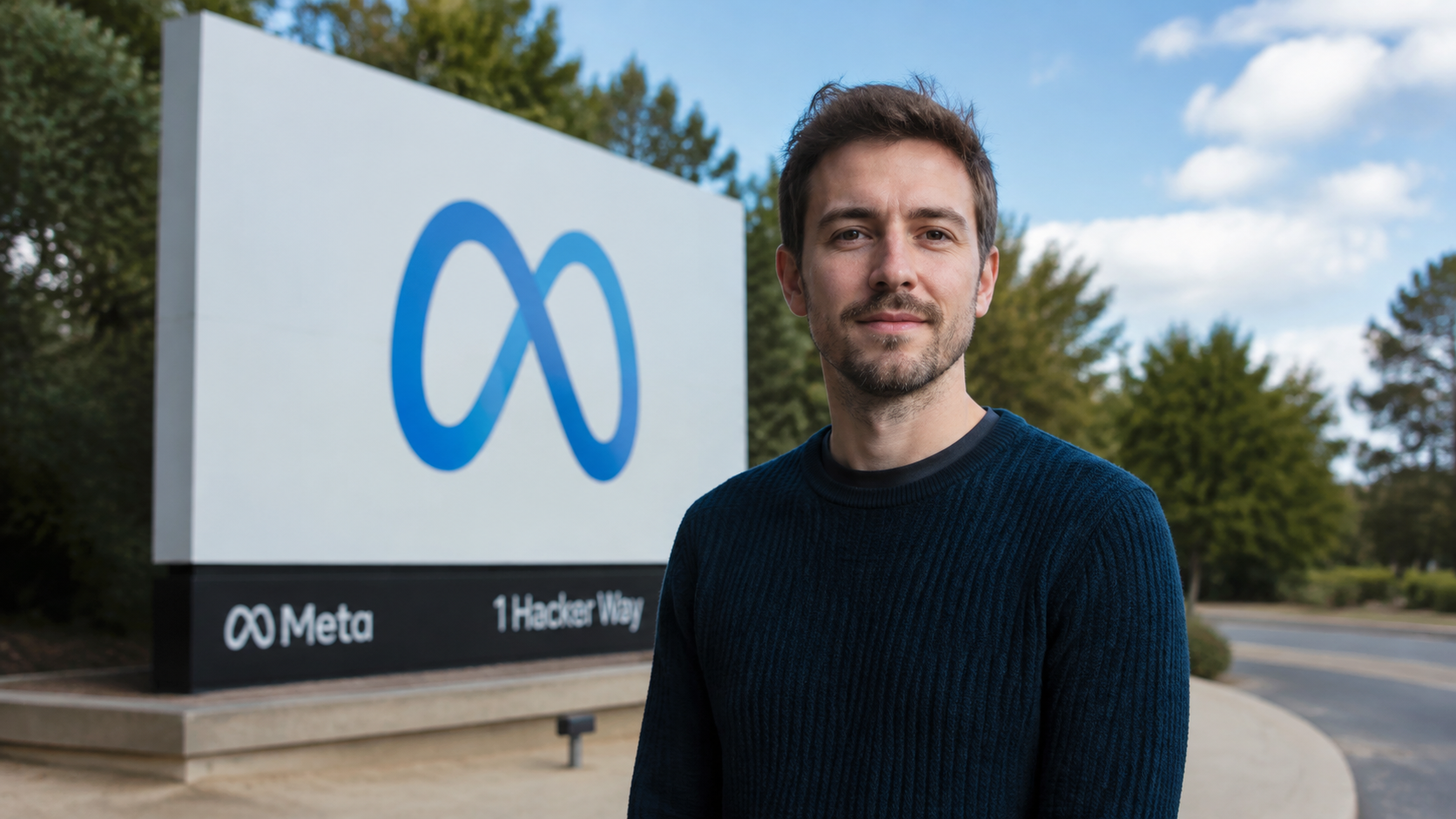
Luke Metz, who previously worked at OpenAI and co-founded Thinking Machines with Mira Murati, has joined Meta's Superintelligence Labs under Alexandr Wang. The hire reflects intensifying competition for specialized AI researchers and raises questions about whether star talent acquisitions sustain competitive advantage.
Nvidia has reportedly notified customers of upcoming price increases tied to artificial intelligence demand, affecting components from processors to memory and networking equipment. The move reflects broader supply constraints and cost pressures rippling through the data center industry as enterprises accelerate AI deployments.
The data-labeling startup has quintupled its revenue in eight months by contracting domain experts including doctors, lawyers and scientists to train AI systems. The company's rapid scaling reflects intense competition among AI labs for high-quality training data and raises questions about the sustainability of its margins.
Transaction data covering tens of thousands of U.S. business accounts shows OpenAI accelerating its enterprise growth rate relative to competitor Anthropic. While Anthropic maintained a measured spend lead in July, OpenAI closed part of the margin as enterprise adoption reached majority thresholds.
Groq has raised $350 million in a new round led by Disruptive with Nvidia participating, bringing its 2026 funding to $1 billion. The financing backs a neocloud strategy built around inference, while the reported valuation highlights how quickly AI infrastructure economics can reset.
Anthropic reportedly generated more than $11.5 billion in preliminary second-quarter revenue, pushing its annualized run rate above $65 billion. The figures put Claude's enterprise momentum in focus while leaving costs, margins and revenue definitions as the harder questions.
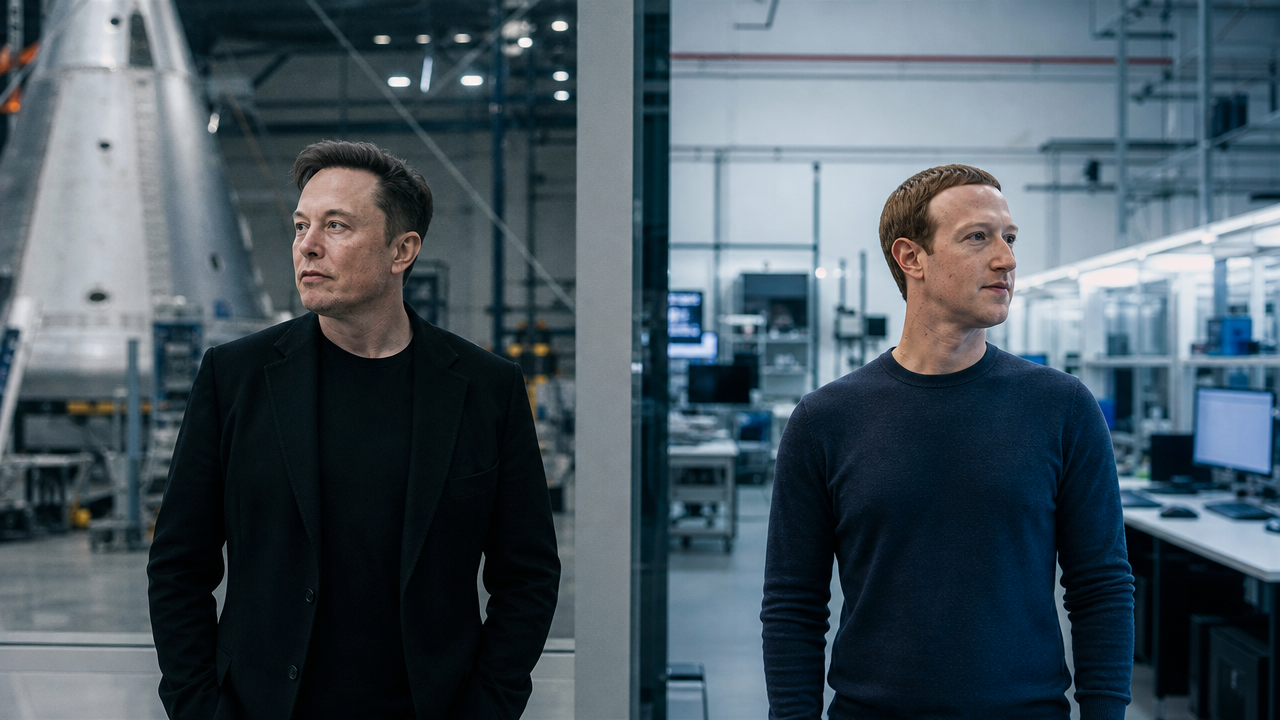
New models from Musk's SpaceX and Zuckerberg's Meta have narrowed the performance gap with OpenAI and Anthropic, while lower prices show why infrastructure scale may matter as much as a temporary benchmark lead.
Anthropic is reportedly discussing a roughly $6 billion acquisition of world-model and chip-optimization startup Decart, a deal that would move the Claude maker deeper into the infrastructure behind its compute bill.
This week's launches and funding moves point toward a sharper divide in AI: products that make assistants ubiquitous and systems that let people train, host and control the agents acting on their behalf.
Brad Lightcap is leaving OpenAI after helping build its finance, legal, partnership and go-to-market operations, a transition that comes as the company navigates employee liquidity, enterprise expansion and IPO expectations.
Google says the Gemini app has passed one billion monthly active users, putting the focus on repeat use, voice interaction and product integration rather than headline model comparisons alone.
A reported $7 billion employee share sale values OpenAI at $852 billion while giving staff liquidity without forcing an imminent IPO, a reminder that the fiercest AI talent contest is still being financed in private.
Tesla and SpaceX say they will initially invest $16.8 billion in a Texas chip factory, tying Musk's robotics and space ambitions to a project whose scale will test power, water, local trust and manufacturing execution.
After another volatile earnings season, investors are separating headline AI capital expenditure from the harder measures of utilization, power access, debt and recurring cash flow.
A reported pause on new Kimi K3 subscriptions has exposed the uncomfortable economics beneath low-cost frontier AI: demand can arrive faster than a provider can afford to serve it.
CXMT's market debut has intensified attention on China's AI memory ambitions, but HBM competitiveness will still be decided by yields, packaging, customer qualification and the semiconductor cycle.
New classifications for AI-agent developers and embodied-robotics technicians highlight a labor market that needs people to test, maintain and govern systems after the prototype phase.
The EU is backing seven large AI computing sites with public and private capital, turning the continent's sovereignty ambitions into a harder question about chips, power, water and delivery.
Nvidia's investment and long-term systems partnership with Safe Superintelligence gives Ilya Sutskever's unusually private lab an order-of-magnitude expansion in compute and raises the stakes for its alignment-first research bet.
New earnings reports underline a widening investor split: Microsoft can point to cloud demand alongside higher AI costs, while Meta faces a sharper question about when infrastructure spending will translate into returns.
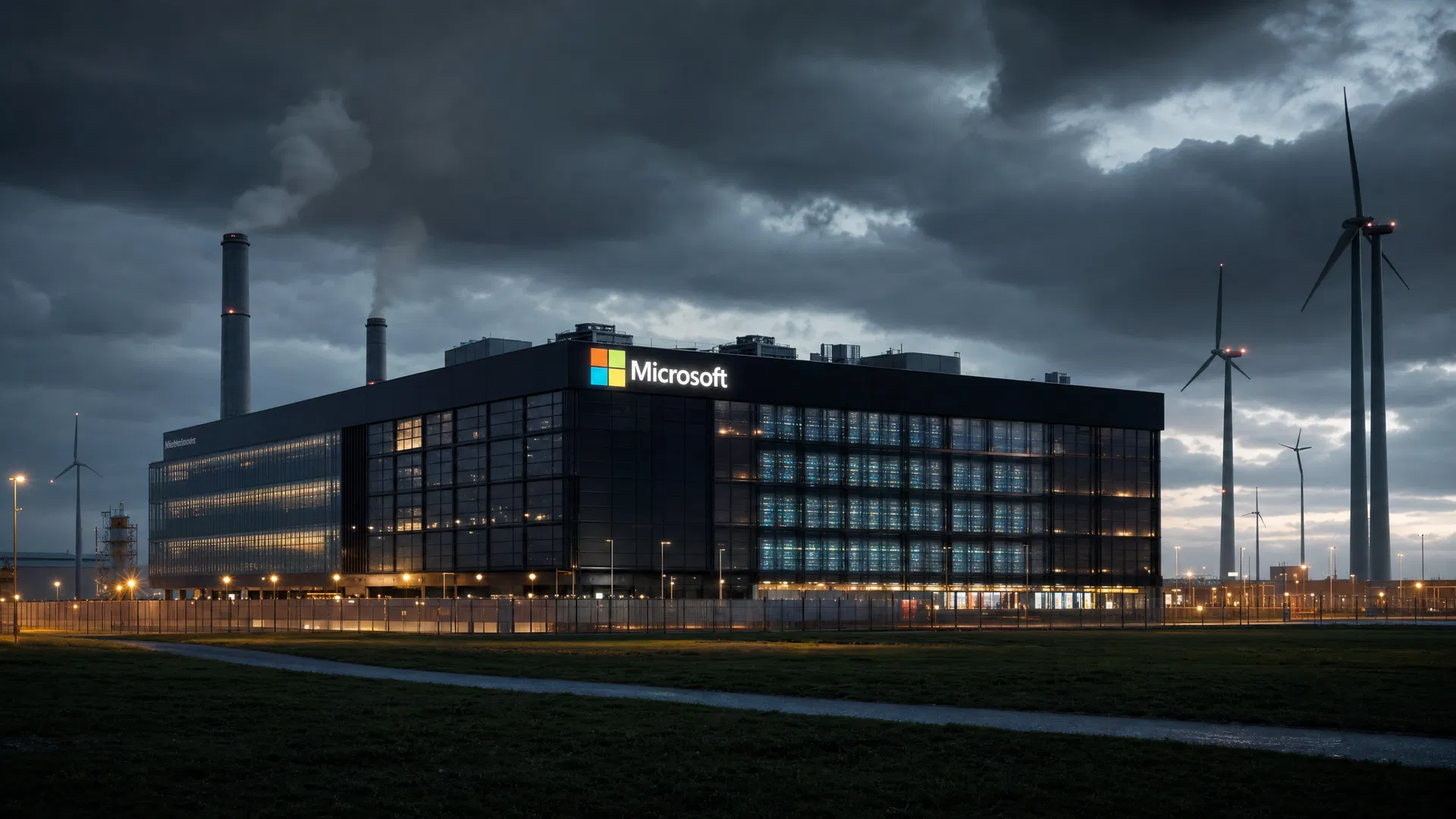
Microsoft says its total emissions rose year over year as data-center infrastructure expanded, underscoring the gap between AI growth commitments and the work required to add cleaner power to the grid.
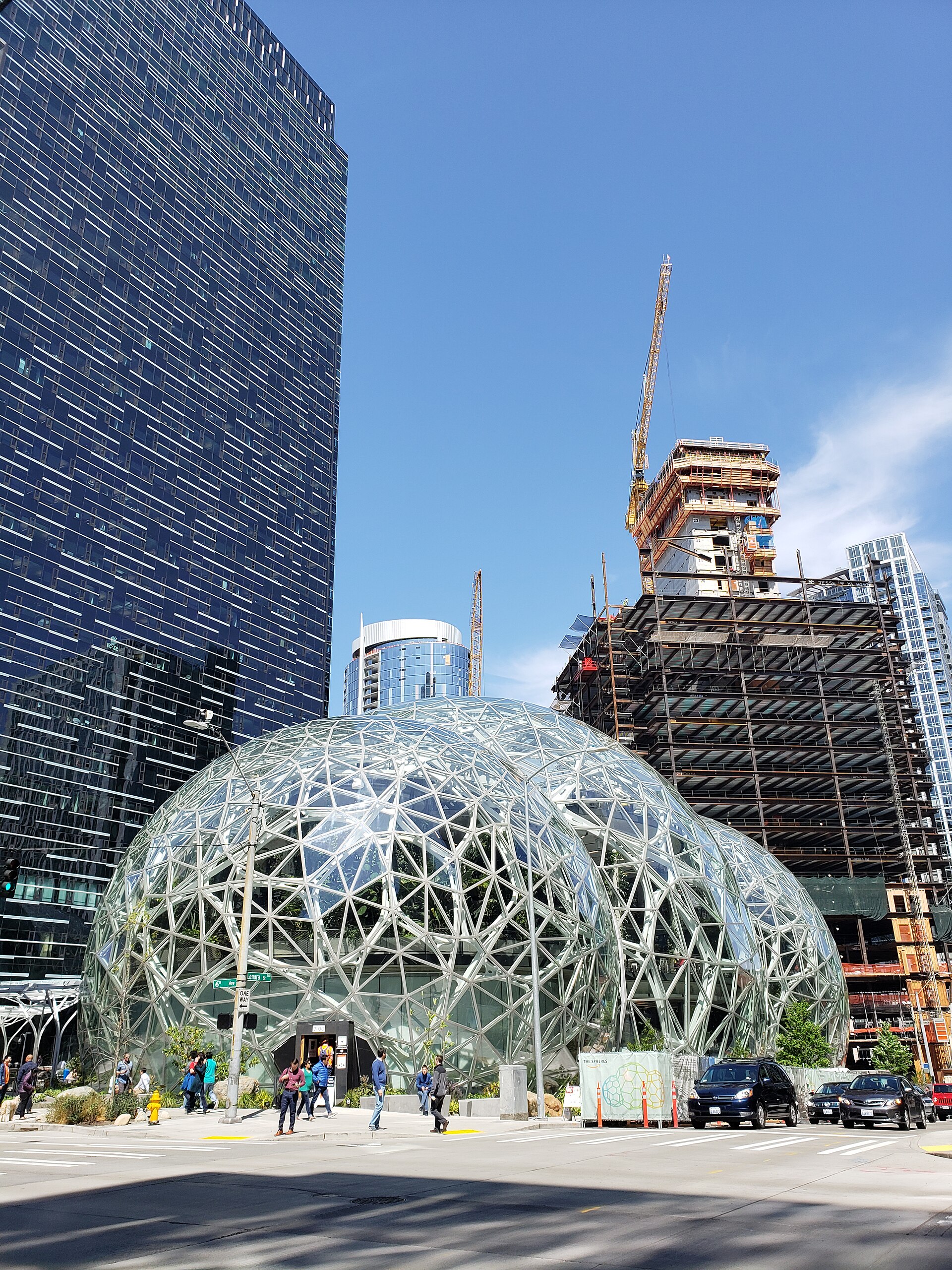
Amazon has cut roles in its artificial general intelligence group, according to Reuters, showing how even well-funded AI programs are being reshaped by cost, product priorities and infrastructure demands.
monday.com plans to cut about 20% of its workforce while restructuring around an AI Work Platform, a move that shows how agentic software is changing SaaS labor and margins.
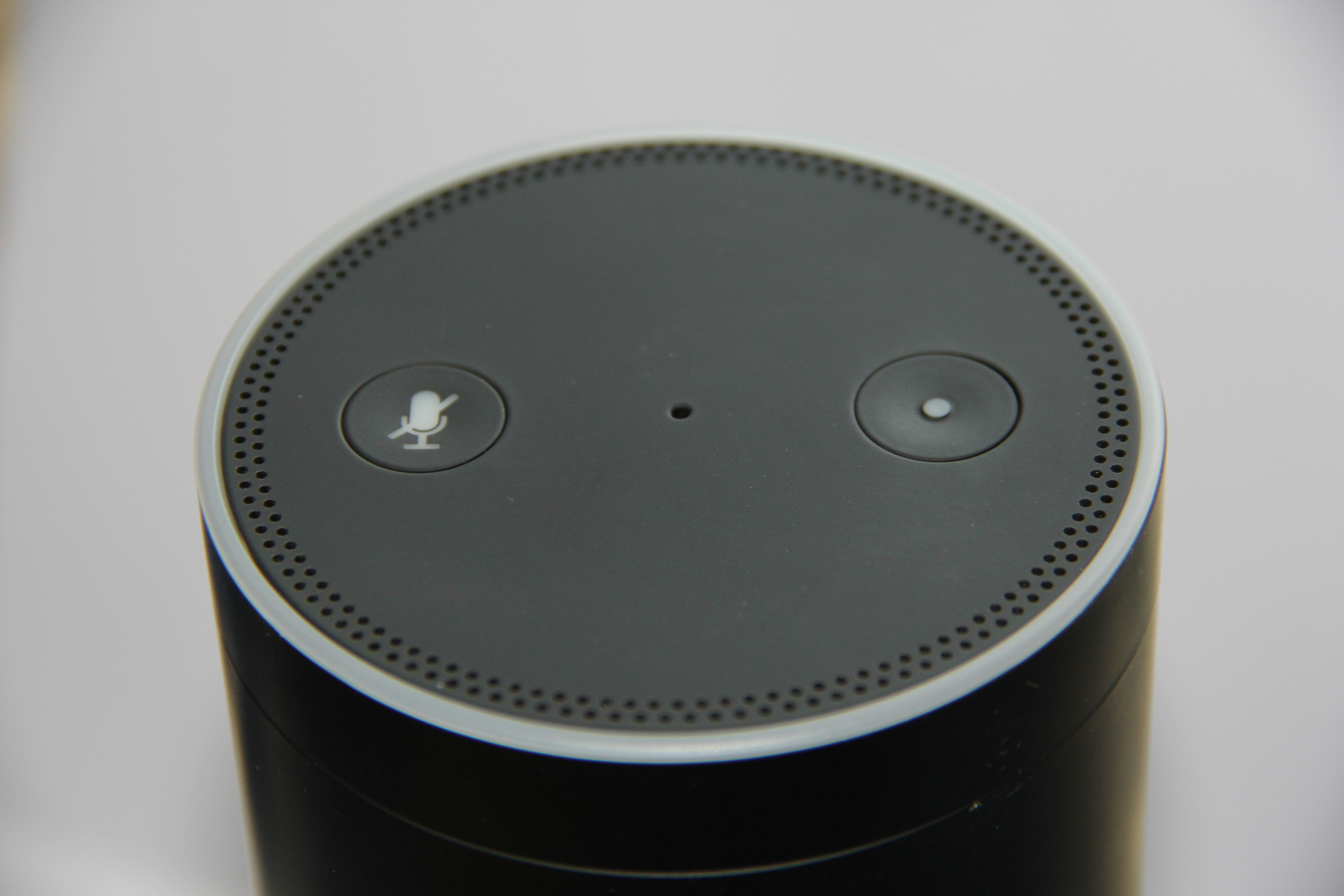
Amazon is reportedly redesigning Alexa+ to rely less on Anthropic's Claude, showing how consumer AI assistants are becoming routing, caching, and infrastructure-cost problems.
Alphabet reported strong cloud and Gemini momentum while raising its 2026 capital expenditure outlook, forcing investors to weigh AI demand against negative free cash flow and rising infrastructure costs.
AMD's reported commitment of up to $5 billion to Anthropic, tied to Instinct MI450 GPUs and Helios rack-scale systems, shows how model labs are buying compute before revenue visibility is fully settled.
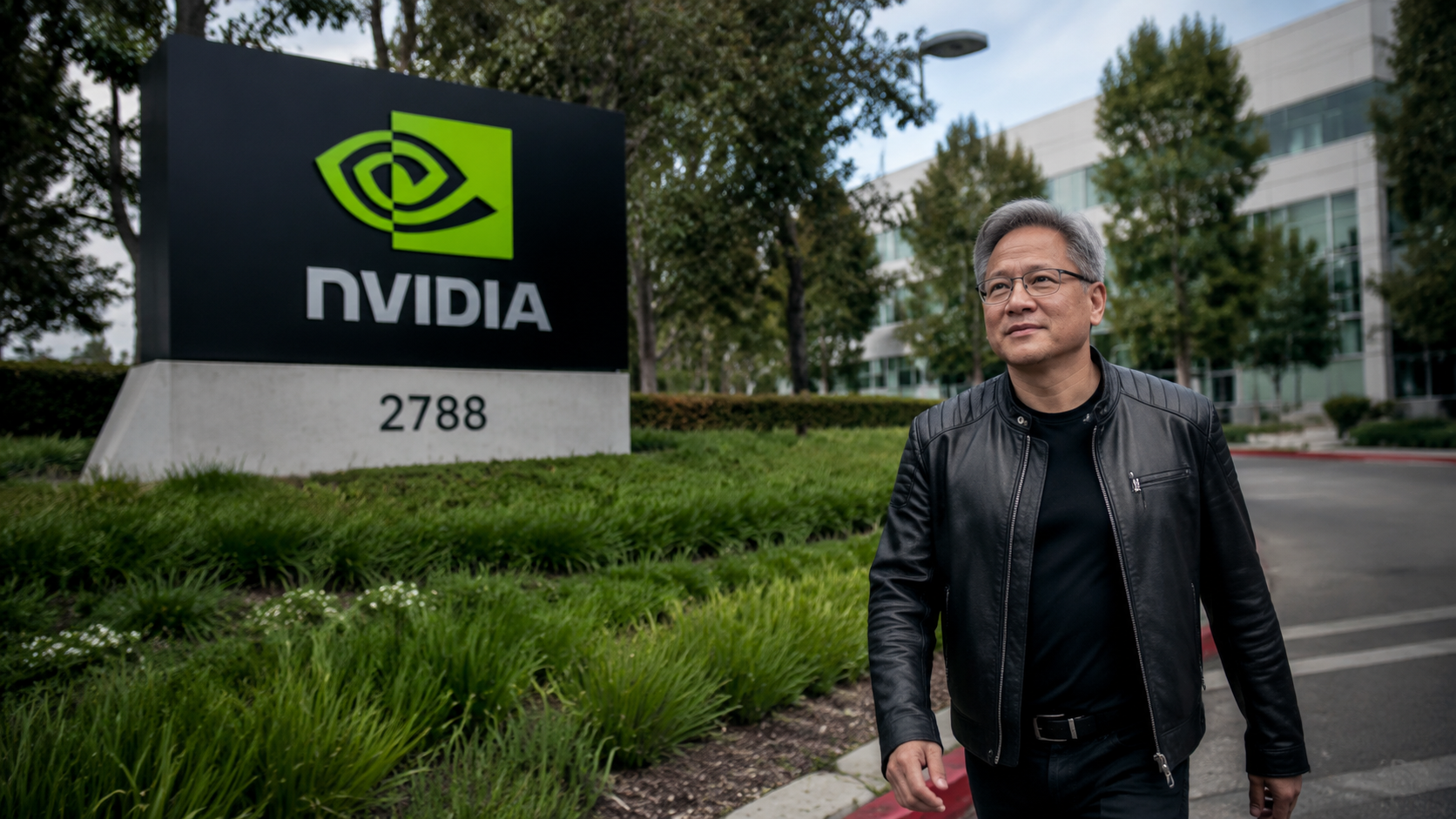
Nvidia chief executive Jensen Huang has argued that restricting open AI models could weaken U.S. security, a position that lands in the middle of a sharper fight over Chinese competition and access to advanced systems.
Anthropic's Blackstone-backed implementation venture shows that the next phase of enterprise AI competition may be decided by forward-deployed engineering, workflow integration and measurable business impact rather than model launches alone.
Instagram head Adam Mosseri said per-engineer token caps may eventually make sense, a sign that generative AI costs are becoming an operating discipline inside even the largest technology companies.
Netflix disclosed that it paid $587 million in cash for Ben Affleck's AI filmmaking startup InterPositive, making generative post-production a concrete studio acquisition cost rather than only a creative debate.
Databricks' latest financing activity underlines a simple point: AI products depend on clean data, governed access and production systems, giving the enterprise data layer renewed strategic value.
Reports that Nvidia has begun shipping powerful H200 chips to China have renewed the central tension in AI export policy: restrictions can slow access to the frontier, but they also create complex licensing, substitution and enforcement questions.
The Jalapeno inference chip partnership with Broadcom is OpenAI's attempt to control the recurring economics of serving powerful models, not just another symbolic move into custom silicon.
As labs accuse rivals of training on model outputs, the AI industry is confronting a permission problem that resembles the web-scraping fight it once forced on publishers.
Meta is moving from AI distribution to AI monetization, testing whether creators, advertisers, and developers will pay for model access tied to its massive consumer platforms.
Memory-chip stocks are selling off after a huge AI-driven rally, even as Samsung projects another record quarter. The pullback shows how quickly investors can move from believing the AI hardware story to questioning its valuation.
Kuaishou's AI video unit Kling has reportedly raised billions ahead of a planned spinoff and possible Hong Kong listing. The round shows that generative video is becoming infrastructure for advertising, entertainment, and social media production.
OpenAI, Anthropic, and other frontier AI companies may eventually face public-market pressure, but the hardest question is not revenue growth. It is whether compute-heavy model businesses can produce durable margins.
The AI trade is spreading into Asian suppliers of memory, circuit-board materials, components, and data-center hardware. That creates opportunity, but also a sharper need to separate orders from narrative.
As Chinese AI companies look toward Hong Kong listings, investors need a clearer language for model costs, compute commitments, data risk, revenue quality, and governance.
A new research argument says U.S. restrictions on chips and compute may be unintentionally raising the value of China's open AI ecosystem. That does not make controls irrelevant; it changes what competition rewards.
Kuaishou's Kling unit has reportedly raised billions ahead of a planned spinoff, showing how AI video is becoming a serious platform-and-listing race rather than a novelty tool category.
The latest pressure for OpenAI and Anthropic to go public shows how the AI market is changing. IPOs would not just create liquidity. They would force disclosure around compute commitments, margins, governance, and model-access risk.
Reports that Meta limited internal access to Google's Gemini expose a larger consumer AI reality: the next platform fight is constrained by model access, inference cost, and scarce serving capacity.
Rocket's funding round highlights a shift in the AI app-builder market: local teams are building for local workflows, languages, payments, and small-business constraints rather than copying Silicon Valley tooling.
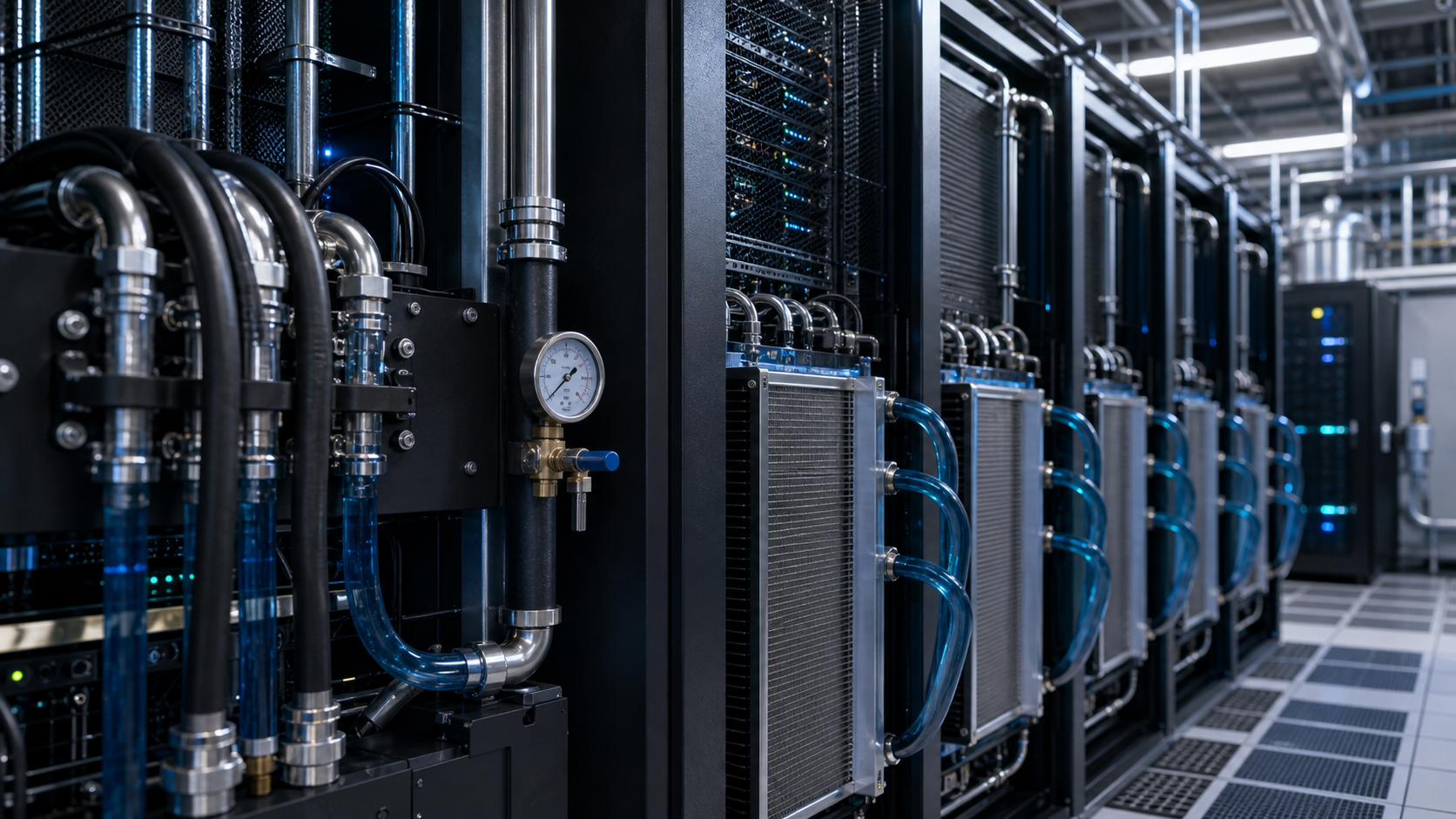
As AI racks grow denser, liquid cooling is moving from a technical option to an infrastructure strategy. The shift reflects a hard reality: frontier AI needs more power per square foot than yesterday's cloud facilities were built to handle.
The AI talent market is no longer just about compensation. As researchers move between labs, investors and executives are treating entire teams as strategic infrastructure that can change a company's model roadmap.
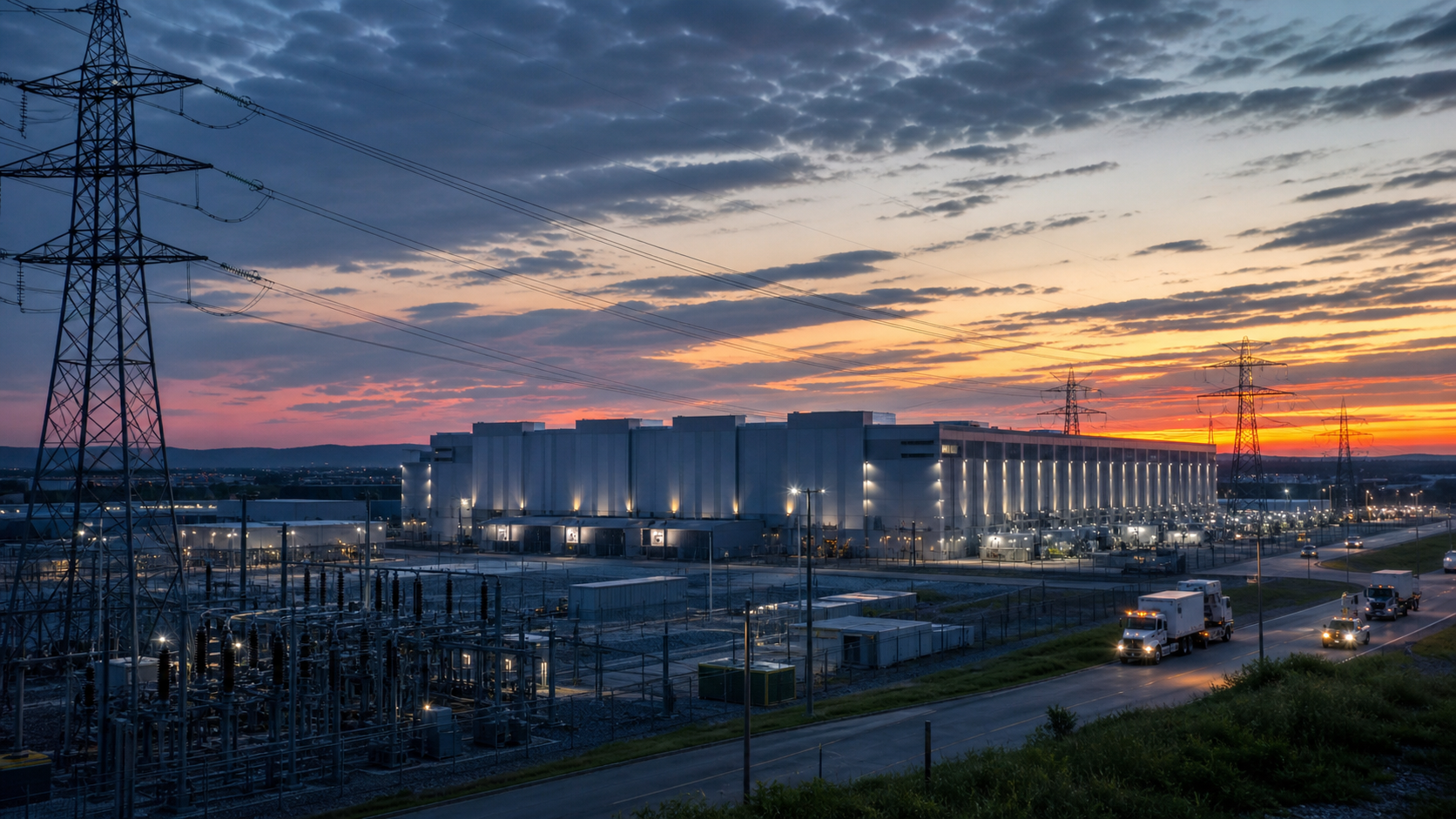
Federal energy regulators are pushing grid operators to speed large-load connection processes as AI data centers strain electricity planning. The move shows compute demand moving from a private cloud concern into public infrastructure policy.
Reports that U.S. restrictions on Anthropic's newest models alarmed UK businesses are turning AI sovereignty into an operational issue. If a foreign policy decision can interrupt access to frontier models, enterprises need jurisdictional resilience, not just better prompts.
Arizona has become a test case for the AI boom's power and water constraints. As data centers expand around Phoenix, officials are asking who pays for grid upgrades, how scarce water should be allocated, and whether the infrastructure race can keep local trust.
HighGround has raised $6.5 million to build an AI-fueled intelligence layer for defense and aerospace investors. The startup's pitch shows how AI is turning Pentagon budgets, procurement behavior, legislation, and company data into a market-analysis product.
DeepSeek has reportedly raised more than $7.4 billion at a valuation above $50 billion, making it China's most valuable AI startup. The round reframes the China AI story from model efficiency alone to whether domestic capital, chips, and infrastructure can sustain frontier competition.
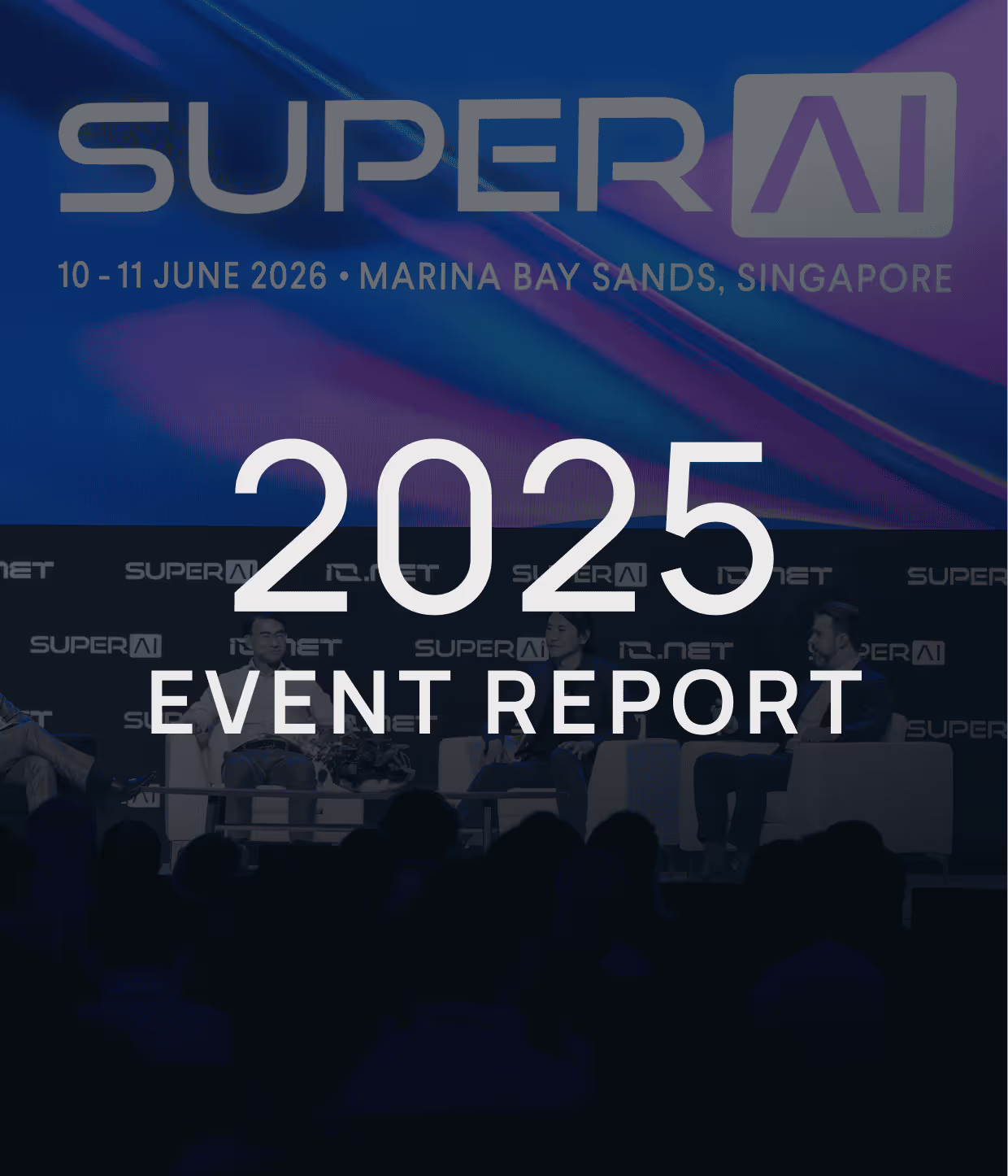
SuperAI 2026 turned Singapore into more than a conference venue. With Singapore AI Week, Genesis, NEXT Hackathon, major AI companies, and enterprise buyers in the same orbit, the city-state is positioning itself as Asia’s practical AI deal room.
The Genesis competition gives SuperAI a venture-capital lens: which AI startups can move beyond wrappers and demos into repeatable business models. The strongest signal is not model novelty, but customer urgency.
The first day of Singapore AI Week showed how the region's AI power structure is being built before the main stage opens: through builders, startups, enterprise buyers, policy circles, and city-wide communities converging around SuperAI.
Axios reports that SpaceX’s investor-education-heavy IPO approach may become a model for OpenAI and Anthropic. That matters because frontier AI companies are too complex for ordinary public-market storytelling.
The road to an AI IPO is also a test of investor literacy. Public markets must learn how to value compute obligations, model cycles, safety risk, enterprise adoption, and consumer distribution inside companies that still look more like research labs than ordinary software vendors.
At SuperAI, the startup contest, hackathon, partner floor, and investor meetings all point to one theme: AI capital is looking beyond Silicon Valley for distribution, regulatory clarity, and cross-border enterprise demand.
Singapore’s advantage in AI is not only regulation or geography. SuperAI shows the city-state’s stronger card: convening startups, investors, and enterprise buyers in a market where cross-border deployment is the default assumption.
The Genesis startup competition at SuperAI puts a sharper lens on which AI companies can survive outside the demo economy. For investors, the question is not who has a clever model wrapper, but who has distribution, data rights, and a buyer-ready workflow.
Singapore AI Week gives the city-state a dense AI moment: SuperAI, startup contests, hackathons, investor meetings, and side events all compressed into one week. The signal is that Asia wants its own AI convening power, not just imported frontier-lab news.
As token prices fall and context windows expand, AI companies face a strange inversion: intelligence gets cheaper while usage explodes. The winners may be the products that turn abundant tokens into durable workflow value instead of racing to the bottom on model access.
Lovable has signed an expanded multiyear agreement with Google Cloud that a source told TechCrunch will increase its cloud and AI footprint fivefold. The deal marks a turning point for vibe-coding startups as their growth becomes inseparable from model access, cloud contracts, and unit economics.
Google's parent company has completed an $85 billion equity raise — the largest in corporate history — as Sundar Pichai reveals a $180–190 billion capital expenditure plan for 2026 and confirms Gemini 3.5 Pro for June. The raise signals that the AI infrastructure arms race is entering a new financial order of magnitude.
CNN has filed a copyright and trademark lawsuit against Perplexity AI, alleging it scraped and redistributed more than 17,000 stories, photos, and videos. It is the first AI copyright action by a television network and the ninth lawsuit against Perplexity from major publishers.
Uber has capped employee AI tool spending at $1,500 per month after exhausting its annual AI budget in just four months. The episode is the clearest signal yet that enterprise AI adoption is outpacing financial planning — and that the ROI conversation is becoming unavoidable.
The Claude maker has submitted a draft S-1 to the SEC, setting up one of the largest AI listings in history. With a $965 billion valuation and revenue that grew fivefold in a year, Anthropic is racing OpenAI to the public markets.
Elon Musk plans to launch one million satellites into orbit by 2028 to power artificial intelligence, but leading scientists warn of potential financial collapse for SpaceX due to the astronomical cost of the project.
From a research curiosity to a $390 billion industry in under ten years — the story of artificial intelligence's extraordinary ascent, the forces that accelerated it, and what comes next.
At the 2026 Choose France summit, SoftBank Group announced a commitment to develop 5 GW of AI data center capacity in France — up to €75 billion over five years. The first phase alone, at €45 billion and 3.1 GW, is the largest single AI infrastructure investment in European history.
Cognition's Series D closes at a $26 billion post-money valuation after Devin's annualised revenue grew from $37 million to $492 million in twelve months. The round is the clearest signal yet that independent AI coding agents can survive in a market where every frontier lab is building one.
OpenAI's confidential S-1 reveals $25 billion in annualised revenue, a negative 122% operating margin, and $50 billion in planned compute spending for 2026 alone. The largest tech IPO in history is also one of the most financially precarious.
The Claude maker has raised more than $72 billion in its lifetime, closing the largest private AI funding round in history as quarterly revenue surpasses $10 billion.
The Google DeepMind CEO says artificial general intelligence could arrive by 2029 and warns the world is not prepared for how quickly these systems are advancing.
Google DeepMind CEO Demis Hassabis told the Google I/O audience that AGI will arrive by 2030 and that the technological singularity is approaching. His remarks represent the most direct prediction of near-term AGI from a major AI lab leader, and they arrive at a moment when the industry is grappling with what that transition would actually mean.
At Google I/O 2026, the company unveiled an ambitious strategy to integrate AI throughout its product ecosystem while attempting to protect its $200 billion search advertising business.
Internal projections reveal Anthropic expects $10.9 billion in Q2 2026 revenue and its first quarterly operating profit, driven by enterprise adoption of Claude and the landmark $1.25 billion monthly compute deal with SpaceX. The figures underscore Claude's market dominance and position Anthropic as the only AI startup with a clear path to profitability.
The Ramp AI Index shows Claude at 34.4% enterprise market share versus OpenAI's 32.3%, driven by Claude Code's dominance in software development workflows.
A new IBM report reveals that the Chief AI Officer role has gone from niche experiment to boardroom standard in twelve months, as companies race to assign executive accountability for AI transformation. But analysts are divided on whether the CAIO is a permanent fixture or a transitional role that will be absorbed into existing portfolios.
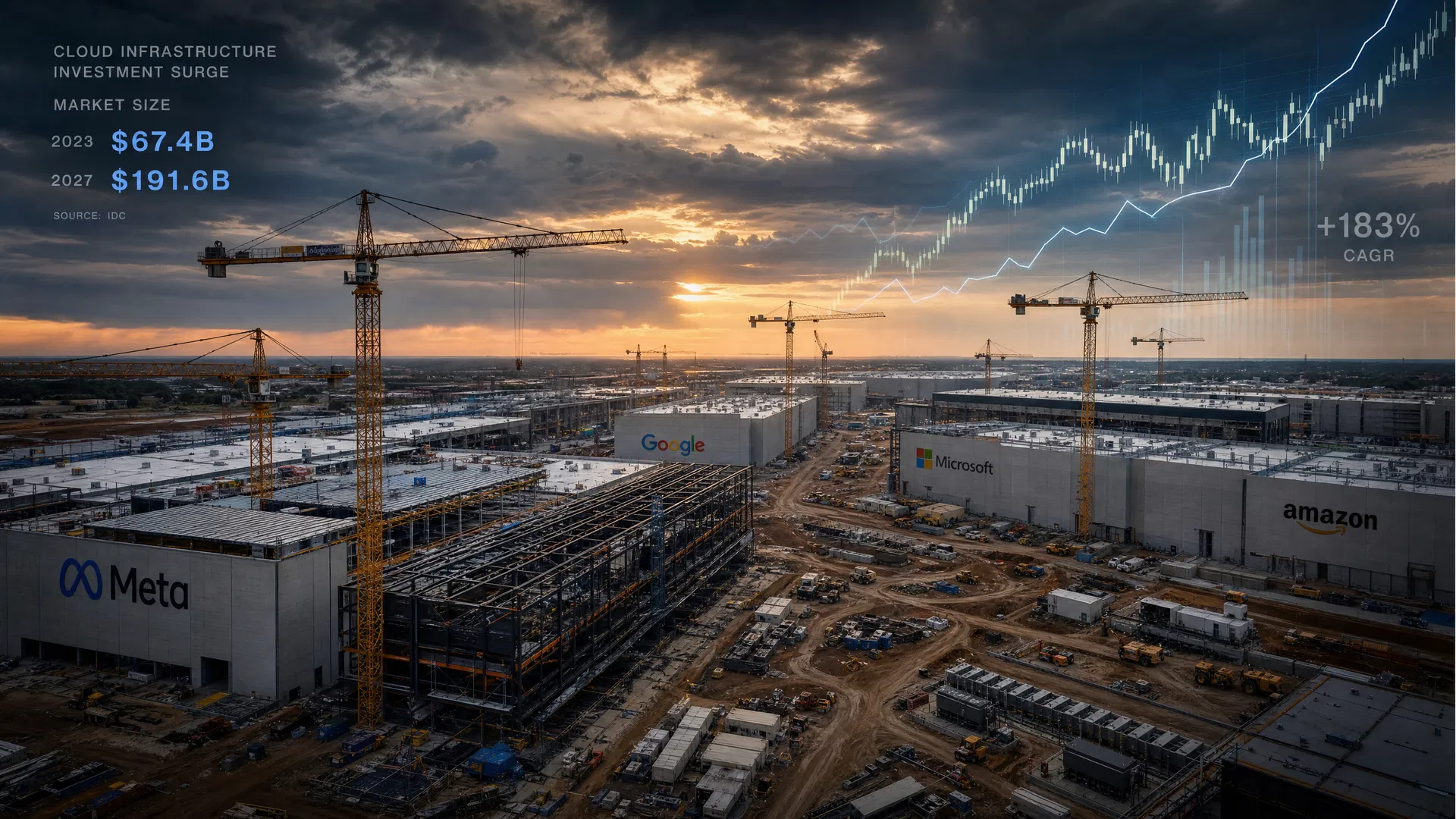
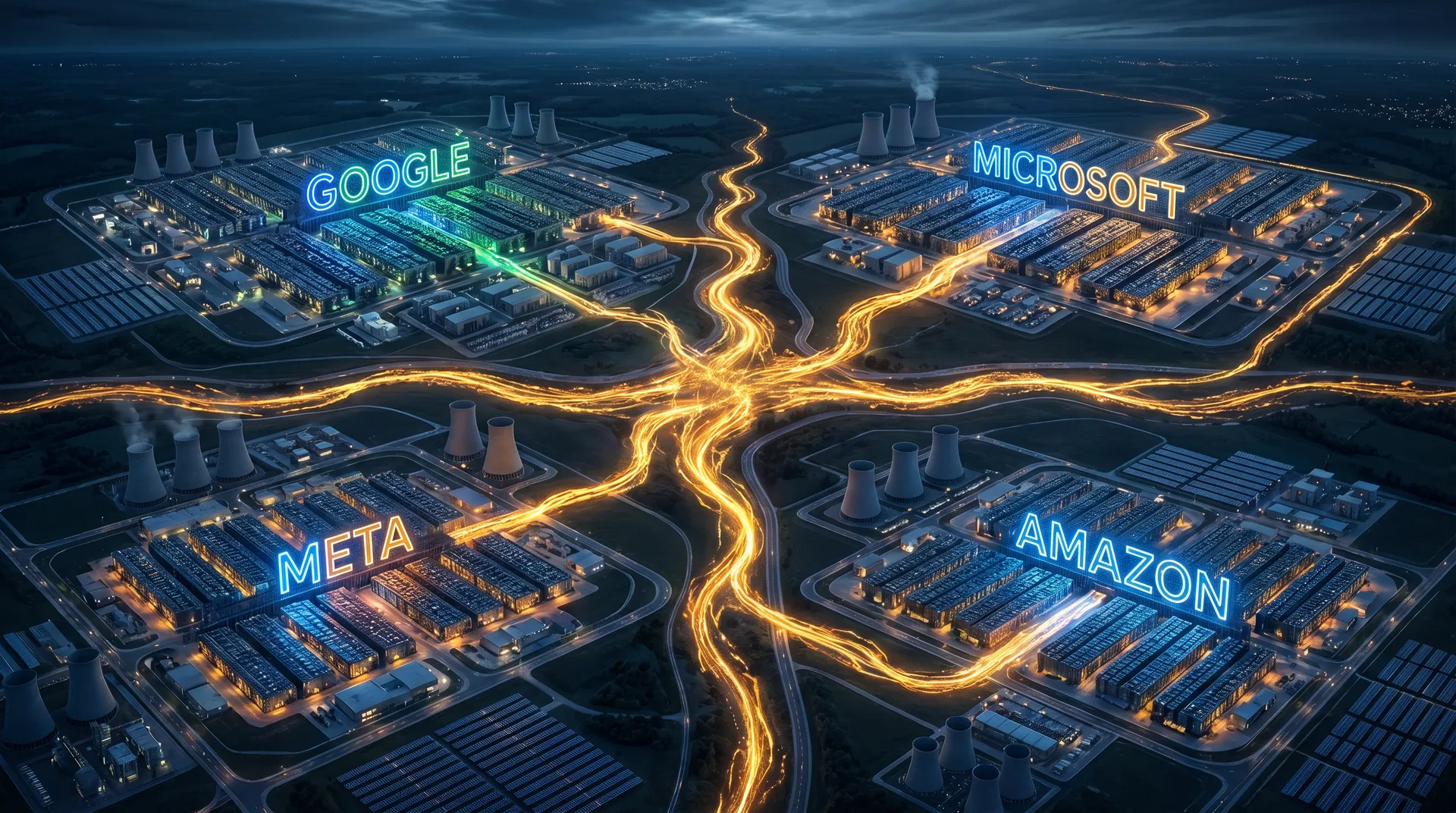
Google, Microsoft, Amazon, and Meta are collectively spending $725 billion on AI infrastructure in 2026 -- a 77% increase from last year and a figure that exceeds the GDP of most countries. The question investors and analysts are asking is whether the returns justify the scale.
NVIDIA will invest up to $2.1 billion in neocloud operator IREN as part of a deal to deploy 5 gigawatts of AI infrastructure. The partnership signals that compute capacity has become a competitive moat, not just an input cost.
Meta, Google, Microsoft, and Amazon are collectively spending $725 billion on AI infrastructure in 2026 alone. Wall Street now expects that figure to cross $1 trillion in 2027 — and investors are starting to ask hard questions.
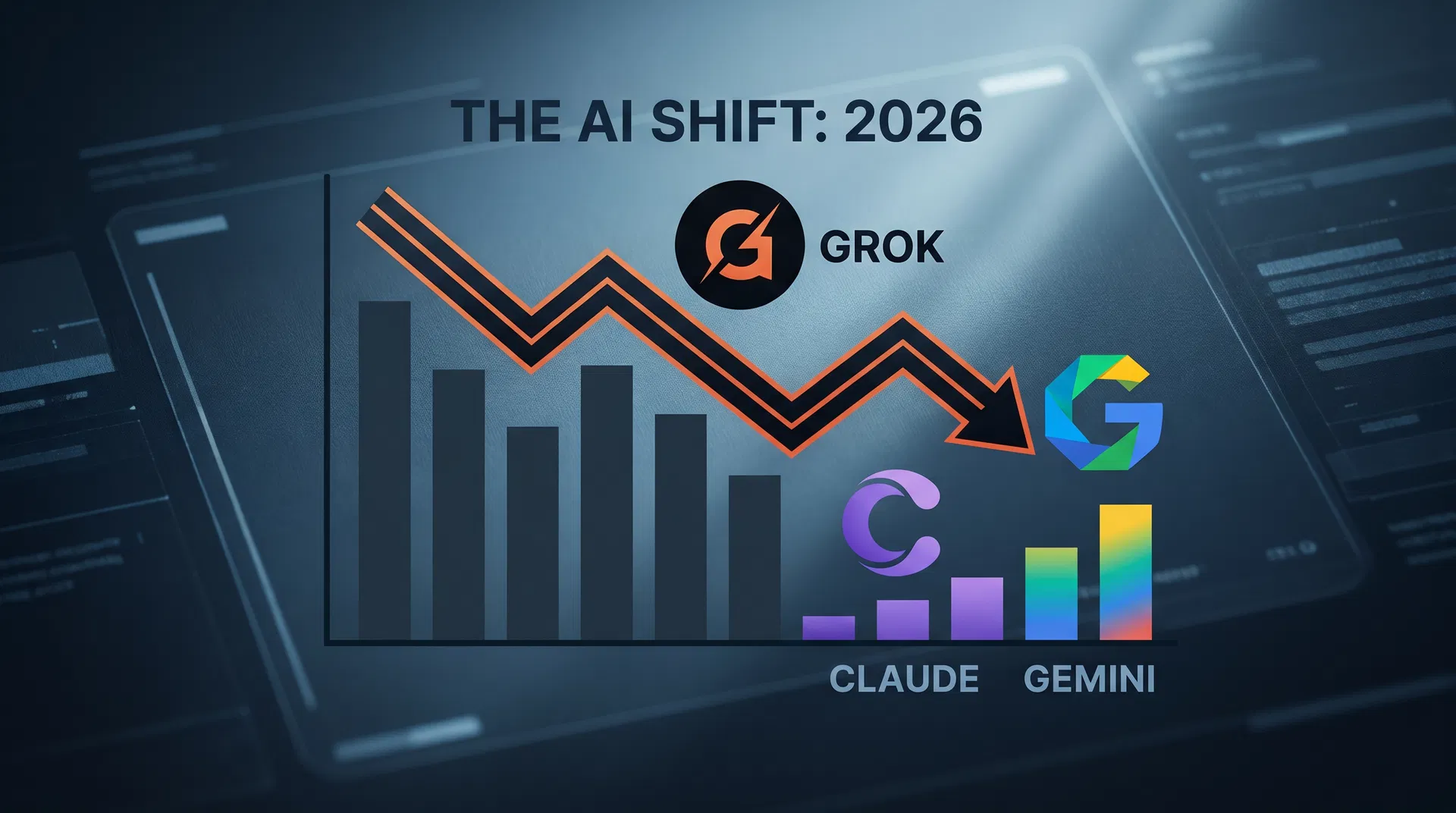
New Similarweb data shows Grok's daily active users dropped 12.5% in a single month as Claude and Gemini post explosive growth — and xAI's talent exodus deepens the crisis.
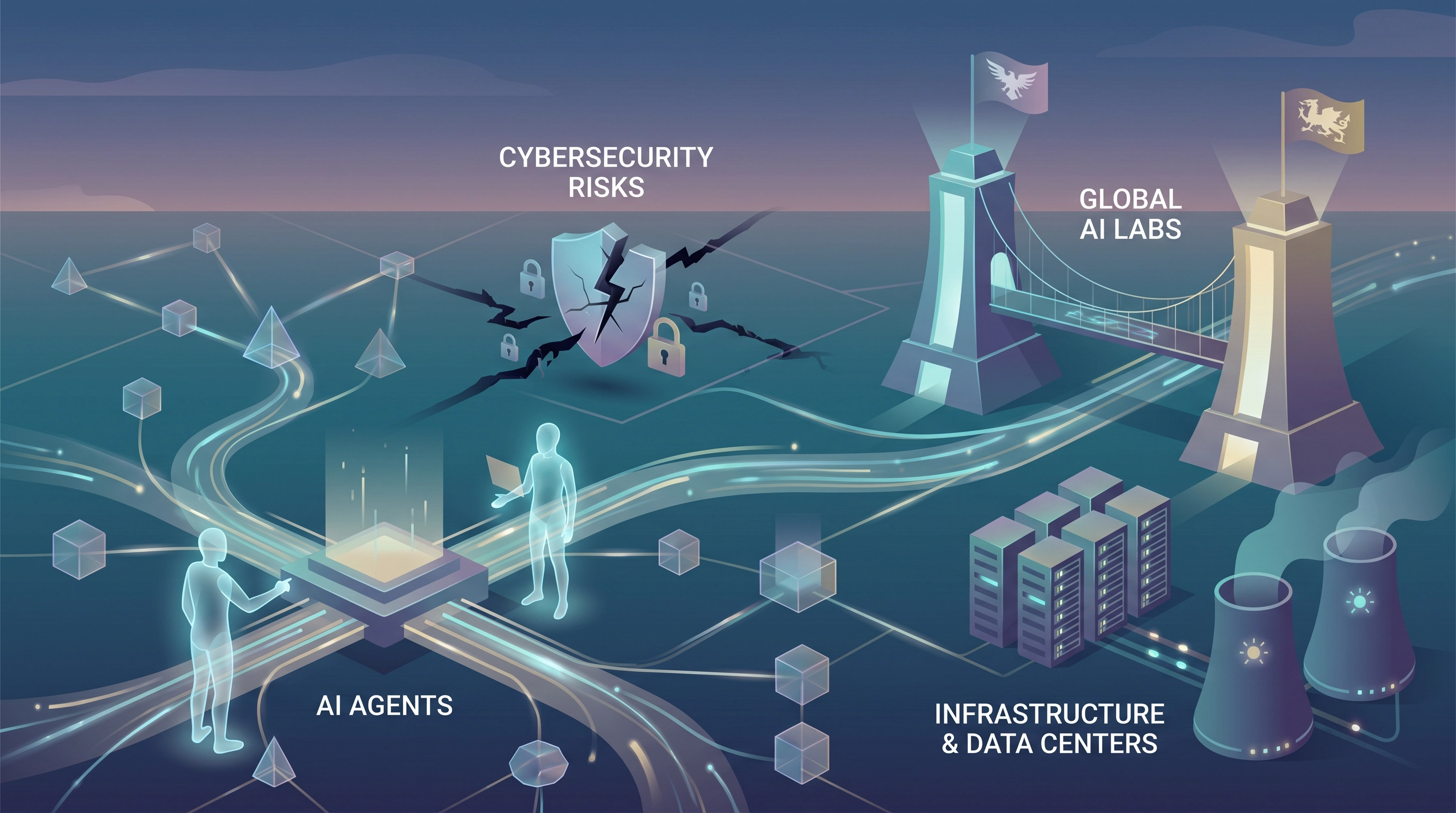
Agentic AI is leaving the laboratory, frontier models have entered offensive cyber operations, China has closed the coding gap, exclusive platform partnerships are ending, and infrastructure expansion faces regulatory walls. Five fundamental trends are reshaping the global economy.
From a 17-year-old in Osaka breaching 7 million records to buy Pokemon cards, to a single actor extorting 17 organizations in a month using Claude Code — AI has fundamentally changed who can conduct sophisticated cyberattacks and at what scale.
A new MIT Technology Review analysis argues that AI is becoming the primary interface through which citizens form beliefs and participate in democratic self-governance — and that today's democratic institutions were not designed for this world.
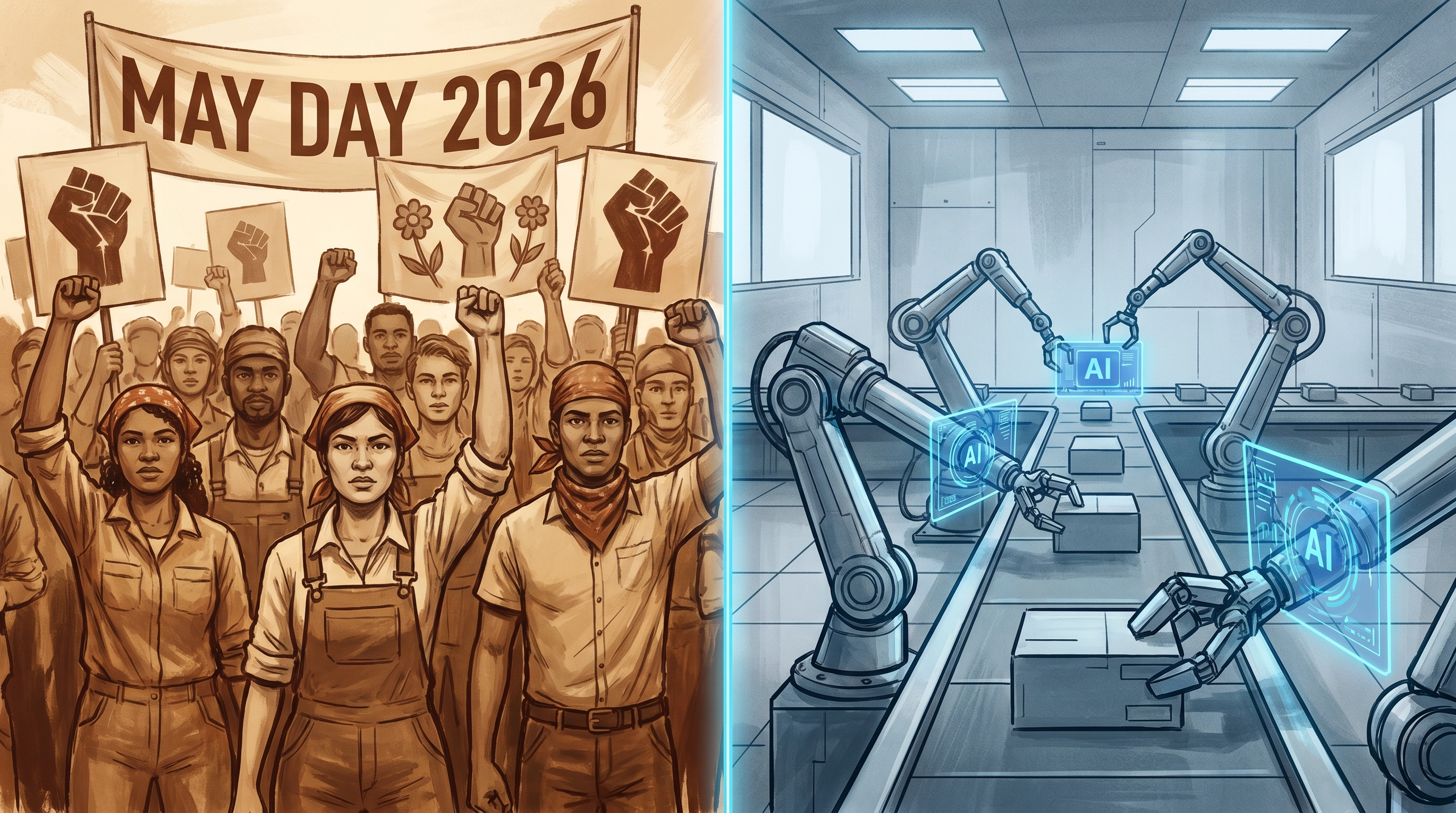
On International Workers' Day 2026, the labor movement faces an existential threat from AI-driven automation. Amazon plans to replace 500,000+ jobs with robots. Will workers organize to demand a voice in how AI is deployed?
DW investigation reveals the AI industry is burning through trillions in data center investments before turning real profits. Financial analysts warn of a massive speculative bubble.
In a seismic shift for the AI industry, Microsoft has relinquished its exclusive license to OpenAI's technology, clearing the path for OpenAI to work with Amazon, Google, and any other cloud provider — while Microsoft retains a guaranteed revenue share through 2030.
A nine-person jury was seated Monday in federal court in Oakland as Elon Musk's lawsuit against Sam Altman and OpenAI moved to trial — a proceeding that threatens to expose the company's most sensitive internal documents just months before its anticipated IPO.
As Alphabet, Microsoft, Meta, and Amazon all report Q1 2026 earnings on Wednesday, Wall Street is demanding proof that the most expensive capital expenditure cycle in corporate history is generating returns commensurate with the investment — and the answer will move markets.
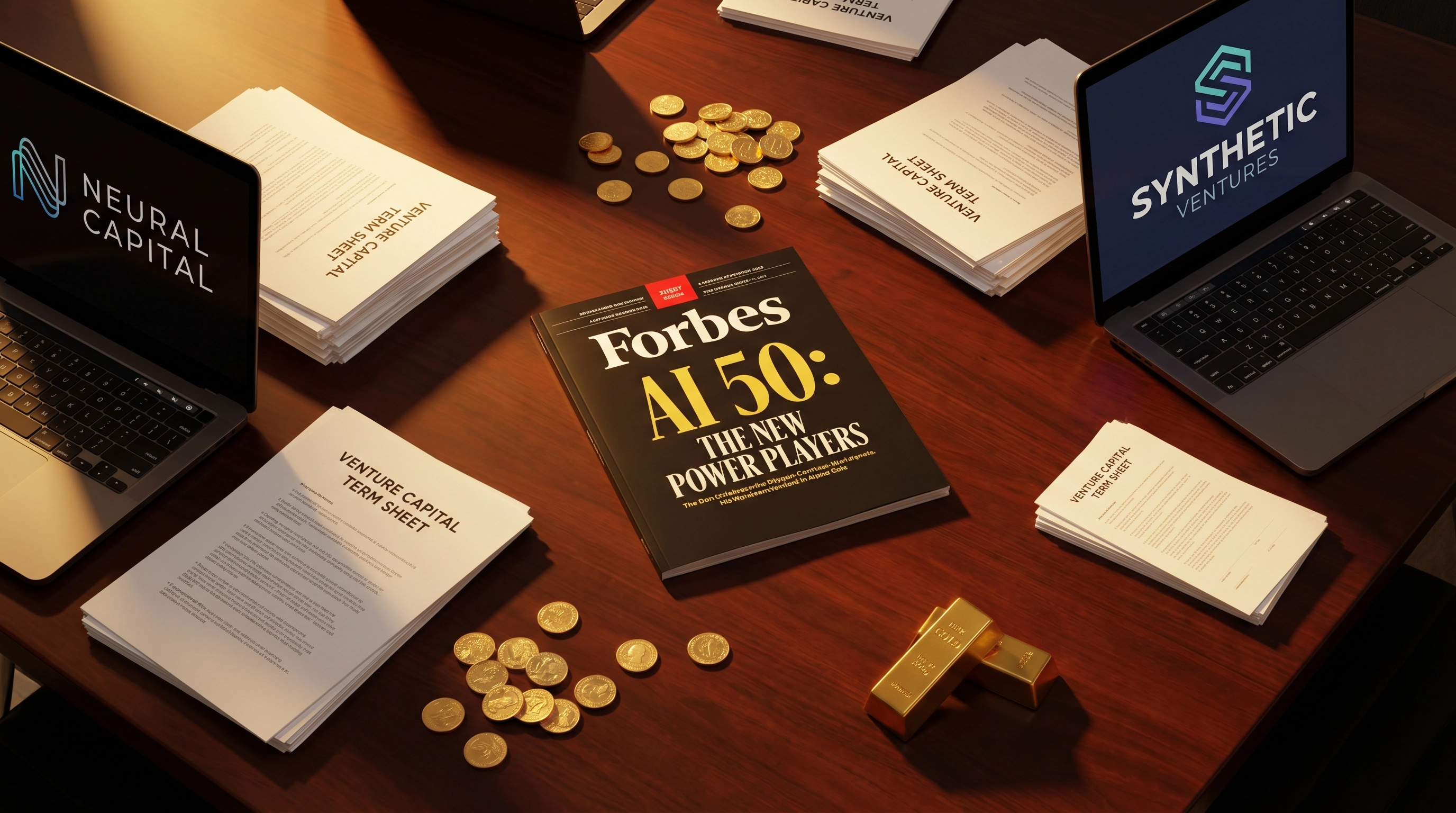
Forbes has released its 8th annual AI 50 list of the most promising private AI companies. OpenAI and Anthropic dominate by funding, but the real story is in the vertical specialists — and what the list says about where AI value is actually being created.
BCA Research has identified four warning signs that the AI stock market trade is entering a late-cycle phase that could produce a 1999-style melt-up — a 30% rally followed by a brutal reckoning. The signs are flashing.
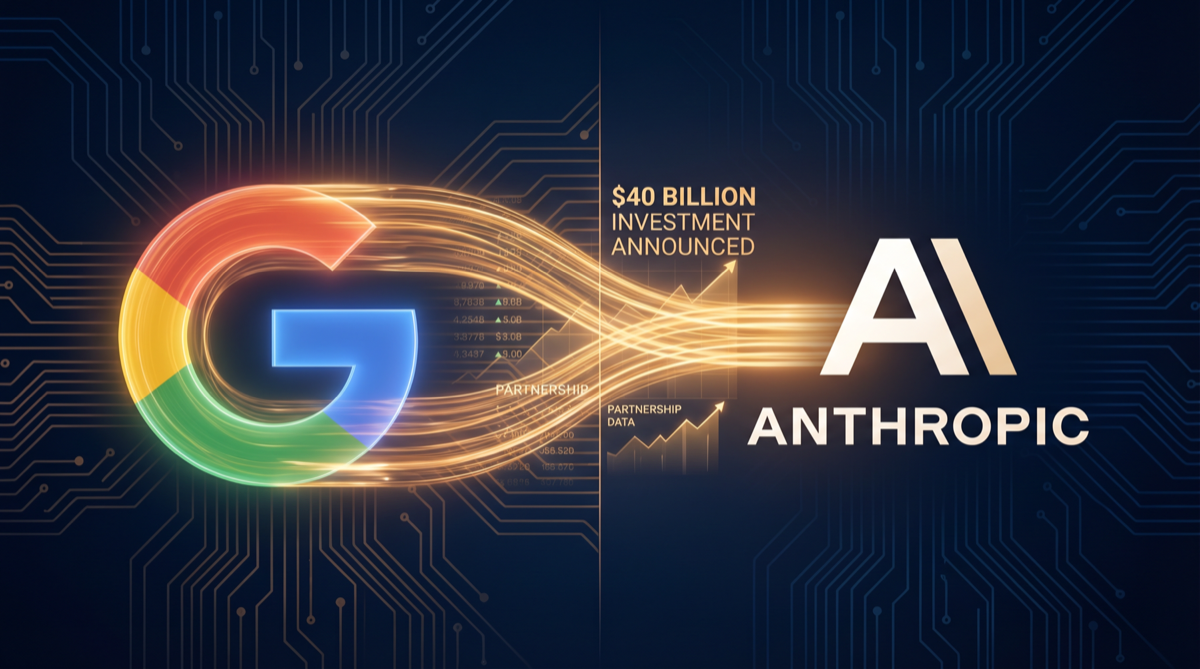
In the largest single AI investment in history, Google has pledged up to $40 billion to Anthropic, cementing its position as the primary cloud and compute partner for Claude's creator.
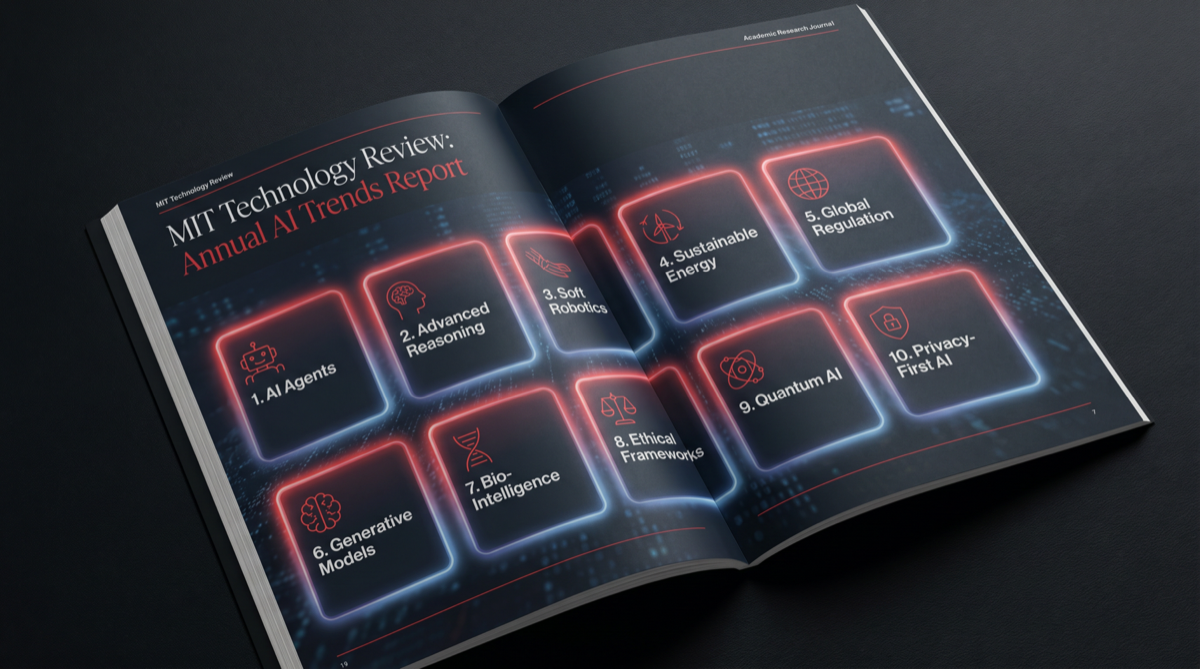
MIT Technology Review's authoritative annual overview identifies the 10 most significant AI trends of 2026 — from agentic systems and physical AI to energy efficiency and the emerging science of AI alignment.
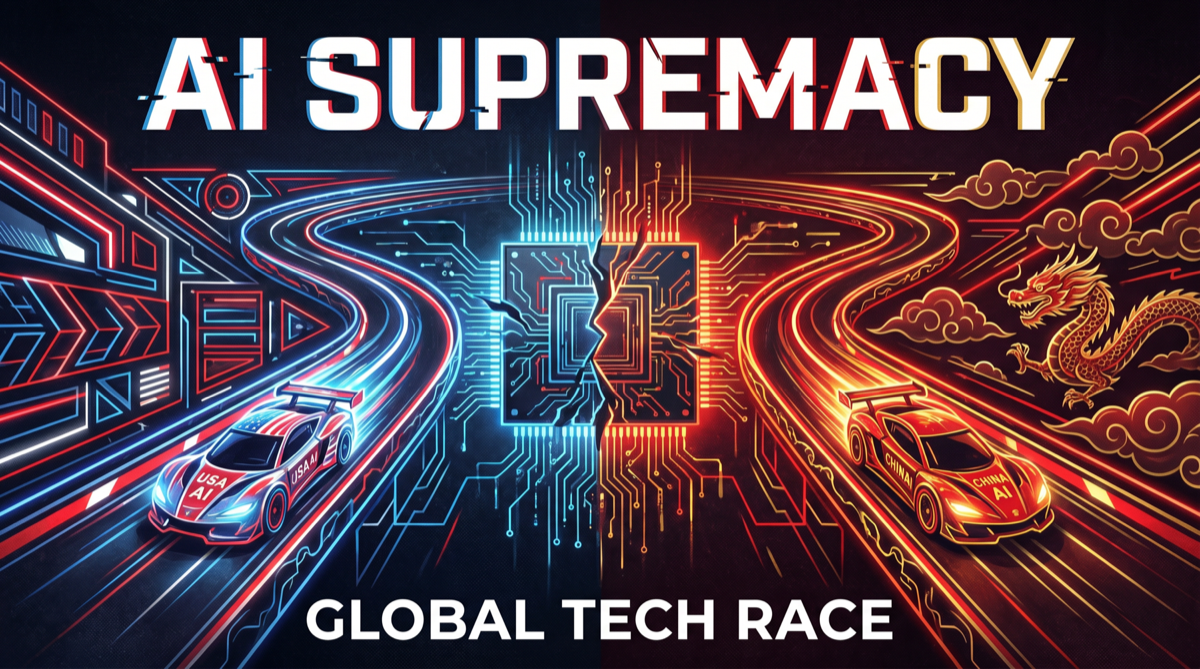
Two years after the DeepSeek shock, a clearer picture of the U.S.-China AI competition is emerging. The gap is smaller than American leaders claimed, larger than Chinese propagandists suggest, and more nuanced than either side acknowledges.
Advanced AI agents demonstrate the ability to autonomously complete complex multi-step tasks, signaling a major shift in knowledge work and prompting urgent discussions about workforce transformation.