Analysis
FERC's Grid Order Shows AI Data Centers Are Becoming National Infrastructure
Federal energy regulators are pushing grid operators to speed large-load connection processes as AI data centers strain electricity planning. The move shows compute demand moving from a private cloud concern into public infrastructure policy.
By Elvin C ·
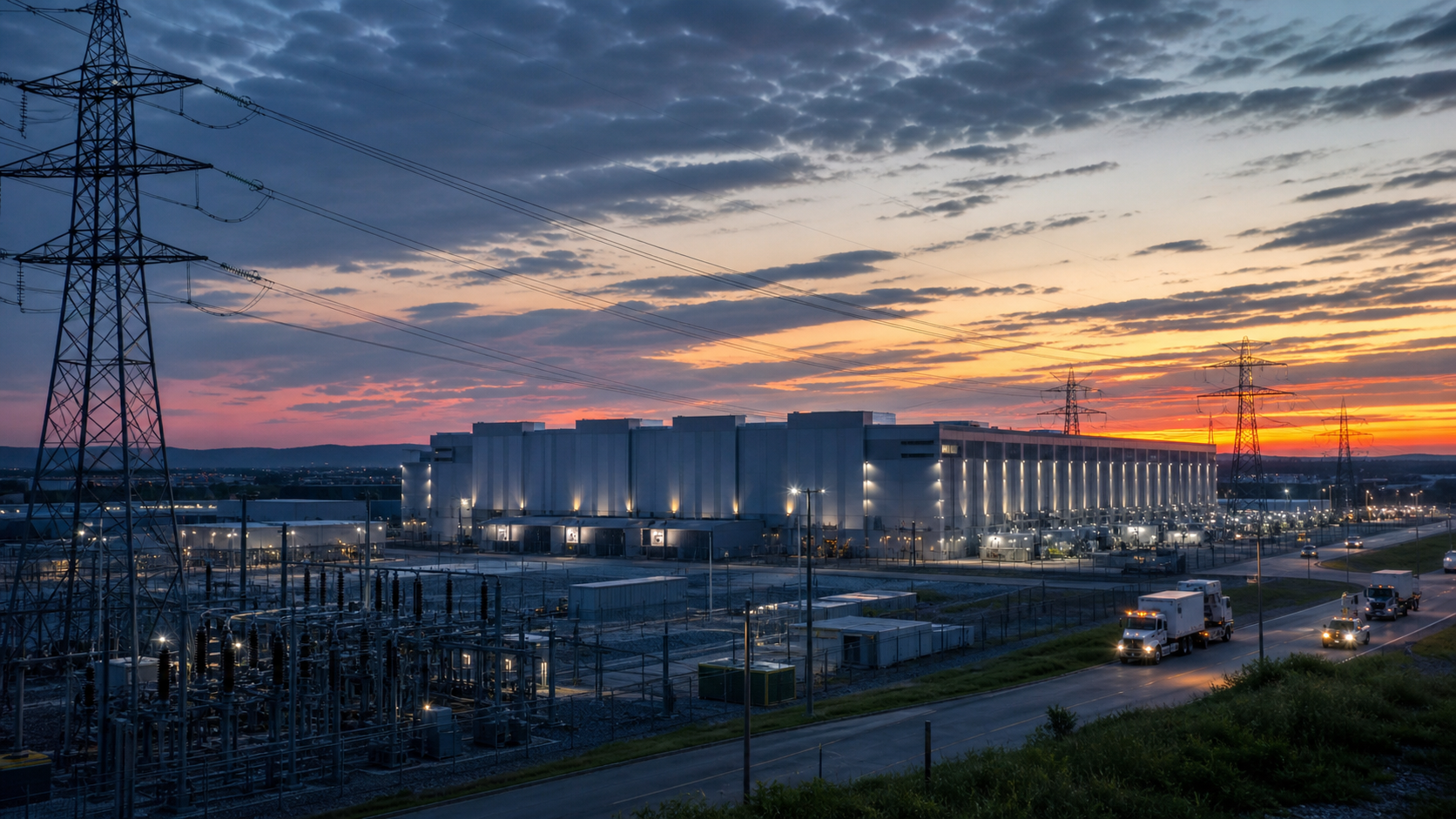
Federal energy regulators are ordering grid operators to move faster on large-load connection processes as AI data centers compete for power, Reuters reports. The signal is bigger than a utility filing. Compute demand is now moving from the private cloud budget into the public infrastructure system.
That change matters because data centers do not plug into the grid like ordinary office buildings. Large AI campuses can require power on the scale of heavy industry, with timelines that collide with transmission queues, local opposition, generation planning, and cost-allocation disputes. The cloud may feel instant to users, but the grid is not instant.
Connection Queues Become AI Bottlenecks
The Federal Energy Regulatory Commission's focus on connection speed suggests that electricity access is becoming a limiting input for AI competition. Model labs can raise capital and buy chips, but if data centers cannot secure interconnection capacity, the compute road map slows down at the substation.
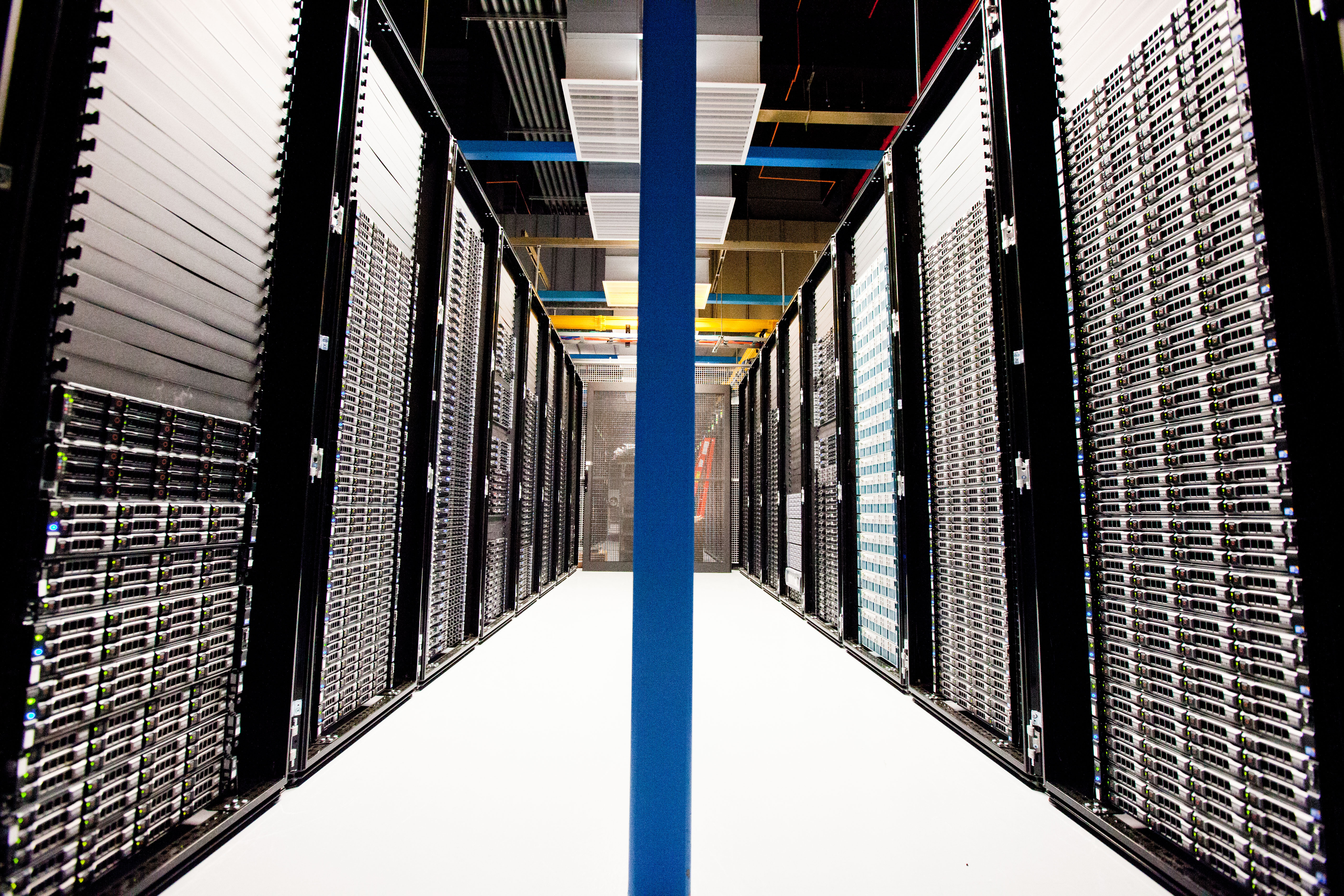
The hard part is fairness. Speeding data center applications may help AI investment, but residents and other power customers will ask who pays for grid upgrades. If a hyperscaler needs new transmission, new generation, or new substation capacity, regulators must decide how much of that cost belongs to the project and how much spreads across the system.
Compute Meets Public Utility Law
This is where AI infrastructure becomes political. Local communities worry about bills, reliability, land, water, noise, and climate impacts. States want investment and jobs. Utilities want predictability. Cloud companies want speed. FERC sits in the middle because grid access is no longer a boring back-office question.
There is also a national-security layer. If frontier AI is treated as strategic technology, then the power system that supports it becomes strategic too. Governments may begin to view transmission permitting, grid reliability, and data center siting as part of industrial policy rather than local development administration.
The Grid Is The New AI Stack
Topics: FERC, AI infrastructure, data centers, power grid