Analysis
AI Data Centers Are Pushing Liquid Cooling From Niche Engineering To Boardroom Strategy
As AI racks grow denser, liquid cooling is moving from a technical option to an infrastructure strategy. The shift reflects a hard reality: frontier AI needs more power per square foot than yesterday's cloud facilities were built to handle.
By Elvin C ·
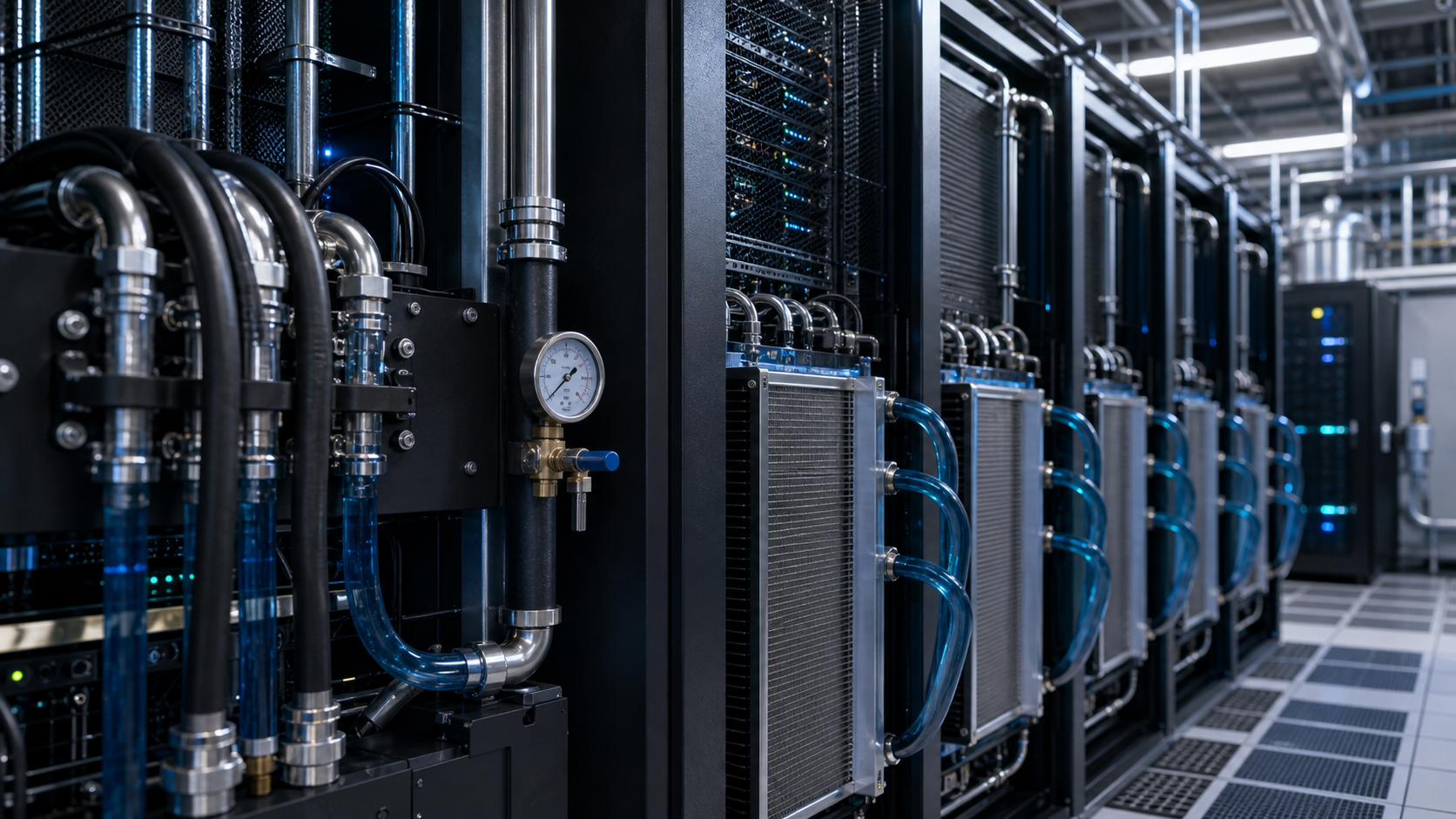
AI data centers are pushing liquid cooling into the center of infrastructure planning. The reason is simple: GPU-dense racks produce heat at a level that traditional air-cooled cloud facilities were not designed to absorb. As model serving and training demand rises, cooling is becoming a strategic cost line.
The cooling debate is also a water debate. In hot or water-stressed regions, evaporative cooling can trigger local resistance. Liquid cooling can reduce some cooling burdens, but it introduces new engineering, maintenance, supply-chain, and reliability questions.
Power Density Changes The Building
Cloud data centers were optimized for broad, distributed workloads. AI clusters concentrate heat and power into tighter footprints. That means the building, not just the server, has to change: power delivery, chillers, coolant loops, fire safety, repair workflows, and floor layouts all become part of AI strategy.
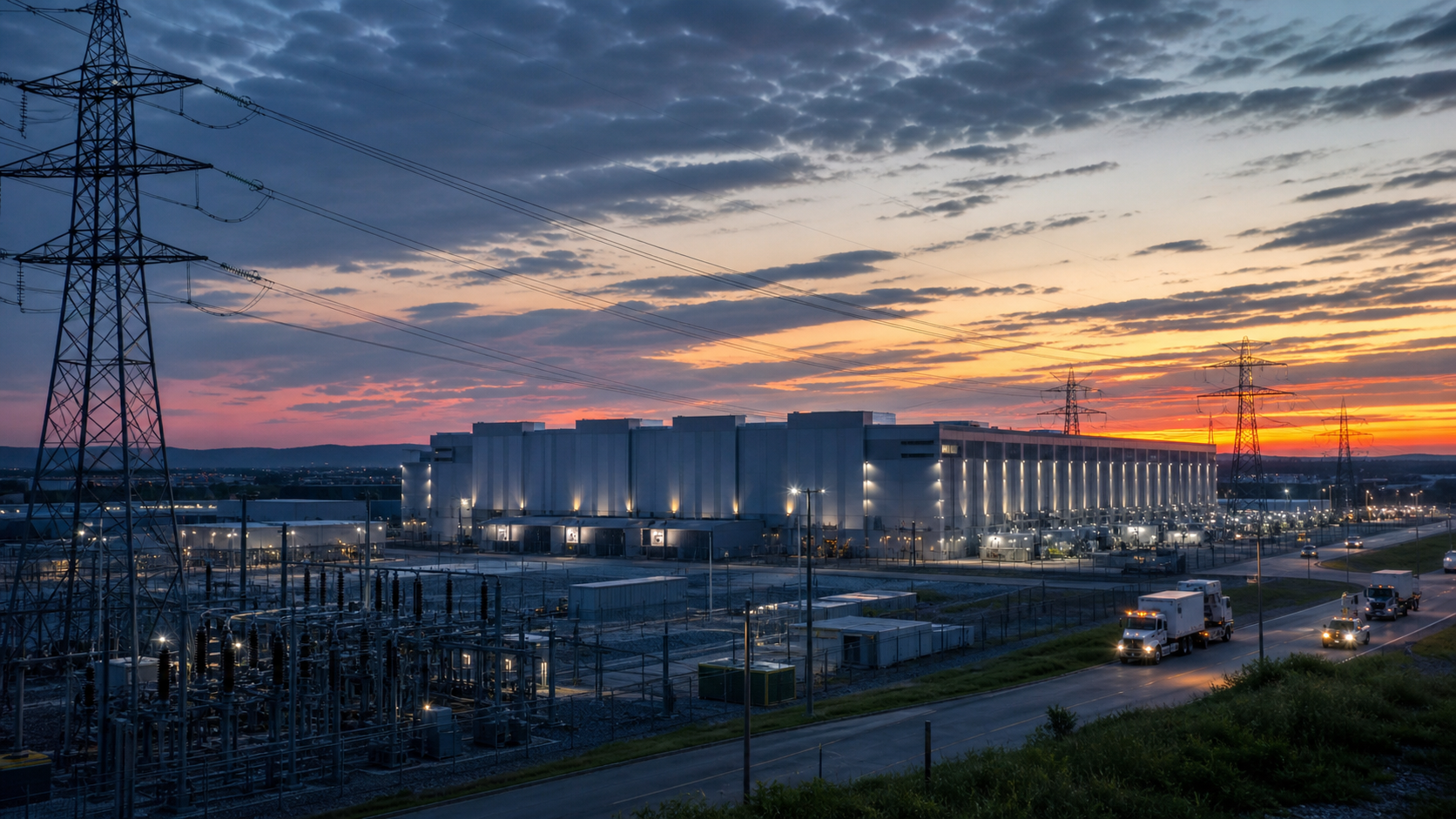
This matters for investors because cooling choices affect capital expenditure and uptime. A cluster that cannot run at high utilization is stranded value. The most sophisticated AI infrastructure companies are therefore competing on thermal design as much as on chip procurement.
Local Politics Enters The Server Room
Cooling also shapes permitting. Communities ask whether data centers will consume scarce water, raise electricity bills, or stress the grid during heat waves. Operators that can show lower water intensity and clearer power planning may have an advantage in contested regions.
Topics: AI infrastructure, liquid cooling, data centers, energy