Analysis
Microsoft Says AI Data Centers Are Raising Emissions, Making The Power Question Harder To Ignore
Microsoft says its total emissions rose year over year as data-center infrastructure expanded, underscoring the gap between AI growth commitments and the work required to add cleaner power to the grid.
By Elvin C ·
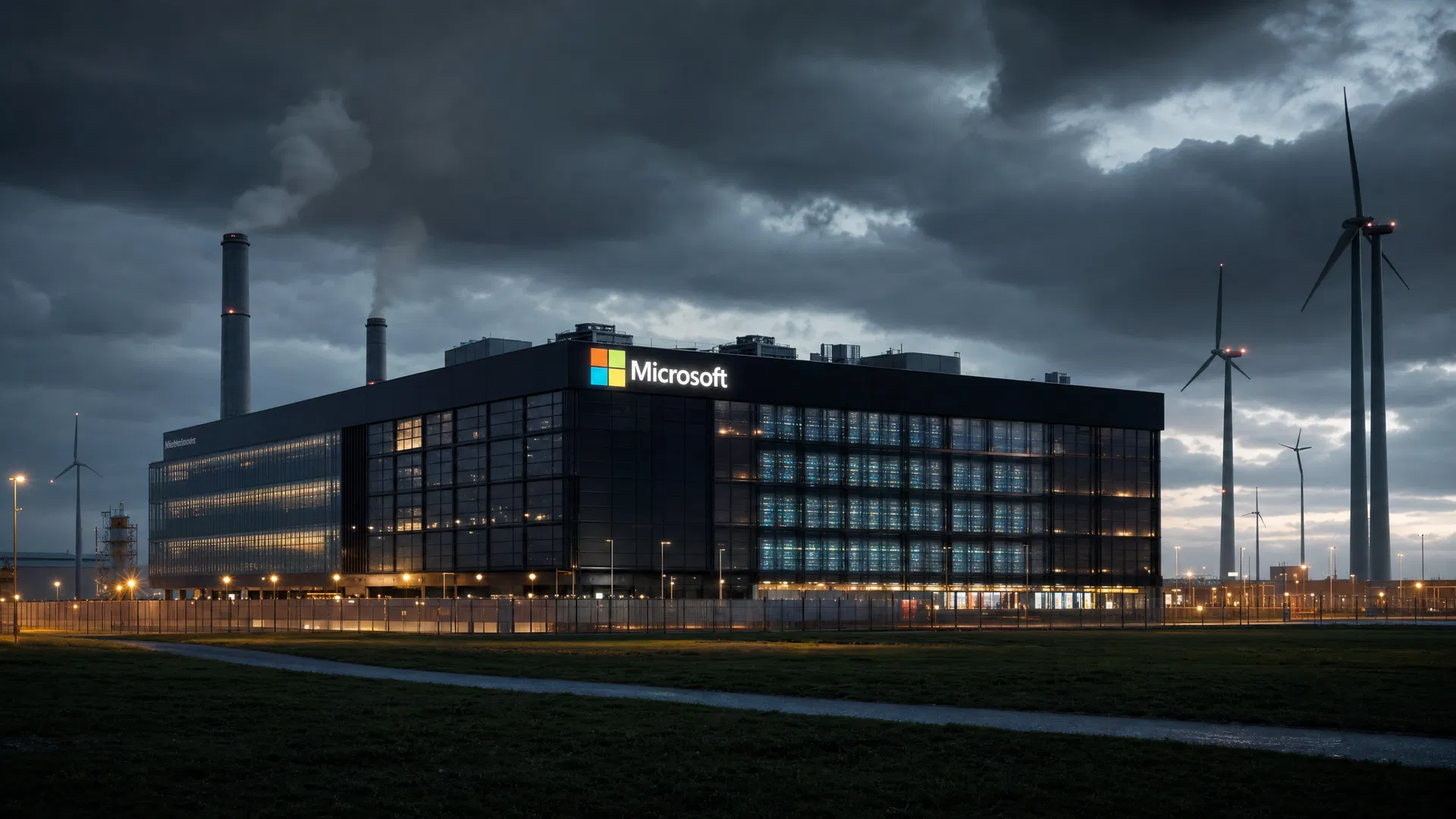
Microsoft says its total emissions rose 25% year over year as it expanded data-center infrastructure, a disclosure that makes the physical cost of the AI buildout difficult to treat as a distant sustainability issue. In a July 9 post, the company said it is prioritizing investments that add new power to grids rather than relying on unbundled renewable-energy certificates.
The distinction matters because AI demand is arriving faster than many electricity systems can build clean generation and transmission. A company can procure renewable power on paper while a new data center still increases pressure on a grid that depends on fossil generation at the margin. The tougher standard is whether a project helps bring additional low-carbon capacity online where and when the load is growing.
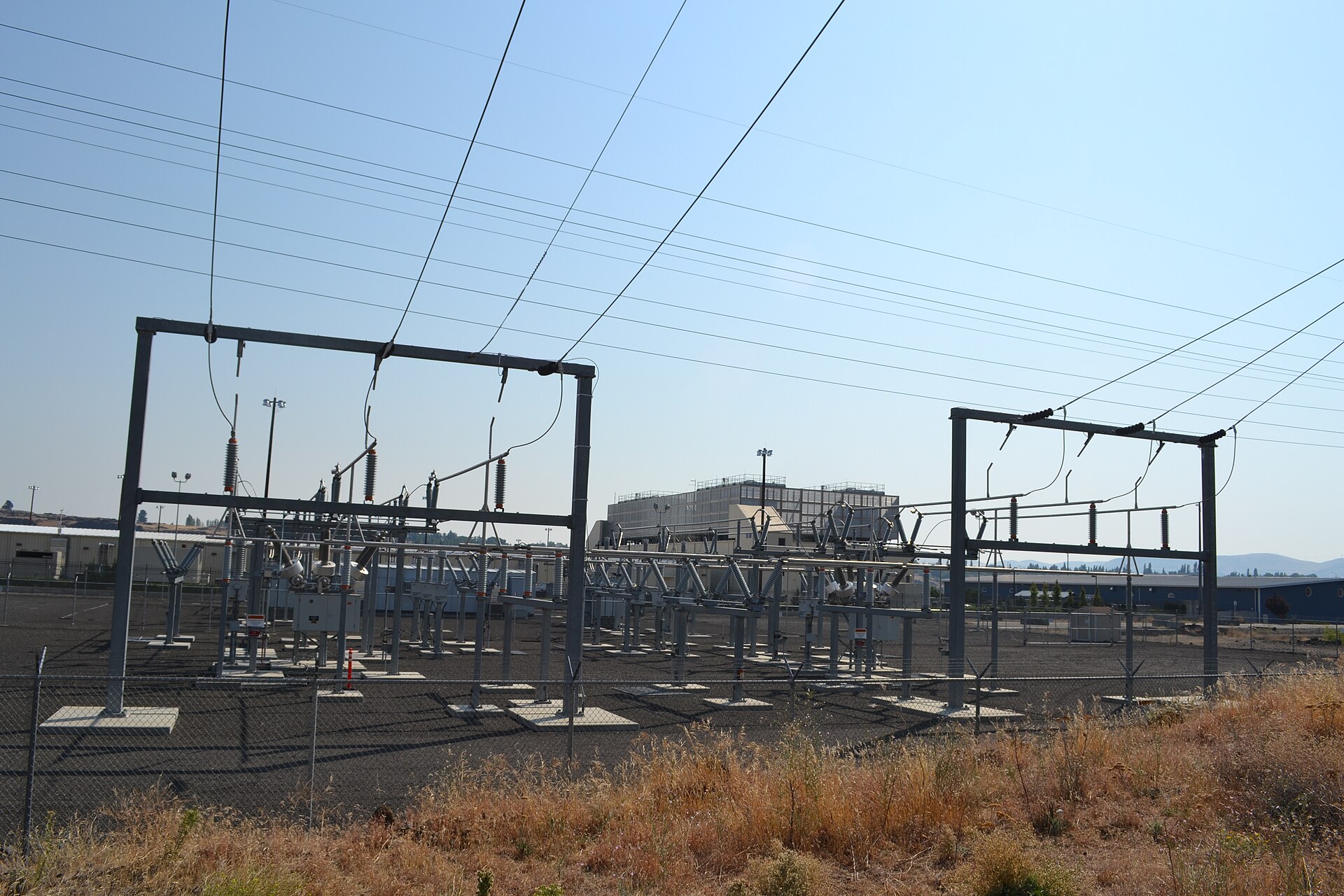
Microsoft's disclosure is notable because the company has positioned itself as a sustainability leader while simultaneously investing heavily in AI. Those goals are not incompatible, but they are not automatically aligned. The more capacity a company builds, the more it needs generation, storage, transmission, water planning and community agreements that keep pace with the load.
For investors, the energy issue is becoming a margin and execution issue as much as a climate issue. Delayed interconnection can delay revenue. Power contracts can change the economics of a campus. Community opposition can slow permits. A credible AI infrastructure strategy now needs an answer to what happens after the chips arrive: where the electricity comes from, how resilient the supply is and who bears the local cost.
Microsoft's numbers do not invalidate its climate goals. They make the scale of the task clearer. The next phase of AI competition will not be decided only by models and hardware. It will be decided by which companies can build computing capacity without treating the power system as an external detail.
Topics: Microsoft, data centers, emissions, AI infrastructure