Analysis
Europe's AI Megafactories Put Compute Sovereignty On A Construction Schedule
The EU is backing seven large AI computing sites with public and private capital, turning the continent's sovereignty ambitions into a harder question about chips, power, water and delivery.
By Elvin C ·
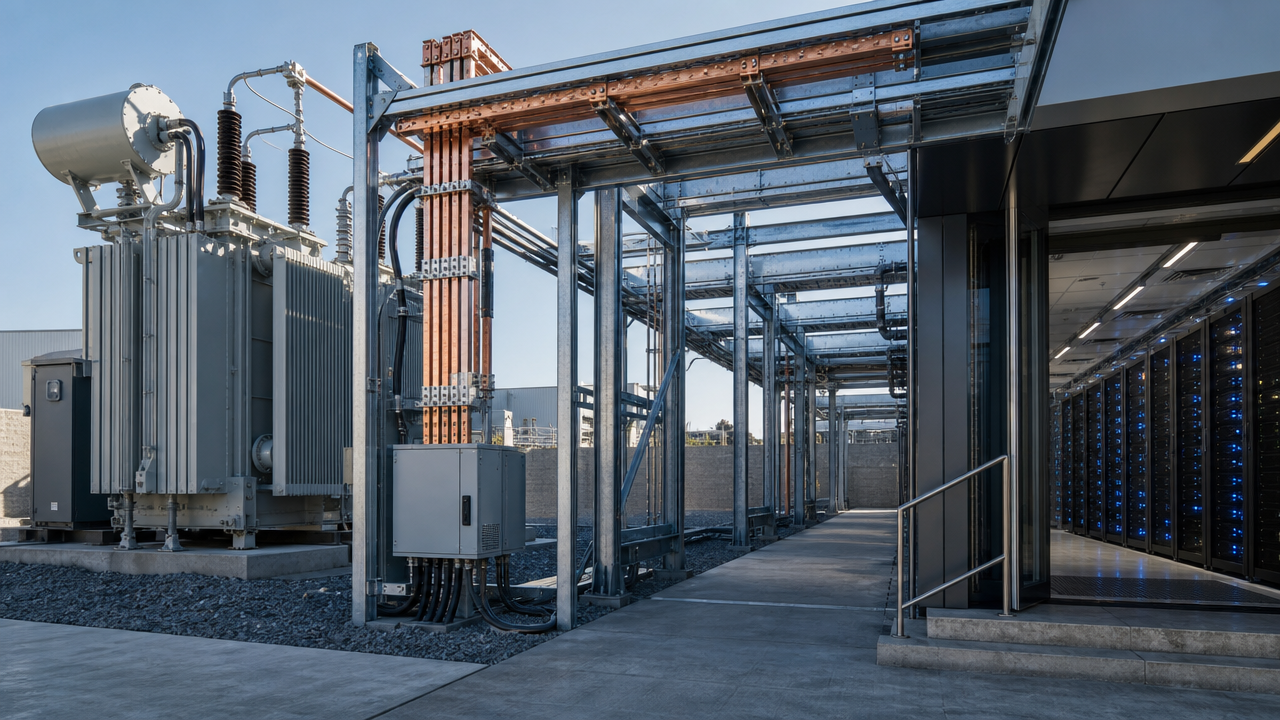
Europe is moving from AI sovereignty rhetoric to construction plans. The European Commission has opened a process for seven AI megafactories, with public funding intended to unlock substantially larger private investment. The facilities are designed to combine data centers and supercomputing capacity for next-generation models. The announcement is an admission that regulation alone cannot create a competitive AI industry; it also needs machines, power contracts and institutions able to operate them.
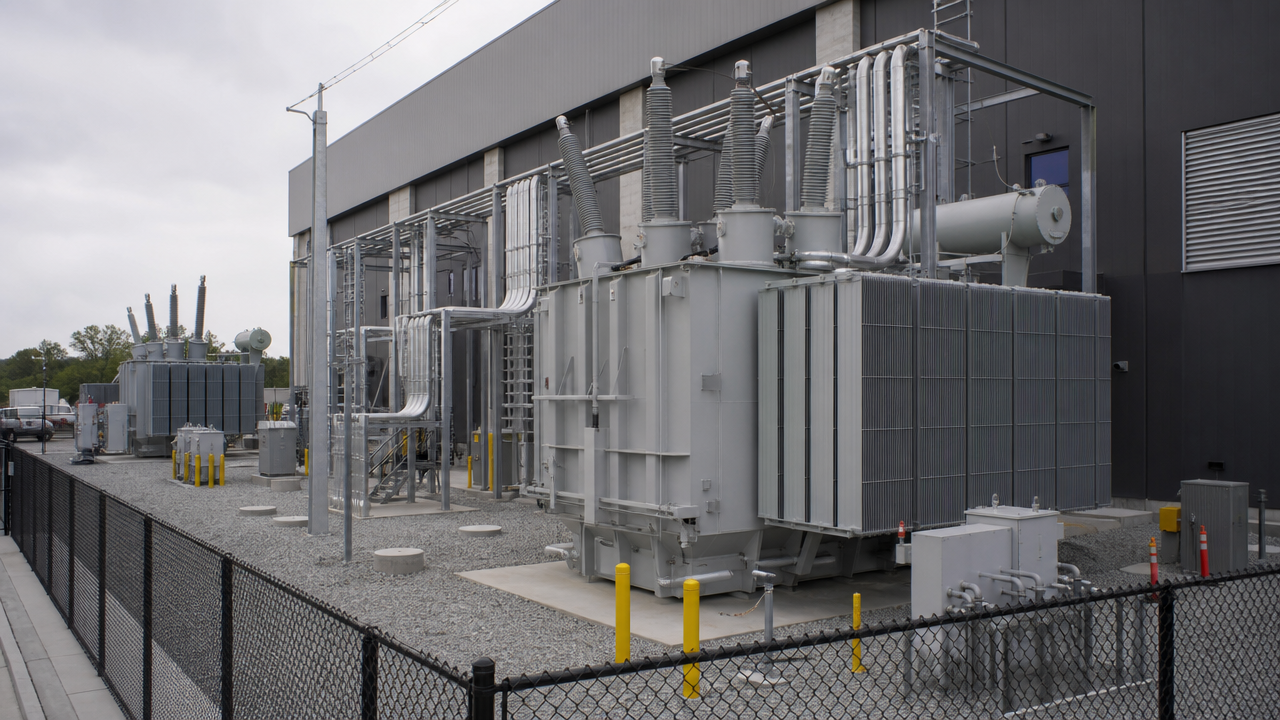
The capital numbers are large, but the constraint is physical. A serious AI site requires transmission capacity, cooling, network links, permits, construction talent and a clear answer to who will use the machines when they are ready. Europe can subsidize the first layer of investment. It cannot avoid the work of matching capacity with researchers, companies and public institutions that have sustained workloads.
There is a strategic contradiction at the center of the plan. The projects are intended to reduce dependence on foreign technology, but the leading accelerators are still expected to come largely from American suppliers. That does not make the investment meaningless. It makes sovereignty a matter of degrees: where systems are located, who can access them, what legal rules apply and whether European users have alternatives when supply tightens.
The environmental question is just as real. Data centers need electricity and, depending on their design, significant water for cooling. The strongest projects will have to show new low-carbon supply rather than simply competing with households and manufacturers for existing capacity. A megafactory that creates local political resistance before it trains a useful model will not advance the wider strategy.
The first operational sites are still years away. That gives Europe time to make the program more than a procurement headline: create open access routes, support regional research groups and measure whether the capacity is producing scientific and commercial value. The construction schedule will reveal whether compute sovereignty is a durable industrial policy or an expensive promise.
Topics: Europe, AI infrastructure, data centers, compute