Analysis
Anthropic Commits to $45 Billion Six-Year Compute Deal With Nscale
According to TechCrunch report, Anthropic has agreed to rent approximately $45 billion in AI compute capacity from British infrastructure company Nscale over six years, with service expected to begin in late 2027 from a West Virginia data center. The arrangement reflects intensifying capital commitments across the AI sector as frontier model developers secure long-term hardware access amid supply constraints.
By Elvin C ·
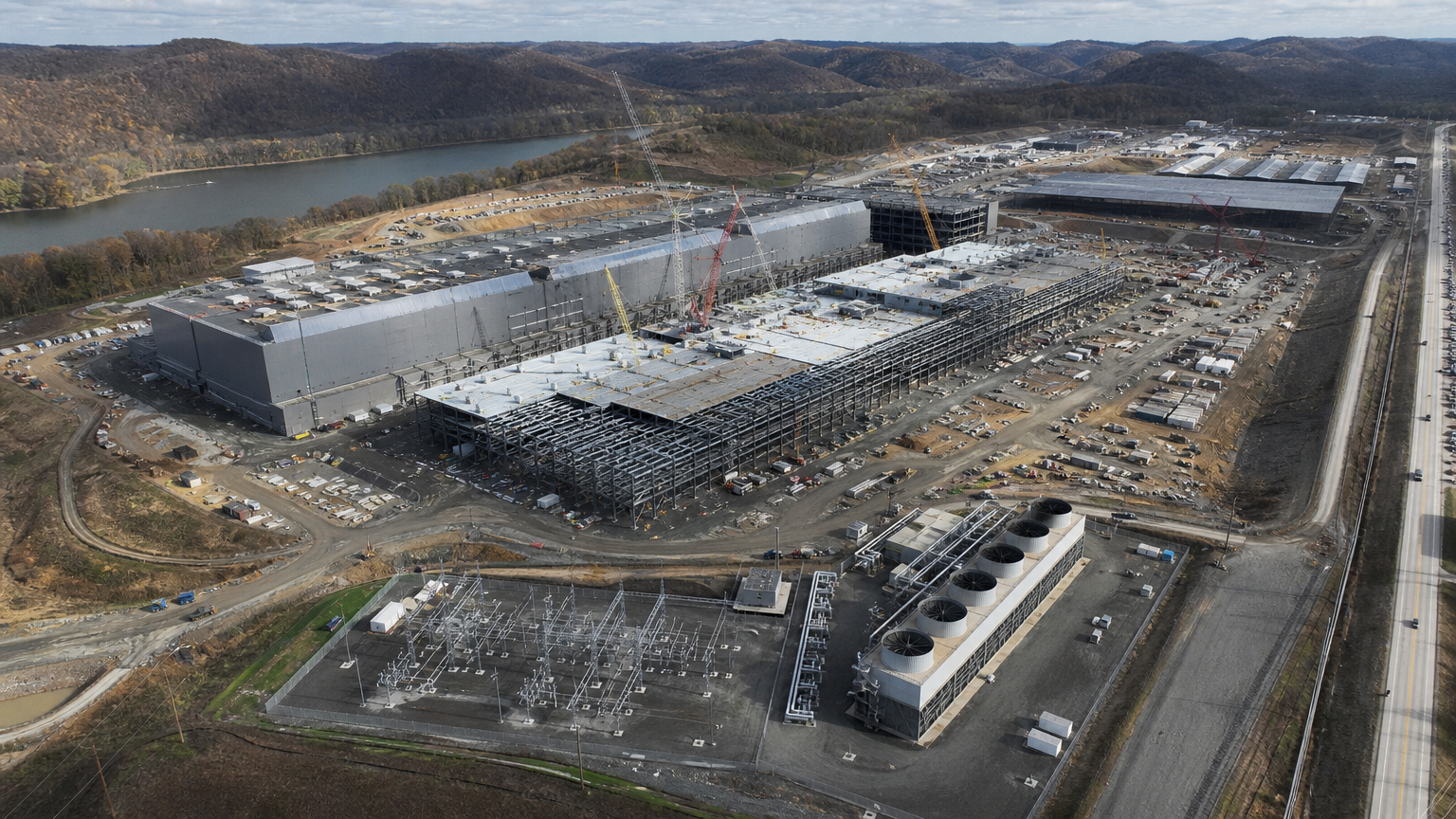
Anthropic has entered into a reported $45 billion compute rental agreement with Nscale, a British infrastructure operator, according to sources cited by TechCrunch. The six-year capacity commitment is expected to commence operations in late 2027 from Nscale's West Virginia data center, utilizing Nvidia Vera Rubin systems for GPU-based inference and training workloads. The figures cited,$45 billion in total capacity value and a late 2027 operational start,remain unconfirmed by either company and should be treated as reported rather than officially verified. This arrangement sits alongside previously disclosed compute partnerships that Anthropic has established with Volta, AMD, SpaceX, Amazon Web Services, Google, and Broadcom, suggesting a deliberate strategy to diversify supplier relationships and secure long-term hardware allocation across multiple vendors and infrastructure providers.
The Nscale arrangement raises several structural questions about capital efficiency, utilization forecasting, and counterparty concentration in long-term compute markets. A $45 billion, six-year commitment implies an average annual capacity spend of approximately $7.5 billion, or roughly $12.5 million per day. For a company that has reported annual revenue in the single-digit billions, committing multi-year hardware capacity at this scale represents a significant leverage point on future model economics and revenue trajectories. The deal also suggests confidence,or necessity,around demand forecasting. Anthropic must project that customer adoption of its Claude models and services will generate sufficient revenue and margin to justify sustained, expensive compute utilization across a six-year window. Market conditions, competitive pricing pressure, or shifts in model architecture efficiency could alter the economics substantially. Long-term infrastructure contracts in technology markets have historically carried execution risk when underlying product demand or technical requirements shift faster than contractual terms allow. TechCrunch report provides the primary public record for that part of the account.
Capital Structure and Supplier Diversification
Nscale's West Virginia facility and the use of Nvidia Vera Rubin systems situate this arrangement within broader patterns of geographic and vendor distribution. By spreading compute commitments across multiple partners,Volta, AMD, SpaceX, Amazon Web Services, Google, and Broadcom in addition to Nscale,Anthropic appears to be hedging against single-vendor dependency while simultaneously signaling confidence in multiple hardware platforms and regional deployments. This diversification approach reflects lessons learned from earlier bottlenecks in GPU availability. However, diversification also introduces operational complexity. Managing six or more major infrastructure partnerships requires alignment on software stack compatibility, inter-datacenter networking, data governance, and cost allocation across development and production workloads. The reported $45 billion commitment to Nscale alone would represent a substantial portion of Anthropic's total capital obligation across all compute providers, suggesting that no single partner dominates but Nscale occupies a material position in the company's infrastructure roadmap.
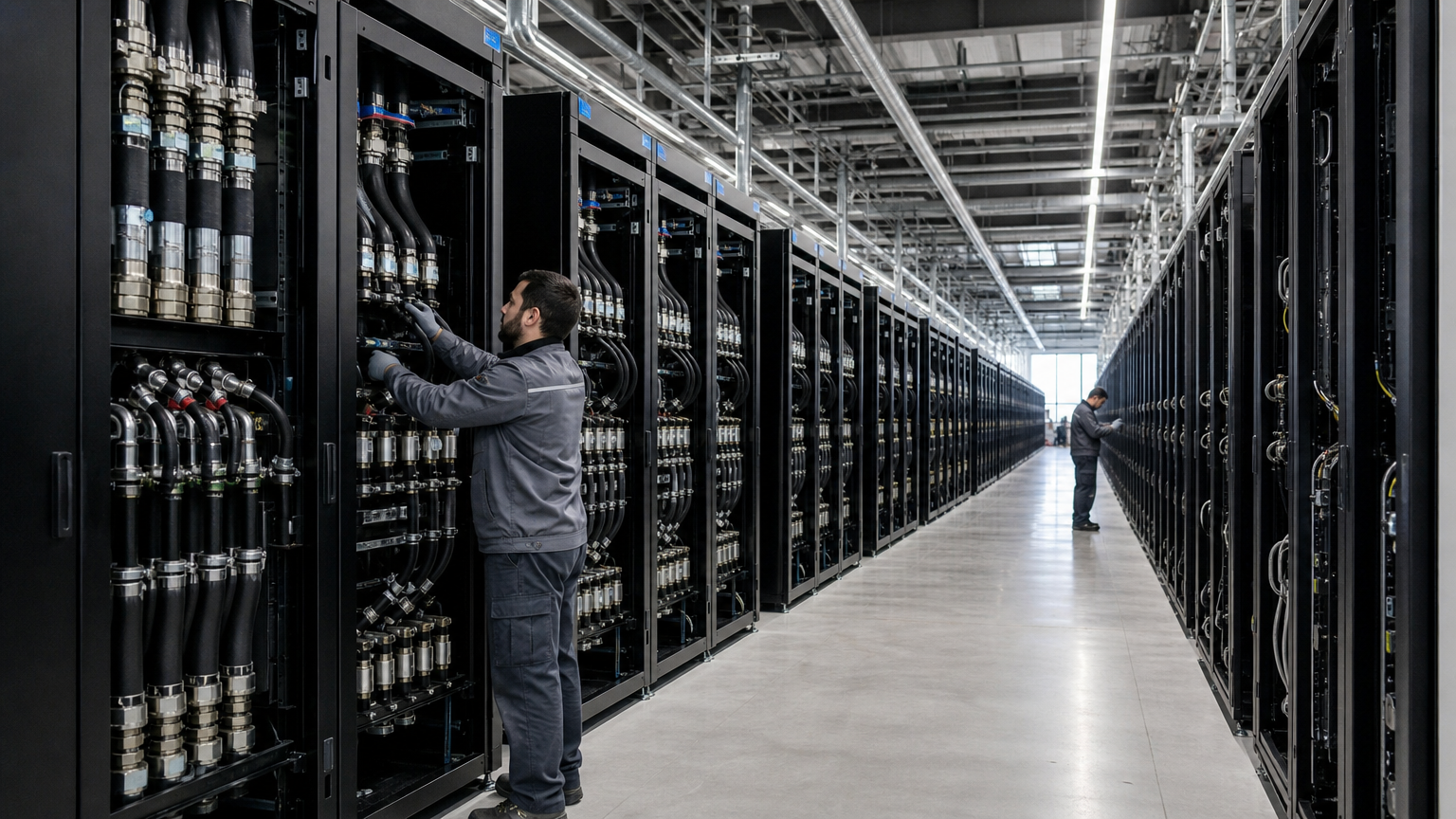
The timing of this arrangement,with deployment slated for late 2027, over a year from the announcement date,also warrants scrutiny. Long lead times in hardware fabrication and data center buildout are standard practice, but they create timing mismatches between capital commitment and revenue generation. Anthropic must forecast product-market demand, customer adoption curves, and model performance far in advance to justify a $45 billion compute spend. If the company's revenue forecasts prove optimistic, or if competing models achieve better efficiency or cost performance, Anthropic could face stranded or underutilized capacity. Conversely, if demand exceeds forecasts and competitive positioning strengthens, the locked-in pricing and capacity could represent material competitive advantage. The asymmetry between upside and downside risk typically favors suppliers in these arrangements; Anthropic bears the utilization risk while Nscale receives contracted revenue regardless of actual demand realized.
From Nscale's perspective, a $45 billion, six-year commitment from a major AI company represents substantial revenue visibility and justification for capital investment in data center expansion. British infrastructure companies have positioned themselves to capture demand from US-based AI developers seeking geographic diversification or additional capacity beyond primary US suppliers. The arrangement also signals that Anthropic's capital-raising efforts have been sufficient to credibly commit to multi-billion-dollar infrastructure spending. Earlier reports indicated that Anthropic had raised substantial funding rounds, including backing from Google and others, but the exact capital available for infrastructure spending has not been publicly detailed. A $45 billion compute commitment implies access to capital markets or strategic investor backing sufficient to support such deployment. The company's path to profitability and positive unit economics at the model level will ultimately determine whether this capital allocation proves prudent or whether the terms require renegotiation under market stress.
Margins, Depreciation, and Competitive Dynamics
Long-term compute contracts also embed significant assumptions about hardware depreciation and technology refresh cycles. Nvidia Vera Rubin systems represent current-generation GPU technology, but AI hardware innovation cycles have historically compressed. Within five years, newer architectures with better performance-per-watt or lower unit costs could emerge. Anthropic's ability to monetize compute through model inference, fine-tuning services, or API access must generate sufficient margin to exceed the underlying hardware costs plus overhead and data center operational expenses. If model pricing pressure intensifies or if competitors achieve superior cost-to-performance ratios, Anthropic could face margin compression that makes long-term compute contracts appear expensive in retrospect. Conversely, if Anthropic's products and services capture significant market share and customer willingness-to-pay remains high, the secured compute capacity could become a competitive moat. The reported arrangement with AMD alongside the Nvidia Vera Rubin systems suggests hedging on chip vendor risk, but it also indicates that Anthropic is not pursuing a single-vendor optimization strategy that might yield better unit economics.
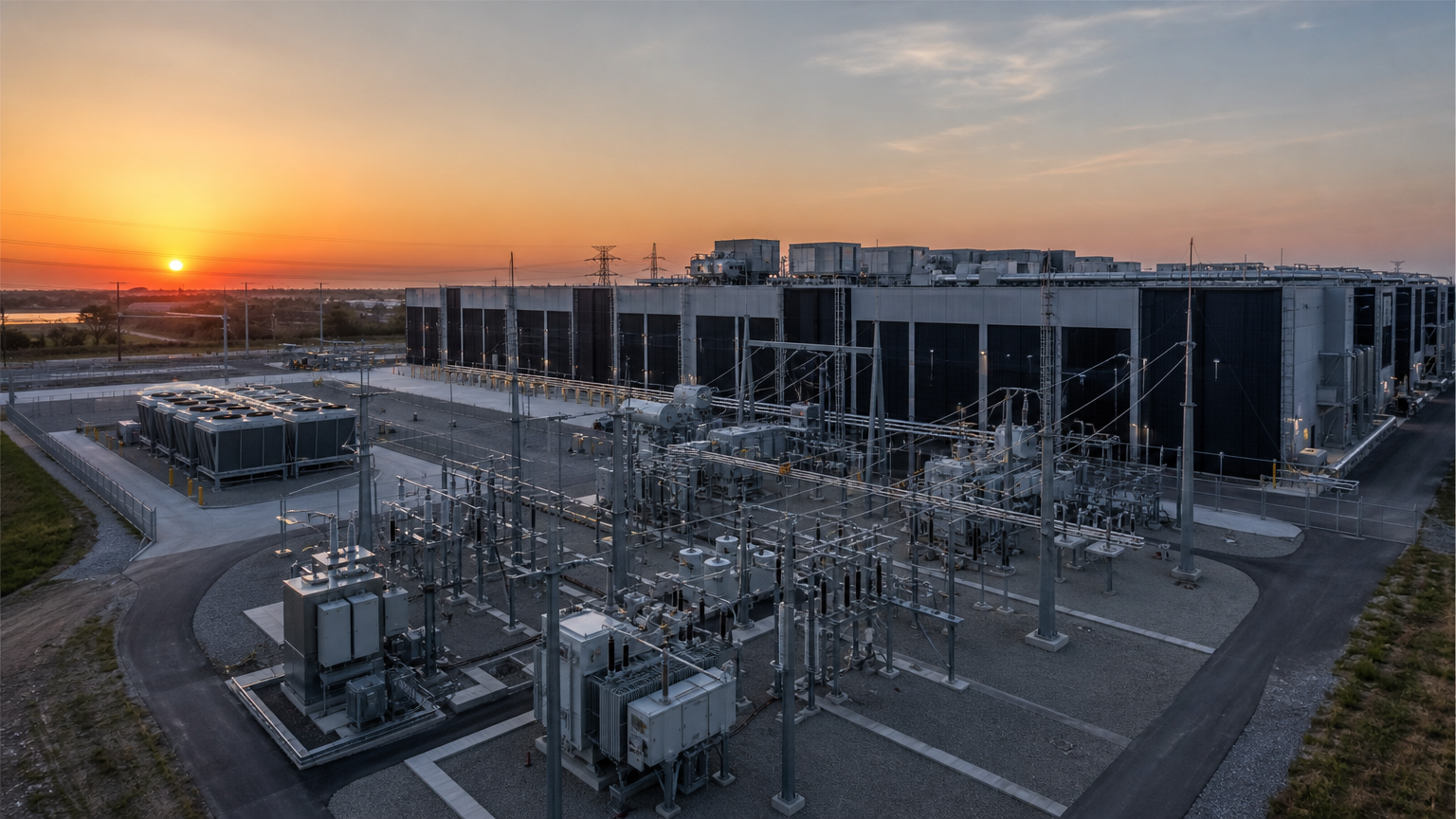
The broader market context for this deal includes intensifying competition among AI model developers for compute access and long-term capacity guarantees. OpenAI, Meta, Google, and other frontier labs have similarly announced compute investments or capacity commitments running into tens of billions of dollars. The proliferation of these long-term deals suggests that the market has moved from spot-market GPU rental toward strategic capacity planning and negotiated terms. Nscale and other infrastructure providers benefit from this shift toward forward contracting; it improves their financial predictability and justifies capital expenditure for data center expansion. However, it also creates exposure for developers like Anthropic if demand assumptions prove wrong. The intensity of capital commitment across the sector raises questions about whether the industry is pricing in sufficient utilization risk. If multiple AI companies have committed substantial multiyear capacity and market demand disappoints, infrastructure providers could face pressure to renegotiate terms or write down underutilized assets, while AI developers would face stranded compute costs.
The reported $45 billion commitment to Nscale remains unconfirmed by either party and should be interpreted with appropriate caution regarding specific figures, timelines, and terms. The arrangement does reflect observable strategic patterns: long-term capacity contracting, geographic and vendor diversification, and substantial capital deployment by frontier AI companies to secure hardware resources. These patterns suggest confidence in sustained demand for advanced AI capabilities, but they also encode significant execution risk on both sides. Whether Anthropic's compute commitments ultimately prove to be prudent capital allocation or expensive over-provisioning will depend on factors including competitive positioning, customer adoption, model efficiency improvements, and broader market conditions over the six-year contract term. For investors, competitors, and infrastructure market participants, the deal underscores the capital intensity of frontier AI development and the strategic importance of compute access in determining competitive positioning. The unresolved issue can be assessed against guidance from Amazon Web Services.
Topics: analysis, AI infrastructure, compute capacity, capital allocation