Analysis
AMD Anthropic Compute Deal Turns AI Infrastructure Into A Multi-Gigawatt Race
AMD's reported commitment of up to $5 billion to Anthropic, tied to Instinct MI450 GPUs and Helios rack-scale systems, shows how model labs are buying compute before revenue visibility is fully settled.
By Elvin C ·
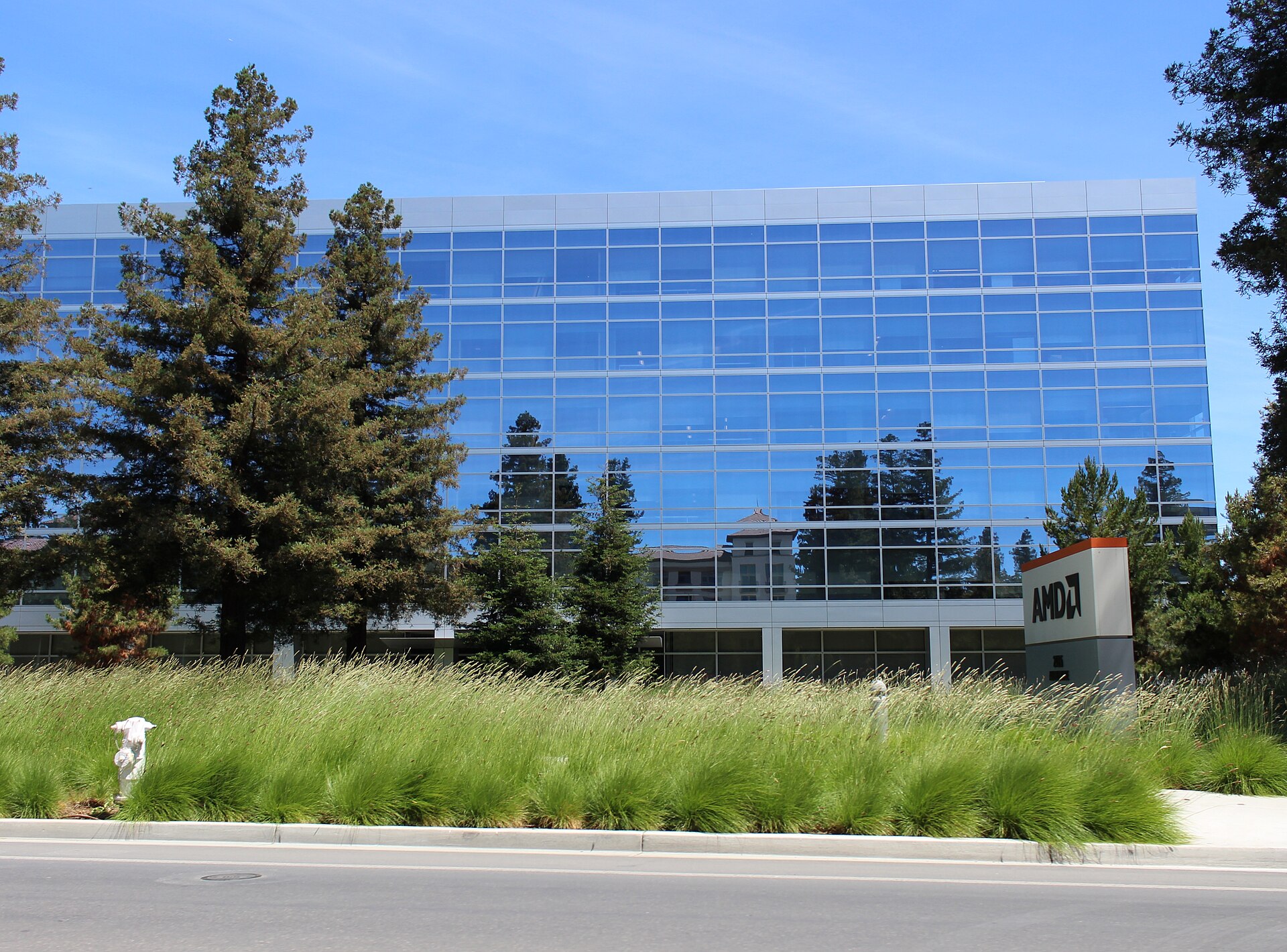
AMD's reported plan to invest up to $5 billion in Anthropic marks another escalation in the AI infrastructure race, and the most important number may not be the investment figure. It is the compute commitment behind it. The Verge reported that Anthropic is expected to deploy up to 2 gigawatts of AMD Instinct MI450 GPUs through AMD's Helios rack-scale architecture, with an initial 1-gigawatt deployment slated for the first half of 2027. For investors, that turns the Claude developer into a major long-term buyer of an alternative accelerator stack. For AMD, it gives the company a high-profile frontier-model customer in a market still dominated by Nvidia.
The deal fits AMD's wider 2026 strategy. The company has been pushing Helios as a rack-scale platform built around Instinct GPUs, EPYC CPUs, networking, and ROCm software. AMD's own investor materials say Helios is intended for multi-gigawatt deployments, with MI450-based systems moving toward production. A model lab does not buy that kind of capacity for symbolic reasons. It buys it because inference and training demand are becoming the limiting factor in product road maps.
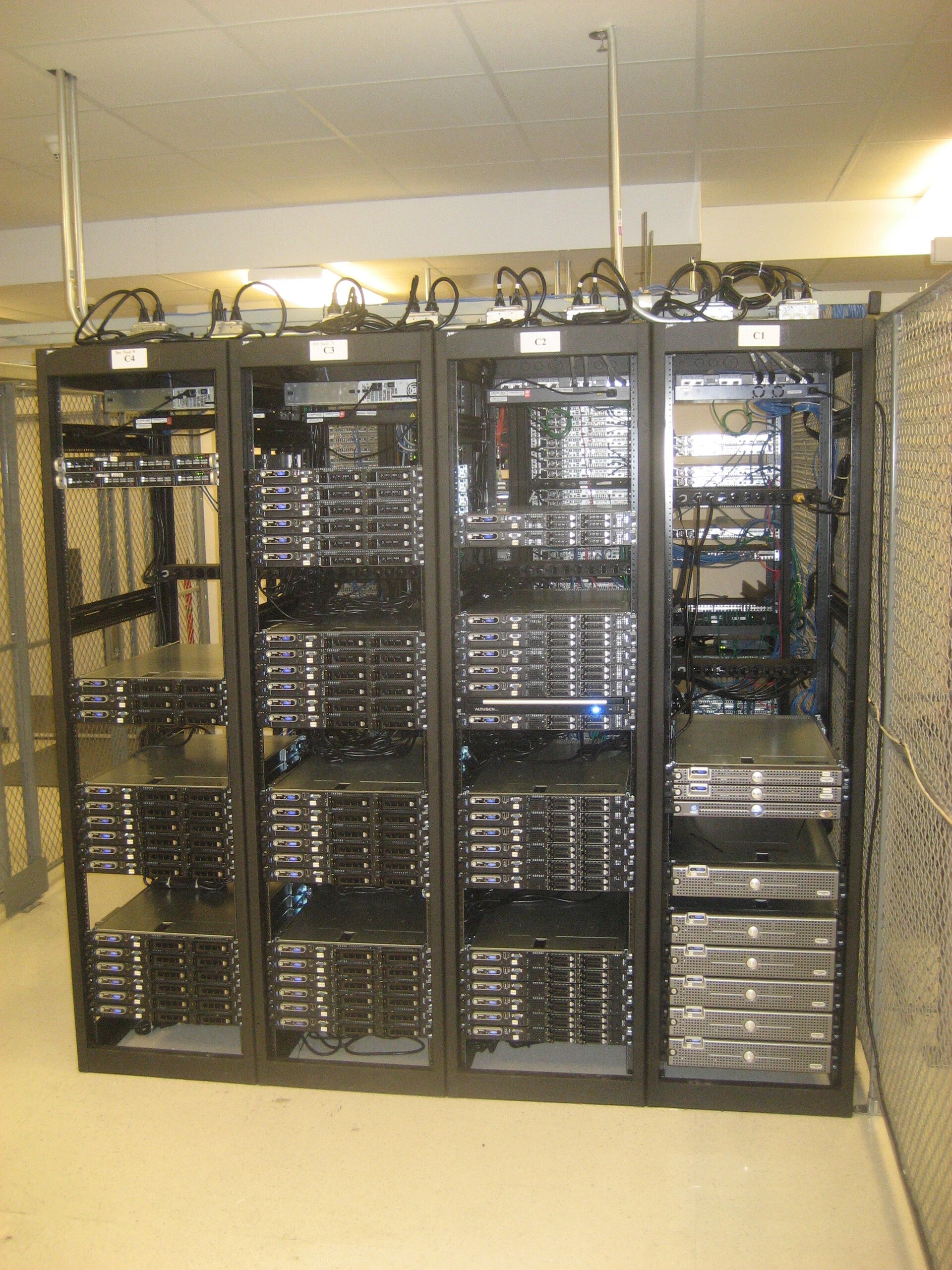
Anthropic's side of the transaction should be read against its existing compute map. The company already works with Amazon, Google, Broadcom, TeraWulf, and other infrastructure partners. Adding AMD does not mean it is abandoning those relationships. It means Anthropic is diversifying supply before capacity becomes an even more expensive bargaining point. When a model company depends on external chips and cloud capacity, every bottleneck becomes a strategic vulnerability.
The financial logic is uncomfortable but clear. Frontier AI companies are being valued as software platforms while spending like infrastructure companies. A lab can show rising enterprise demand, strong developer usage, and premium model performance, but it still has to secure enough chips, power, data center space, and memory to serve those customers. The cost arrives before the revenue is fully proven. That is why strategic suppliers are becoming investors, partners, and creditors in the same ecosystem.
For AMD, the opportunity is not only selling silicon. Nvidia's lead rests on hardware, software, developer familiarity, networking, and a long period of production trust. AMD has to prove that its stack can run demanding workloads with predictable performance and enough software support to make switching worthwhile. A large Anthropic deployment would be a public proof point if it works. It would also expose AMD to harsher scrutiny if customers see delays, integration problems, or weak utilization.
The timing matters because the industry is moving from isolated GPU purchase orders toward whole-system financing. A gigawatt-scale AI campus is not a normal technology refresh. It requires power procurement, cooling, networking, construction, chip supply, software support, and long-term utilization planning. The buyer must believe it can turn that capacity into products. The supplier must believe the buyer will absorb enough systems to justify road map alignment.
The deal also strengthens the argument that model companies want leverage over the Nvidia supply chain. That does not require AMD to beat Nvidia outright. It requires AMD to become good enough, available enough, and economically attractive enough to give labs a second credible path. If Anthropic can train or serve Claude models at scale on AMD infrastructure, procurement negotiations across the market change.
There is still execution risk on both sides. The first deployment is reported for 2027, not today. Hardware road maps slip. Software maturity takes time. Power connections and data center construction can become local political fights. Anthropic's own demand forecast could change if model pricing, open-model competition, or enterprise adoption shifts. Those risks do not make the deal weak. They define the sector.
The practical takeaway is that AI compute has become capital structure. AMD is not merely selling accelerators to a customer. It is positioning itself inside the future capacity plan of a leading model lab. Anthropic is not merely buying chips. It is reserving optionality in a market where compute scarcity can decide product timing, margin, and negotiating power.
That is why the deal belongs on the front page of AI business coverage. The model race is now a financing race, a power race, and a systems-integration race. Benchmark leadership still matters, but the company that cannot secure enough efficient compute will eventually find that a strong model is only as useful as the infrastructure available to run it.
Topics: AMD, Anthropic, AI infrastructure, Instinct MI450