Analysis
Anthropic Is Reportedly In Talks To Buy Decart For About $6 Billion
Anthropic is reportedly discussing a roughly $6 billion acquisition of world-model and chip-optimization startup Decart, a deal that would move the Claude maker deeper into the infrastructure behind its compute bill.
By Elvin C ·
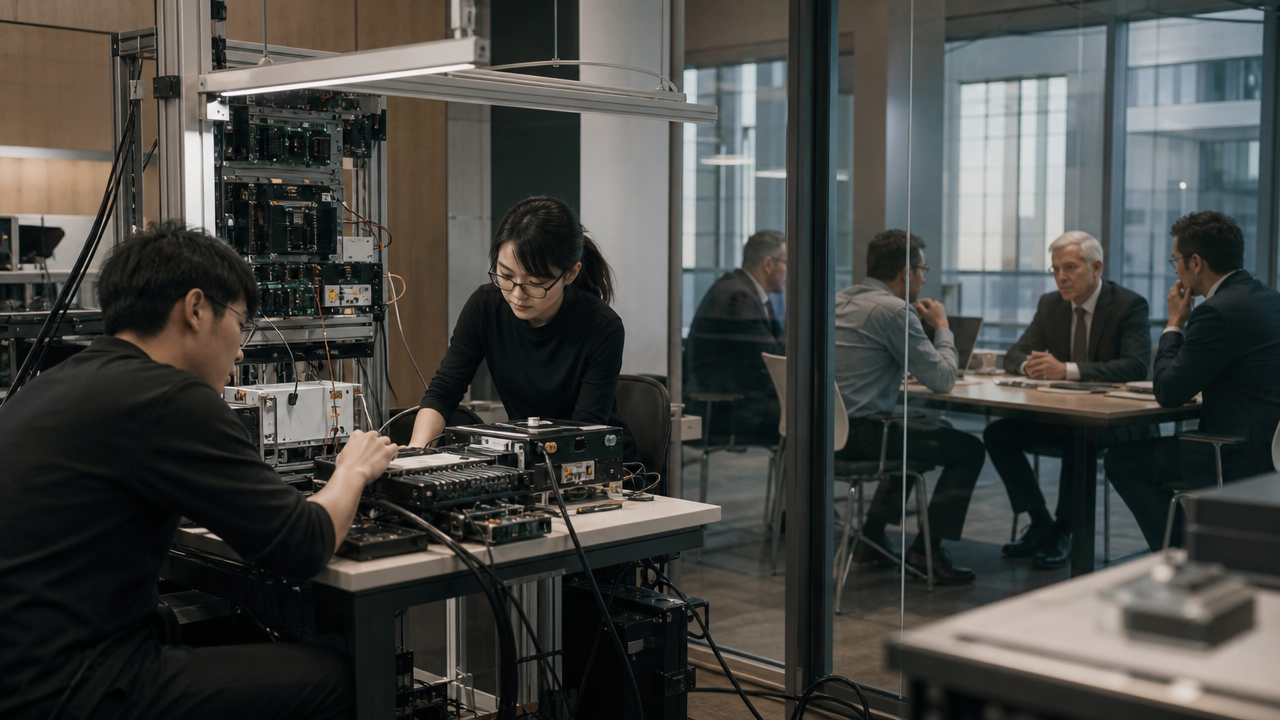
Anthropic is reportedly in talks to acquire Decart for about $6 billion, a potential deal that would bring a world-model developer and chip-optimization team inside the company behind Claude. The discussions were reported as Anthropic prepares for a possible public listing and faces the same problem confronting every frontier lab: revenue can grow quickly while compute costs consume the advantage.
Decart has raised more than $450 million and was valued at about $4 billion in a May financing, according to the reporting. A $6 billion purchase would represent a fast step-up for a young company, but the premium is easier to understand if Anthropic sees the team as a route to lower inference costs, better simulation systems or custom silicon rather than as a standalone software product.
The strategic logic is vertical integration. Anthropic currently depends on an enormous network of infrastructure partners, including cloud providers and chip companies, to train and serve its models. Those relationships make scale possible. They also place some of the most important cost and supply decisions outside Anthropic's direct control.
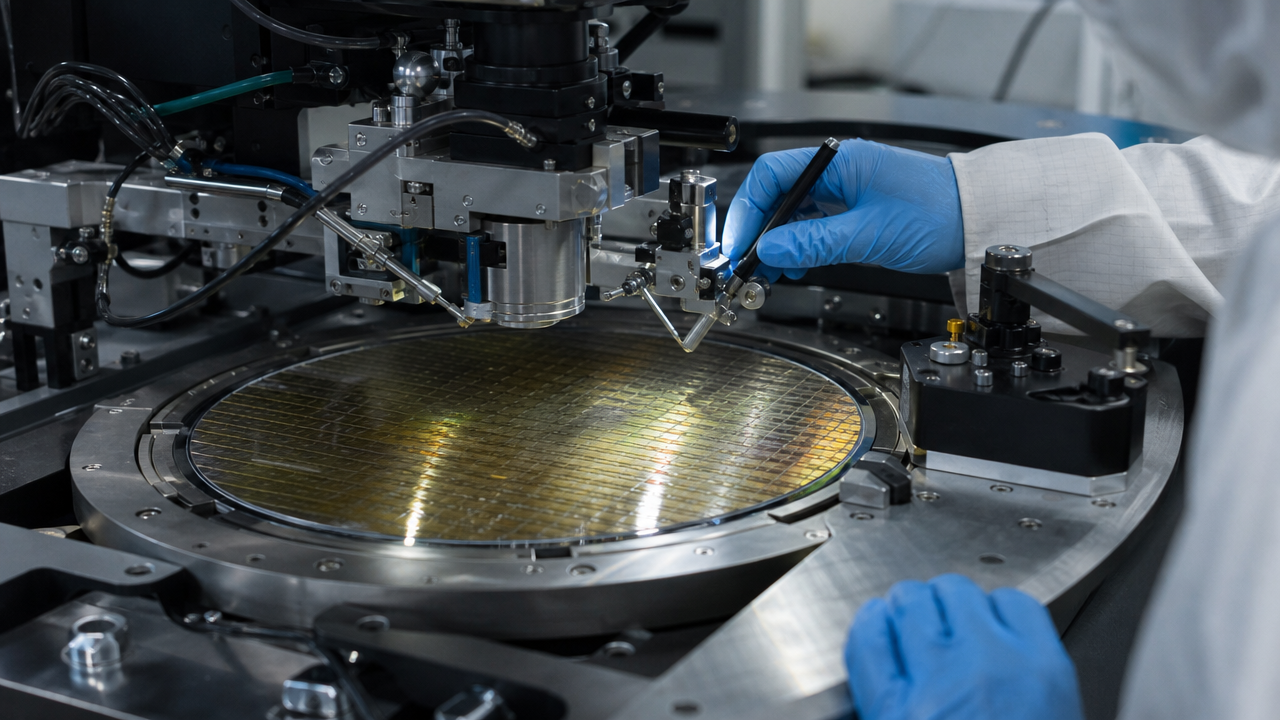
Compute Economics Are Becoming Product Strategy
A frontier lab can improve gross margin in several ways. It can charge more, send easy requests to smaller models, optimize software kernels, negotiate better infrastructure contracts or design hardware around its own workloads. The first two choices are visible to customers. The last three happen deeper in the stack and can create a more durable cost advantage.
Decart's work on world models adds another reason for interest. Systems that learn and simulate dynamic environments can support video generation, robotics, synthetic data and agent training. Those applications are compute-intensive, but they also sit near several markets where frontier labs want to expand beyond text-based assistants.
The acquisition would not instantly turn Anthropic into a chip manufacturer. Semiconductor design requires long development cycles, specialized verification, expensive tape-outs and access to advanced fabrication. A software team that improves how models use existing accelerators can create value much sooner. The most plausible near-term prize is efficiency, not a Claude-branded replacement for Nvidia.
Even a modest improvement matters at Anthropic's scale. A percentage point saved across billions of generated tokens can fund more research or support lower prices. It can also strengthen the story told to public-market investors, who will look past revenue growth and ask whether the company can keep more of each additional dollar after cloud and compute expenses.
That investor audience is already familiar with the concentration risk. Nvidia and major cloud platforms capture a large share of the economics behind the AI boom. A model lab that cannot influence its hardware path may produce valuable intellectual property while another company earns the steadier margin from supplying every competitor.

A Rich Price Creates A High Integration Bar
Paying around $6 billion for a company most recently valued at $4 billion would place immediate pressure on retention and execution. Much of the asset may be the team itself. If key engineers leave after a transaction, Anthropic could own code and patents without the people who understand how to turn them into lower production costs.
Integration can also slow a startup. Decart's engineers would move from a focused organization into a frontier lab managing model releases, government scrutiny, enterprise contracts and public-market preparation. Anthropic would need to protect the speed it is buying while connecting the work to infrastructure decisions large enough to justify the price.
There is a governance tension as well. World models can improve simulations and embodied agents, areas with distinct safety questions. Bringing that capability inside Anthropic could allow closer evaluation. It could also concentrate more advanced research inside a company that already controls access to powerful closed models. The deal would expand both Anthropic's technical reach and the evidence outsiders need to assess it.
For Decart's investors, a sale near $6 billion would validate the market's willingness to pay for infrastructure talent before conventional revenue metrics mature. That signal could lift valuations across chip software, model optimization and synthetic-data companies. It may also encourage startups to build for acquisition by a frontier lab rather than for a broad independent customer base.
The transaction is still reported as talks, which can end without an agreement or at a different price. The uncertainty matters. Anthropic may use the discussions to evaluate a partnership, acqui-hire or investment instead of a full purchase. Decart may also have other suitors that value its position between models and hardware.
The Frontier Is Moving Down The Stack
The larger lesson does not depend on the deal closing. Model companies are no longer competing only through data, algorithms and product interfaces. They are competing through power contracts, data-center capacity, interconnects, compilers and the ability to make each accelerator deliver more useful work.
That shift changes what counts as a model release advantage. A lab with a slightly weaker model and materially lower serving costs can win high-volume workloads. A lab with better simulations can train agents in environments that rivals cannot reproduce. Infrastructure decisions made years before a launch can determine the price and availability customers see on release day.
Anthropic has built its commercial momentum by selling capable systems to businesses. If it buys Decart, the company will be making a much larger claim: that it can own more of the machinery required to produce those systems economically. Investors will not judge that claim by the acquisition announcement. They will judge it by whether Claude's margins improve after the engineers and the $6 billion price tag are inside the same company.
Topics: Anthropic, Decart, acquisition, AI chips