Analysis
SoftBank Bets €75 Billion on France. Masayoshi Son Is Building the AI Infrastructure Layer for Europe.
At the 2026 Choose France summit, SoftBank Group announced a commitment to develop 5 GW of AI data center capacity in France — up to €75 billion over five years. The first phase alone, at €45 billion and 3.1 GW, is the largest single AI infrastructure investment in European history.
By Michael C ·
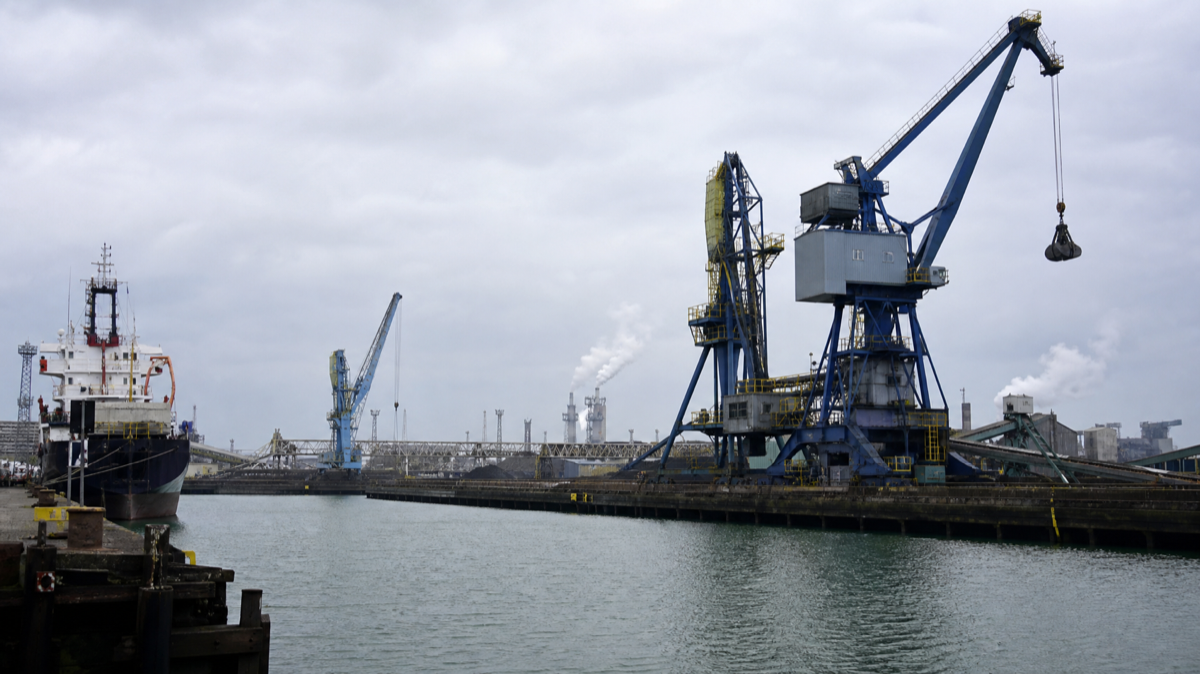
On 30 May 2026, at the Choose France summit hosted by President Emmanuel Macron, Masayoshi Son announced that SoftBank Group would commit up to €75 billion to build 5 gigawatts of AI data center capacity in France. The first phase — €45 billion to deliver 3.1 GW of capacity in the Hauts-de-France region by 2031 — is the largest single AI infrastructure investment in European history. The sites are already identified: Dunkirk (Loon-Plage), Bosquel, and Bouchain. The partner is Schneider Electric. The ambition is to make France the AI infrastructure hub of Europe.
The announcement is the latest in a series of enormous AI infrastructure commitments that have reshaped the capital allocation landscape over the past eighteen months. Microsoft committed $80 billion to AI data centers in 2025. Google committed $75 billion. Meta committed $65 billion. Amazon has committed over $100 billion. SoftBank's French commitment, at up to €75 billion, puts it in the same tier — and it is notable precisely because it is concentrated in a single country rather than distributed globally.
Why France
The choice of France is not accidental. The country has several structural advantages for AI infrastructure that are increasingly scarce globally: advanced grid infrastructure with significant nuclear power capacity, industrial land availability in post-industrial regions like Hauts-de-France, a strong engineering talent base, and a national government that has made AI infrastructure attraction a strategic priority. The Choose France summit — now in its eighth year — has become the primary vehicle through which Macron's administration courts major international investment, and AI infrastructure has become its dominant theme.
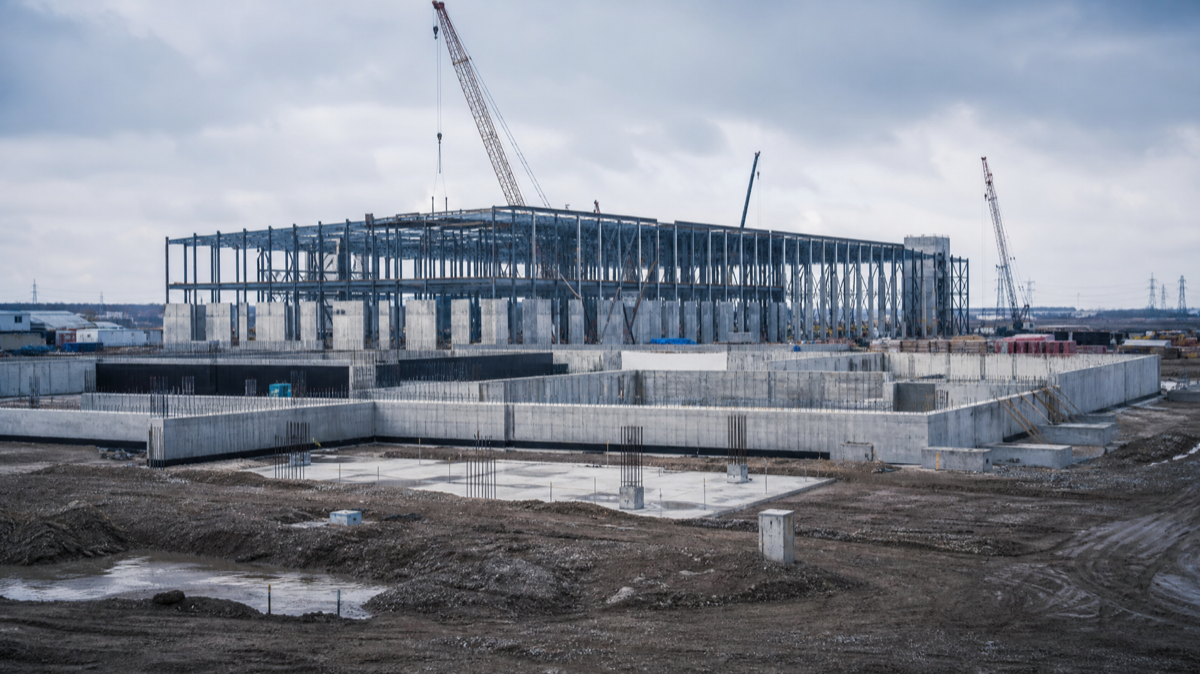
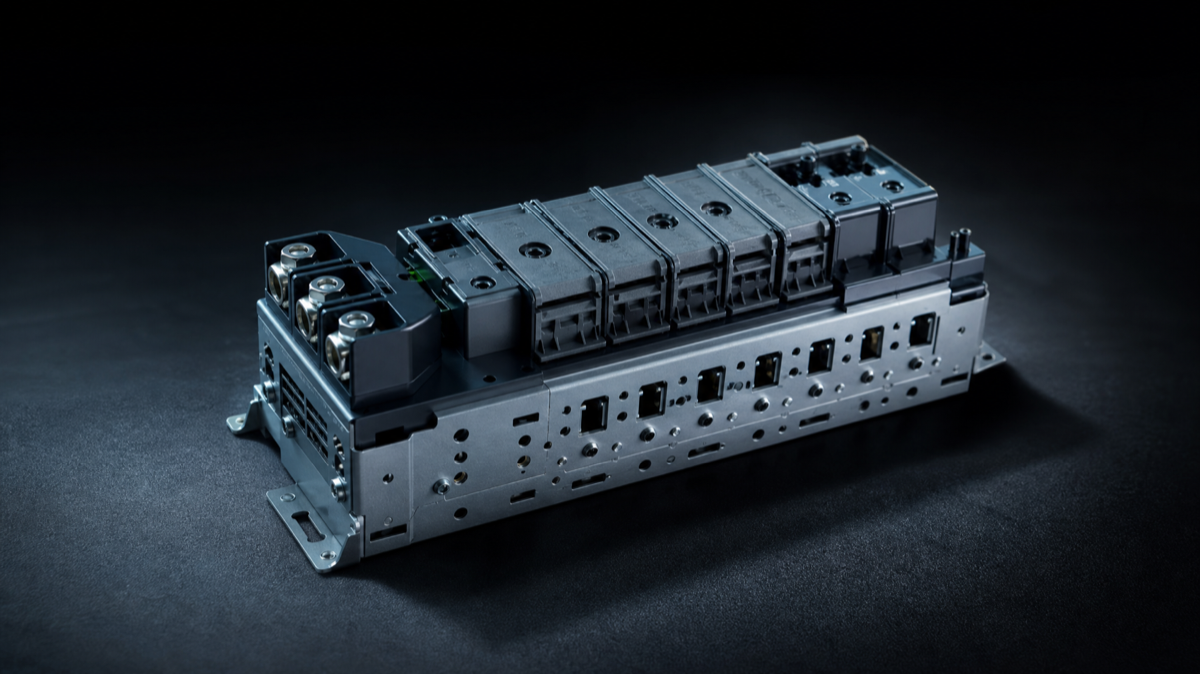
The Dunkirk site is particularly significant. SoftBank and Schneider Electric will co-develop a large-scale industrial production cluster at the Port of Dunkirk — one facility operated by SoftBank to manufacture data center enclosures, one operated by Schneider Electric to integrate power modules. This is not just a data center investment. It is an attempt to build a localised supply chain for AI infrastructure in Europe, reducing dependence on Asian manufacturing for the hardware that underpins AI compute.
The Scale Question
Five gigawatts of AI data center capacity is a number that requires context. The entire global AI data center capacity in 2023 was estimated at approximately 8 GW. SoftBank is proposing to add 5 GW in a single country over five years — roughly 60% of what the entire world had three years ago. This is a bet on a specific thesis: that AI compute demand will continue to grow at a rate that makes current capacity look inadequate, and that the constraint on AI development will increasingly be physical infrastructure rather than model architecture or training data.
Masayoshi Son has been making this argument publicly since at least 2024, when he began describing AI as the most transformative technology in human history and positioning SoftBank as the company that would build its physical foundation. The French commitment is the largest single expression of that thesis to date.
"AI is entering a new era, and the countries that build the infrastructure for this transformation will shape the future of technology, industry and society." — Masayoshi Son, SoftBank Group
The European Sovereignty Dimension
The investment also has a geopolitical dimension that the press release does not fully articulate. European AI sovereignty — the ability of European institutions, companies, and governments to access AI compute without depending on American or Chinese infrastructure — has become a significant policy concern in Brussels. The EU AI Act, the EU Data Act, and the proposed AI Liability Directive all assume that European entities will have access to AI infrastructure that is subject to European law. If the compute layer is physically located in the United States, that assumption becomes harder to maintain.
SoftBank's French investment does not resolve the sovereignty question — the company is Japanese, not European, and the data centers will presumably serve global customers. But it does create European-located compute capacity at a scale that could meaningfully change the options available to European AI developers. For frontier labs operating under the EU AI Act's highest-risk tier, having access to compliant, European-located compute at scale is not a trivial advantage.
What This Means for the AI Infrastructure Race
The broader implication of SoftBank's French commitment is that the AI infrastructure race — which began as a competition between American hyperscalers — is now genuinely global. Japan's largest technology conglomerate is building the AI backbone of Europe. The Gulf states are building AI campuses in the Middle East. China is building AI infrastructure across Southeast Asia. The United States still leads in total AI compute capacity, but the lead is narrowing, and the geography of AI infrastructure is becoming more distributed than it was two years ago.
For investors, the SoftBank announcement reinforces a thesis that has been building for eighteen months: the physical infrastructure layer of AI — power, cooling, networking, real estate — is where the most durable value in the AI stack may ultimately reside. Model weights can be copied. Training data can be replicated. A 3.1 GW data center campus in Dunkirk cannot. The companies and countries that own the physical substrate of AI will have leverage over its development that no amount of software innovation can easily replicate.