Analysis
DeepSeek's $7.4 Billion Round Turns China's AI Race Into A Capital Test
DeepSeek has reportedly raised more than $7.4 billion at a valuation above $50 billion, making it China's most valuable AI startup. The round reframes the China AI story from model efficiency alone to whether domestic capital, chips, and infrastructure can sustain frontier competition.
By Elvin C ·
DeepSeek has reportedly raised more than $7.4 billion in its first major fundraising round, valuing the Hangzhou AI lab above $50 billion and making it China's most valuable AI startup. The Wall Street Journal reports that founder Liang Wenfeng contributed about $3 billion himself, while Tencent, CATL, JD.com, NetEase, IDG Capital, Monolith Management, and China's National Artificial Intelligence Industry Investment Fund also participated.
The size of the round matters because DeepSeek's original breakthrough story was about doing more with less. Its rise was built on the claim that strong models could be trained and served more efficiently than the Western frontier-lab playbook implied. A $7.4 billion raise does not erase that efficiency narrative. It shows that even efficient frontier AI still becomes a capital-intensive race once a company tries to scale research, inference, agents, and compute infrastructure.
Efficiency Still Needs Capital
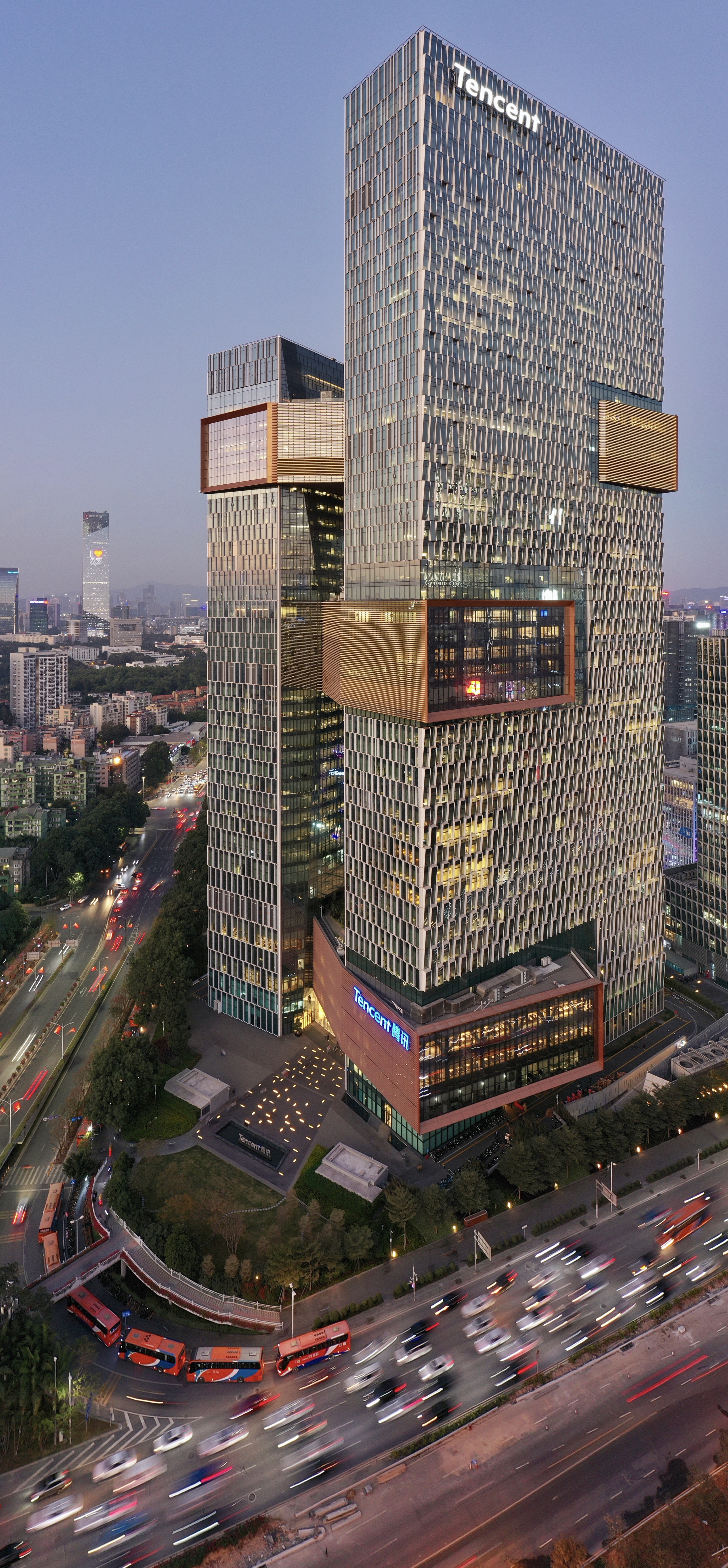
DeepSeek's investor list says as much about industrial strategy as it does about venture finance. Tencent brings consumer-platform reach and cloud experience. CATL brings one of China's most important advanced-manufacturing champions. JD.com and NetEase add enterprise, logistics, and digital-service channels. The presence of a state-backed AI fund, even at a smaller amount than initially discussed, gives the round a strategic signal that ordinary startup financings do not carry.
The funding also clarifies Beijing's preferred model of AI competition. The goal is not only to produce a clever model that impresses benchmarks. It is to build a domestic stack that can survive U.S. chip controls, support enterprise adoption, and reduce reliance on foreign model providers. That requires capital for training clusters, inference capacity, talent, developer tooling, safety work, and go-to-market execution.
The Control Structure Is Part Of The Story
The reported structure is unusual. Liang is said to retain control through a limited partnership arrangement, with many external investors required to hold stakes for five years. That lockup could give DeepSeek room to pursue a longer research cycle without the same short-term pressure that hits ordinary venture-backed startups. It also concentrates strategic control in the founder's hands at a moment when the company is becoming a national AI asset.
That founder-control model may be useful if DeepSeek's next phase requires patient infrastructure investment. It may also make governance more complicated. Frontier AI companies increasingly sit between commercial ambition, geopolitical policy, safety obligations, and national industrial planning. The more important DeepSeek becomes, the harder it will be to treat it like a normal private software company.
What The Round Changes
For global competitors, the key message is that China's AI race is no longer only about surprise model releases. DeepSeek now has the capital base to keep building after the surprise. That makes the competitive question more durable: can Chinese labs sustain model quality, developer adoption, and infrastructure reliability under hardware constraints, or was the efficiency shock easier than the scale-up?
Topics: DeepSeek, China AI, AI funding, frontier models