Analysis
Arizona's Data Center Crunch Shows AI Infrastructure Is Now A Local Utility Fight
Arizona has become a test case for the AI boom's power and water constraints. As data centers expand around Phoenix, officials are asking who pays for grid upgrades, how scarce water should be allocated, and whether the infrastructure race can keep local trust.
By Elvin C ·

Arizona has become a test case for the AI boom's most physical constraint: data centers need land, power, water strategy, grid access, and local trust. Axios reports that the Phoenix region is now a bellwether for how the technology sector's infrastructure race collides with heat, drought, and utility planning.
The numbers are stark. Kevin Thompson of the Arizona Corporation Commission told Axios that infrastructure utilities took more than 100 years to build may need to double within four to five years to keep up with demand. That is the AI infrastructure story in one sentence: software demand is moving faster than the physical systems that make software possible.
AI Meets The Desert
Arizona's challenge is not only electricity. It is electricity under heat stress, and cooling under water scarcity. Google's first data center in Arizona, about 30 miles east of downtown Phoenix, uses air-cooled technology rather than more water-intensive evaporative cooling, according to Axios. That design choice shows how local climate is starting to shape AI infrastructure architecture.
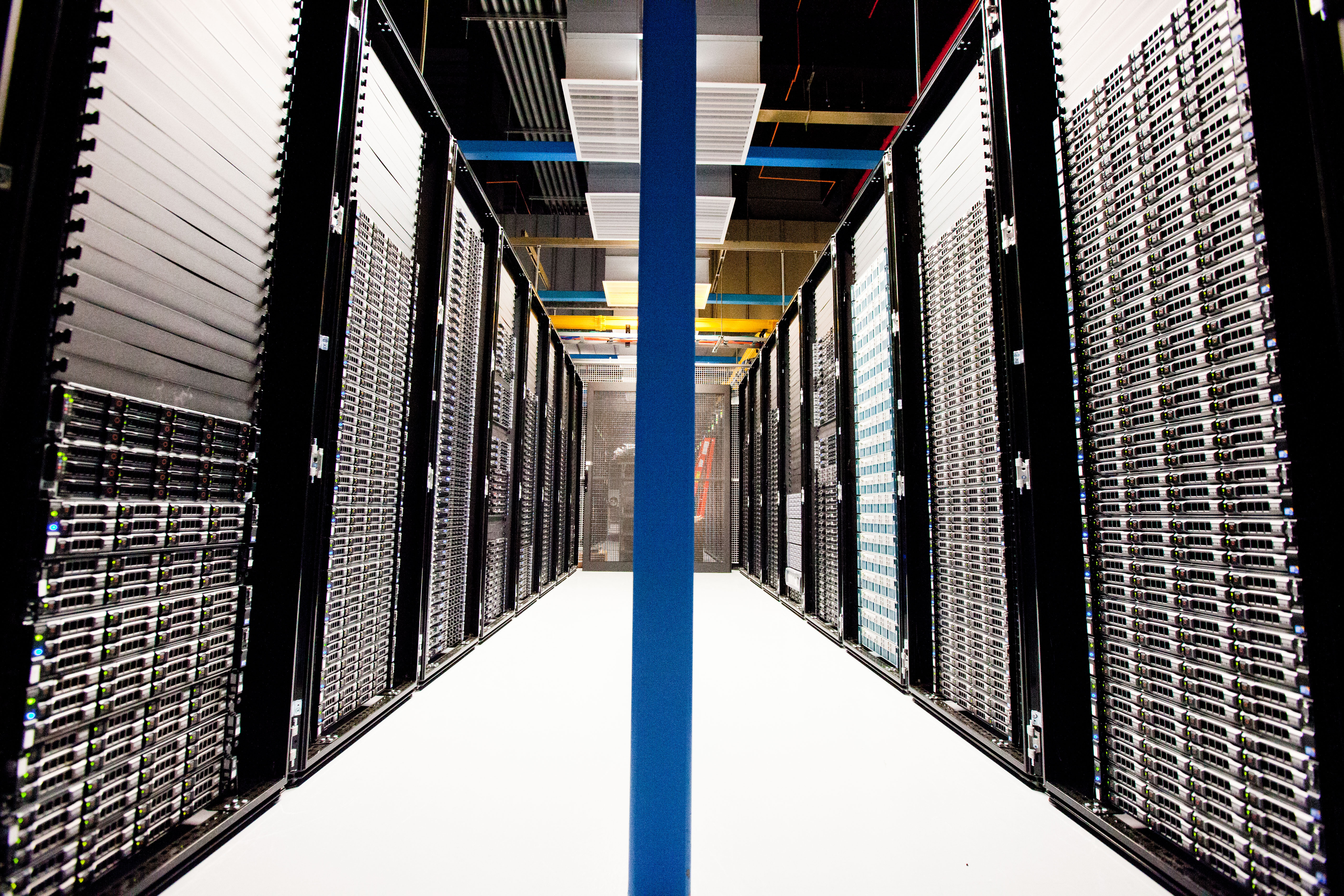
The cooling tradeoff is not simple. Air cooling can reduce water demand, but high temperatures still affect equipment, maintenance, and energy load. Axios reported temperatures near 107 degrees at the Google site. In a desert region where residents depend on air conditioning during extreme heat, reliability is not an abstract metric.
Who Pays For The Grid?
The policy fight is now about cost allocation. Federal electricity regulators are considering rules that could accelerate data center connections while limiting costs passed to other customers. States are asking a related question: should they encourage every data center project, or only the ones that bring better cooling, cleaner power, stronger transparency, and local benefits?
Community trust is becoming part of the permitting stack. Arizona officials told Axios that transparency has to sit at the center of development, especially as neighborhood opposition grows. In AI, trust is usually discussed as model behavior. For infrastructure, trust means whether residents believe data centers will not make their bills higher or their power less reliable.
The Local Politics Of The AI Cloud
Topics: AI infrastructure, data centers, Arizona, energy