Analysis
Kimi K3's Capacity Squeeze Shows Why AI's Next Bottleneck Is Inference, Not Training
A reported pause on new Kimi K3 subscriptions has exposed the uncomfortable economics beneath low-cost frontier AI: demand can arrive faster than a provider can afford to serve it.
By Elvin C ·
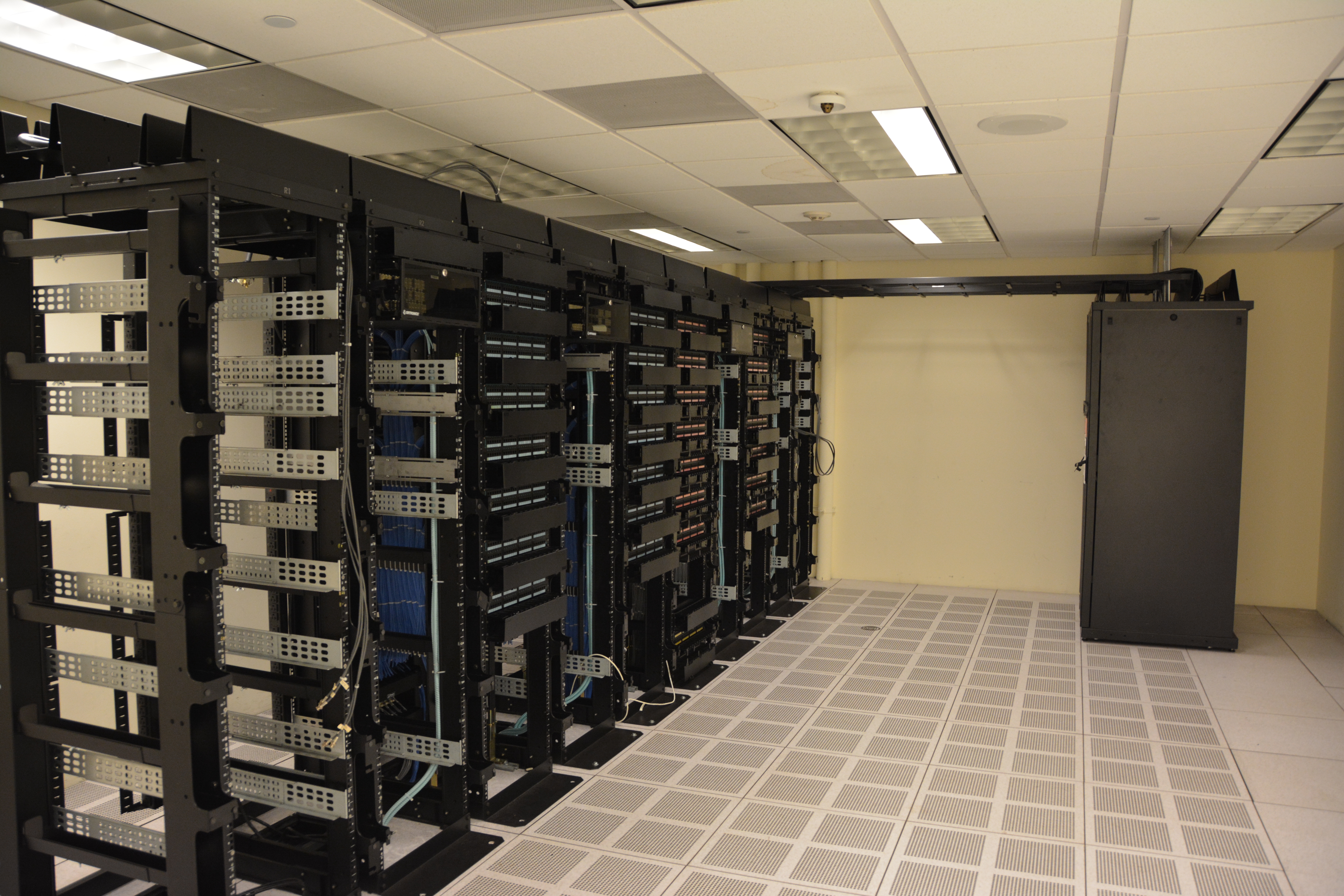
Moonshot AI's reported decision to pause new subscriptions for Kimi K3 after demand surged is a reminder that an AI service can be popular and still be economically constrained. The race to train advanced models attracts headlines, but the everyday commercial test is inference: the expensive, continuous work of answering requests without making customers wait or burning through cash.
A model that handles long conversations, coding agents and multi-step tasks can consume far more compute than a simple chatbot. Providers must provision accelerators, memory, networking and electricity before they know how many customers will show up. If they price too aggressively, they can create demand that looks like momentum but cannot be converted into durable gross margin.

Corporate buyers should ask practical questions before putting a new model into a critical process. What are the service limits? Where is the fallback model? How will an outage be communicated? A useful AI supplier has to answer them before a procurement team becomes dependent on the service.
Subscriber counts and token volumes can describe attention, but the enduring metric is whether a provider can turn that attention into utilization, renewal and cash flow without constantly adding subsidized capacity.
Topics: Moonshot AI, Kimi, inference