Analysis
Nvidia's Reported H200 China Shipments Reopen The Question Of What Chip Controls Control
Reports that Nvidia has begun shipping powerful H200 chips to China have renewed the central tension in AI export policy: restrictions can slow access to the frontier, but they also create complex licensing, substitution and enforcement questions.
By Elvin C ·

Reports that Nvidia has begun shipping H200 chips to China reopen a question that has defined the AI infrastructure race: what exactly do export controls control when the technology, supply chain and demand are all moving quickly?
The simple version of the policy is clear. Restrict the most capable chips and a competitor has less access to the computing power needed for frontier training and high-end inference. The real world is less simple. Products can be modified, licenses can be issued, inventory can move through global supply chains and customers can adapt their workloads around what remains available.
That does not make controls meaningless. Advanced accelerators, high-bandwidth memory, networking and manufacturing equipment still shape what a large AI cluster can do. But the policy is better understood as a way to influence cost, time and strategic dependency than as a permanent wall around a capability.
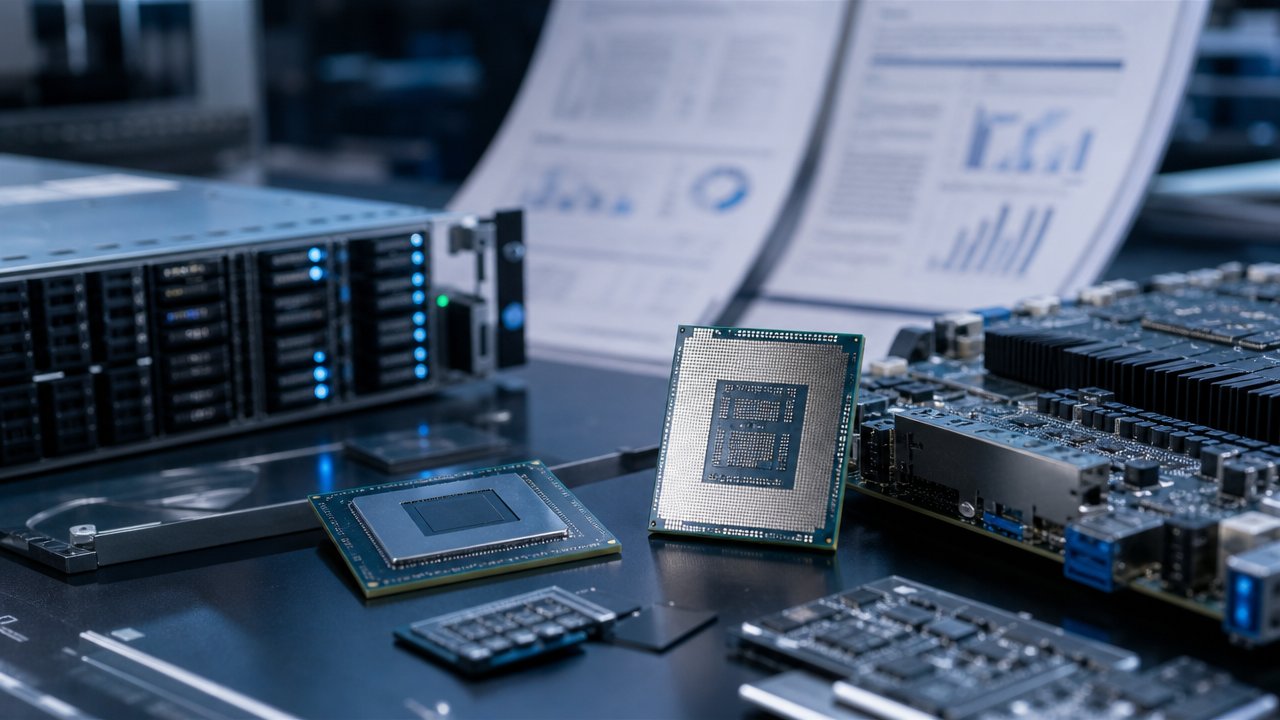
For Nvidia, China remains a commercial and strategic problem. The company wants to serve a major market while navigating U.S. rules that can change quickly and place its customers in an uncertain planning environment. Each permitted shipment is therefore more than a sale. It is a signal about where policy draws the line at a given moment.
For China, the incentive to build local alternatives becomes stronger every time access looks conditional. Domestic chips may not match the leading global systems in every workload, but a large market can still support a self-reliance strategy if buyers are willing to trade some performance for availability and policy certainty.
The market impact goes beyond Nvidia. Memory suppliers, networking vendors, cloud providers and data-center builders all plan around the expected mix of equipment. A change in which chips can move, and under what terms, can alter capital spending decisions months before a rack is switched on.
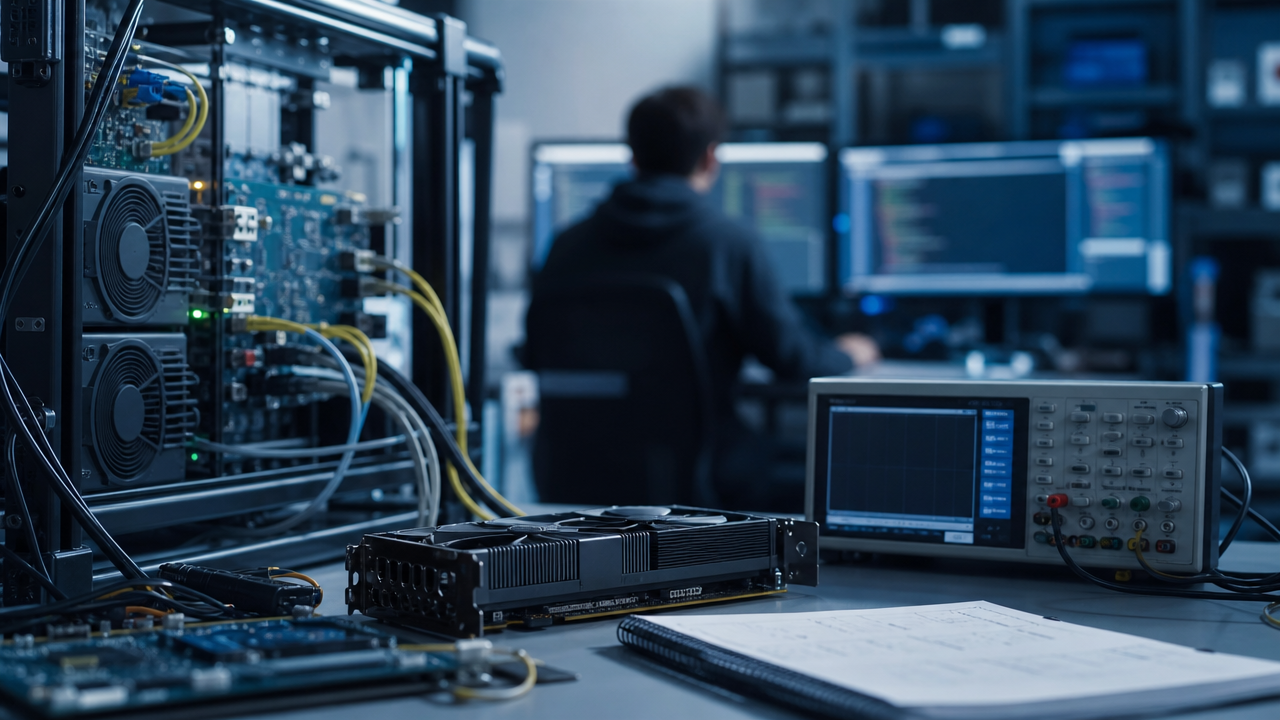
The policy test is whether restrictions are connected to clear objectives and updated with honest measurement. If the aim is to slow the use of top-tier systems in sensitive areas, regulators need to show how licenses, monitoring and enforcement serve that aim. If the rules simply create uncertainty while accelerating workarounds, the strategy needs revision.
Chip controls will remain one of the most powerful levers in AI policy. They will also remain one of the hardest to use cleanly, because every restriction changes the market it is trying to govern.
Topics: Nvidia, H200, China, export controls