Analysis
Britain's Anthropic Shock Turns AI Sovereignty From Slogan Into Procurement Risk
Reports that U.S. restrictions on Anthropic's newest models alarmed UK businesses are turning AI sovereignty into an operational issue. If a foreign policy decision can interrupt access to frontier models, enterprises need jurisdictional resilience, not just better prompts.
By Elvin C ·

UK businesses are treating the U.S. restrictions on Anthropic's latest models as an AI sovereignty warning, according to The Times. The reported export limits around Mythos and Fable have pushed companies to ask a practical question that used to sound abstract: what happens if the best model in your workflow becomes unavailable because another government changes its risk assessment?
This is the enterprise version of AI sovereignty. It is not only about national pride, domestic champions, or policy speeches. It is about continuity planning. If banks, telecom companies, hospitals, law firms, and government departments build workflows around models controlled by another jurisdiction, they inherit that jurisdiction's political volatility.
Sovereignty As A Service-Level Question
The immediate UK concern is access to U.S. frontier systems, but the broader lesson applies everywhere. A model can be secure, accurate, and deeply integrated, yet still carry supply risk if it depends on export permissions, foreign cloud regions, overseas staff access, or a single vendor's relationship with its home government.
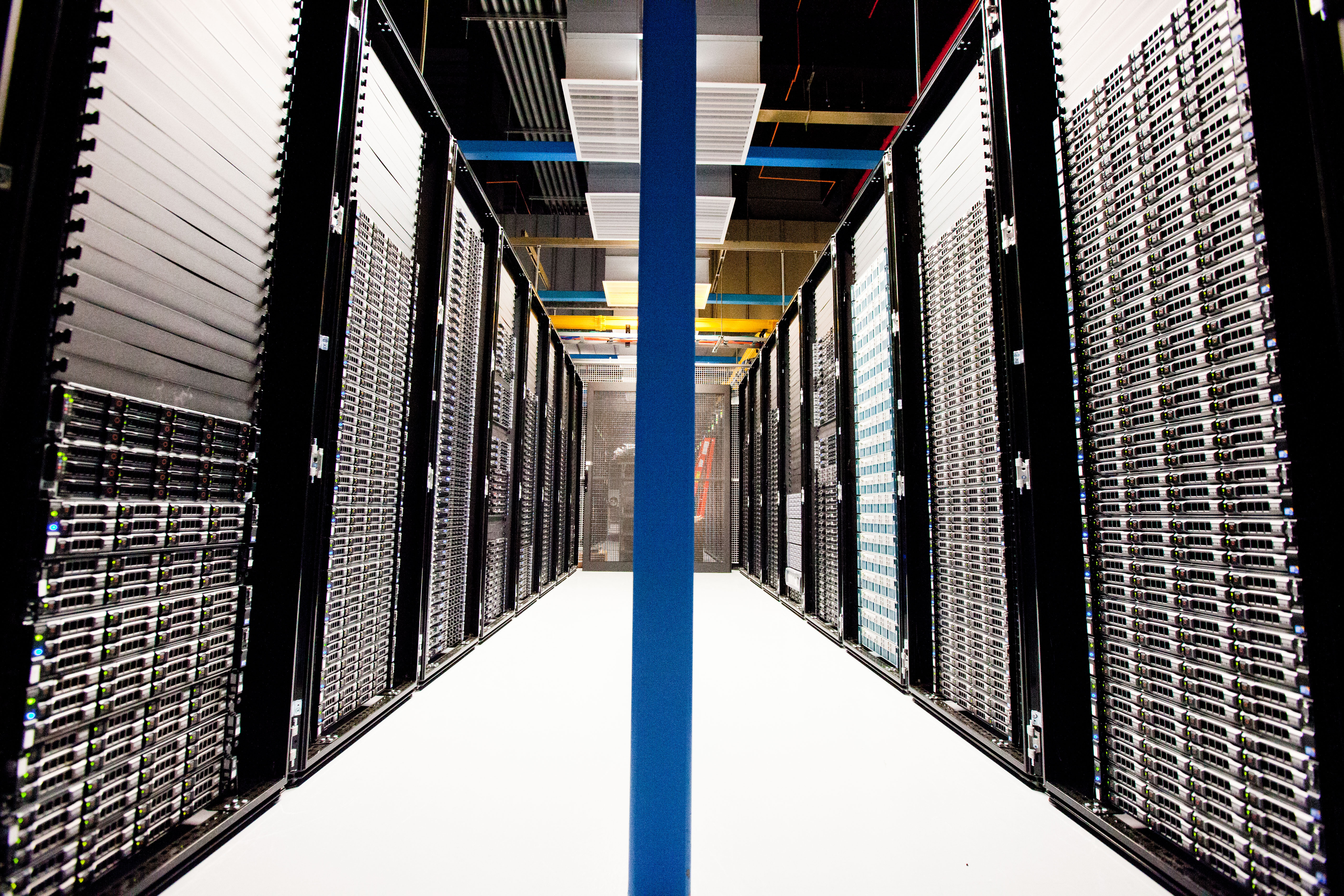
That is why sovereign model projects are gaining a new audience. They may not beat the top U.S. labs on every benchmark, but they can offer local control, clearer data residency, and a fallback path if foreign access tightens. In procurement terms, a slightly weaker domestic model may be worth keeping alive if it reduces concentration risk.
The Multi-Model Enterprise
The most likely response is not a sudden replacement of U.S. models. It is a multi-model architecture. Enterprises will route ordinary work to one provider, regulated work to another, sensitive domestic workloads to sovereign systems, and emergency capacity to backups. That makes model orchestration a risk-management function, not merely an engineering convenience.
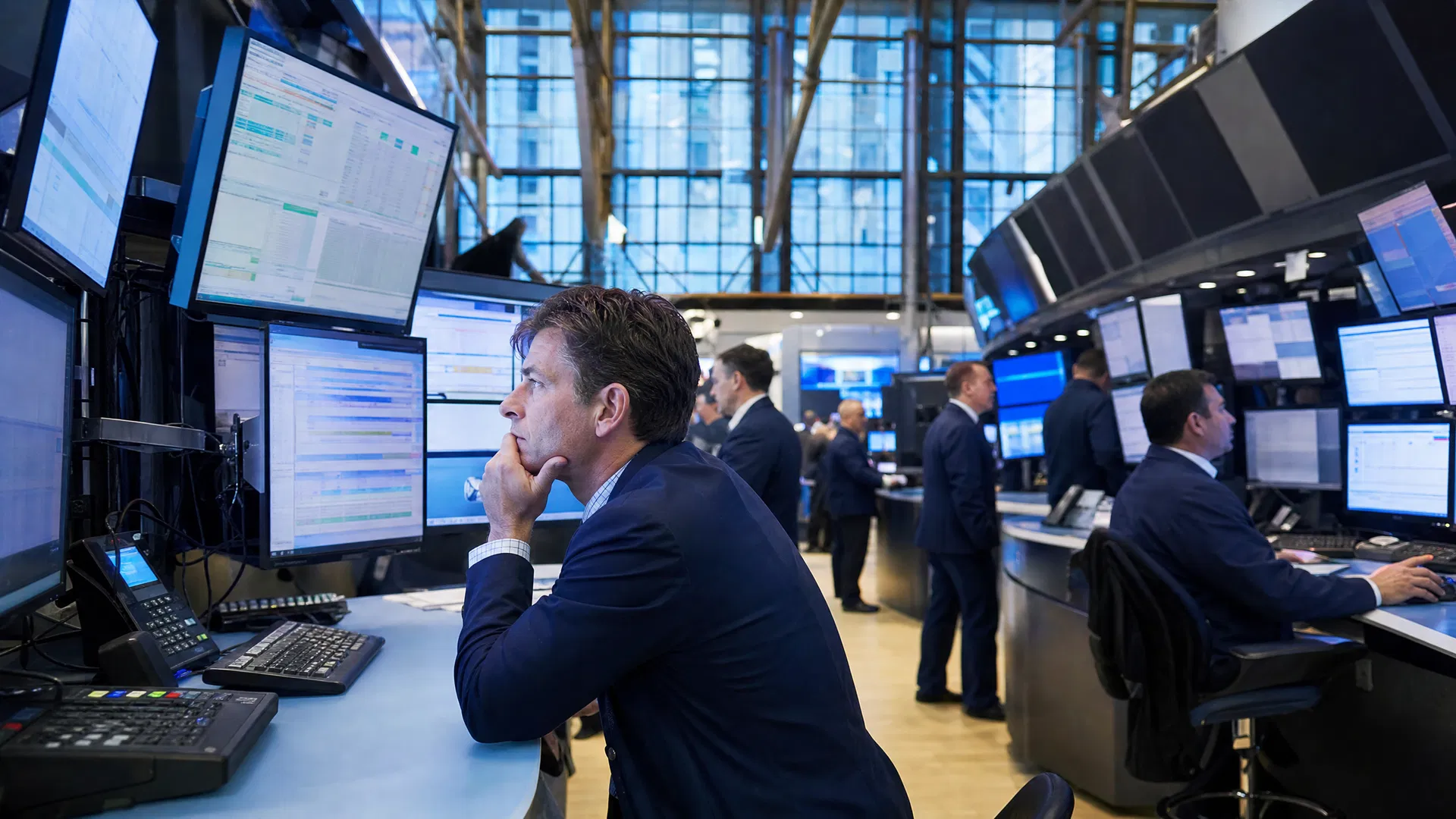
The political effect may be durable. Once executives experience model access as geopolitical risk, every AI vendor pitch changes. Buyers will ask where models are trained, who can revoke access, how fallback works, whether fine-tunes can migrate, and whether sensitive data can stay under domestic legal control.
Dependence Becomes Visible
Topics: AI sovereignty, Anthropic, United Kingdom, enterprise AI