Analysis
Jensen Huang's Open-Model Argument Puts Nvidia On Both Sides Of The AI Race
Nvidia chief executive Jensen Huang has argued that restricting open AI models could weaken U.S. security, a position that lands in the middle of a sharper fight over Chinese competition and access to advanced systems.
By Elvin C ·
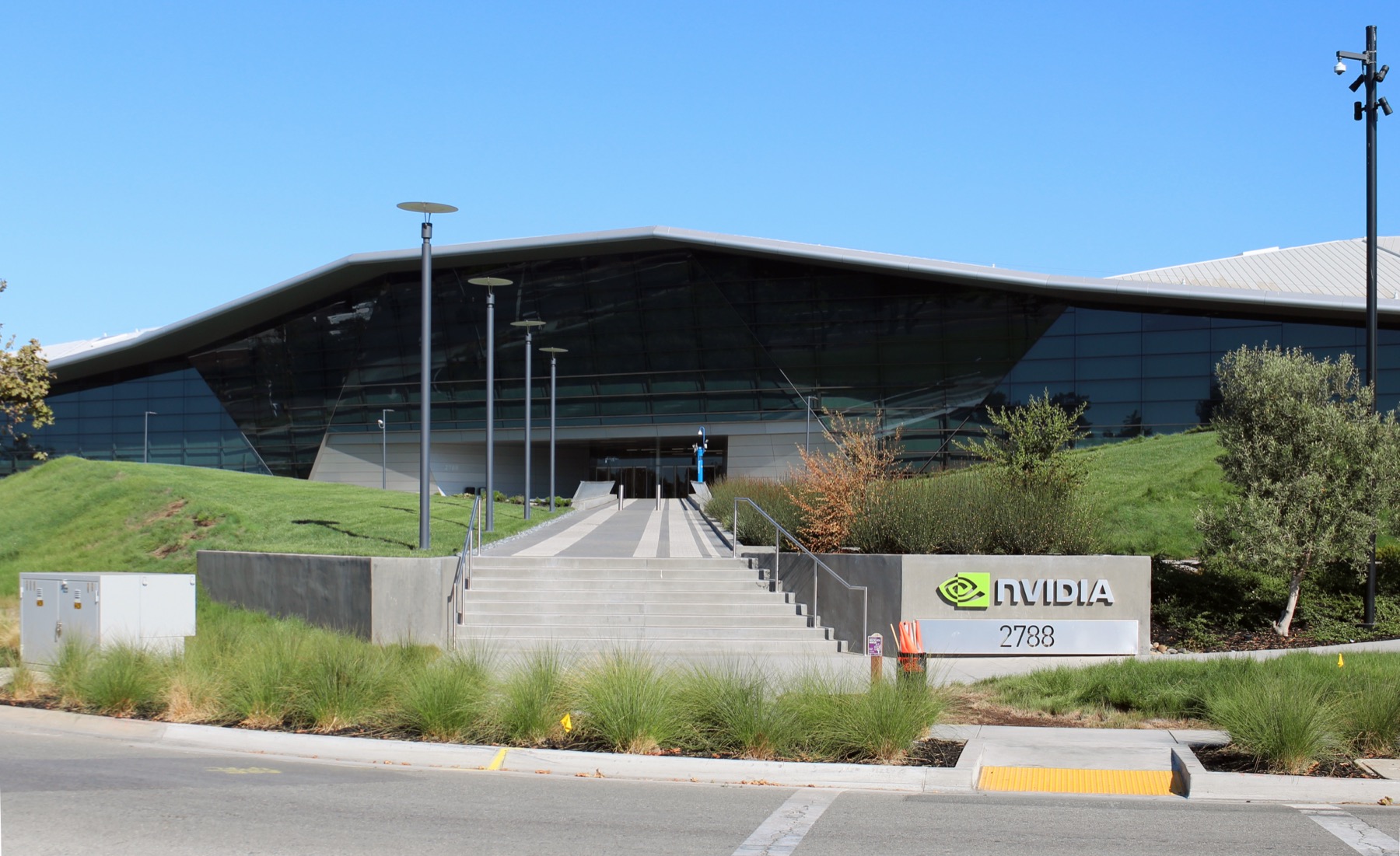
Nvidia chief executive Jensen Huang has argued that restricting open AI models in the name of national security could leave the United States more vulnerable. The position, reported by Axios, places the world's most important AI chip supplier inside a debate that is no longer theoretical. Chinese open-model developers are gaining global attention while U.S. officials weigh security concerns, commercial competition and the difficulty of controlling software once weights are widely distributed.
Huang's case is an argument, not a settled security finding. His concern is that a country which withdraws from open development could lose visibility, talent and defensive capacity while rivals keep building. The opposing view is just as direct: capable open weights can lower the barrier for misuse and make it harder to apply provider controls after a model leaves its original developer.
The market analysis starts with incentives. Nvidia sells the computing infrastructure used by frontier labs, cloud providers, startups and open-model builders. Wider AI adoption expands the market for that infrastructure. That does not make Huang's security argument invalid. It does mean his position comes from a company with unusually broad exposure to the outcome of the access debate.
The White House has already pursued a national policy framework for AI, a sign that federal officials see fragmented rules as a strategic problem. But a national framework does not settle the harder question of what should be controlled. A hosted model can be monitored, rate-limited and withdrawn. A downloaded model can be adapted and run elsewhere. The difference is operational, not rhetorical.
The competitive pressure from China makes the choice less comfortable. A restriction that applies mainly to U.S. companies may limit domestic developers without preventing capable models from circulating internationally. Yet treating that reality as a reason to abandon safeguards would confuse a market problem with a security answer. Governments have to decide which capabilities create a material risk and which controls can still work once models are distributed.
For investors and buyers, the likely result is a split market. Hosted frontier systems will emphasize controls, audit trails and contractual assurances. Open systems will emphasize flexibility, cost and local control. The companies that can operate across both worlds may gain leverage, but customers will inherit more responsibility for evaluation and security.
Huang's intervention matters because it rejects a simple story in which closed access equals safety and open access equals danger. Neither label answers who can use a model, what they can do with it, or who is accountable when it fails. The next phase of the AI race will be decided less by slogans about openness than by whether institutions can build controls that match the systems they are trying to govern.
Topics: Nvidia, open models, China, AI policy