Analysis
Elon Musk's $2 Trillion Satellite Gamble — SpaceX Plans 1 Million AI Satellites by 2028
Elon Musk plans to launch one million satellites into orbit by 2028 to power artificial intelligence, but leading scientists warn of potential financial collapse for SpaceX due to the astronomical cost of the project.
By Michael G ·
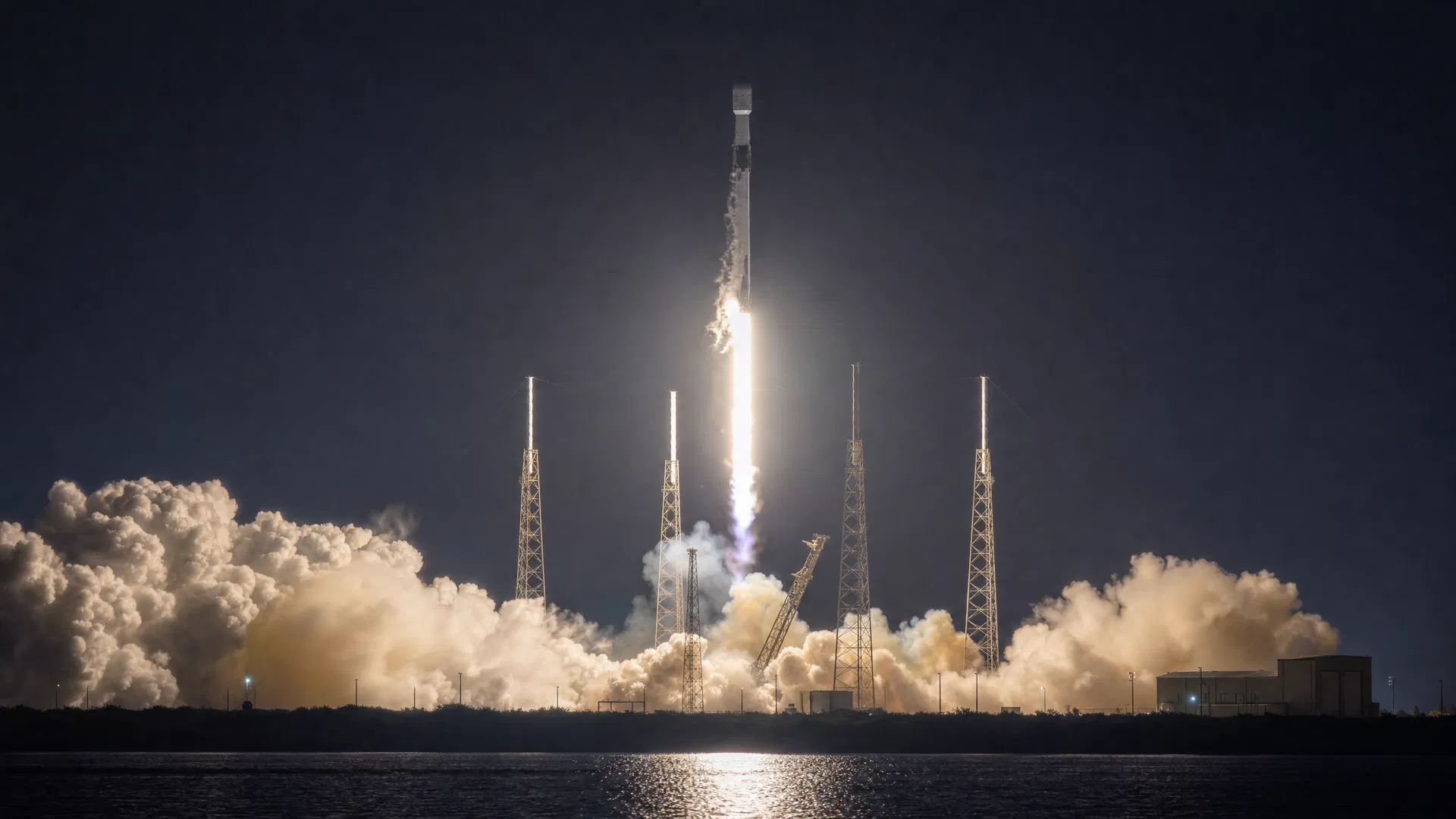
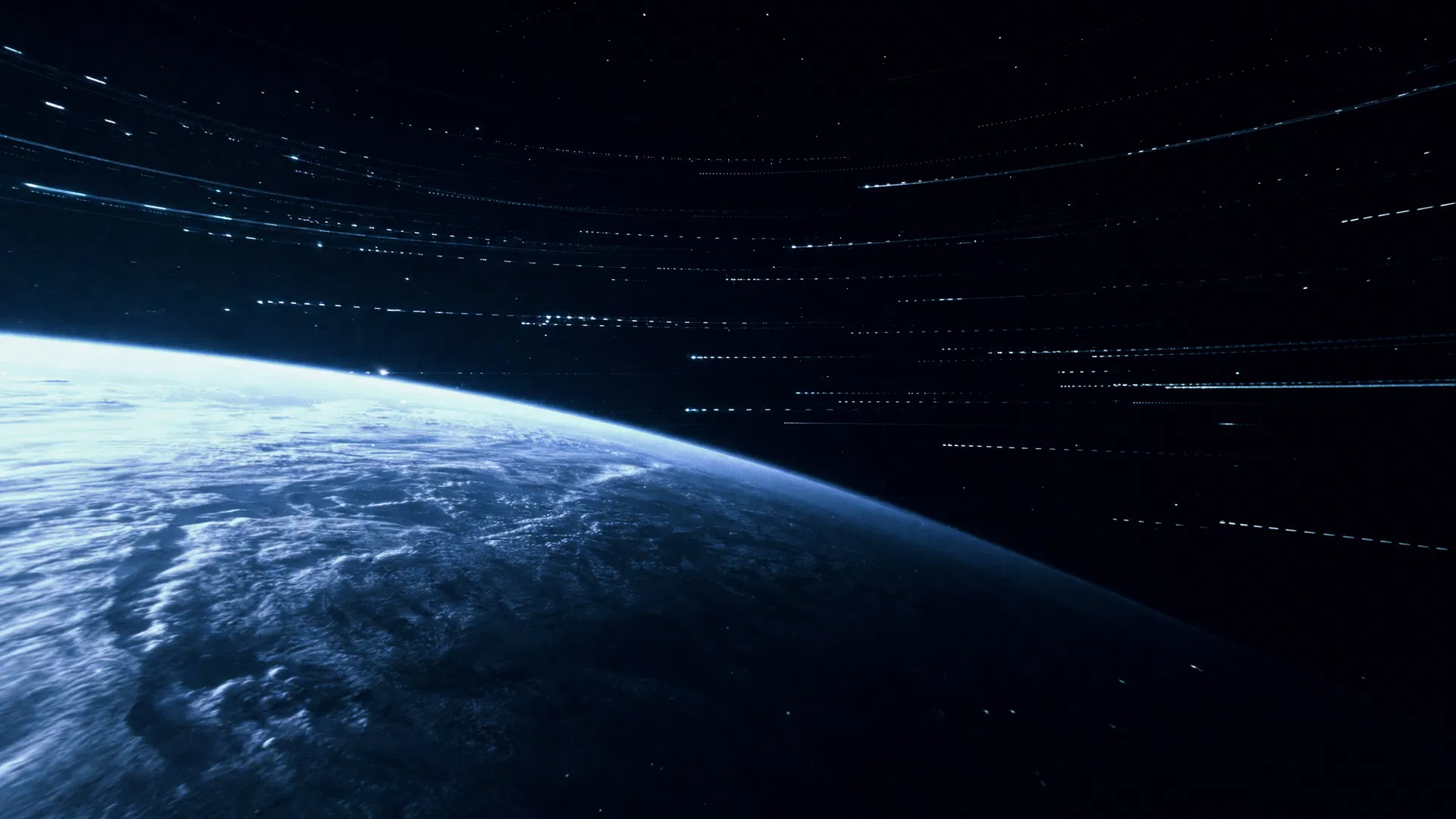
Elon Musk has announced an audacious plan to launch one million satellites into orbit by 2028 to power artificial intelligence compute. The vision is to create a distributed network of orbital data processing centers that can provide AI services to billions of people globally. However, the financial implications of this plan are staggering, and leading scientists are warning of a potential financial collapse for SpaceX if the project proceeds as envisioned.
In a statement on the company's website, Musk articulated the underlying thesis: "My estimate is that within 2 to 3 years, the lowest cost way to generate AI compute will be in space." This assertion challenges conventional wisdom about the economics of cloud computing and suggests a fundamental shift in how AI infrastructure might be distributed globally.
The Scale and Cost of the Satellite Constellation
To understand the magnitude of Musk's plan, consider the numbers. SpaceX has already launched approximately 10,000 Starlink satellites. The plan to launch one million satellites represents a 100-fold increase in scale. At an estimated cost of $2 million per satellite, the total project cost would reach approximately $2 trillion — equivalent to SpaceX's entire projected valuation after a potential public listing.
Experts estimate that the budget required to execute this plan would require staggering spending. The financial burden would be unprecedented for a private company, and many analysts question whether SpaceX could secure the capital necessary to fund such an ambitious undertaking. Even with access to capital markets, the risk profile of such a massive bet would be extraordinary.
The AI Compute Economics Thesis
Musk's underlying thesis is that orbital AI compute will eventually become cheaper than terrestrial data centers due to the availability of solar power in space, the absence of cooling requirements, and the elimination of real estate and power infrastructure costs. This argument has some merit from a theoretical perspective, but the capital requirements to reach scale are so enormous that the payback period would be measured in decades.
The goal, according to Musk, is to provide AI to billions of people. However, the latency inherent in satellite-based computing — the time required for data to travel to orbit and back — makes this approach unsuitable for many AI applications that require real-time responsiveness. The use cases for orbital AI compute are likely to be limited to applications where latency is not critical.
Space Debris and Orbital Congestion Concerns
Beyond the financial risks, scientists have raised concerns about space debris and orbital congestion. One million satellites in low Earth orbit would represent an unprecedented concentration of objects in near-Earth space. The risk of collisions, cascading debris creation, and the potential for Kessler syndrome — a scenario where debris creates more debris in a runaway chain reaction — is a serious concern.
Astronomers have also raised objections to large satellite constellations, arguing that they interfere with ground-based astronomical observations. The night sky would be significantly altered by the presence of so many satellites, impacting both scientific research and the aesthetic experience of stargazing.
A Bet on the Future of Infrastructure
Musk's satellite constellation plan represents a massive bet on the future of AI infrastructure. If successful, it could fundamentally reshape how AI services are delivered globally. However, the financial, technical, and environmental risks are substantial. The plan would require not just SpaceX's resources, but likely partnerships with governments, other companies, and potentially new forms of capital mobilization.
For now, the plan remains in the realm of ambitious vision rather than concrete execution. Whether Musk can convince investors, regulators, and the scientific community to support such a massive undertaking remains an open question. What is clear is that the AI infrastructure race is intensifying, and the stakes — both financial and strategic — have never been higher.