Analysis
OpenAI's $7 Billion Employee Tender Keeps Its Talent Battle Inside The Private Market
A reported $7 billion employee share sale values OpenAI at $852 billion while giving staff liquidity without forcing an imminent IPO, a reminder that the fiercest AI talent contest is still being financed in private.
By Elvin C ·
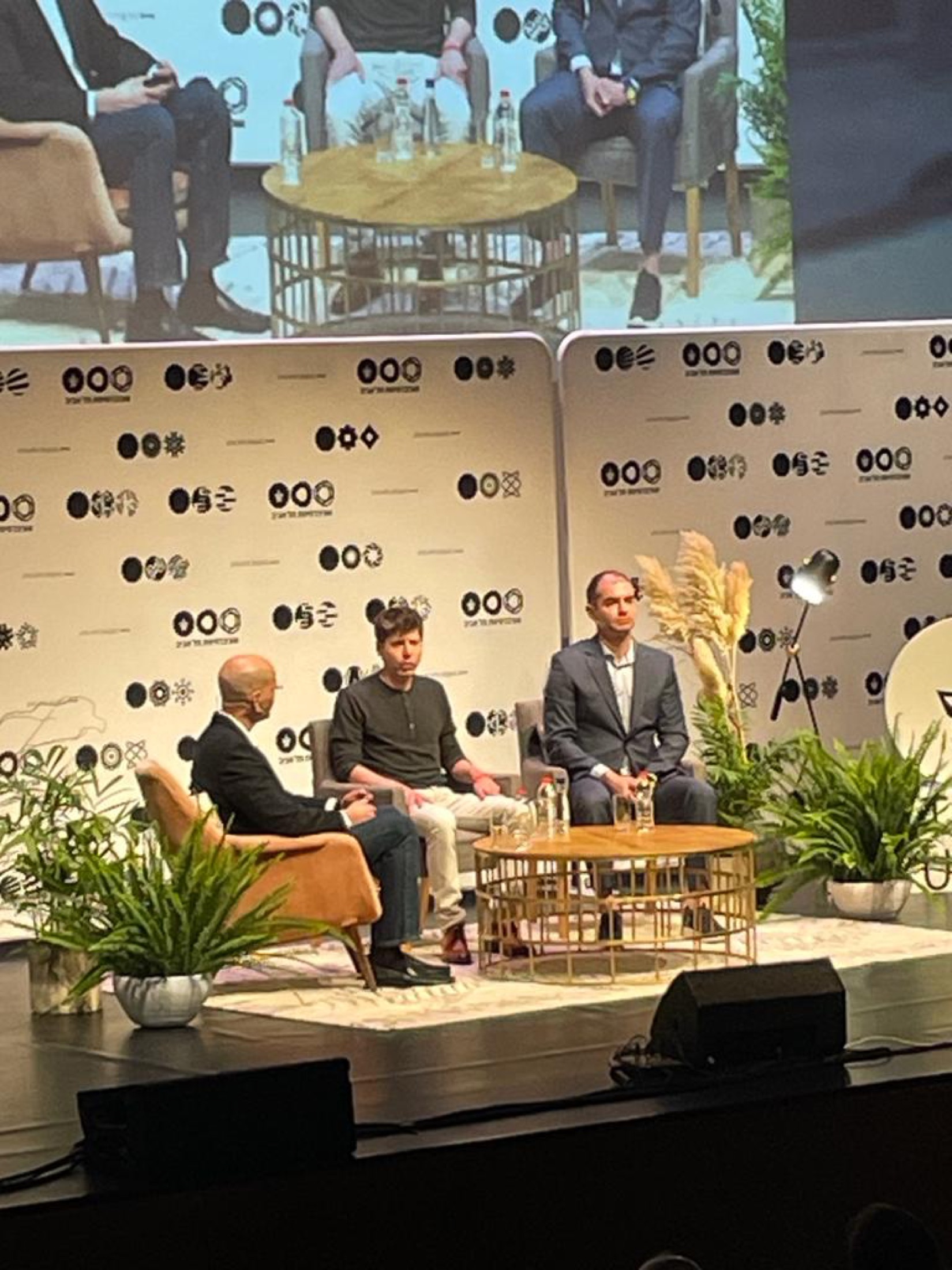
OpenAI has reportedly completed a $7 billion tender offer for employee shares, a transaction that TechCrunch says valued the company at $852 billion. The deal gives current and former staff a way to sell stock without requiring the company to list publicly, and it arrives as every leading AI lab is trying to retain the researchers and engineers who can still materially change its trajectory.
A tender offer is not simply a finance headline. In a private company where compensation is often heavily weighted toward equity, liquidity is a recruiting tool. It lets employees realize some value without leaving, while preserving the upside that makes a frontier lab competitive with public technology companies, startups and rival model makers.

The reported valuation is the same as OpenAI's most recent fundraising round, according to the report. That steadiness is notable because an employee sale does not produce new operating capital; it changes who owns shares. It can still send a signal to recruits, investors and competitors that the company has enough demand for its equity to create an orderly market.
An eventual initial public offering remains possible, but private tenders give a company room to choose its timing. They can reduce the pressure on workers who need cash and allow management to keep the business focused on products, compute and enterprise sales rather than the quarterly cadence of public markets.
The more useful question is what this means for AI competition. The labs are not only racing to train models. They are trying to hold together unusually expensive organizations through a period when a single team move can matter. A large tender does not guarantee loyalty, but it makes the decision to stay considerably less abstract.
Topics: OpenAI, AI investment, talent