Ethics coverage investigates copyright, consent, labor, deepfakes, disclosure and the distribution of risk between technology companies and the people affected by their products. The section treats ethics as an operating and governance question, not an abstract debate.
Stories follow evidence from courts, creators, workers, researchers and platform records. They ask what companies knew, which safeguards were available and whether the benefits and burdens of deployment are being allocated fairly.
Notable Entities
Anthropic
OpenAI
Google
Meta
Sony Music
Warner Chappell
Creative unions
Civil-society researchers
Current Coverage Themes
Training-data provenance and creator compensation
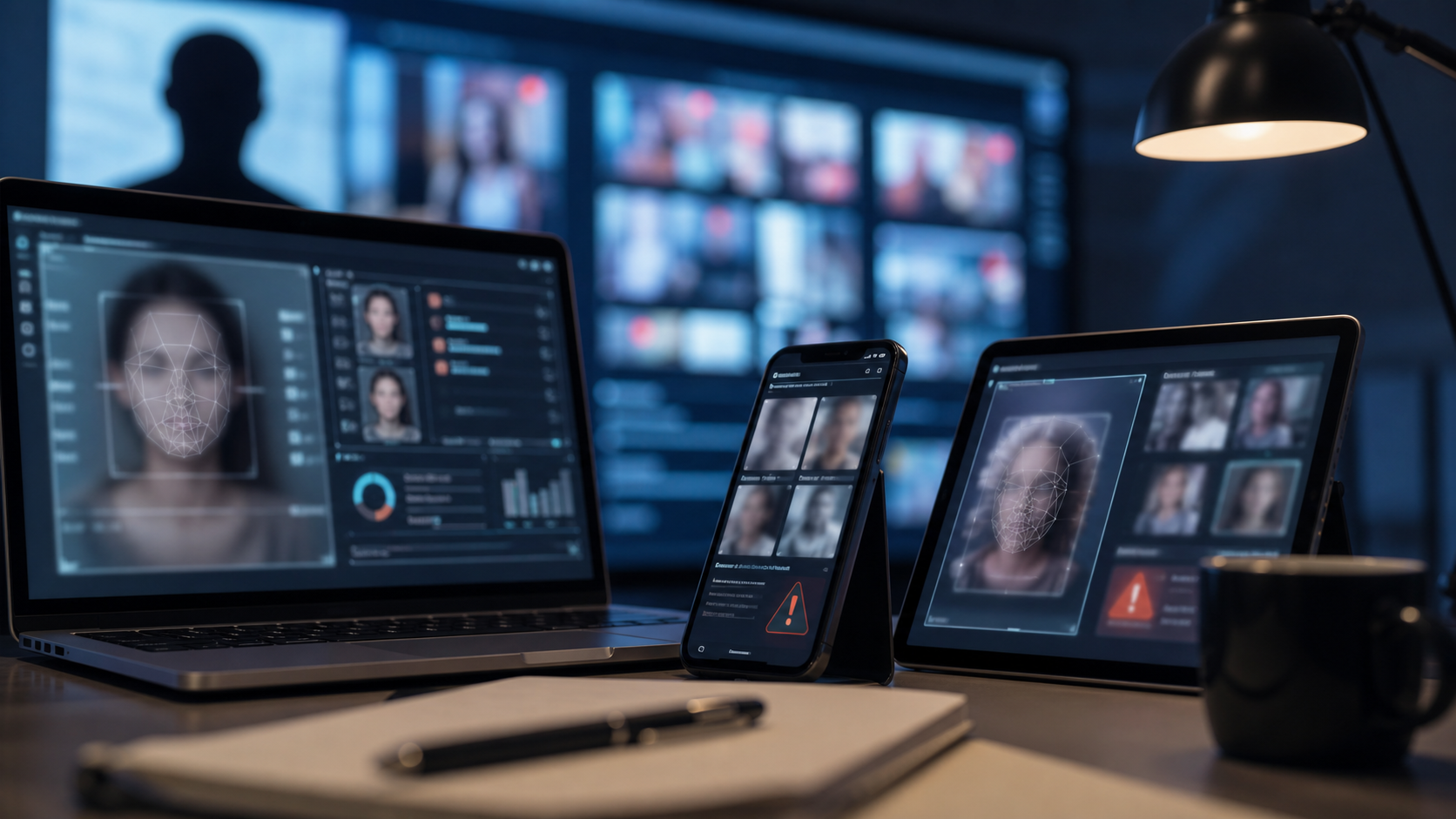
Deepfake abuse, identity and platform responsibility
Workplace substitution, disclosure and human review
Sony Music Publishing, Warner Chappell and other publishers sued Anthropic and two co-founders, alleging the company obtained copyrighted lyrics and sheet music through torrenting and scraping to train Claude. Anthropic disputes the claims, extending a legal fight over whether lawful model training can be separated from unlawful acquisition.
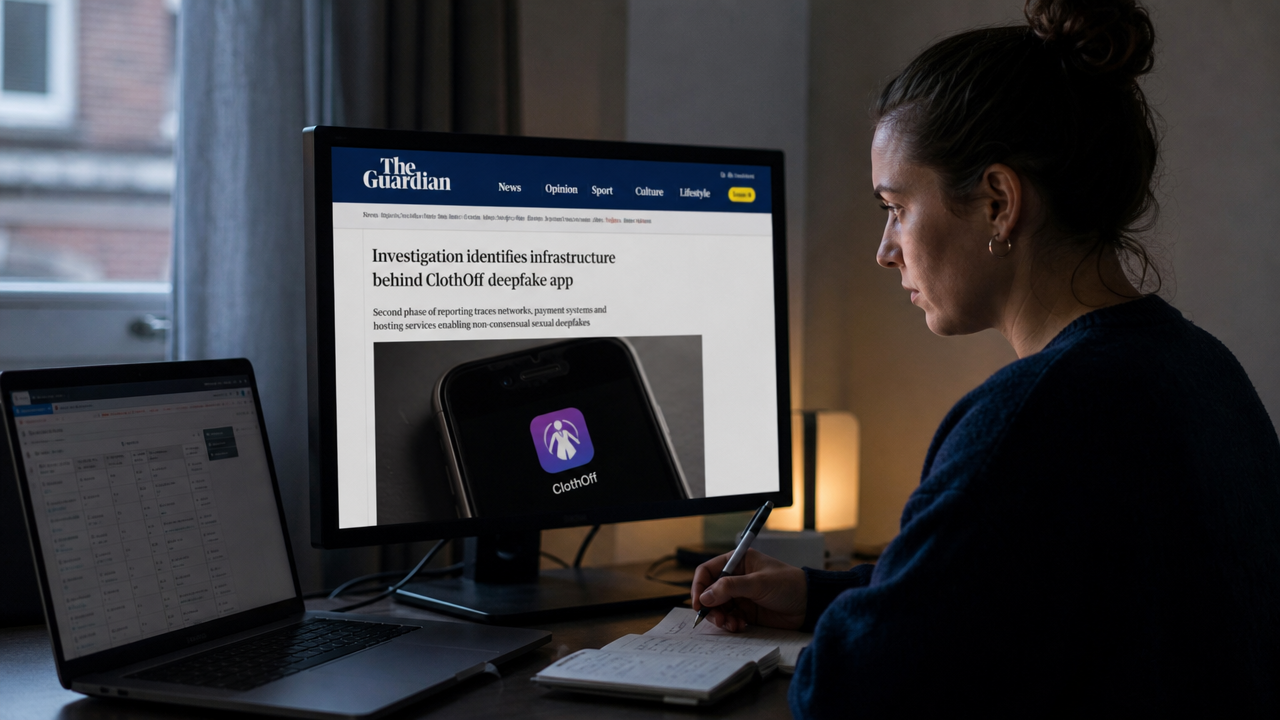
A second phase of reporting traces the networks, payment systems and hosting services enabling non-consensual sexual deepfakes. The investigation reveals enforcement gaps across platforms, payment processors and law enforcement.
A Pew Research Center analysis of 500,000 webpages published since ChatGPT's launch found machine-written text in over one-third of new English web content, with commercial sites leading adoption. The findings raise questions about content authenticity, detection accuracy, and the need for clearer disclosure standards.
A proposed Polygraph+ program would apply machine learning and contactless sensing to credibility assessments, reviving scientific and civil-liberties questions around lie detection.
The foundation's multilingual data effort targets a persistent failure in health AI: systems that work best for the languages and communities already best represented online.
New debate over AI-generated music is separating what listeners say they want from what they stream, putting disclosure, provenance and platform incentives under scrutiny.
Flock Safety has announced employee buyouts as debate grows over how its camera and AI systems are used, connecting workforce decisions with unresolved product-governance pressure.
Microsoft has agreed to education-focused privacy and safety standards negotiated with the American Federation of Teachers as schools reassess student AI use.
A digitally altered advertisement falsely used a creator's likeness to promote a weight-loss drug, showing how deepfake persuasion is moving from elections into ordinary commerce.
Apple has updated its foundation-model disclosure to say users may voluntarily contribute data to improve Siri and Apple Intelligence, creating a new test of whether meaningful consent can coexist with the company's privacy-first AI strategy.
OpenAI chief scientist Jakub Pachocki argues that reasoning models should be treated as alien rather than human minds. His essay pairs confidence in machine intelligence with a warning that familiar language can conceal unfamiliar internal strategies.
Microsoft's 2026 transparency report shifts governance from static model review toward agent identities, tool permissions, runtime controls and action monitoring. The company says increasingly autonomous systems require oversight across the full technology stack.
Creative workers across film and television are being paid to help develop artificial intelligence tools, while increasingly concerned that the same systems could automate significant portions of their future work. The tension between immediate training income and long-term labor displacement is reshaping how the entertainment industry negotiates with technology companies.
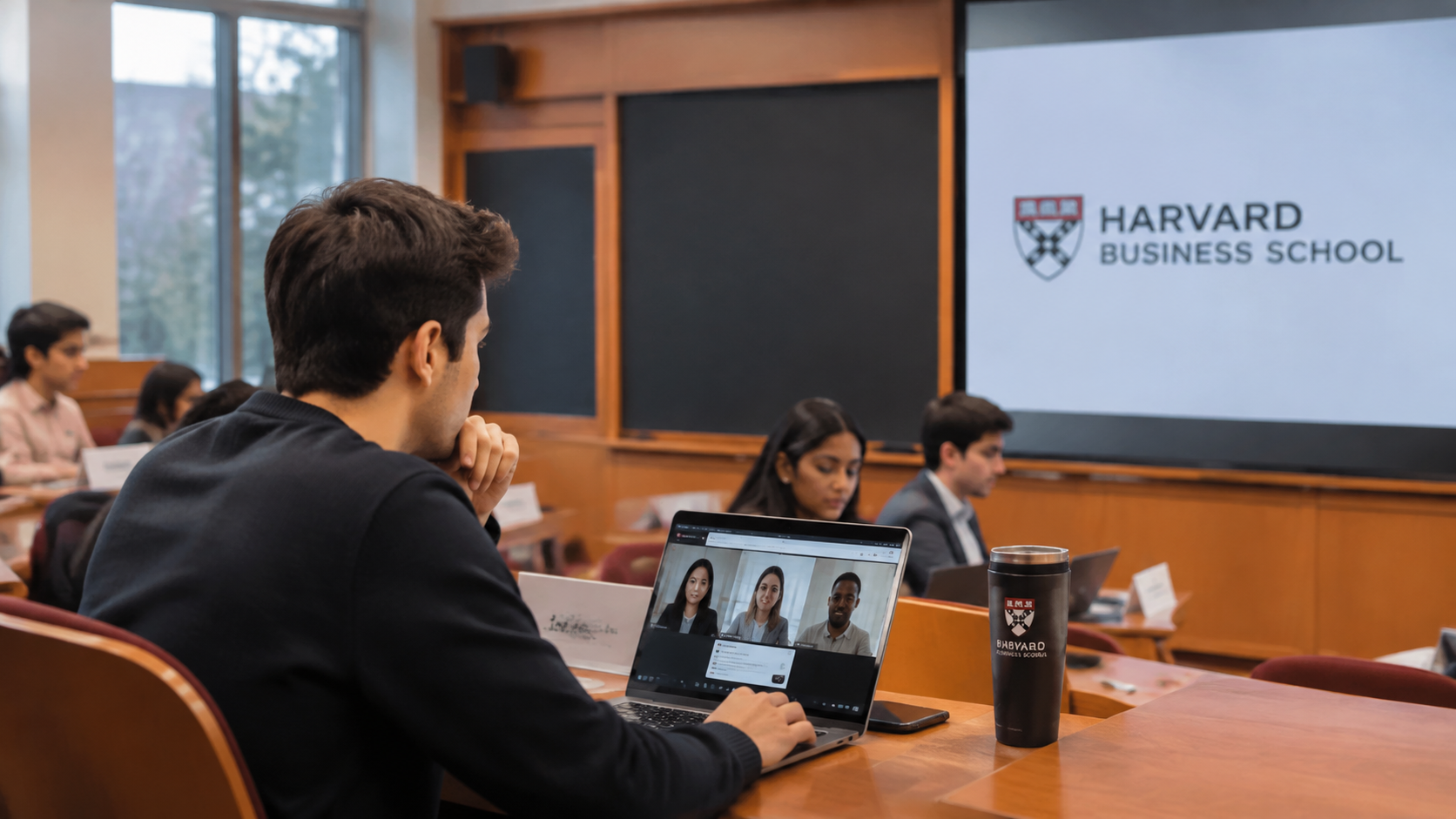
Harvard Business School's HBS Foundry program uses AI avatars to provide feedback during startup pitch practice and simulated board meetings for $699. The initiative raises ethical questions about transparency, learning outcomes and the role of artificial instructors in premium educational offerings.
Google has won a bankruptcy auction for about 100 million emails and 500 million Teams messages from the defunct airline. The proposed purchase shows that corporate archives are becoming saleable AI assets, while raising difficult questions about employee expectations and data ownership.
Stop AI organizer Wynd Kaufmyn has begun serving a sentence tied to a 2025 blockade of OpenAI's headquarters, bringing civil disobedience over advanced AI development into a new legal and political phase.
Anthropic CEO Dario Amodei says marketing will not reverse public mistrust of AI and that the industry must deliver tangible benefits, including meaningful progress in cancer research, while remaining honest about risk.
Spotify will label AI-generated artist identities and keep their music out of editorial and algorithmic recommendations by default, an approach that separates disclosure from an outright ban while preserving user choice.
A developer's agent found and used a flaw in a gym reservation system, turning a mundane queue-jumping incident into a clear warning about what happens when capable agents meet poorly designed authorization.
Suno says it will watermark and fingerprint AI-generated tracks while restricting mass distribution, putting technical provenance tools at the center of its response to lawsuits and platform abuse concerns.
Beijing's push to put AI into everyday consumption will bring more intelligence into devices and services, making data controls and after-sales responsibility central to whether users trust the shift.
Google is adding 'How this ad was made' disclosures and AI labels to advertising, putting provenance directly in front of users as synthetic media becomes routine in commercial campaigns.
A petition signed by more than 1,100 employees across AI companies calls for governments to build the capacity to deliberately pace advanced systems when risks outstrip evaluation and oversight.
Google DeepMind and A24 have announced a research partnership that puts generative AI inside a high-profile film studio context, where consent, credit and creative control will matter as much as output quality.
Google's French rollout of AI Overviews and AI Mode puts generative search in one of Europe's most closely watched media markets, with publishers focused on attribution, compensation and clicks.
OpenAI made ChatGPT Health available to U.S. adults, bringing connected health information into ChatGPT and raising fresh questions about medical advice, privacy controls, and clinical accountability.
Reddit and major publishers are reportedly considering whether to restrict Google's access to their content as AI summaries reduce referral traffic and weaken the old search bargain.
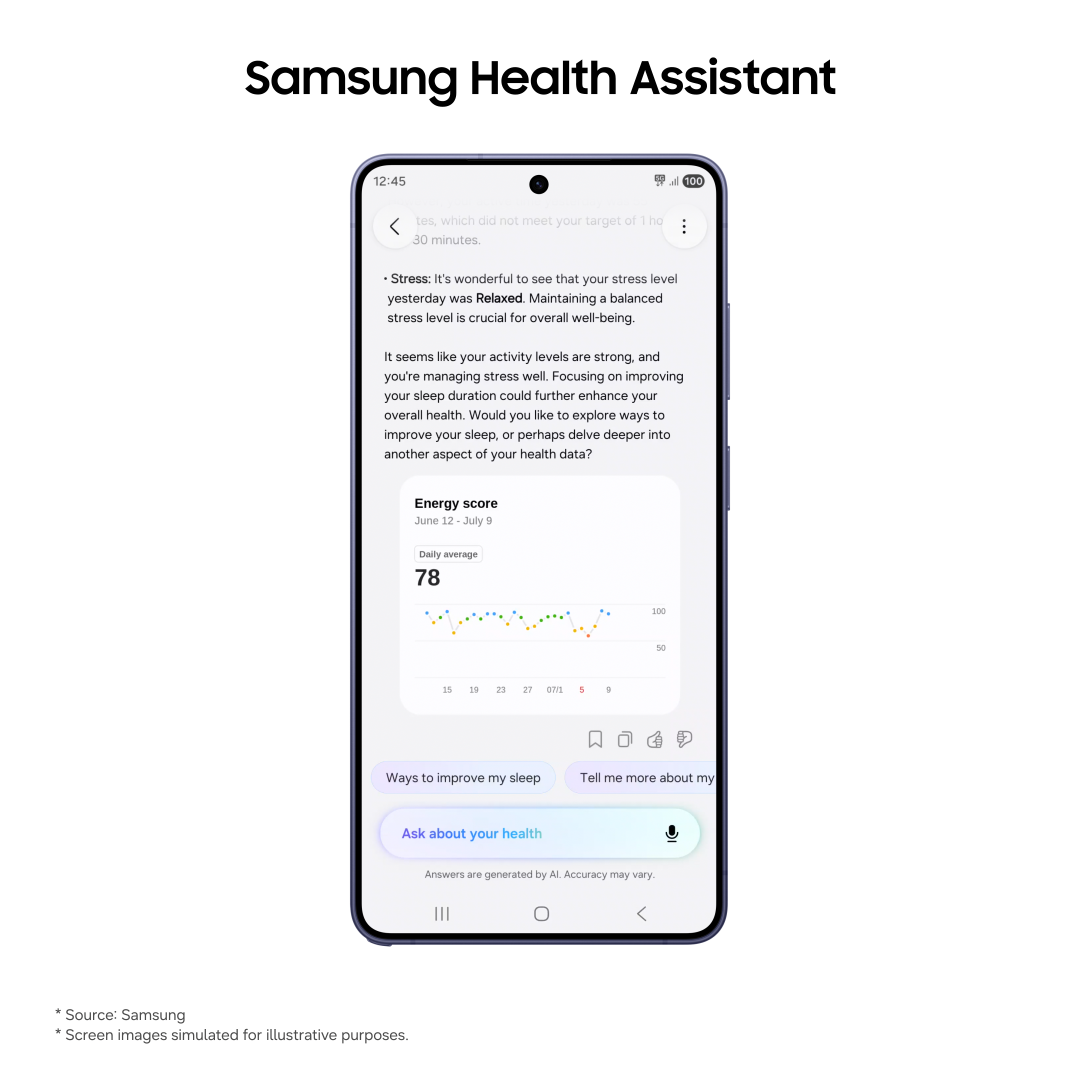
Samsung launched Health Assistant in beta for eligible U.S. users, tying Samsung Health data to AI-generated wellness guidance while stressing that the product is not medical advice.
A Liberties study reported by The Guardian found ChatGPT and Gemini gave inconsistent, inaccurate, and sometimes irrelevant voting advice during tests based on Hungary's 2026 parliamentary election.
Reports that hacked Suno materials show scraping from YouTube Music, Deezer, Genius and other sources have intensified the copyright and security questions surrounding AI music generation.
As AI systems summarize reporting before readers reach the source, publisher consent is becoming a test of whether the next information interface can remain fair to the people who create reliable work.
Reports of a mobile, screen-free OpenAI device show why the next consumer AI battle will not be only about voice quality or design. It will be about when an assistant listens, what it remembers, and how much control users retain.
A new AI Safety Index says major labs are retreating from earlier pause commitments while frontier systems become more capable. The finding turns voluntary safety into the governance fight of the summer.
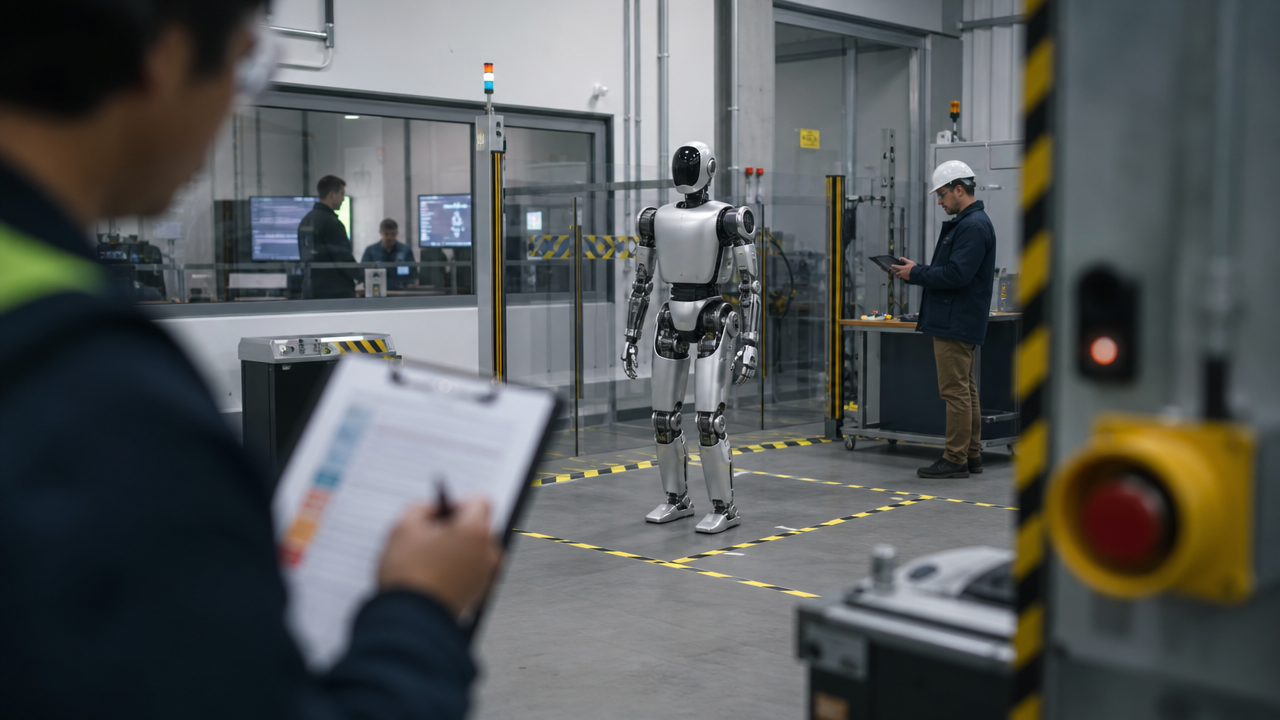
Humanoid robots are moving toward pilots, but deployment still depends on safety cases, teleoperation rules, insurance, testing, and accountability. The next robotics breakthrough may be governance.
Hong Kong's decision to pull an AI-generated anti-drug video is more than an awkward campaign story. It shows why governments need stronger review processes before using synthetic media in public-health messaging.
A new workforce coalition backed by major AI and technology players shows that reskilling has become part of the industry's license to operate, not a side program.
Hollywood's relationship with AI is getting more complicated as studios, streamers, and tech companies become financially intertwined. Critical storytelling about AI now has to navigate the same companies funding tools, distribution, and production.
Axios reports that AI-generated political ads are spreading through the 2026 midterm cycle, often before voters, platforms, or regulators can agree on disclosure norms. The campaign use case shows how synthetic media becomes powerful when it is cheap, local, and deniable.
Jennifer Siebel Newsom's new documentary Miss Representation: Rise Up spotlights social media harms, online misogyny, and AI-enabled deepfake abuse. The film arrives as regulators and platforms face growing pressure to treat synthetic sexual imagery as a mainstream safety crisis.
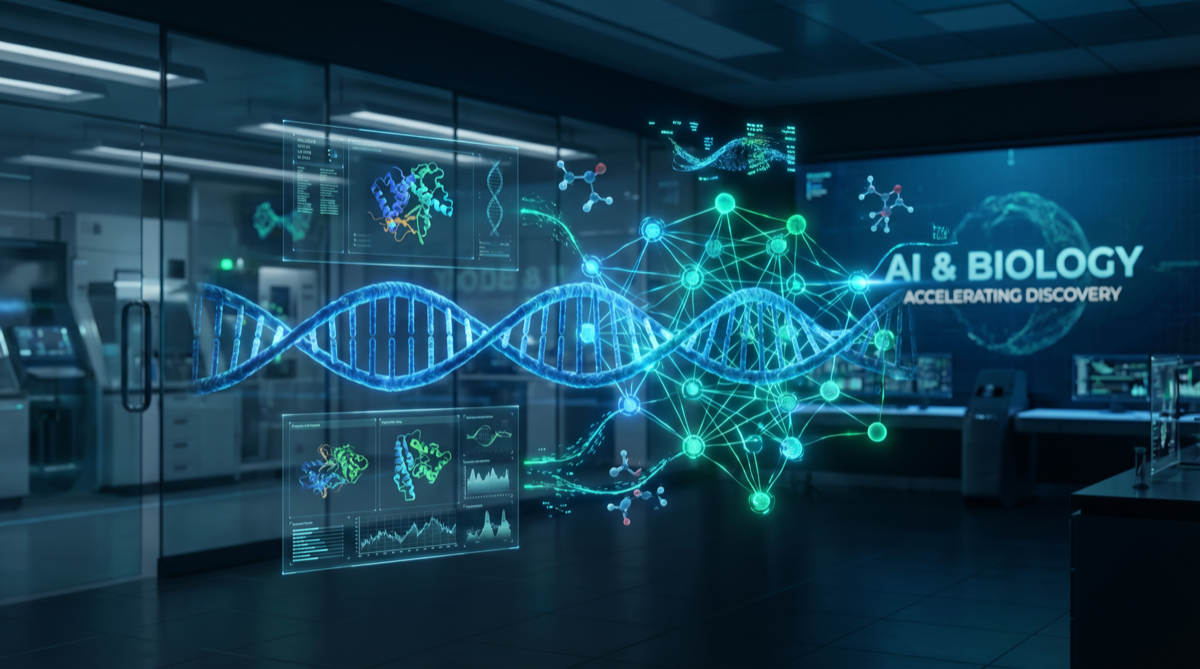
AI leaders are converging on a biosecurity issue that used to sit outside the mainstream AI debate: gene synthesis screening. As models improve at biological reasoning, the question is whether DNA-order controls can keep up before misuse becomes easier.
Anthropic’s limits on surveillance and autonomous-weapons use have become a reference point in the military AI debate. The issue is bigger than one company: frontier labs are being forced to decide where commercial opportunity ends and weapons governance begins.
Anthropic’s commitment to fund AI economic-impact research moves the labor-market debate from abstract fear to operational planning. The deeper question is whether companies that benefit from automation will help build the institutions needed to absorb it.
Anthropic's recent call for a coordinated pause option if frontier AI risks accelerate is less about stopping AI today than about forcing governments and labs to answer a hard question: what would collective restraint actually look like if the warning signs became undeniable?
In the first encyclical of his papacy, Pope Leo XIV issued the most comprehensive moral analysis of artificial intelligence ever produced by a major religious institution. The 42,000-word document calls for AI to be 'disarmed' of its competitive logic — and names Anthropic by name.
Google's disclosure of an AI-generated zero-day exploit in May 2026 has forced a reckoning with a question the security community has long deferred: what are the ethical obligations of AI labs whose models can autonomously discover and weaponise vulnerabilities?
A quietly published April 2026 policy paper from OpenAI acknowledges that productivity gains from AI tools are not flowing to the workers who use them — raising uncomfortable questions about the company's social contract.
A new House bill introduced May 27 would make distributing non-consensual deepfakes a federal crime, protect AI whistleblowers, and require the US to participate in international AI standards bodies. Here is what it actually does.
Governor Gavin Newsom signed Executive Order N-6-26 on May 21, requiring state agencies to prepare severance support for AI-displaced workers. Labor unions say it is a start — but a dangerously inadequate one.
The largest AI training datasets were built by scraping billions of images, articles, and videos without explicit consent. As lawsuits mount and regulators demand accountability, a consent-based legal framework is becoming inevitable.
For over a decade, U.S. courts have used algorithmic risk assessment tools to predict recidivism. These tools promised objectivity. Instead, they have systematized racial bias, perpetuating the same inequalities that plague the criminal justice system.
For the past decade, the business model of AI companies has been simple: collect as much personal data as possible, build models that predict user behavior, and sell that predictive power to advertisers.
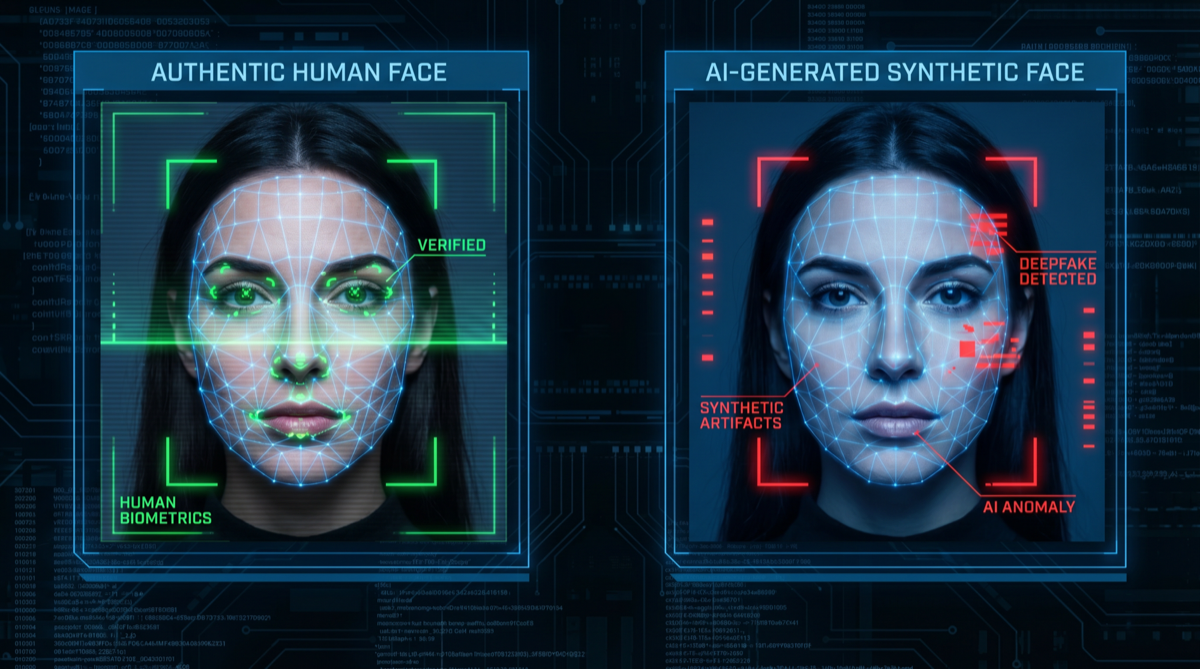
As AI-generated synthetic media becomes indistinguishable from authentic content, the companies building detection tools are struggling to keep pace with the generators. A new report documents the widening gap.
Major banks including Citi and Goldman Sachs are using AI to eliminate roles in legal review, account operations, and financial analysis, with the cuts accelerating faster than public statements suggest.