Ethics
Dario Amodei Says AI Must Deliver Real Medical Breakthroughs To Win Public Trust
Anthropic CEO Dario Amodei says marketing will not reverse public mistrust of AI and that the industry must deliver tangible benefits, including meaningful progress in cancer research, while remaining honest about risk.
By Michael C ·
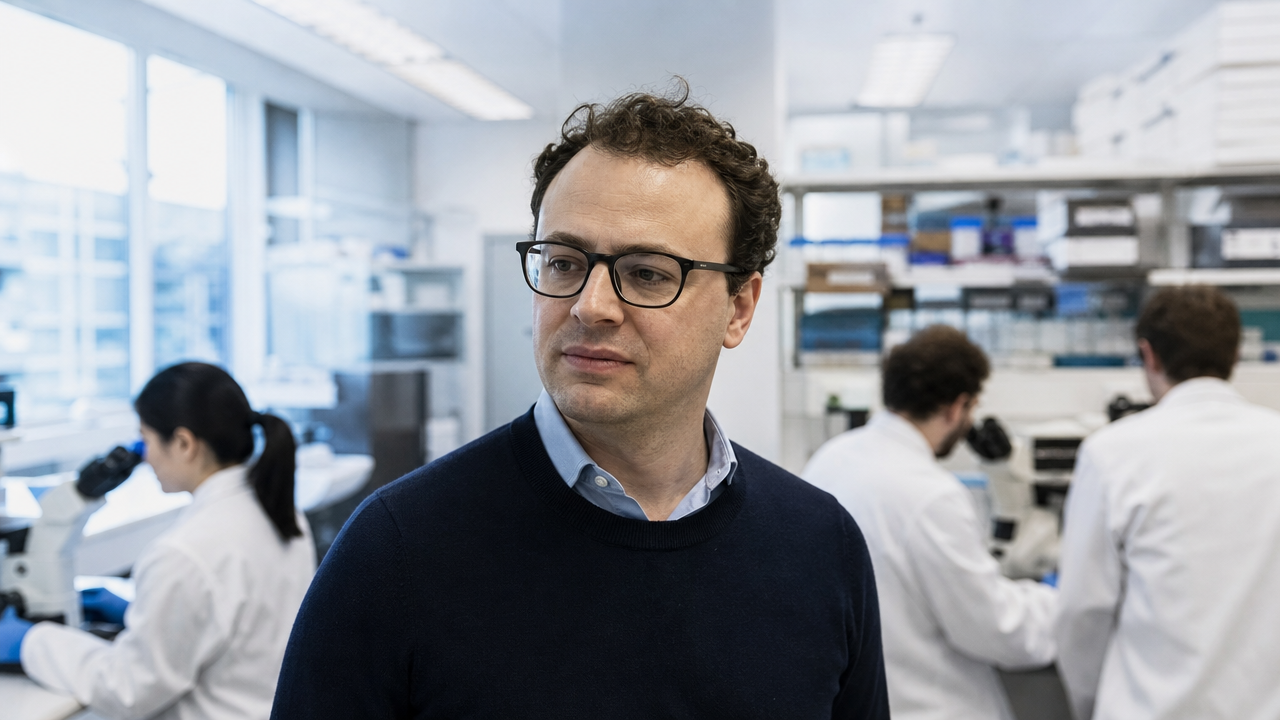
Anthropic CEO Dario Amodei says the AI industry will not win public trust through a more optimistic marketing campaign. It will have to produce benefits people can see, including real advances in medicine. Responding to criticism of his warnings about AI risk, Amodei said the sharper criticism is that AI companies have not yet delivered on their largest promises to improve human life.
His formulation was deliberately blunt: saying AI will cure cancer has become a cliche, while actually helping to cure cancer would change the argument. Amodei said Anthropic is increasing its work in biology and medicine and hopes to show early results in the coming months. He did not announce a treatment, a clinical result or a specific research milestone.
That distinction should remain at the center of the story. Cancer is a broad family of diseases, not one puzzle waiting for a chatbot to answer. Any credible contribution would pass through laboratory experiments, clinical trials, regulatory review and the difficult work of making a treatment available to patients. A model can accelerate parts of that process without replacing it.
Trust Is An Outcome, Not A Campaign
Amodei's argument recognizes a problem that many technology leaders prefer to treat as a communications failure. Public skepticism is tied to copyright disputes, job insecurity, data-center construction, opaque products and the concentration of decision-making inside a small group of companies. Better advertising cannot resolve those material conflicts.
Business Insider cited Pew research finding that roughly half of Americans feel more concerned than excited about AI's growing role in daily life. The concern is not uniform. People may welcome a system that improves a diagnosis while rejecting one that evaluates them at work or imitates an artist without permission. Public opinion follows the use and the institution behind it, not the label AI by itself.
The medical claim therefore creates a demanding accountability standard. AI companies should identify what their systems contributed, how results were validated and who owns the resulting intellectual property. They should also explain whether researchers outside wealthy institutions can use the relevant tools. A breakthrough that remains locked behind inaccessible prices may improve a laboratory's reputation without repairing wider trust.
There is genuine evidence that machine learning can contribute to science. AlphaFold changed the pace at which researchers can predict protein structures and has been used across a large research community. That achievement did not eliminate experimental biology. It gave scientists a powerful new starting point and showed what success looks like when a computational advance is connected to a clearly defined scientific problem.
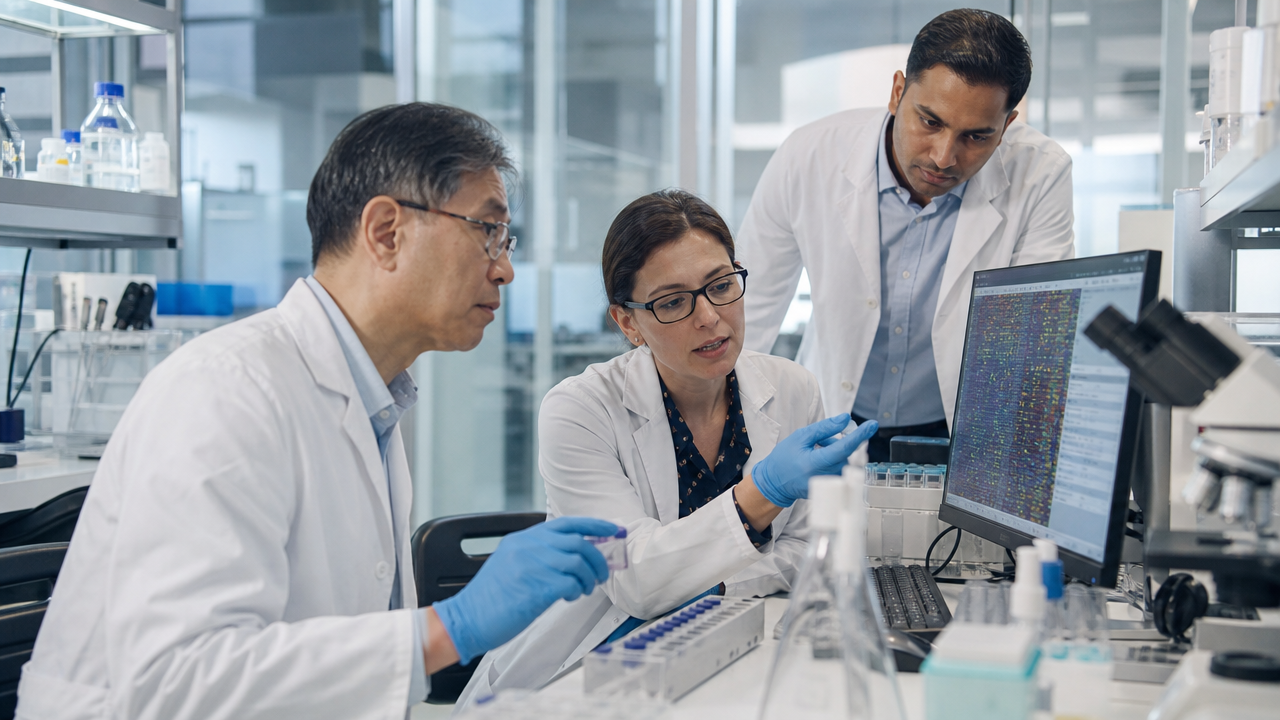
Generative models face a harder evidentiary path. Fluent output can obscure uncertainty, and a plausible biological explanation may still be wrong. Systems used in drug discovery need evaluations tied to experimental outcomes, not only language benchmarks. The most valuable model may be the one that narrows a search space and records why, rather than the one that speaks most confidently about a cure.

Delivery Also Means Access
Amodei has argued that advanced AI could compress decades of biological progress into a shorter period. Even if that forecast proves directionally correct, discovery is only one bottleneck. Clinical trial capacity, manufacturing, health-system budgets and regulatory staffing determine whether an idea becomes a treatment. The Food and Drug Administration cannot approve a promise, and hospitals cannot administer a benchmark.
The AI industry can help beyond model research. It can support trial matching, improve documentation, identify adverse-event patterns and reduce administrative work that takes clinicians away from patients. Those applications may sound less dramatic than curing cancer, but measurable gains in them could build trust because people experience the result directly.
Companies must also avoid using medical ambition to excuse harm elsewhere. A model that contributes to research does not settle questions about labor displacement, surveillance or environmental cost. Pharmaceutical companies can deliver effective drugs and remain mistrusted over price and access. AI companies will face the same judgment across the full record of their behavior.
Amodei acknowledged that broader corporate distrust predates the current AI boom. That is precisely why transparency matters. If Anthropic produces the early scientific glimmers he described, it should publish methods, limitations and independent assessments before turning them into a brand campaign. The more important the claim, the less the public should have to rely on the company making it.
The CEO's statement is strongest when read as a commitment rather than a forecast. Anthropic has asked governments, customers and communities to accept rapid development because the potential benefits are immense. The public is entitled to ask for evidence that those benefits are arriving, who receives them and what costs were incurred along the way.
Curing cancer will never be a single launch-day event, and no responsible scientist should present it that way. Trust may grow through a quieter sequence: a hypothesis that holds up, a trial that works, a clinician who saves time, a treatment patients can obtain. If AI companies want credibility, those are the milestones that matter.
Topics: Dario Amodei, Anthropic, cancer research, public trust