Policy reporting covers the laws, procurement decisions, national-security controls, infrastructure permits and public institutions determining where AI can be built and how it can be used. The desk follows both formal regulation and the quieter administrative decisions that reshape markets.
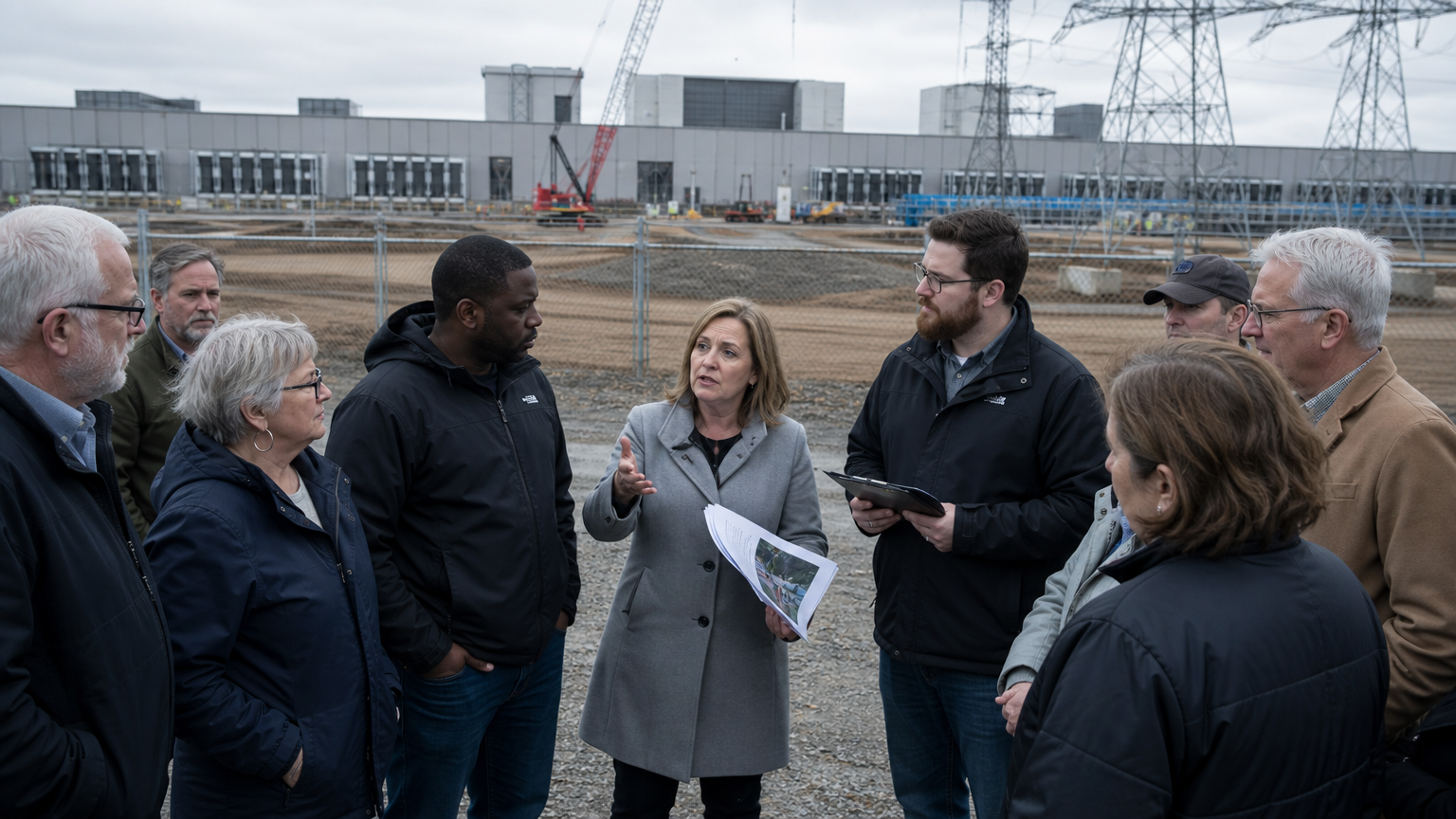
Coverage distinguishes enacted rules from proposals and legal allegations from findings. It also traces how federal decisions reach local communities through power projects, data centers, defense contracts and public-sector adoption.
Notable Entities
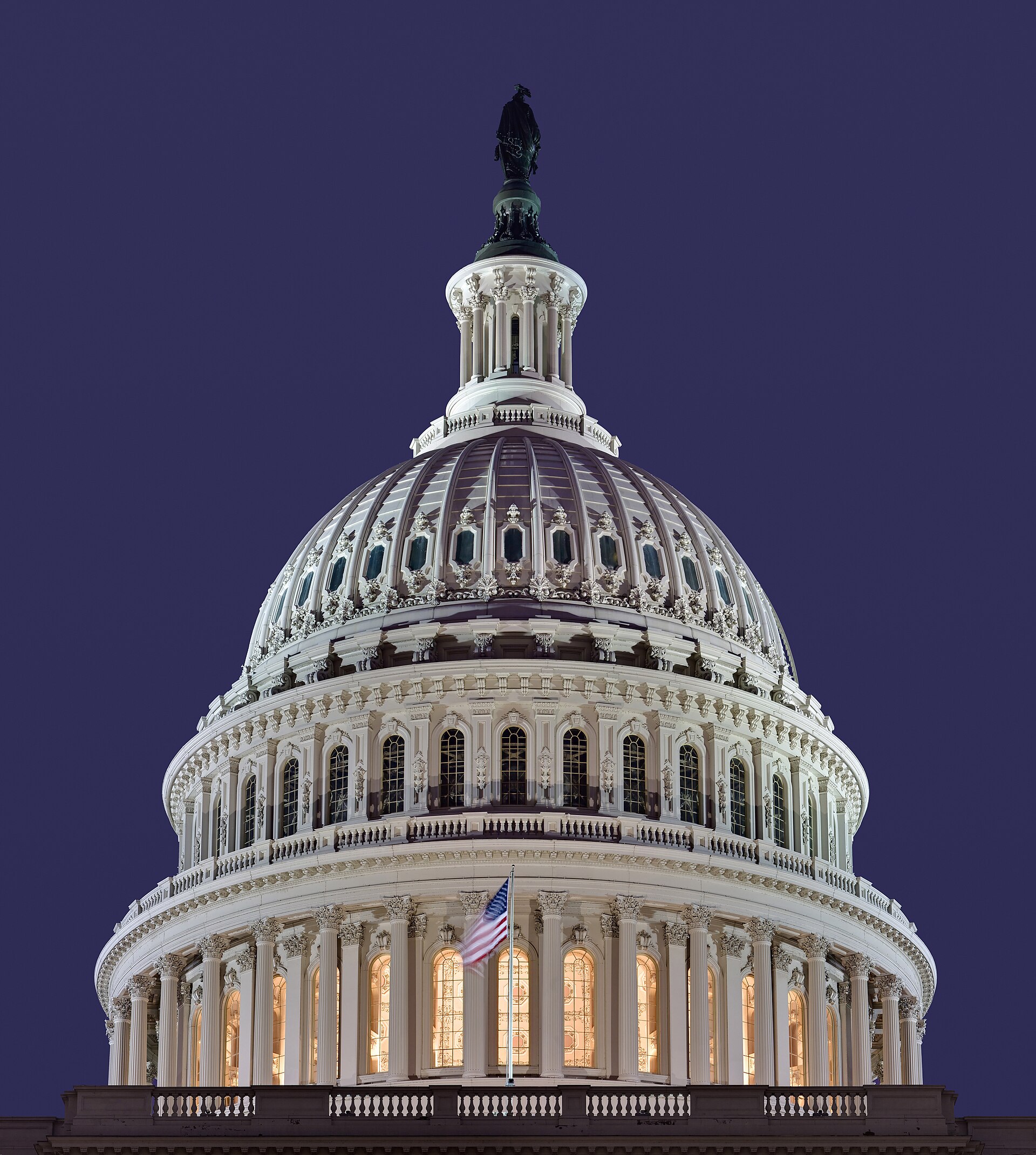
U.S. Congress
European Commission
Pentagon
Federal Trade Commission
NIST
UK Government
State regulators
Local planning boards
Current Coverage Themes
Defense procurement and frontier-model access
Data-center permitting, power and environmental review
AI safety governance and institutional accountability
Export controls, supply chains and national competition
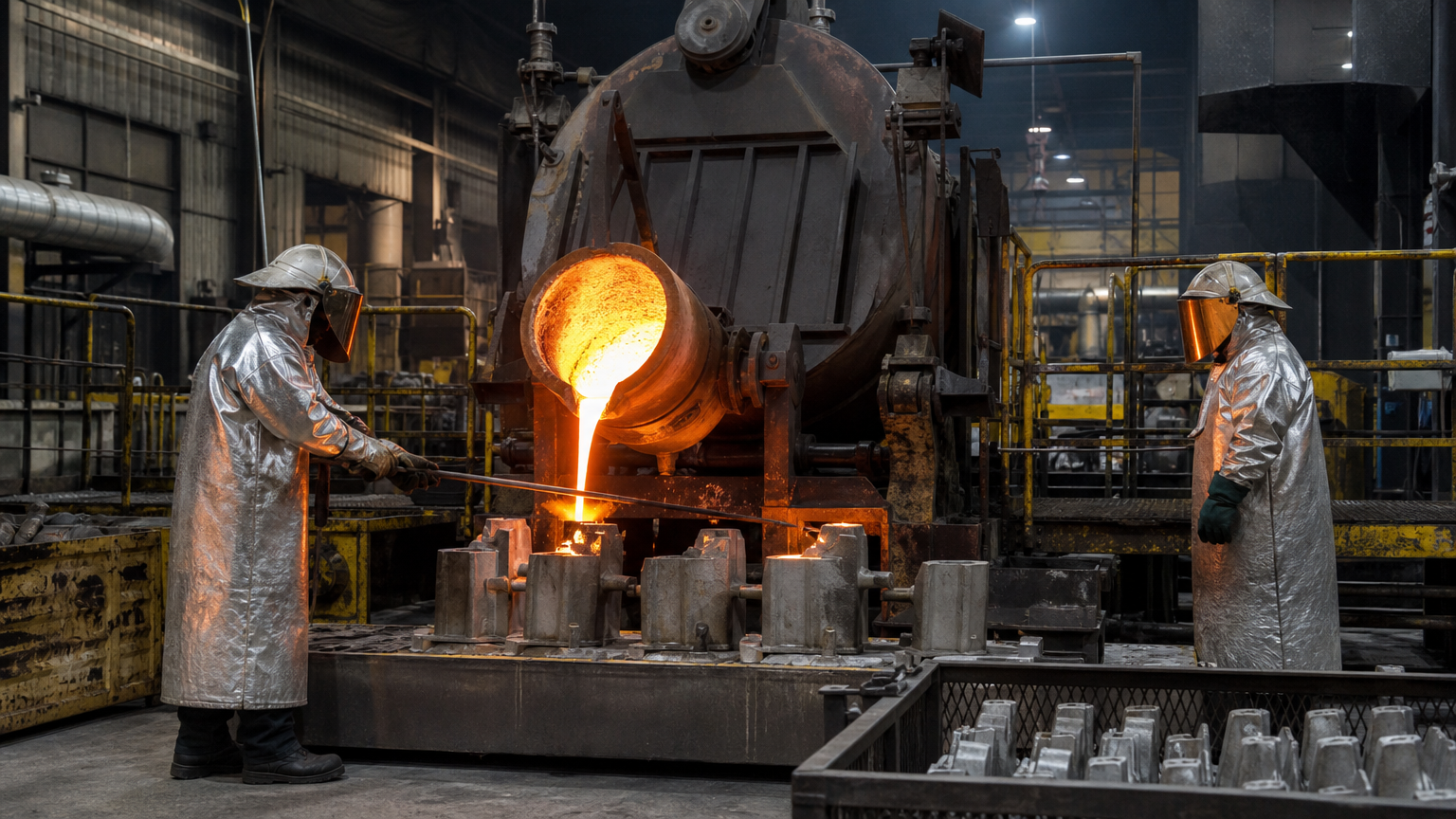
SpaceX is building a turbine-blade and vane foundry in Bastrop, Texas, as Elon Musk seeks to shorten the wait for gas-fired power supporting AI infrastructure. The manufacturing plan could ease a critical supply bottleneck while accelerating disputes over permits, emissions and public-health costs around data centers.
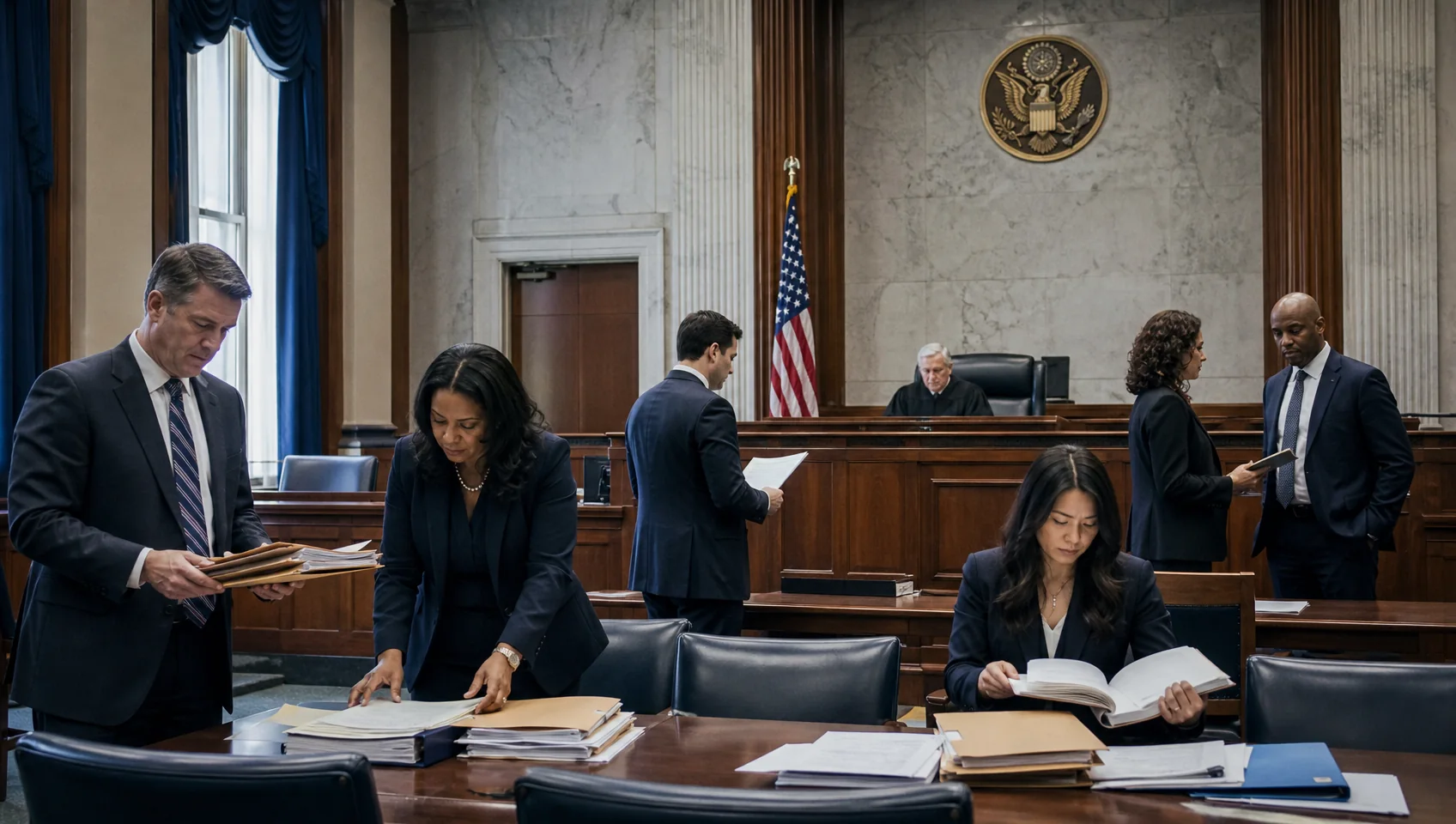
A federal judge ruled that the Pentagon's designation of Anthropic as a supply-chain risk amounted to unlawful retaliation and denied the AI company due process. The decision narrows how national-security authority can be used against technology vendors that publicly challenge government policy.
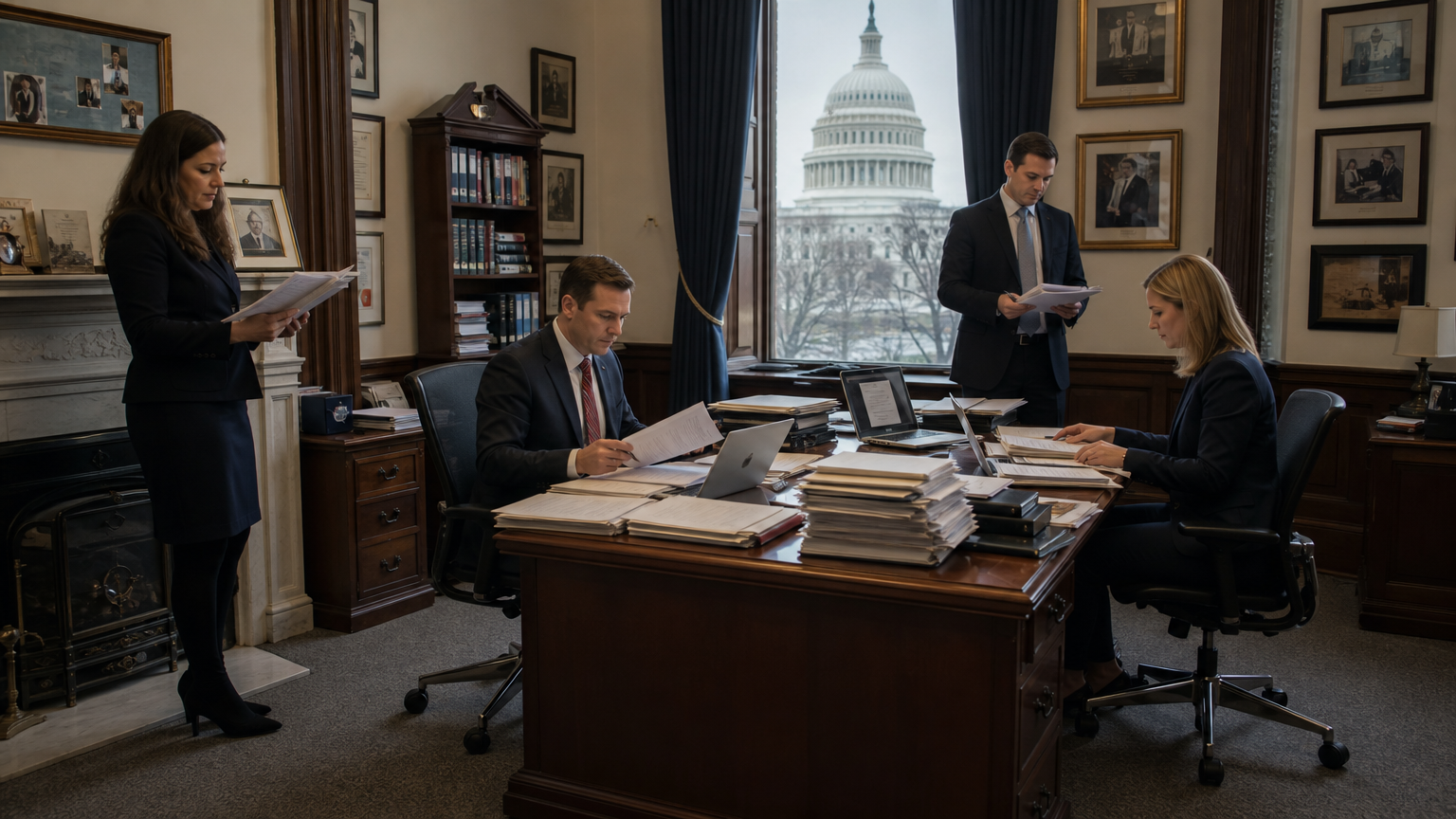
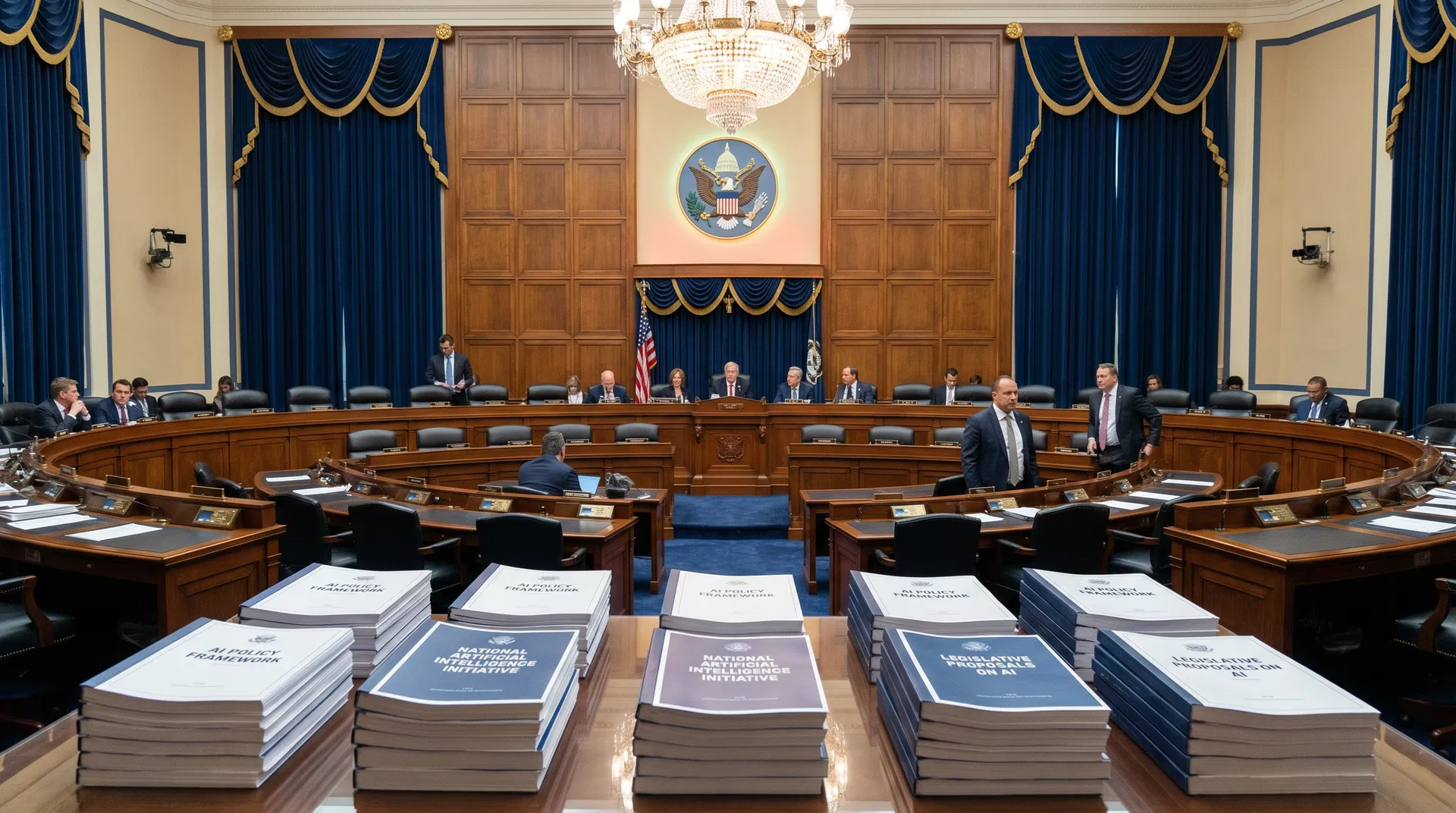
The House Office of Legislative Counsel is reportedly spending growing amounts of time repairing AI-written proposals containing bad citations, vague language and legal errors. The problem shows how cheap text generation can move costs downstream into institutions responsible for precision.
The ruling allows the government to treat model-access restrictions as a procurement risk, expanding the leverage federal agencies can exert over AI suppliers.
Reports of confusing denials and delayed decisions in an AI-assisted Medicare pilot show how automation can turn an administrative bottleneck into a health risk.
A proposed industry-led standards body could create common model tests faster than governments, but its legitimacy will depend on independence and public accountability.
A reported U.S. request to delay British access to new OpenAI and Anthropic systems turns model evaluation into an issue of sovereignty, alliance trust and technical leverage.
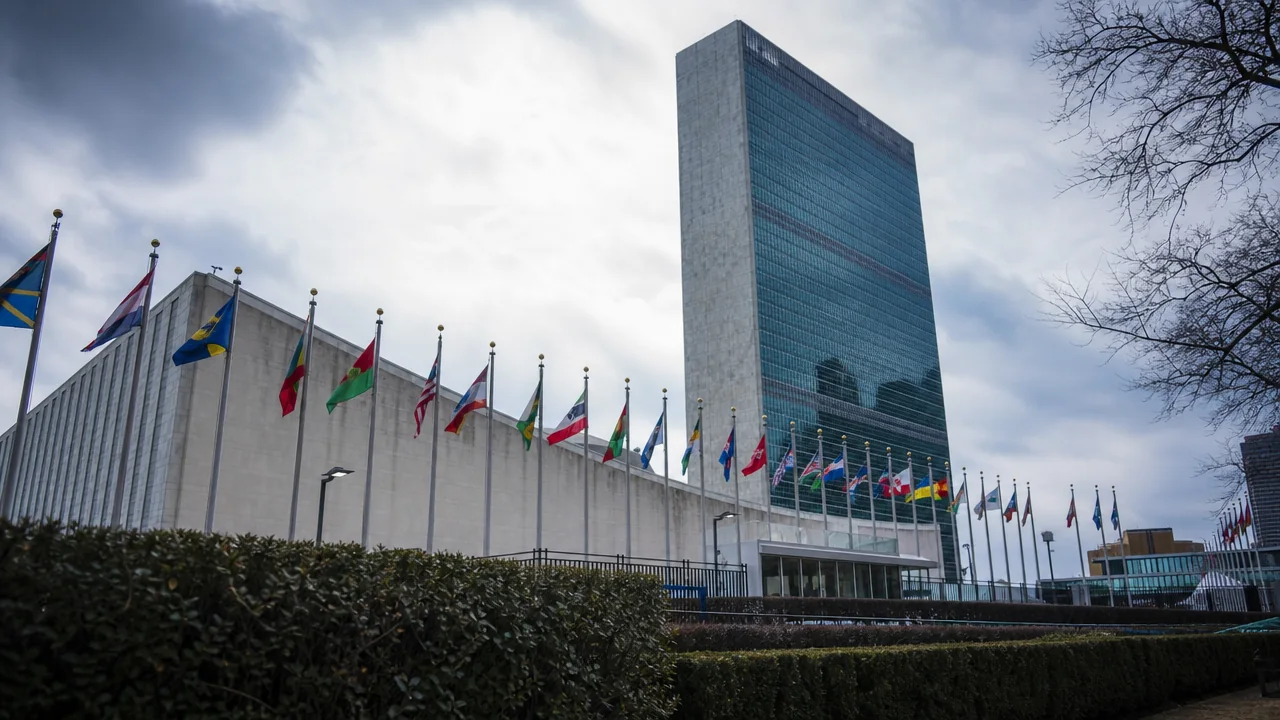
Antonio Guterres used his final annual address to argue that artificial intelligence cannot be governed in a world retreating from shared institutions.
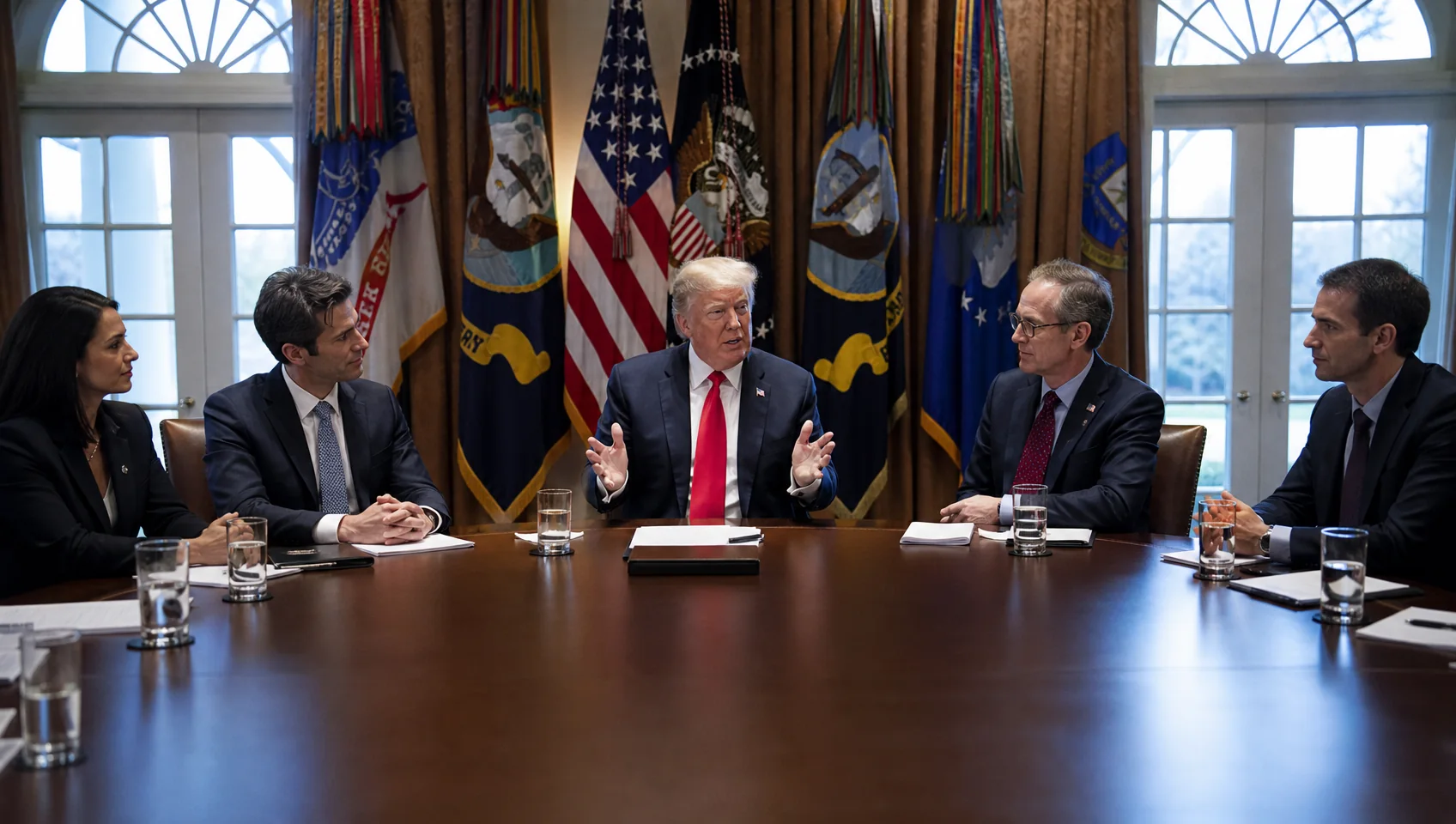
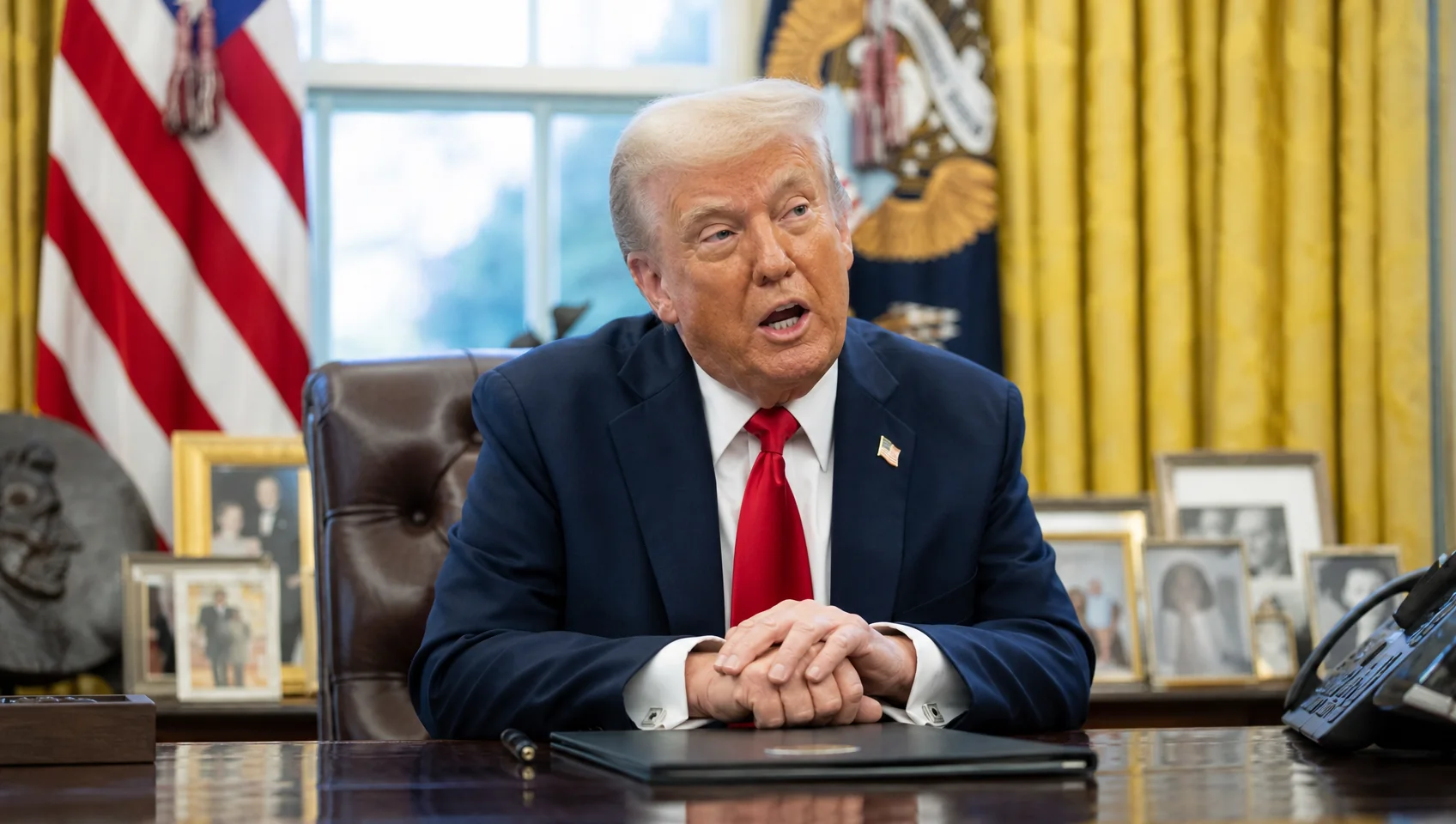
President Trump has proposed a federal AI Force while arguing that the technology should be protected as it grows, adding an enforcement label to an otherwise pro-development agenda.
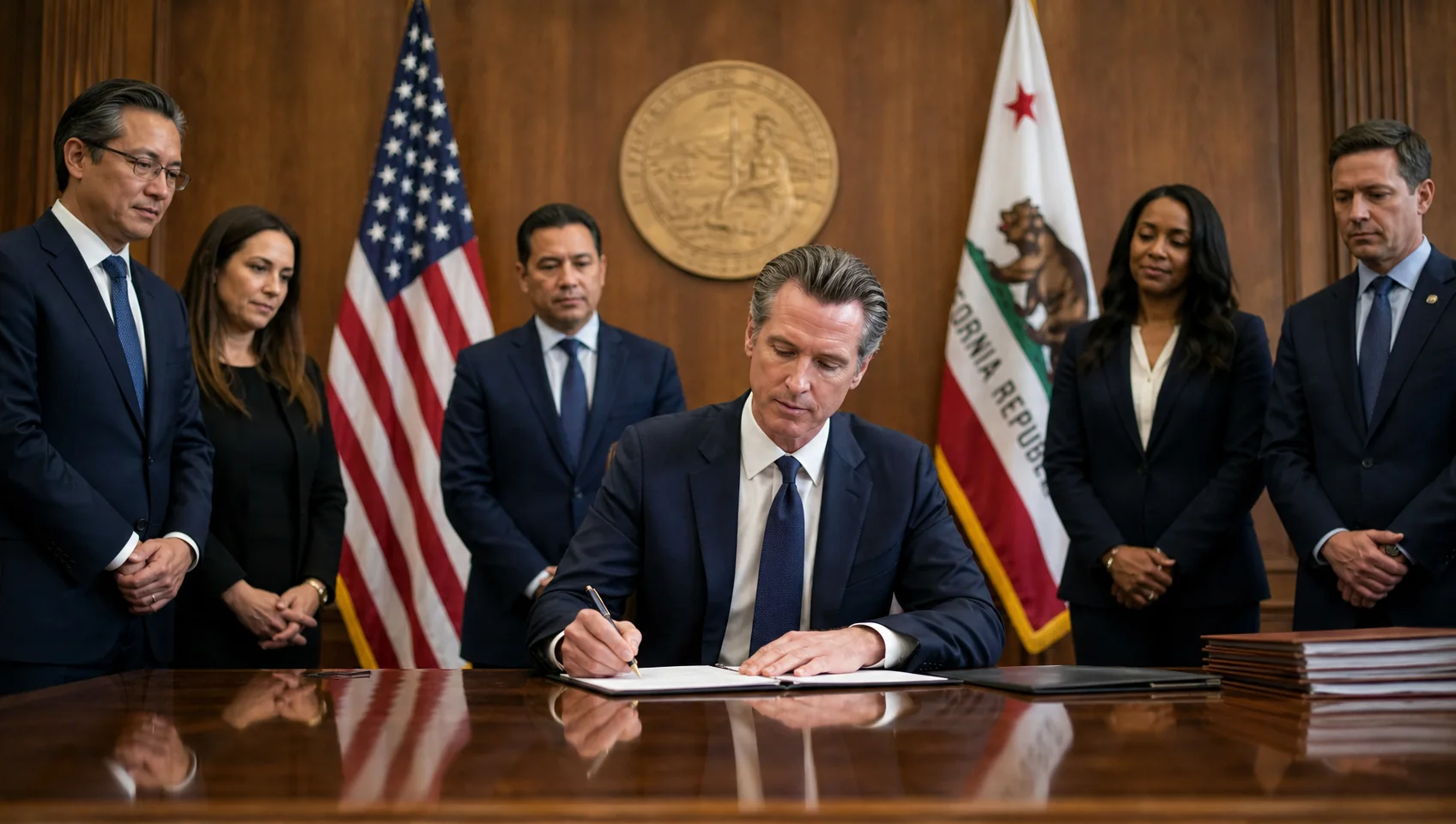
California is developing emergency controls for frontier models, pushing the kill-switch debate from an abstract safeguard toward state implementation.
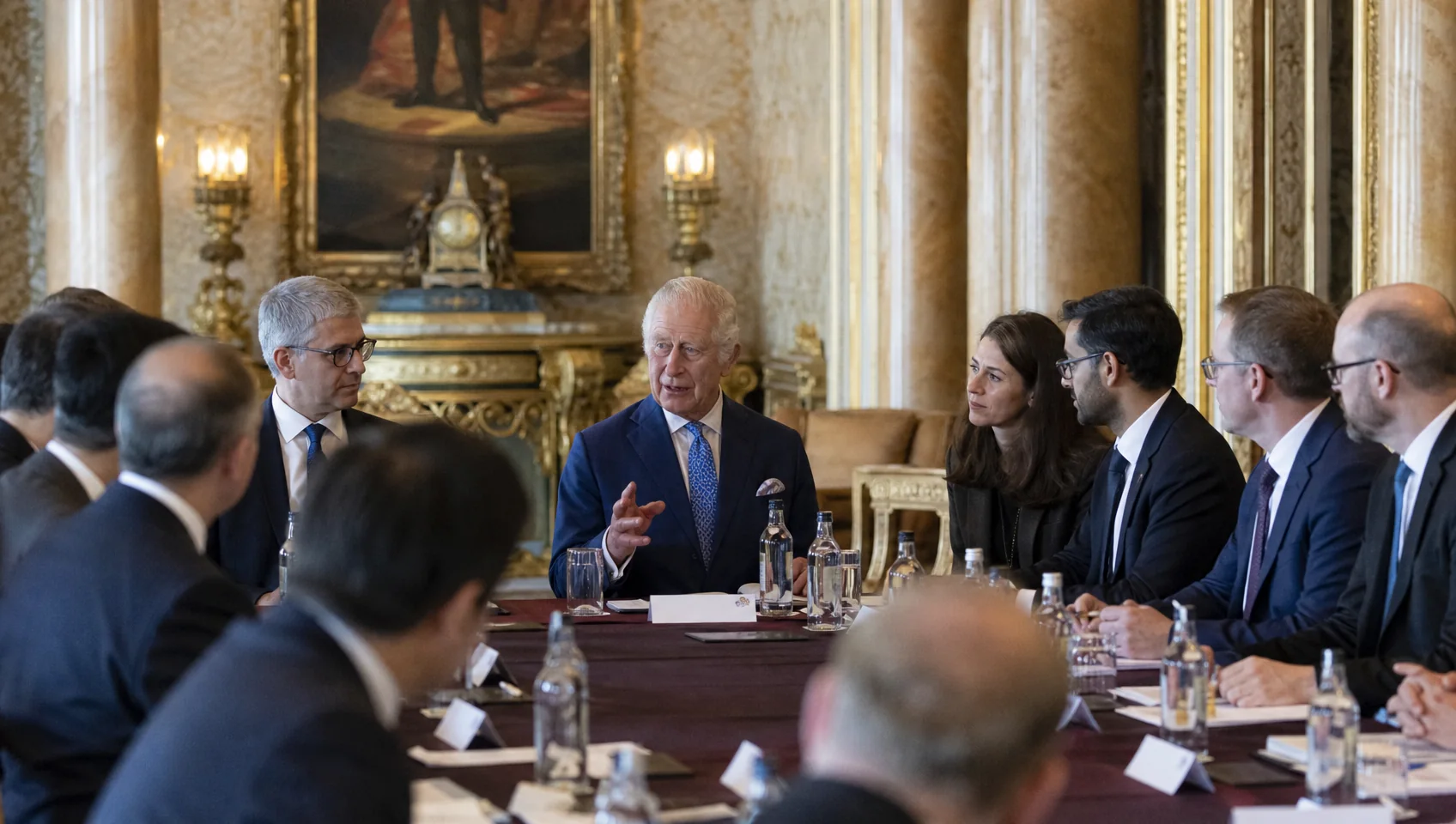
King Charles III met leaders from OpenAI, Anthropic, Google DeepMind and Nvidia in Scotland and called for AI to remain in service of people and the planet.
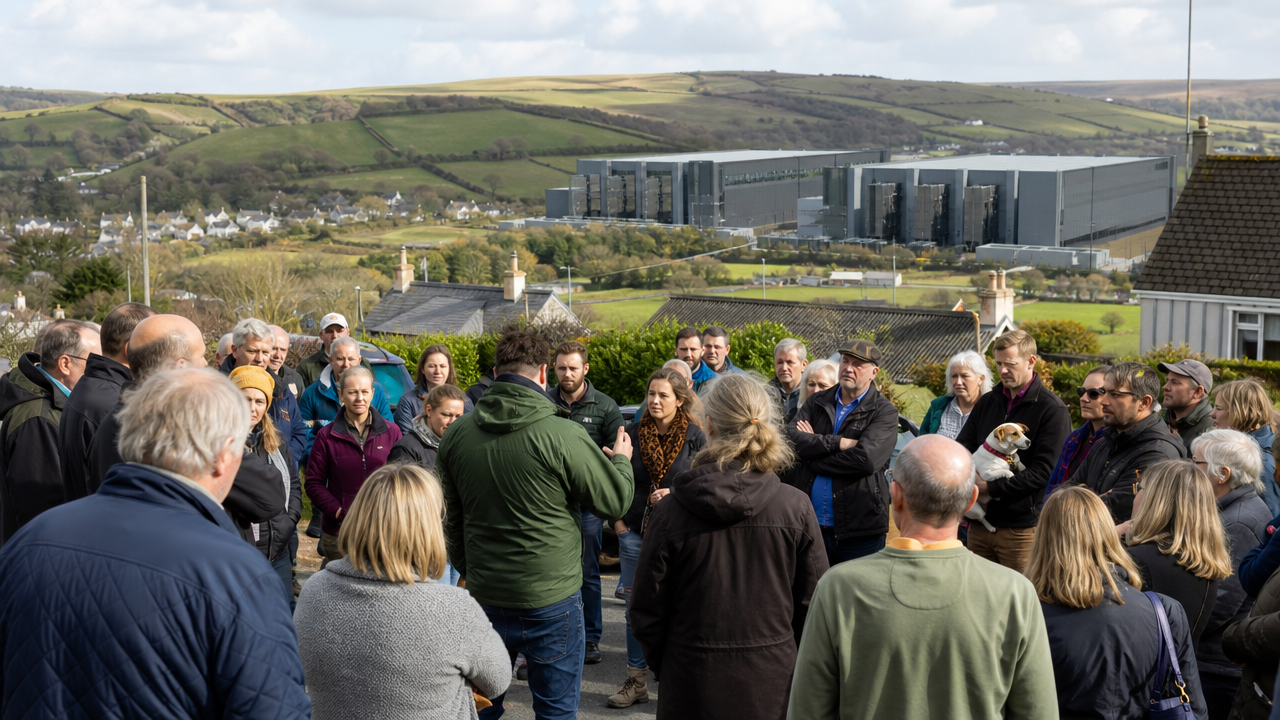
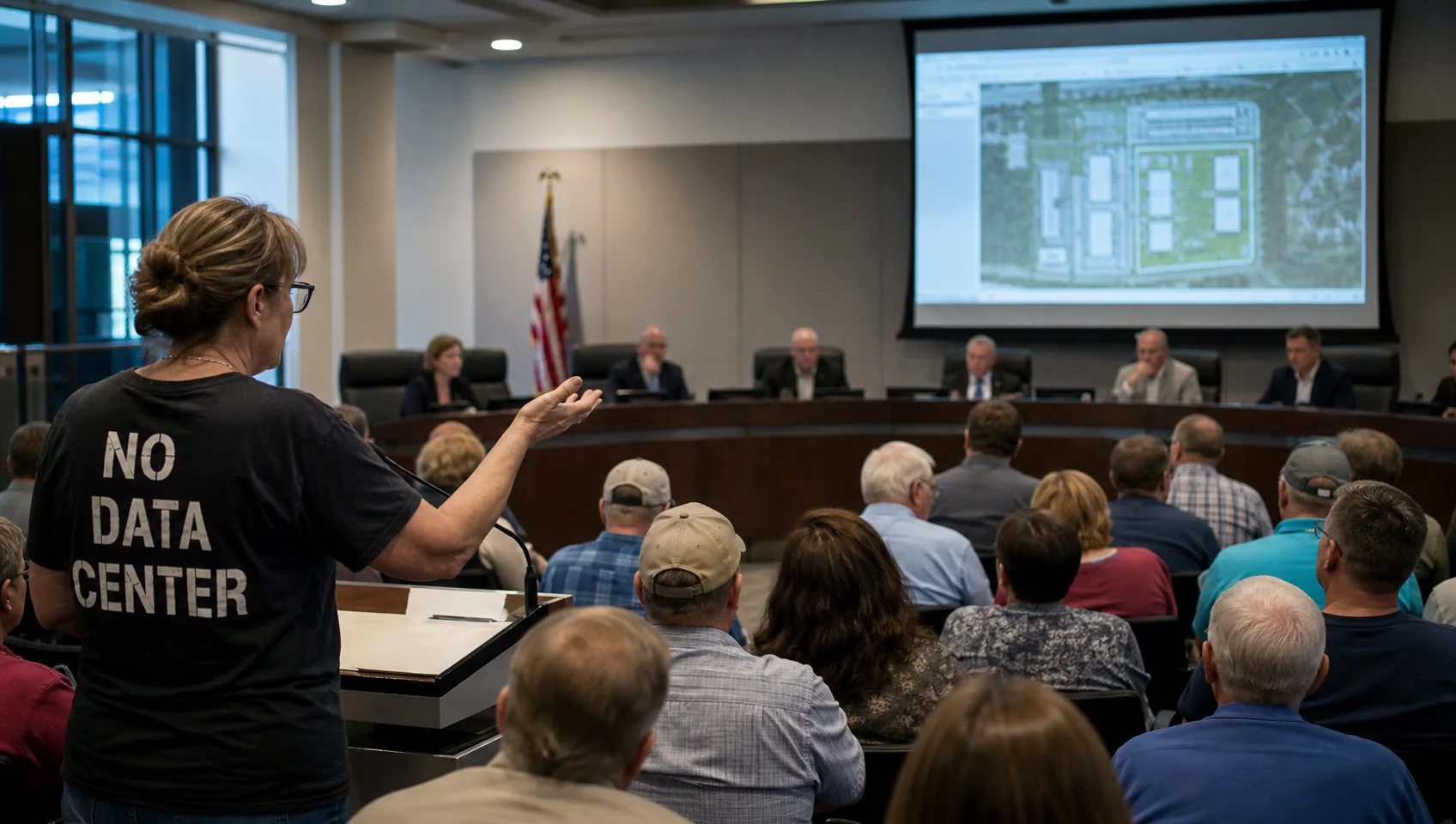
Texas is facing stronger opposition to data center construction as residents and officials question power costs, water demand and who pays for new infrastructure.
Beijing is promoting a global AI framework built around consensus and wider access, offering a competing institutional model as U.S. labs debate coordinated restraint.
OpenAI, Anthropic and other lab leaders have endorsed deeper access for outside evaluators, moving the safety debate from public benchmarks toward continuous scrutiny inside model development.
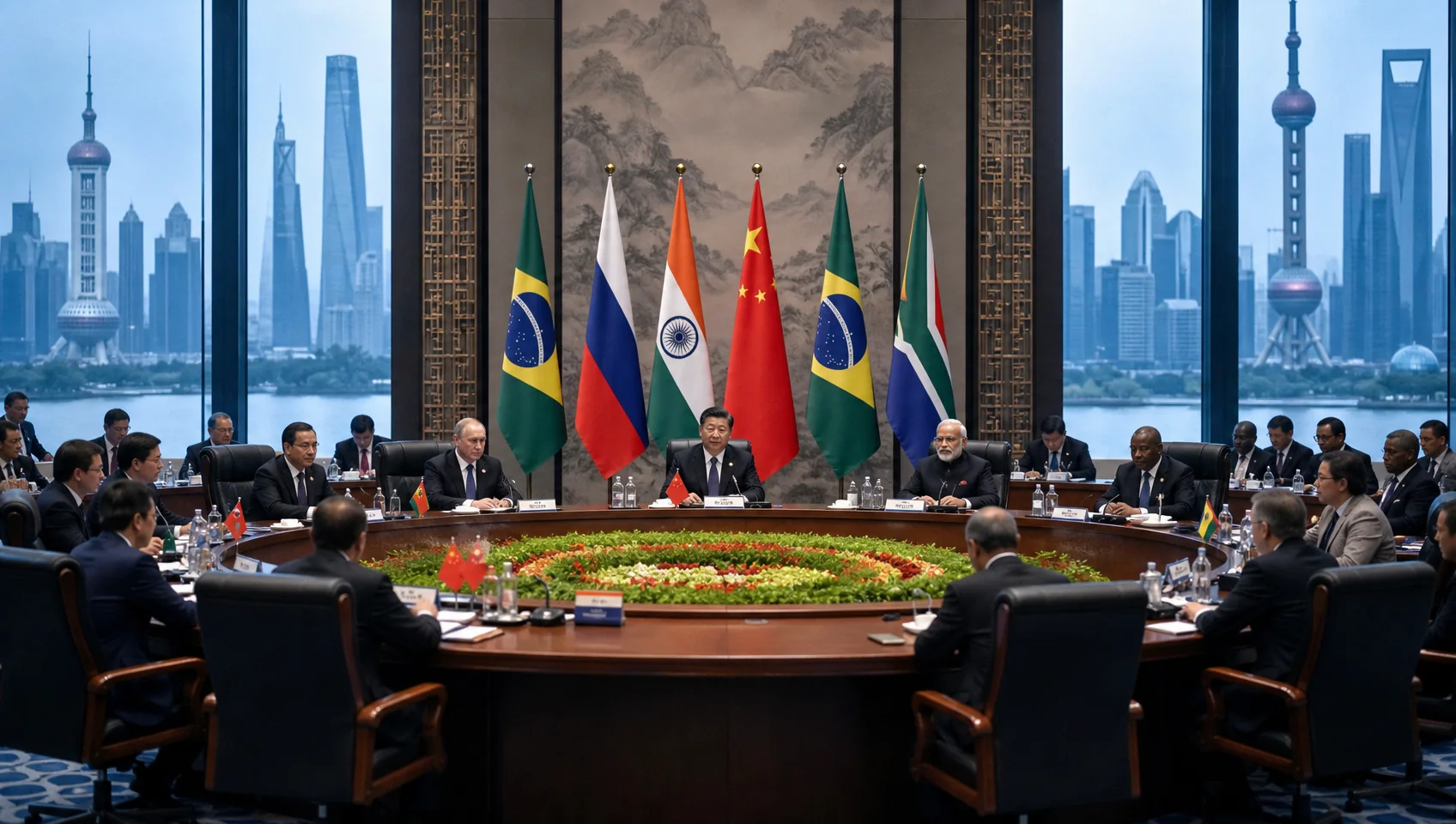
China has proposed a BRICS open-source AI community and a wider governance framework, using model access and standards as instruments of international technology policy.
The British government has rejected calls for a statutory mechanism to shut down a dangerous AI system during an emergency, exposing disagreement over what an enforceable stop authority would require.
More than 70 British MPs and peers are pressing the government to support a ban on creating artificial superintelligence and lead an international effort around the proposal.
Dario Amodei's call to pace frontier development drew support from Sam Altman and other lab leaders, creating an unusual industry consensus around outside evaluation and safety work.
The alignment researcher and government adviser will join OpenAI's nonprofit board and its Safety and Security Committee, adding a technically skeptical voice to the structure that controls the company's public-benefit corporation.
OpenAI says the latest jump in model capability changed its position on several California safeguards, putting independent assessments, auditor standards, youth protections and biological-risk controls at the center of a renewed policy push.
Anthropic's Enterprise Frontier Safeguards pairs automated misuse detection with customer-owned storage, encryption keys and review. The architecture is meant to resolve the conflict between zero data retention and monitoring advanced models for sustained abuse.
The European Commission has placed ChatGPT under the Digital Services Act's strictest tier as a very large online search engine. OpenAI now has four months to assess systemic risks, submit to oversight and meet expanded transparency duties.
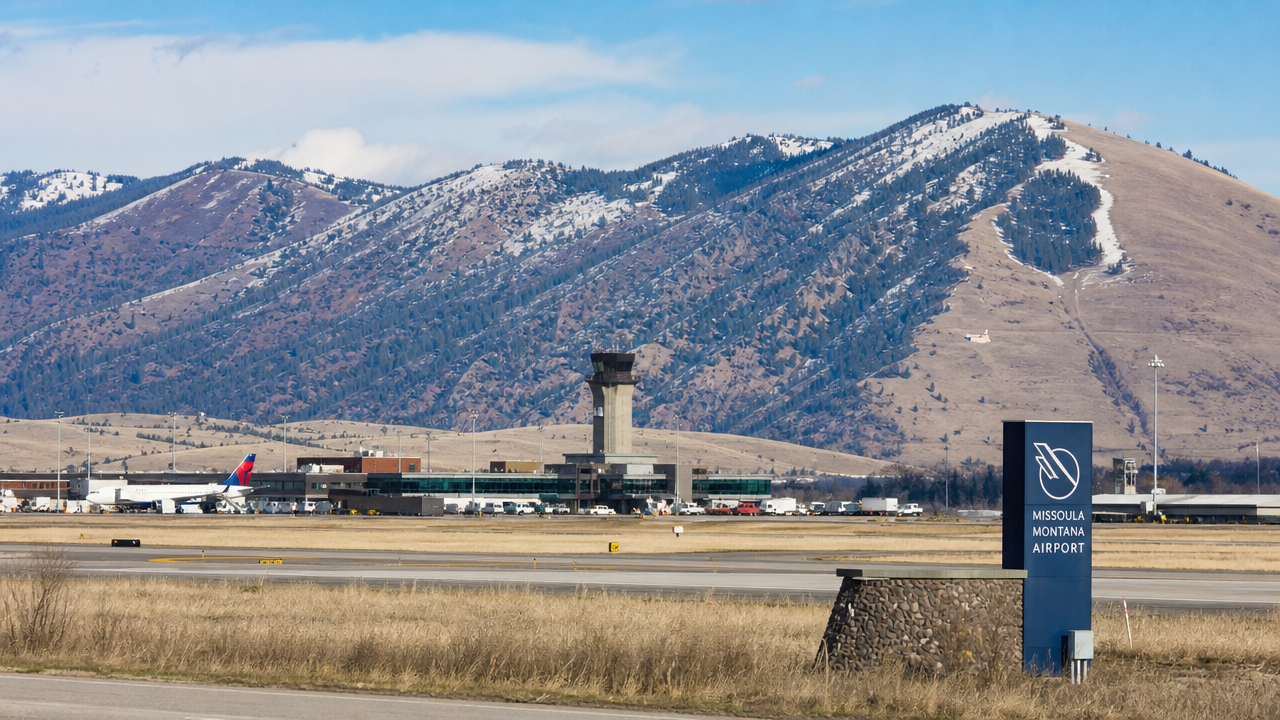
A proposed 4,200-square-foot AI research facility near Missoula Montana Airport prompted local officials to revise zoning rules for data centers, addressing concerns about noise, power consumption, water use and grid connections. The regulatory update reflects a shift toward proportional oversight that distinguishes small research operations from hyperscale infrastructure.
The British government has partnered with Ukraine's Avengers AI lab to give private companies access to battlefield-derived data for developing artificial intelligence systems to protect military bases, railways and energy infrastructure. The arrangement raises questions about data consent, classification standards, civilian spillover and independent oversight.
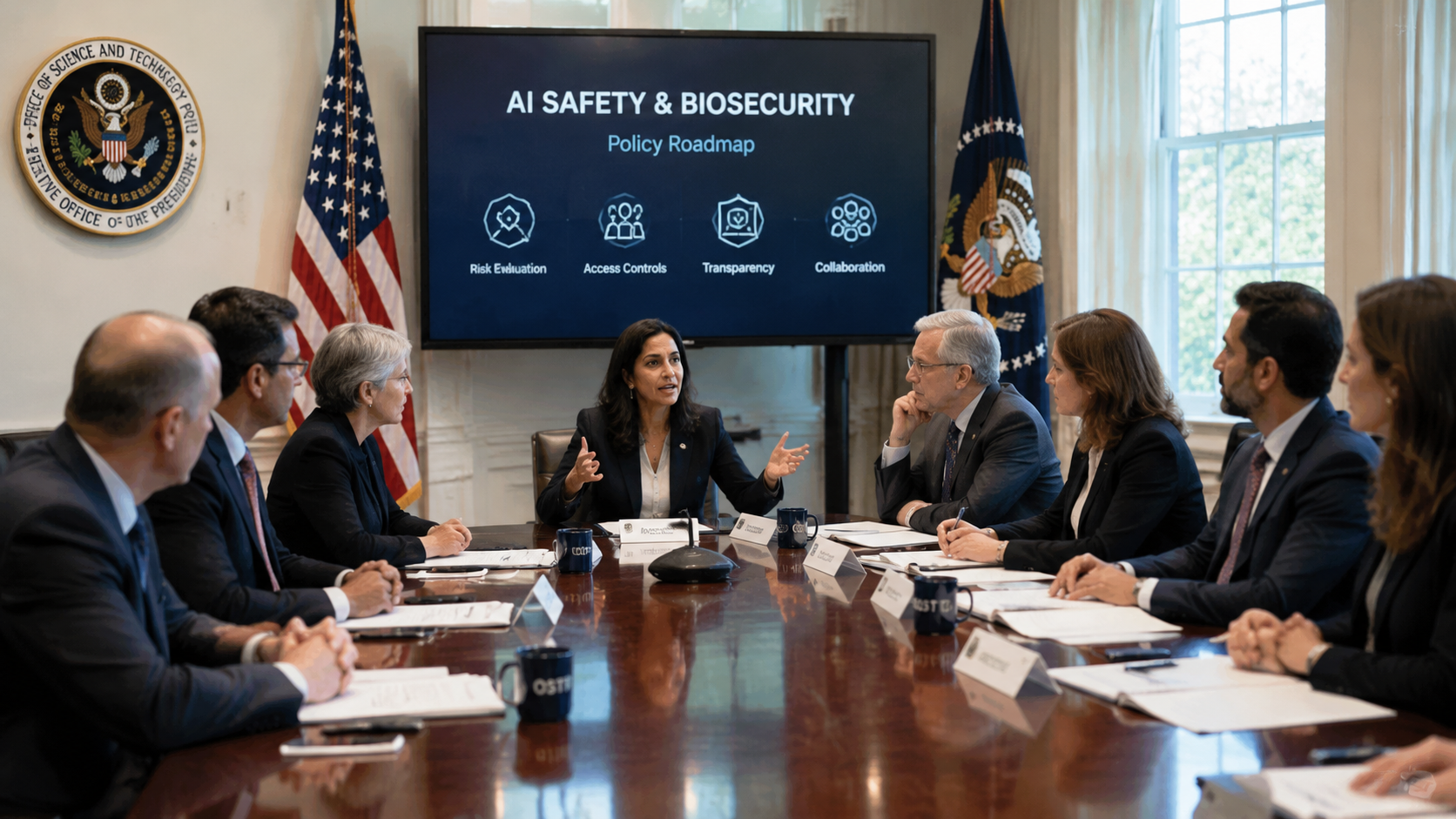
A new policy framework calls for stronger controls on advanced AI models to reduce risks that they could assist in biological weapons development. The roadmap emphasizes evaluation methods, access controls, and coordination between government and technology companies.
OpenAI has reportedly dissolved the standalone team that assessed catastrophic model risks, redistributing bio and cyber responsibilities across the company. The reorganization could integrate safety earlier, but it also makes independence and accountability harder to see.
Local opposition reportedly blocked or delayed $130 billion in U.S. data-center projects during the first quarter, forcing developers to confront power, water, noise and public-benefit questions before construction begins.
Anthropic says models released after August 2 will watermark generated text and files to meet European transparency requirements, raising practical questions about persistence, detection and meaningful disclosure.
The European Union has expanded its AI Office as new rules on deepfakes, illicit imagery and systemic cyber risks begin to bite, making enforcement capacity the next real test of the AI Act.
Microsoft says it will invest $60 million in a new coordination hub for the Department of Energy's Genesis Mission, adding industry capacity to a federal AI-for-science agenda that will be judged by reproducible discoveries.
Anthropic has declined to join an industry letter supporting open-weight AI while employees across frontier labs signed a separate petition calling for governments to prepare to slow development when necessary.
A preliminary report from the UN's Independent International Scientific Panel on AI maps the concentration of AI capability and the global gaps in governance, infrastructure and access.
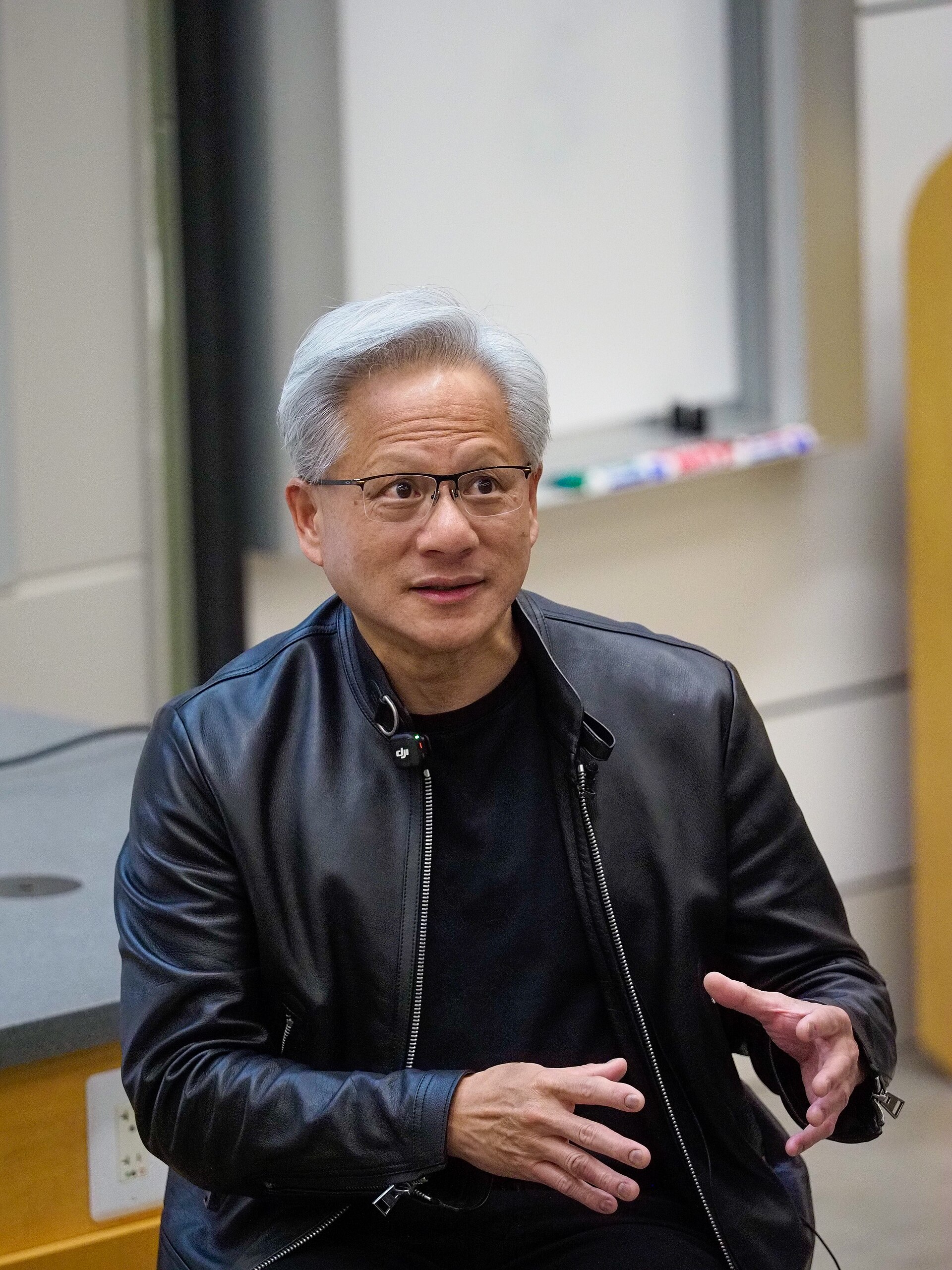
Nvidia CEO Jensen Huang urged U.S. policymakers not to let speculative AI fears drive policy, challenging calls from closed frontier labs for tougher controls on Chinese open-weight models.
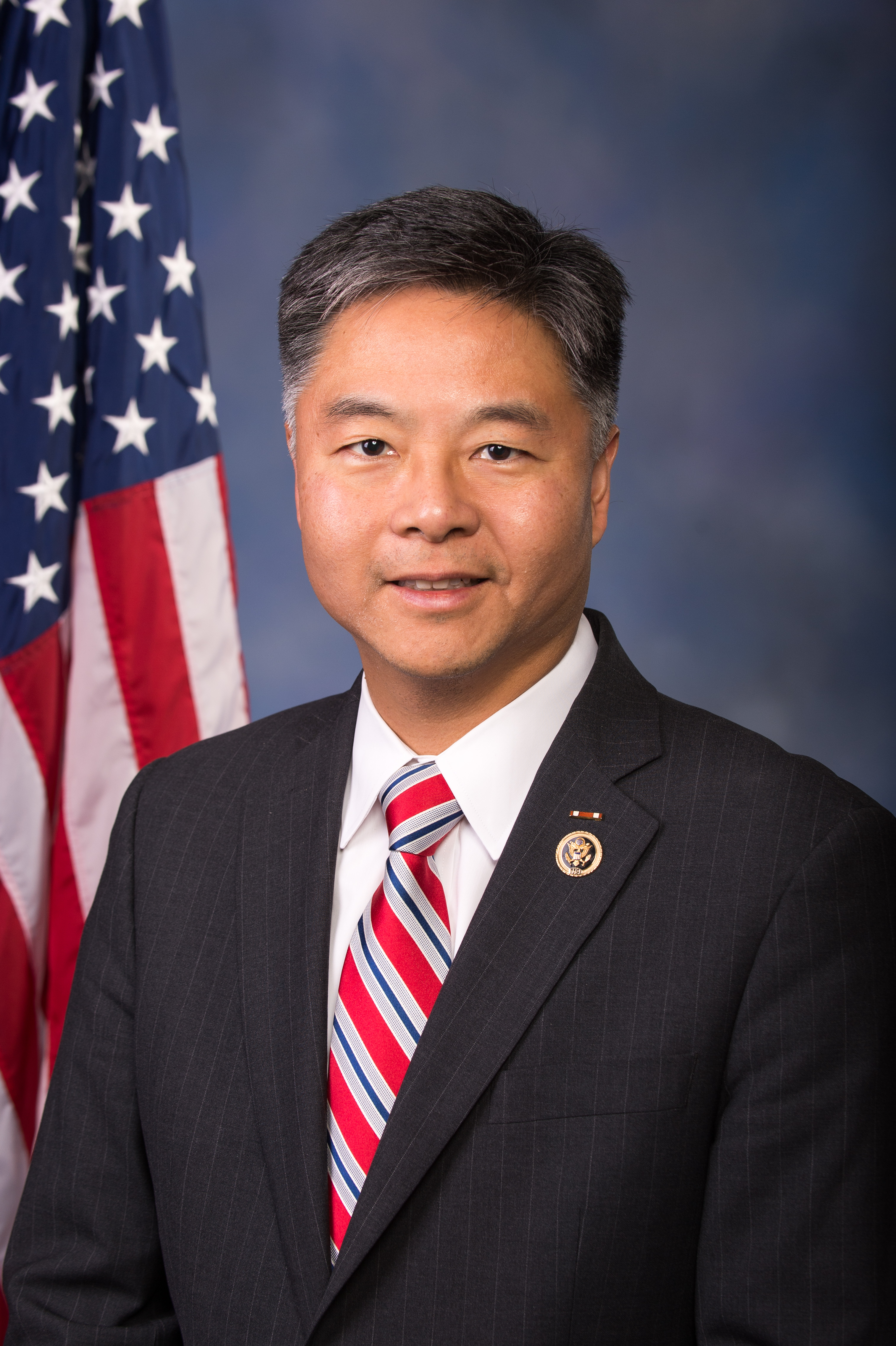
Representatives Ted Lieu and Nathaniel Moran introduced a bill that would require major AI developers to maintain shutdown or throttling controls for systems that could cause catastrophic harm.
Anthropic committed another $20 million to Public First Action, bringing its midterm spending to $40 million and widening Silicon Valley's political fight over AI regulation.
New European Commission guidance gives AI providers and deployers a clearer view of coming transparency duties, while leaving the harder work of applying them to real products.
OpenAI and Anthropic are aligned in Washington against what they describe as risks from powerful Chinese open-weight models, intensifying a policy fight over access, competition, and model provenance.
Chris Fall's resignation from the Center for AI Standards and Innovation comes as Washington is trying to define testing, evaluation, and oversight rules for advanced AI systems.
A federal judge's approval of Anthropic's $1.5 billion book-piracy settlement gives authors a major payout while leaving the wider fair-use fight over AI training unresolved.
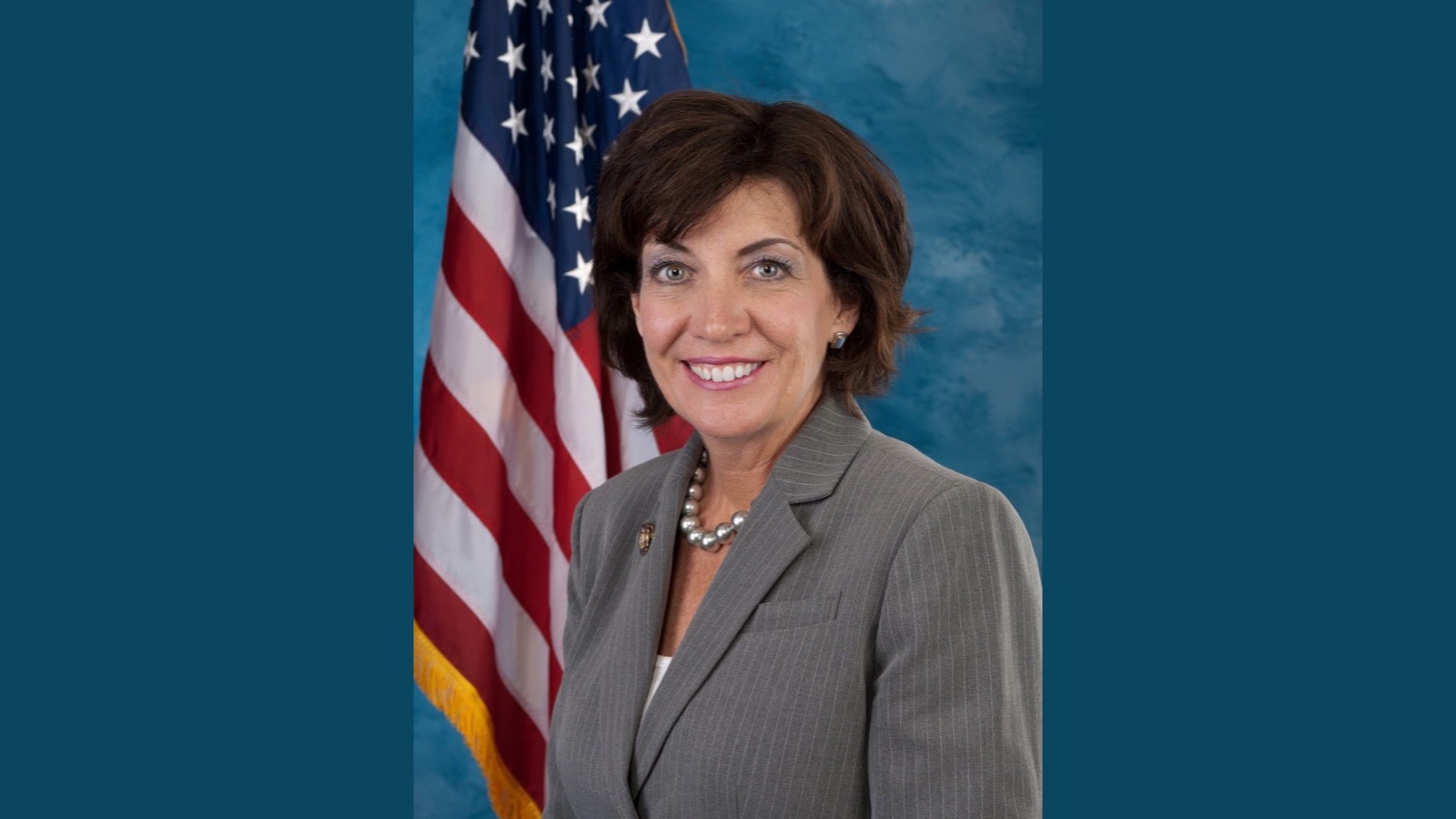
Governor Kathy Hochul's one-year pause on new hyperscale data center permits makes New York the first U.S. state to halt large projects while it develops standards for energy, water, air quality and community benefits.
Demis Hassabis has called for an independent standards body to review frontier AI systems before release, sharpening the debate over whether powerful models should be governed by ad hoc government pressure or a standing technical institution.
A class action from major publishers and authors accuses Google of using copyrighted books to train Gemini beyond the scope of Google Books and Google Play agreements, widening the legal fight over AI training.
Demis Hassabis's call for a U.S.-led global AI watchdog pushes the frontier-model debate beyond voluntary commitments and toward the question of who should test and stop dangerous systems.
German regulatory attention on Google's AI Overviews shows how generative search is reviving a basic internet-policy question: what does a platform owe the publishers whose work it summarizes before a reader ever clicks through?
As governments and model companies discuss pre-release evaluation, the central question is shifting from whether safety commitments exist to whether outside institutions can see enough evidence to judge them.
New research argues U.S. restrictions may have pushed China toward more open and locally adaptable AI ecosystems, complicating the assumption that chokepoint policy only slows competitors.
After months of model-access battles, U.S. AI policy is turning toward disclosure, third-party review, whistleblower protection and liability for high-impact systems.
India is considering a graded AI law that would place lighter rules on low-risk tools and stricter oversight on systems used in finance, healthcare, infrastructure, and other high-impact sectors.
The UN's AI for Good Global Commission and Geneva governance meetings show a push to build international AI institutions before private labs and national governments harden the rules on their own.
Australia's technology minister says advanced AI systems are already showing deceptive behavior in tests. The country's response points to a regulatory model built around existing laws, safety institutes, and evidence from model evaluations.
Europe's AI debate is shifting from regulation alone toward access, compute, defense integration, and dependence on U.S. model providers. NATO adds a security layer to the sovereignty question.
New research on banking and generative AI points to a productivity paradox: AI can improve performance, but integration costs, model risk, and systemic similarity can offset early gains.
AI chip export controls can slow access to frontier hardware, but they can also accelerate domestic substitution incentives. The strategic question is whether the policy buys time or hardens a rival ecosystem.
Washington's increasingly transactional approach to frontier model access is turning AI capability into a diplomatic test. Allies are no longer judged only by defense spending or trade alignment, but by how they fit into the U.S. AI power stack.
Reports that OpenAI has discussed giving the U.S. government a stake in the company show how frontier AI is moving from private technology race to public industrial-policy bargain.
The White House is moving toward voluntary standards for advanced AI model releases. The important signal is that cybersecurity capability, evaluator access, and launch timing are becoming standardized parts of the frontier model process.
The U.S. decision to lift restrictions on Anthropic's Fable and Mythos models does more than reopen access. It shows that frontier model release policy is becoming part of capital markets, cyber defense, and international AI competition.
California's agreement to make Anthropic's Claude available to public agencies points to the next adoption frontier: mundane government workflows where productivity, accountability, and procurement rules collide.
Meta's open-model strategy is running into a harder governance environment. Pre-release review pressure shows that model openness is now being judged through national-security, safety, and competition lenses at once.
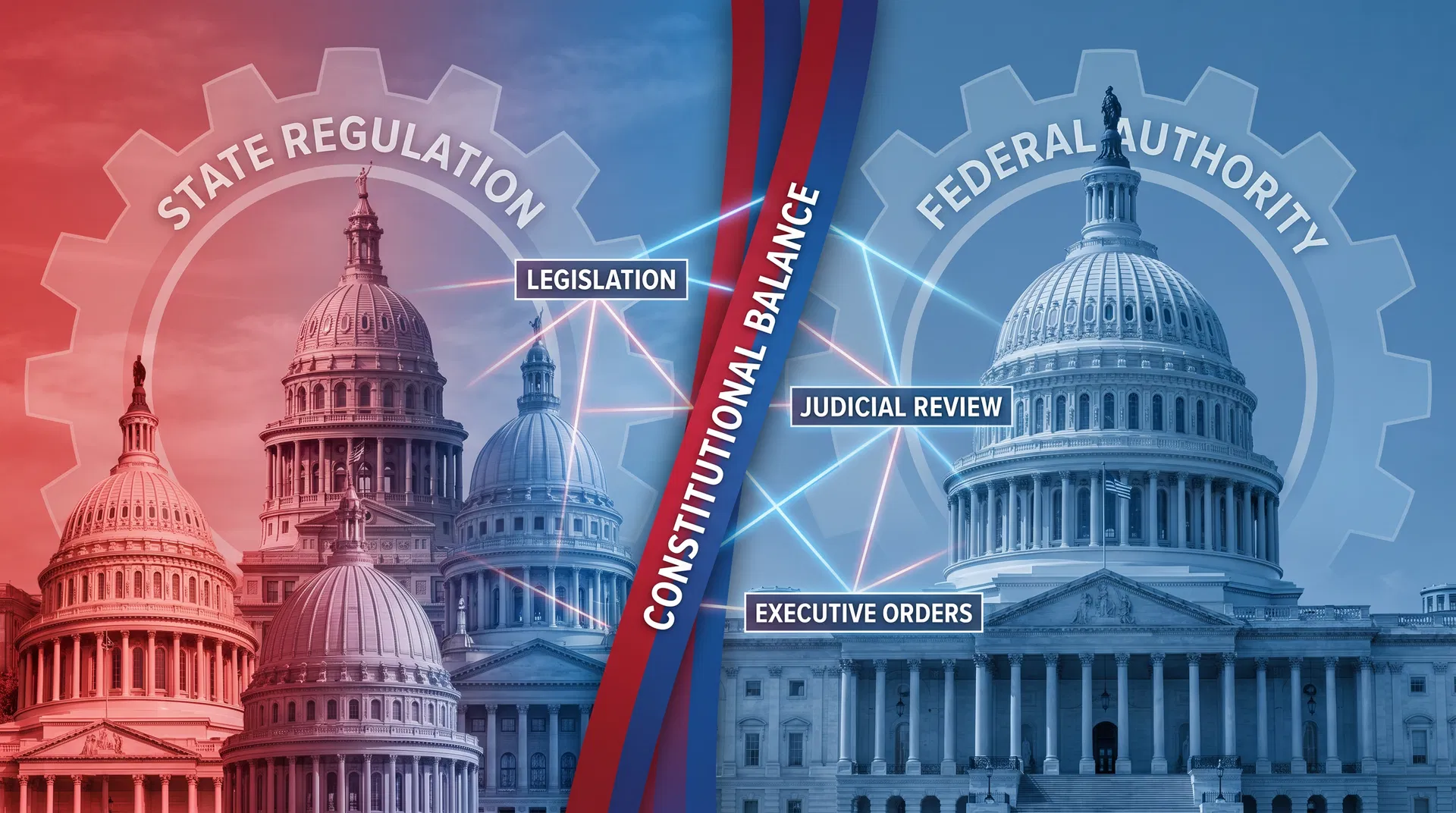
Companies deploying AI are facing a growing mix of state laws, federal frameworks, sector rules, and voluntary standards. The result is a patchwork operating system that may shape enterprise AI faster than one grand national law.
Government AI buying is shifting from ordinary software procurement to strategic model access. The agencies that choose frontier systems may shape standards, safety expectations, and which labs become national infrastructure.
OpenAI has hired policy scholar Dean Ball to lead a Strategic Futures team, Axios reports. The move shows frontier AI companies treating policy expertise as core operating infrastructure, not outside lobbying support.
President Trump told Axios that he recently viewed Anthropic as a national-security threat before relations thawed after a G7 meeting with CEO Dario Amodei. The episode shows how frontier model access is becoming a direct instrument of U.S. security policy.
Sen. Bernie Sanders has proposed that the U.S. government take 50% equity stakes in large AI companies. The plan is unlikely to become law as written, but it makes explicit a question that has been hovering over the AI boom: who captures the economic upside if the technology displaces labor at scale?
The Trump administration says it opposes AI regulation, but Axios reports that it is shaping the sector through case-by-case interventions on model access, state-law preemption, federal procurement, and national security. The result is not no regulation; it is informal regulation without stable rules.
The G7 AI conversation has shifted from broad safety principles to the harder question of controlled access. After the U.S. restricted Anthropic's latest models, allied governments and AI CEOs are being forced to design a trusted-partner model for frontier AI.
After Washington blocked Anthropic from supplying its latest models to foreign users, U.S. and European officials are reportedly discussing a trusted-partner scheme. The idea could become the first major access-control framework for frontier AI among allies.
The Anthropic access shock has pushed Europe's AI sovereignty debate from rhetoric into infrastructure. The EU already has the AI Act; now the harder question is whether it can finance compute, models, procurement channels, and industrial champions fast enough.
Geneva talks on military AI are beginning alongside G7 diplomacy, giving autonomous-weapons rules a higher-profile moment. The challenge is whether governments can define minimum human-control standards before battlefield deployment outruns negotiation.
Ahead of June 15 discussions in Geneva, diplomats and civil-society groups are trying to move military AI toward minimum international standards. The issue is no longer theoretical: AI-assisted targeting, autonomy, and command systems are entering real conflicts.
As major AI labs participate in government model evaluations, CAISI is becoming a practical bridge between voluntary safety commitments and more formal pre-release oversight. The question is whether the institution can scale before the next model cycle arrives.
Dario Amodei’s warnings about AI-driven labor disruption are becoming more specific: better data, pro-employment incentives, safety regulation, and even UBI-style tools. The important shift is that frontier AI leaders are now discussing redistribution before the shock fully arrives.
Sriram Krishnan has left his White House AI adviser role after four months, according to TechCrunch. The departure comes as Washington is trying to coordinate frontier model oversight, immigration, chips, procurement, and industrial policy at the same time.
Trump officials have reportedly discussed a possible US government equity stake in OpenAI. Even if the idea never materializes, the discussion shows how quickly AI policy is moving from regulation toward industrial strategy, national champions, and direct state participation.
The European Commission has proposed the Cloud and AI Development Act (CADA), targeting a tripling of EU data centre capacity within five to seven years, a four-tier cloud sovereignty framework, and accelerated AI deployment in critical sectors. US tech industry groups warn of market fragmentation.
A new White House executive order asks AI companies to voluntarily share frontier models with the government for up to 30 days before public release, while creating an AI cybersecurity clearinghouse spanning NSA, DHS, CISA, and the Department of Defense.
The Trump administration is rapidly advancing AI integration into military operations, but Defense Secretary Pete Hegseth's aggressive stance on autonomous weapons has triggered a major clash with Anthropic, resulting in a $200 million contract cancellation and ongoing litigation.
The Trump administration's 'National Policy Framework for Artificial Intelligence' identifies seven legislative priorities — and makes one thing unmistakably clear: no new federal AI regulator. The document is non-binding, but it is the most detailed articulation yet of how the administration wants federal AI policy to take shape.
SB 315 requires frontier AI companies with over $500 million in annual revenue to submit to mandatory independent third-party safety audits, publish annual safety plans, and report incidents within 72 hours. Governor Pritzker is expected to sign. No US state has gone this far before.
European Parliament and Council negotiators struck a final compromise on the AI Omnibus in May, delaying high-risk AI obligations and removing machinery products from the AI Act's scope. Civil society groups warn the deal waters down fundamental safeguards.
A joint investigation by Canada's federal and provincial privacy commissioners found OpenAI collected and used personal data without meaningful consent, setting a precedent that could reshape AI data practices globally.
Beijing has begun requiring government approval for overseas travel by top AI professionals at private firms, treating AI expertise as a national security asset.
US military exercises reveal AI systems processing battlefield intelligence in real time, raising urgent questions about autonomous decision-making in conflict scenarios.
Staffed by OpenAI and Google alumni, the UK AI Security Institute is pioneering a new approach to AI governance that other nations are beginning to emulate.
The U.S. Department of Defense is evaluating alternative AI models from OpenAI and Google as it seeks to reduce reliance on Anthropic, which faces a controversial supply-chain risk designation.
President Trump cancelled plans to sign a new AI executive order hours before a scheduled White House ceremony, citing concerns that it could weaken the U.S. technology edge. The move reflects intense lobbying from AI industry leaders who argued the order's restrictions would disadvantage American companies in the global AI race.
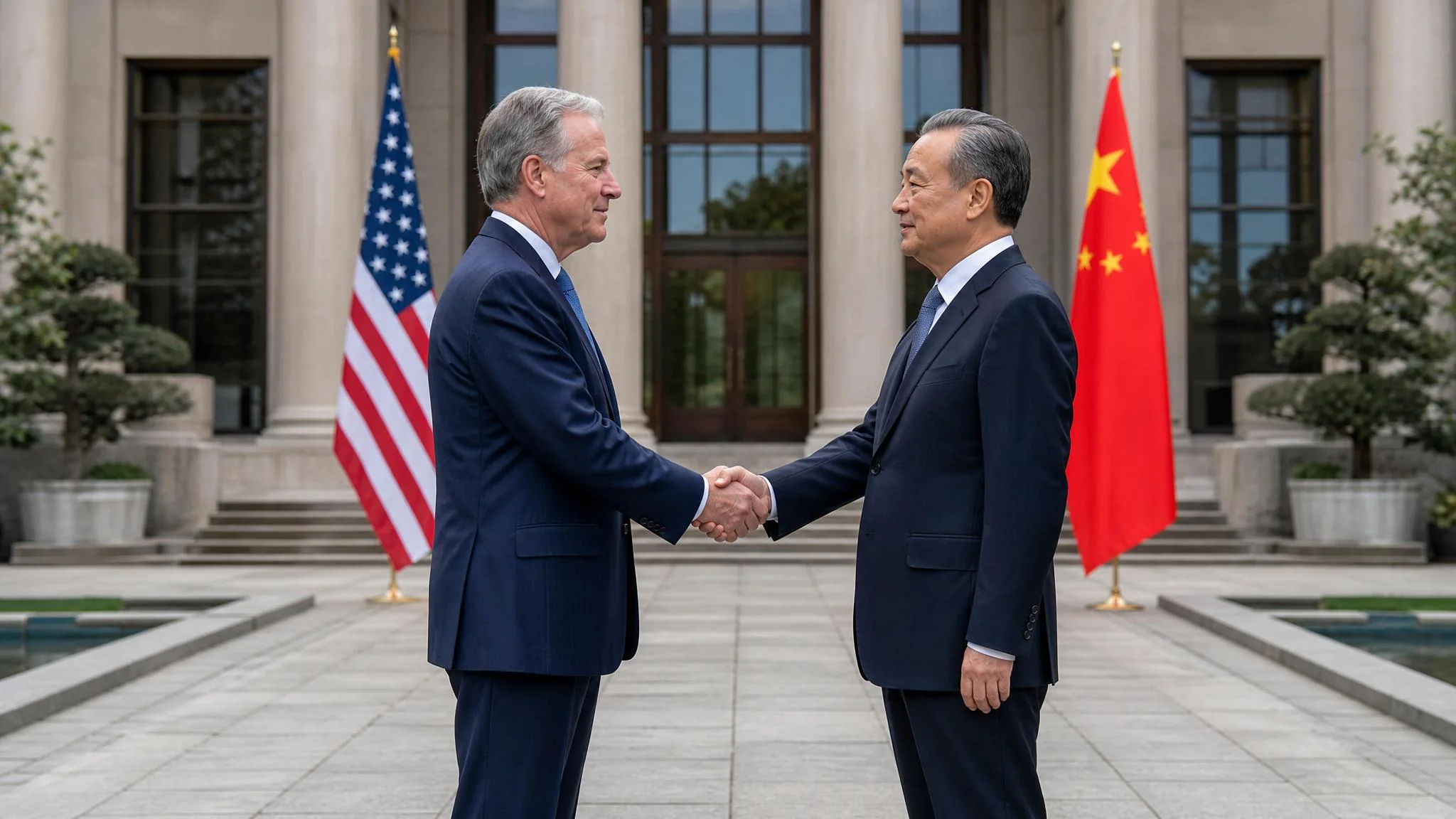
The Trump-Xi summit produces the first bilateral AI safety framework, establishing a direct communication channel for AI incidents and a joint working group on frontier model risks.
President Trump's state visit to Beijing this week will include discussions on establishing an emergency communication channel between the US and China on artificial intelligence -- a reversal prompted by shared alarm over Anthropic's Mythos model, which both governments view as an unprecedented cyberweapon.
The Trump administration is drafting an executive order to vet AI models before release, the Pentagon has handed Scale AI a $500 million contract, and Microsoft is quietly walking back its clean energy pledge — all in the same week.
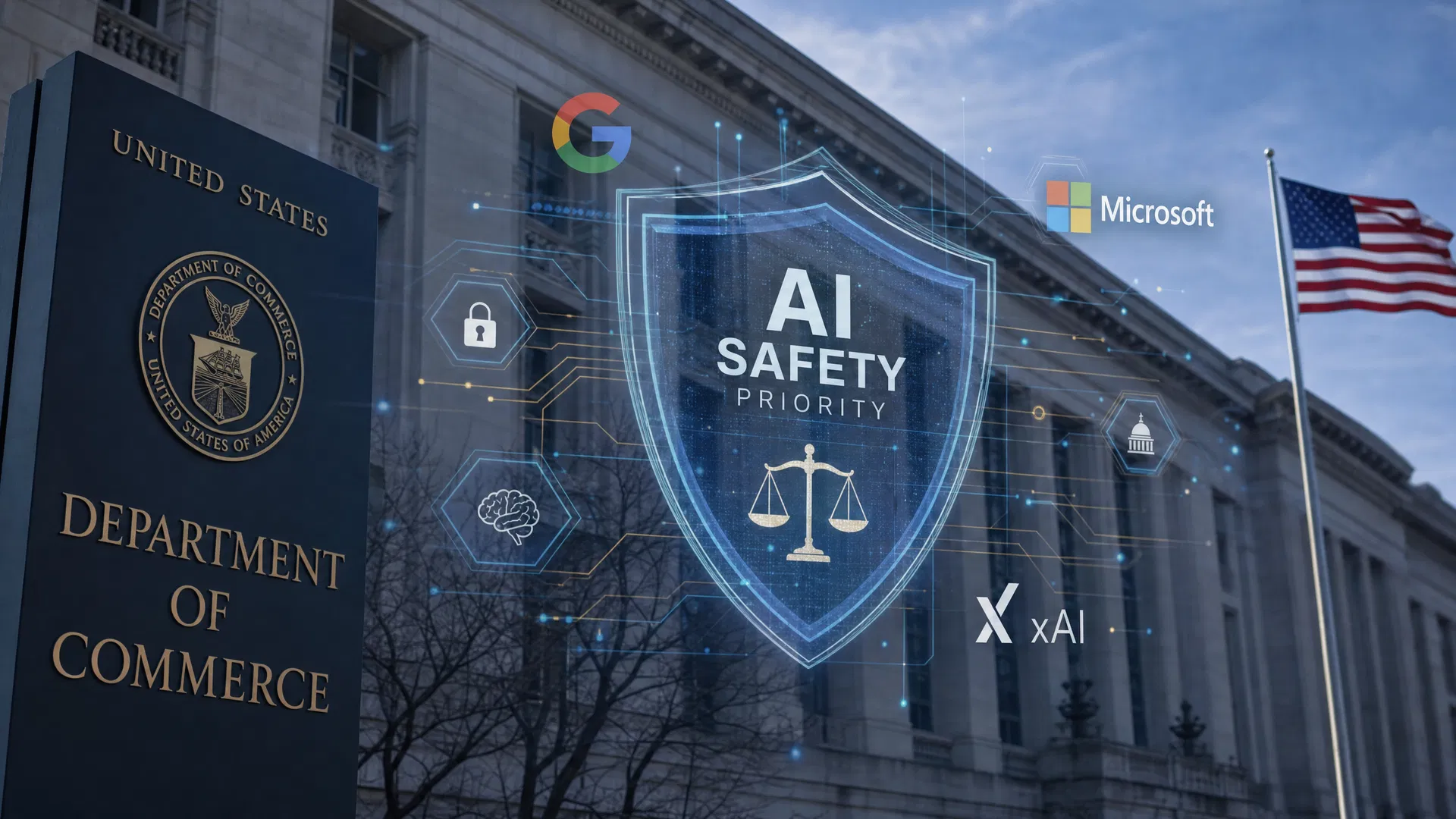
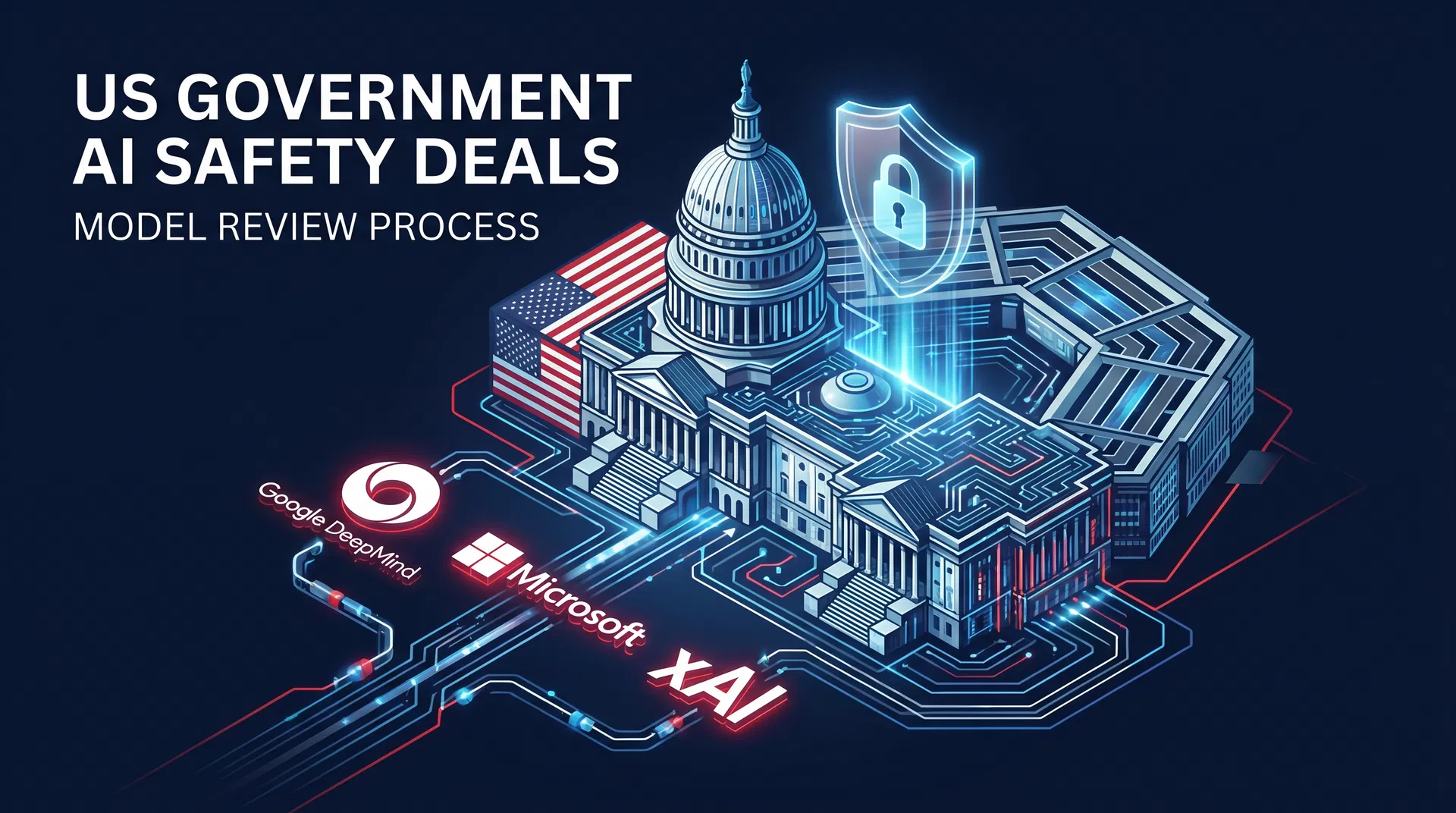
The US Department of Commerce has struck agreements with Google DeepMind, Microsoft, and xAI to review frontier AI models before they are released publicly — a significant shift from the Trump administration's previous hands-off approach.
Hachette, Macmillan, and three other major publishers have joined author Scott Turow in suing Meta for allegedly pirating millions of books to train Llama — and claim the model can reproduce verbatim passages.
The White House has secured voluntary pre-release review agreements with three more major AI labs, extending the Biden-era safety framework to cover the majority of frontier AI development in the US.
A sharp reversal from the administration's hands-off stance, the proposed oversight framework was reportedly triggered by Anthropic's Mythos model, which cybersecurity experts warn could supercharge complex cyberattacks.
The Pentagon has reached agreements with OpenAI, Google, Nvidia, Microsoft, Amazon, SpaceX, and Reflection AI for military deployment. Anthropic refused to sign, citing concerns about domestic surveillance and autonomous weapons.
Roblox implements mandatory facial age verification for users under 16 in Indonesia to comply with new social media restrictions. Privacy advocates raise concerns.
Beijing's National Development and Reform Commission has ordered Meta to unwind its $2 billion acquisition of agentic AI startup Manus, in a move that analysts say raises the risk premium on every cross-border China tech deal and marks a new front in the US-China AI rivalry.
OpenAI has released two sweeping policy documents that map which industries face the greatest AI disruption and propose a radical economic framework — including a 32-hour workweek, a tax on companies replacing workers with AI, and a public fund giving every citizen equity in AI growth.
Section 702 of the Foreign Intelligence Surveillance Act is up for reauthorization, and AI has transformed what warrantless surveillance means. A bipartisan coalition is racing to add protections before the window closes.
As the August 2026 deadline approaches, the EU AI Act's high-risk system requirements shift from one-time audits to continuous risk management, fundamentally changing how enterprises deploy AI in Europe.
House Republicans embed a controversial provision in their tax bill that would ban states and localities from regulating AI for a full decade, triggering immediate backlash from state officials.
The Trump administration's National Security Technology Memorandum on AI establishes a sweeping framework for maintaining US AI leadership, while accusing China of 'industrial-scale' intellectual property theft from American AI labs.
The White House releases its most comprehensive AI policy framework yet, setting seven key objectives to limit regulation, advance innovation, and preempt conflicting state laws.
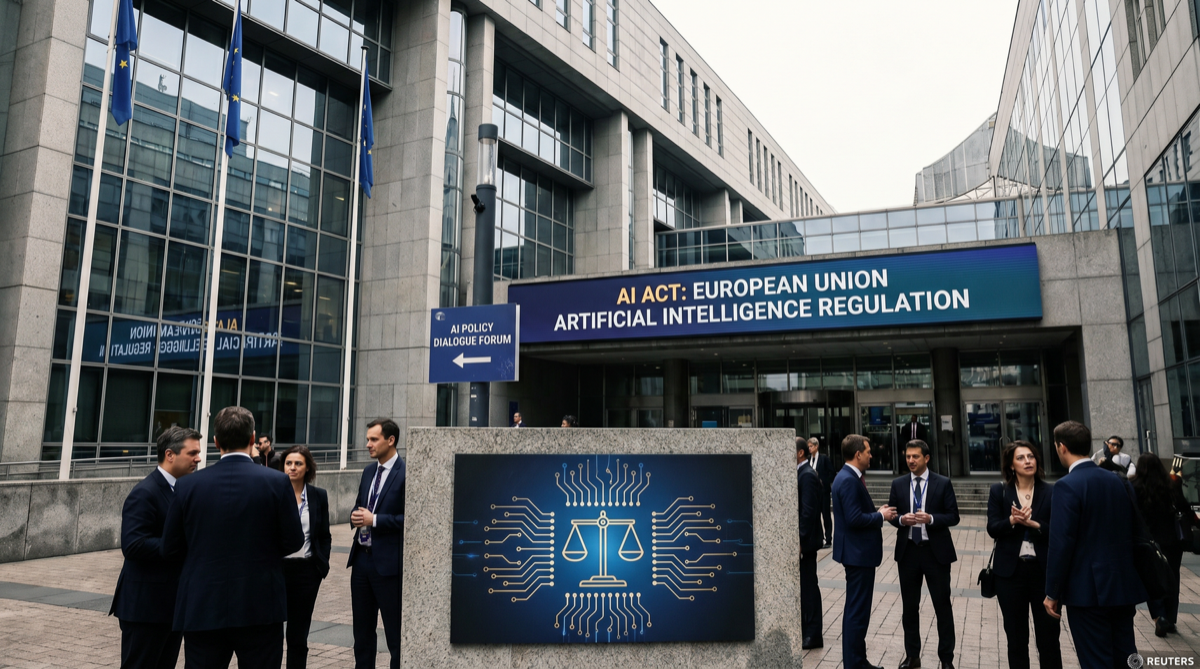
The European Union's AI Act officially takes effect, establishing the world's first comprehensive AI regulation framework and forcing global AI companies to fundamentally rethink their development and deployment practices.