Policy
SpaceX Plans Turbine-Blade Foundry to Speed AI Power Buildout as Pollution Concerns Grow
SpaceX is building a turbine-blade and vane foundry in Bastrop, Texas, as Elon Musk seeks to shorten the wait for gas-fired power supporting AI infrastructure. The manufacturing plan could ease a critical supply bottleneck while accelerating disputes over permits, emissions and public-health costs around data centers.
By Michael C ·
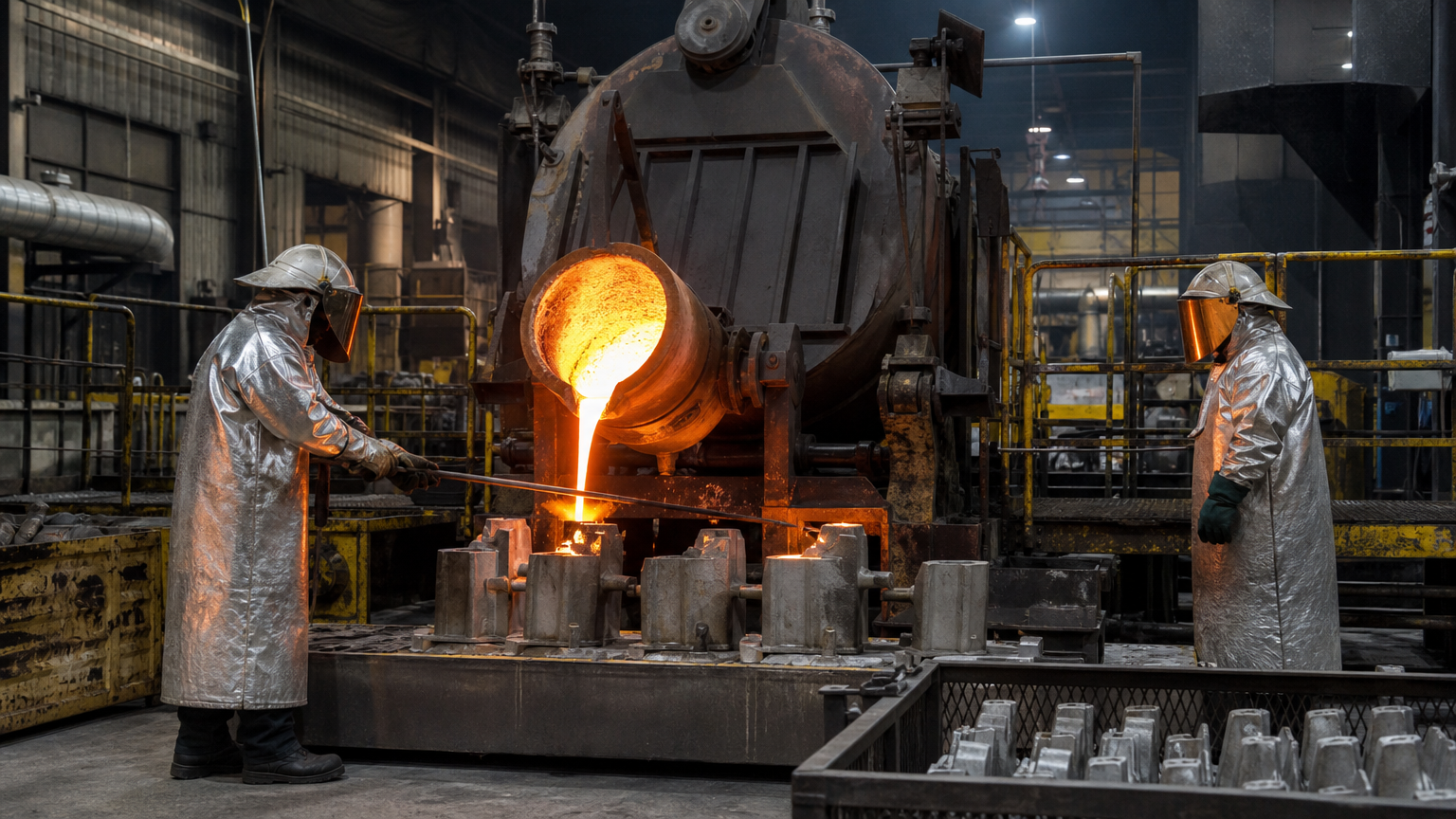
SpaceX is building a foundry near Bastrop, Texas, to manufacture the blades and vanes used inside natural-gas turbines, a move Elon Musk says could shorten the wait for new power generation by as much as 18 months. The plan targets one of the least visible constraints in the AI infrastructure boom: a small group of manufacturers can produce high-temperature turbine components at industrial scale, and their order books are full. Faster manufacturing could bring data centers online sooner. It could also accelerate local disputes over emissions, permits and health before electricity grids catch up.
Musk confirmed the purpose of the facility after reporting connected the site to job listings for a blades-and-vanes foundry. He said Tesla and SpaceX each intend to build 100 gigawatts per year of solar production capacity while using natural gas to supplement and bootstrap that buildout for several years. Those are company ambitions, not completed capacity. The foundry's eventual output, operating date and permitting path have not been publicly established in enough detail to treat the claimed acceleration as assured.
The underlying power shortage is well documented. The International Energy Agency projects that global data-center electricity use will roughly double by 2030. New AI campuses are being planned at a scale that can exceed the spare capacity of local transmission systems, while interconnection queues and generation projects take years. Developers have responded by placing generation closer to their sites, signing long-term power agreements and seeking equipment before facilities are complete.
The Bottleneck Is a Small, Extreme Component
A turbine blade operates in conditions that would destroy ordinary cast metal. The hottest sections can reach temperatures above the alloy's melting point, requiring internal cooling channels, thermal-barrier coatings and a carefully controlled single-crystal structure. Microscopic grain boundaries can become fracture points under heat and rotational stress. Producing a large blade therefore requires specialized vacuum furnaces, materials knowledge, inspection and process control. Scaling the component is not comparable to machining a common metal part.
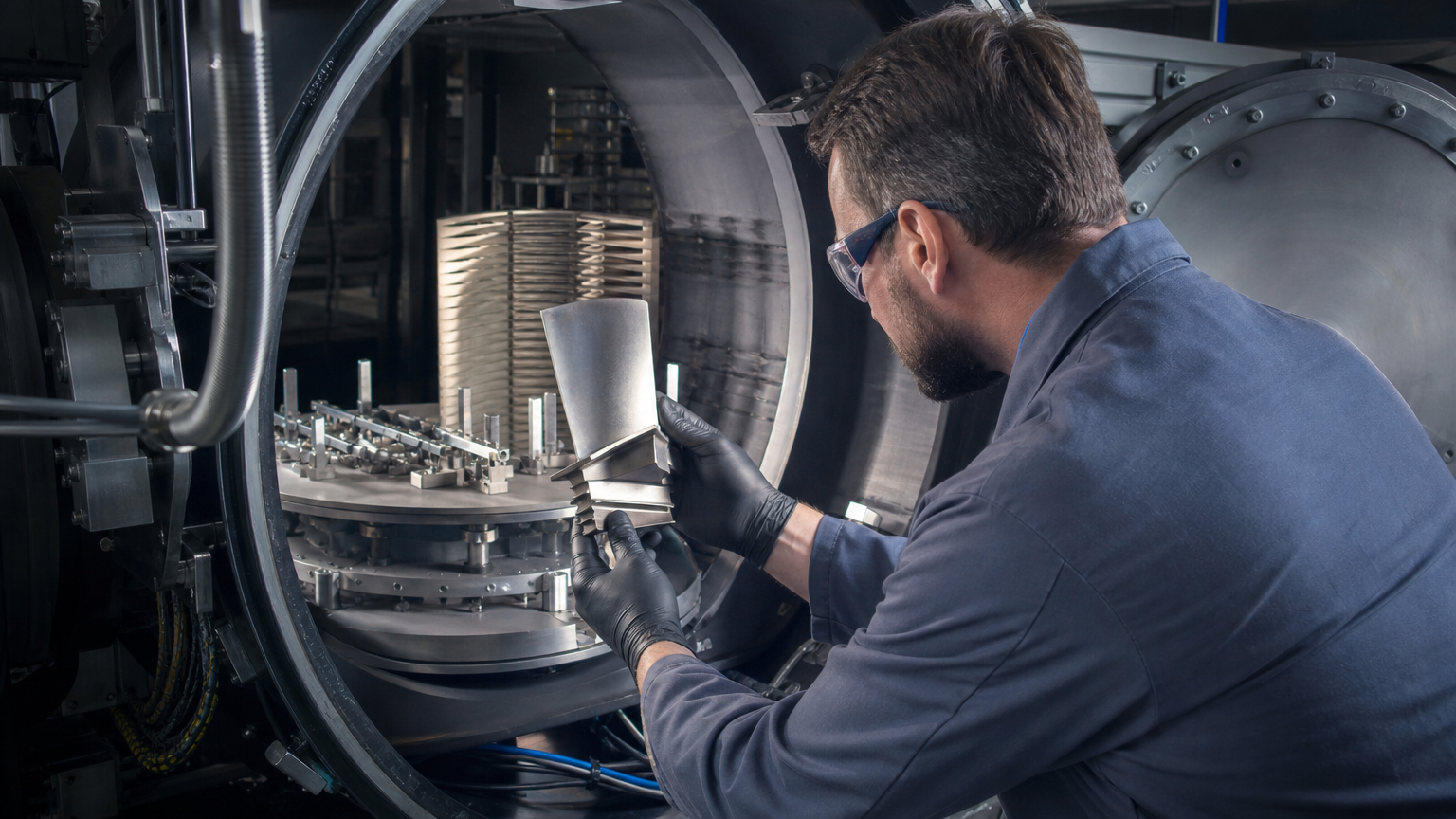
GE Vernova has indicated that turbine production capacity is effectively sold out through 2030. Other major manufacturers face similar demand. A SpaceX foundry could give Musk-controlled AI infrastructure a source that competitors cannot readily purchase, assuming the operation reaches the required yield and reliability. That assumption is substantial. A failed turbine component can cause catastrophic damage, so qualification and quality control cannot be compressed simply because demand is urgent.
Vertical integration is familiar across Musk's companies. SpaceX built engines and other components internally when suppliers could not meet cost or schedule requirements. Applying that approach to power equipment could reduce dependence on an oligopoly and coordinate turbine production with data-center construction. It also moves responsibility inward. If the foundry faces defects, environmental violations or delays, there is no external supplier to absorb the explanation.
Natural gas appeals to data-center developers because turbines can provide dispatchable power when solar and wind output changes. On-site generation can also bypass some transmission constraints. The climate and public-health cost is that combustion produces carbon dioxide, nitrogen oxides and hazardous pollutants. A turbine may solve a reliability problem for a compute campus while transferring environmental costs to residents who receive little direct benefit from the workload it supports.
Memphis Shows the Local Cost of Speed
The most visible dispute involves turbines used to support the Colossus data centers near Memphis. The NAACP has challenged their operation, arguing that permits and pollution controls were inadequate. The site is near communities that already face industrial emissions, making the conflict an environmental-justice issue as well as a technical power decision. Company timelines can be measured in months; respiratory risk and public trust accumulate over years.
A University of Memphis analysis described in the original reporting found air pollution became slightly worse around the site, while noting limits in the analysis. That kind of result should not be stretched beyond its data. It does show why baseline monitoring matters before equipment starts. Without reliable measurements of existing pollution, turbine schedules and local weather, communities and operators can spend years arguing from incomplete evidence.
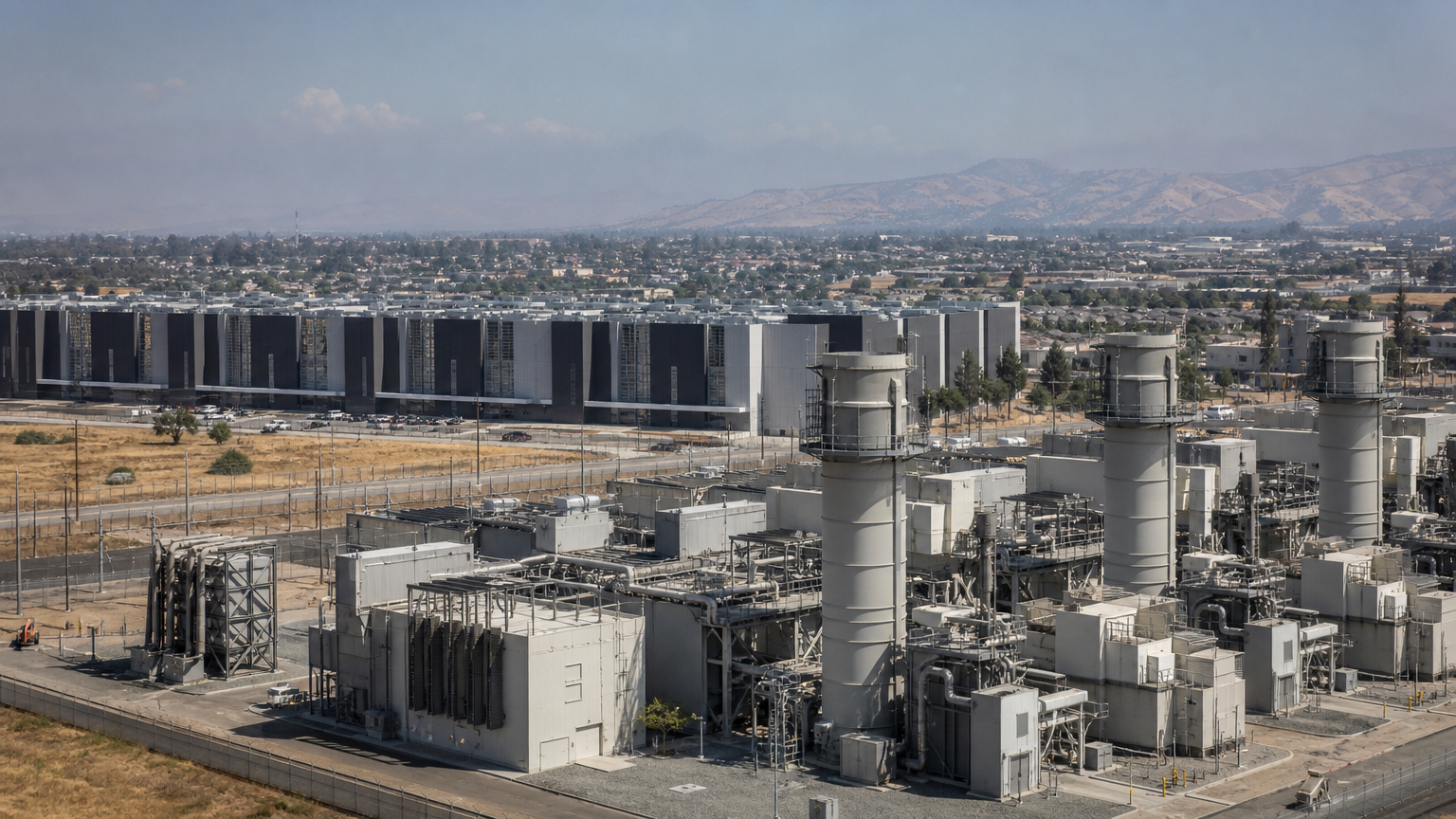
A separate study commissioned by the Piedmont Environmental Council used the EPA COBRA model to estimate the health effects of eight full-time turbines at a hypothetical Virginia facility. It projected impacts across multiple counties, including additional premature deaths and tens of millions of dollars in annual health damages. Those figures are model estimates, not observed outcomes at the SpaceX site. Their value is to show the scale of costs regulators should examine before authorizing continuous operation.
Permitting is not an obstacle added after an engineering decision. It is the process through which a developer demonstrates emissions controls, operating limits, emergency plans and compliance with public-health standards. Temporary turbines and behind-the-meter generation can create ambiguity when projects expand faster than permits were designed to handle. Regulators need equipment inventories and realistic operating hours, while companies need predictable timelines that do not reward beginning construction before requirements are clear.
Power Strategy Cannot Be Separated From Public Consent
The better infrastructure plan is a portfolio. Grid upgrades, storage, demand management, renewable generation and firm power can reduce dependence on any one source. Gas may remain part of that portfolio, particularly during a rapid buildout, but its role should be explicit and its emissions controlled. A promise of future solar capacity does not by itself offset pollution from turbines operating today. Communities need schedules, monitoring and enforceable limits rather than a broad assurance that the long-term system will become cleaner.
Water and noise should be considered with air emissions. Turbines, cooling systems and construction can alter conditions well beyond a site's fence line. A cumulative review is more informative than permitting each component separately because residents experience the combined facility. Developers can reduce conflict by publishing expected operating hours, fuel use and monitoring locations before equipment arrives, then making real measurements available in a form the public can understand.
The foundry itself will have environmental and occupational requirements distinct from the turbines it supports. Vacuum casting, coatings and high-temperature processes involve materials and waste streams that need controls. Vertical integration does not remove regulation by moving production under the same corporate umbrella. It creates another industrial site whose permits, worker protections and community impact should be evaluated on their own facts.
Utilities face a difficult coordination problem when a large customer threatens to build behind-the-meter generation if grid service is slow. Accelerating transmission and generation can preserve oversight and spread fixed costs, but other ratepayers should not subsidize infrastructure designed mainly for one data center. Regulators need cost-allocation rules that reward flexible demand and ensure that customers causing major upgrades bear an appropriate share.
AI companies can also reduce urgency through workload design. Some training and batch inference can shift in time or location when power is constrained, while critical services require continuous availability. Scheduling flexible work around grid conditions will not eliminate the need for new generation, but it can lower peak demand and improve use of existing assets. That option deserves comparison with running additional gas turbines around the clock.
Local benefit agreements are another tool, though they should not purchase permission to exceed health standards. Developers can fund independent monitoring, workforce programs, emergency response and energy improvements that remain useful to the community. The terms should be public and enforceable, with money separated from the agency responsible for permitting. Trust depends on residents being able to verify both emissions and promised benefits after construction attention has moved elsewhere.
Manufacturing more turbines could eventually ease prices for utilities and other industries, not only AI developers. That broader benefit depends on whether SpaceX sells components outside its own projects and whether the foundry reaches competitive quality. No such market outcome is assured by the current announcement. Regulators should evaluate the facility that is proposed, while policymakers consider separately whether additional domestic turbine capacity merits public support or supply-chain coordination.
TechCrunch's reporting captures the tension in the SpaceX project: solving a difficult manufacturing bottleneck could be a genuine industrial achievement while worsening another problem if deployment outruns environmental safeguards. The foundry will be judged by whether it can produce safe turbine components. The associated power strategy will be judged by a different record, including permits, measured emissions and who bears the health cost of faster AI capacity. Speed is valuable, but it is not a substitute for either standard.
Topics: SpaceX, gas turbines, data centers, power, pollution