Policy
$130 Billion In U.S. AI Data Center Projects Were Reportedly Blocked Or Delayed In Early 2026
Local opposition reportedly blocked or delayed $130 billion in U.S. data-center projects during the first quarter, forcing developers to confront power, water, noise and public-benefit questions before construction begins.
By Michael C ·
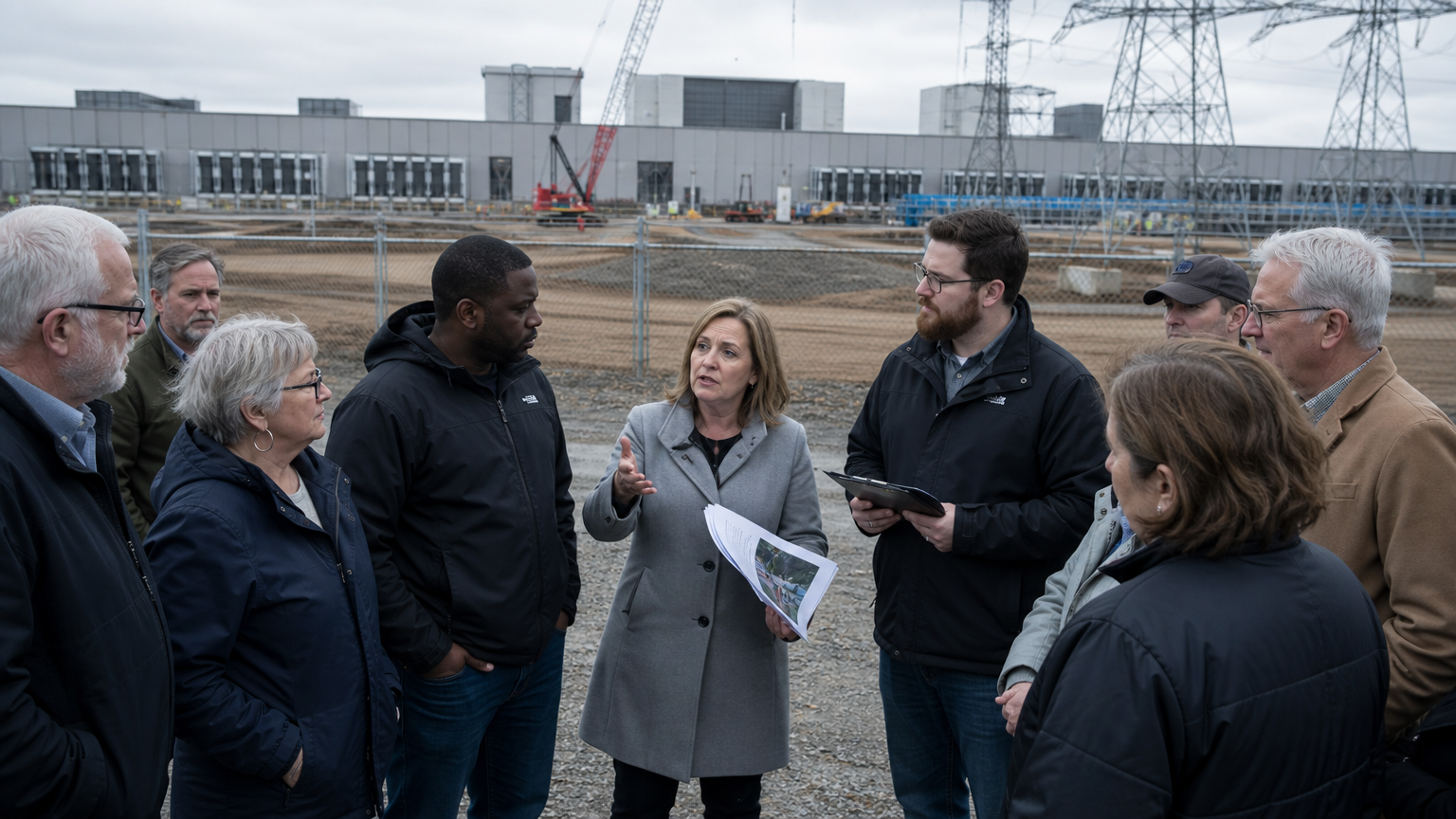
Local activism blocked or delayed a reported $130 billion in U.S. data-center projects during the first three months of 2026, nearly matching the $156 billion identified for all of 2025. The figure captures a change in the infrastructure race: access to chips and capital is no longer enough when communities can slow a project over electricity, water, noise and land use.
The projects have not all disappeared. A delay can reflect a temporary moratorium, a permit dispute, a grid study or a developer redesign. Still, time carries a real cost. AI companies are racing to secure capacity while models and hardware change quickly. A campus that opens two years late may serve a different market than the one used to justify it.
Developers have begun challenging local restrictions in court. In Hill County, Texas, a lawsuit helped overturn a one-year rural data-center ban, according to the reporting. Litigation may clarify the legal authority of counties and municipalities, but a courtroom victory does not automatically create the public consent needed to operate a large industrial facility for decades.
The Local Costs Arrive Before The AI Benefits
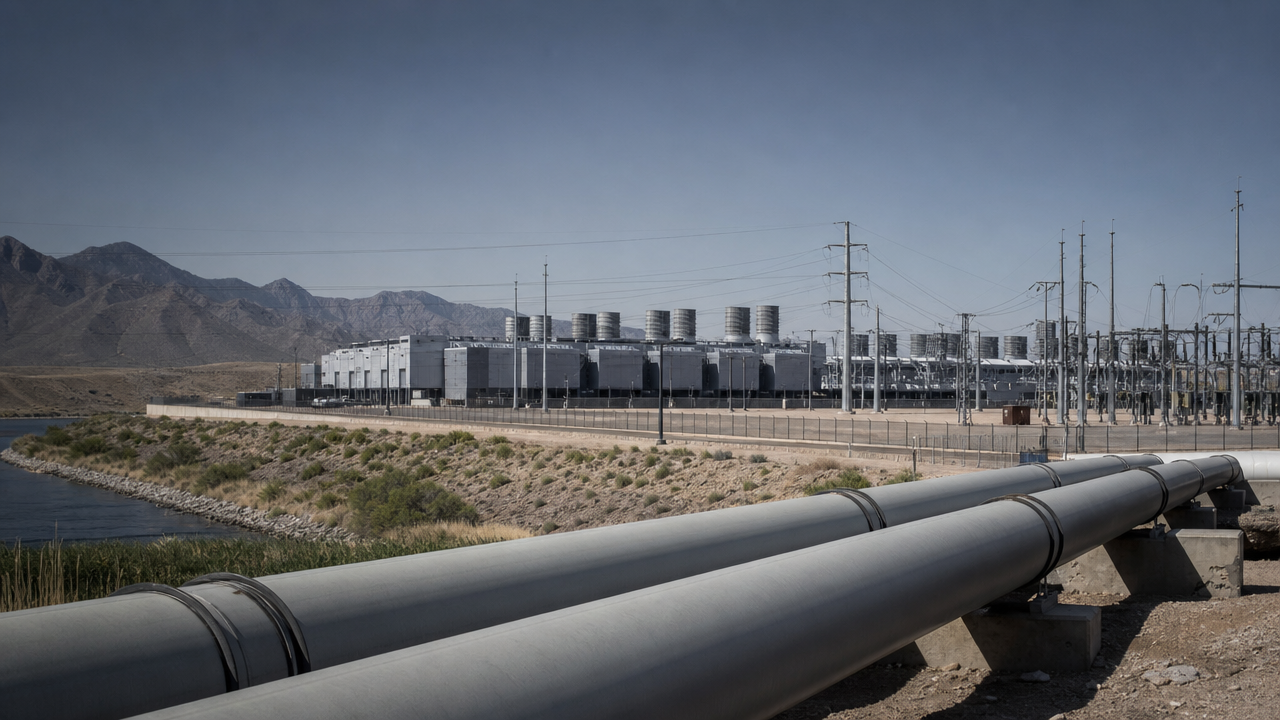
Residents see construction traffic, substations, backup generators and water infrastructure before they see a new medicine or productivity gain attributed to the compute inside. That timing shapes the politics. The benefits are often national or global, while the noise, rate pressure and land conversion are concentrated near one town.
Developers commonly promise tax revenue and construction work. Communities increasingly ask for the complete ledger: long-term jobs, tax abatements, transmission upgrades, water consumption during drought, generator emissions and who pays when equipment or demand changes. A gross investment figure is not the same as a local net benefit.
Data Center Watch tracks projects that face opposition, delays or cancellation, but any aggregate estimate depends on public announcements and the value developers assign to multi-phase campuses. The $130 billion figure should be read as a measure of project scale under dispute, not cash already spent and lost.
Polling shows the geographic nature of the concern. TechRadar cited an Ipsos survey in which a majority did not oppose new data centers in general, while 59% opposed one within ten miles of their home. That gap is sometimes dismissed as local obstruction. It can also reflect a rational demand for evidence from the people carrying the most immediate risk.
Electricity is central to the conflict. A large campus can require generation and transmission upgrades that take years to build. Utilities must decide how costs are allocated and whether a facility can reduce demand during grid stress. Confidential contracts make it difficult for ordinary customers to know whether they are subsidizing the connection.
Better Permitting Requires Better Evidence
A durable approval process would require standardized disclosure before a project receives incentives. Developers should provide peak and annual power demand, cooling design, expected water use, backup-generation hours, construction phases and the assumptions behind employment claims. Communities should be able to compare those figures across projects.
Water reporting needs particular care because cooling systems vary. A company may reduce on-site water use by relying more heavily on electricity, shifting consumption to power generation elsewhere. A credible assessment should account for direct and indirect use and explain how the design performs during the hottest days, when both computing and community demand can be high.
Federal agencies can support common measurement without erasing local authority. The Department of Energy already studies data-center electricity demand, while environmental regulators provide frameworks for water and air reporting. Shared definitions would reduce arguments over basic facts and let local hearings focus on tradeoffs.
Developers also need enforceable commitments. Community-benefit agreements can set construction standards, reporting schedules, local investment and consequences if a project exceeds agreed resource use. Promises made during a zoning hearing should survive a sale of the facility or a change in the company operating the servers.
The industry's legal strategy may win individual disputes while making the wider backlash worse. If residents believe a developer uses superior resources to override local decisions, the next proposal will begin with less trust. Early engagement is slower than a private site negotiation, but it can be faster than years of litigation and redesign.
AI infrastructure is moving from abstract national strategy into ordinary land-use governance. That is not a side issue. The ability to build enough compute now depends on whether companies can explain why a particular project belongs in a particular place under terms its neighbors can verify.
The $130 billion estimate is a warning to both sides. Communities have more leverage than the first wave of announcements suggested, and developers have enough capital to keep contesting restrictions. The projects that advance will be the ones that replace broad promises with specific, enforceable answers about power, water and public value.
Topics: data centers, AI infrastructure, energy, local government