Policy
New York Data Center Moratorium Turns AI Infrastructure Into A State Permitting Fight
Governor Kathy Hochul's one-year pause on new hyperscale data center permits makes New York the first U.S. state to halt large projects while it develops standards for energy, water, air quality and community benefits.
By Michael C ·
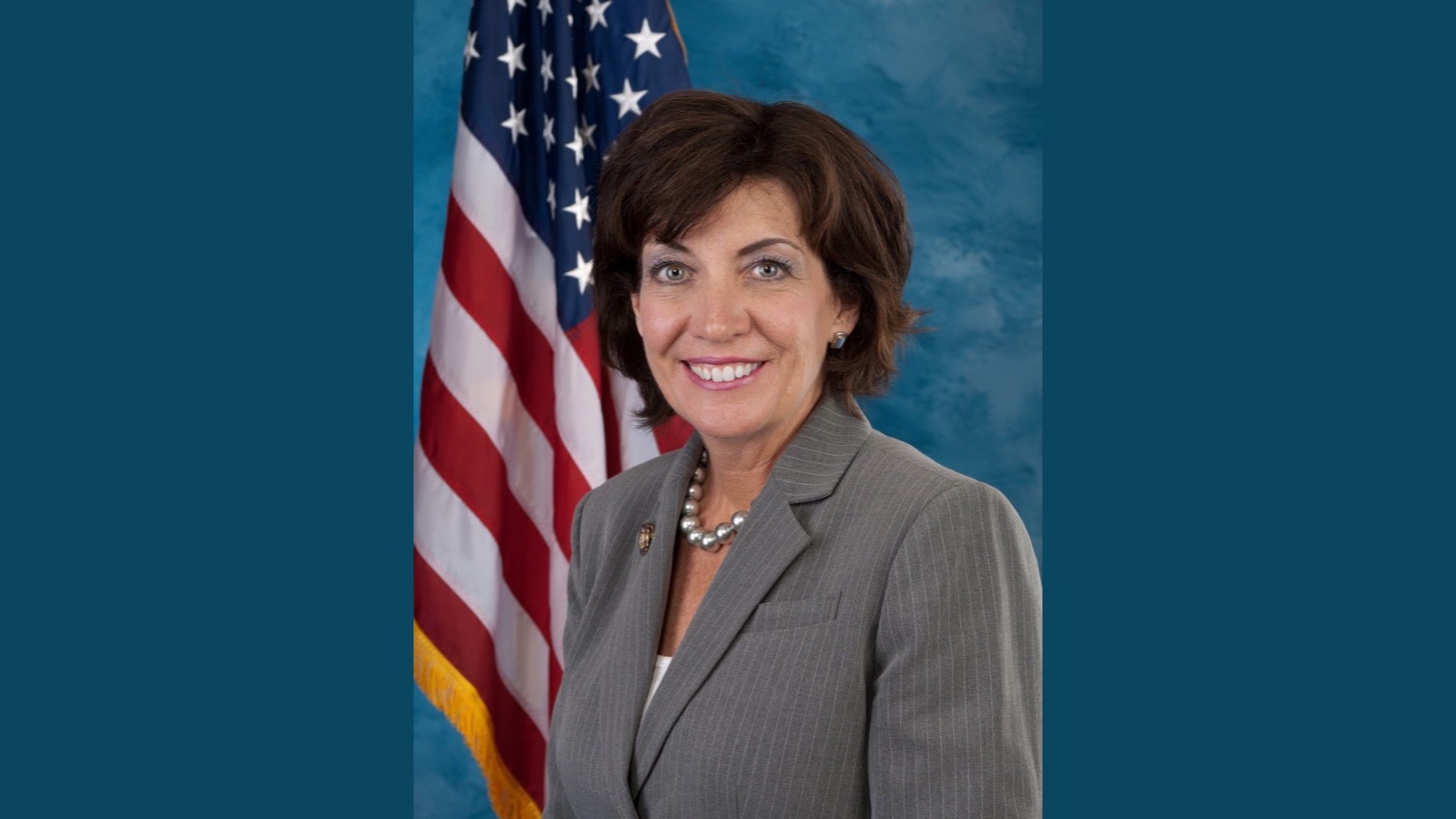
New York has become the first U.S. state to impose a statewide pause on new hyperscale data center permits, turning the AI infrastructure boom into a test of state power over energy, water and local development. Governor Kathy Hochul signed an executive order temporarily barring state environmental permits for large data center projects while regulators build a new review framework. The order targets the facilities most likely to support artificial intelligence workloads, whose electricity and cooling needs have become political issues far beyond the technology sector.
The governor's office said the one-year pause will allow the Department of Public Service to develop a Generic Environmental Impact Statement for data centers and will stop the Department of Environmental Conservation from issuing discretionary permits that are not already complete. The review is expected to examine energy demand, water use and quality, air quality and other effects of construction and operation. Hochul also directed Empire State Development to create a community investment framework that localities can use when negotiating benefits from large projects.
TechCrunch reported that the order applies to data centers of 50 megawatts or larger and could affect more than a dozen projects. Associated Press coverage framed the move as a one-year moratorium while New York weighs energy and climate risks. The policy does not say data centers can never be built. It says the state will not keep approving the largest projects under rules written before AI reshaped the scale of compute demand.
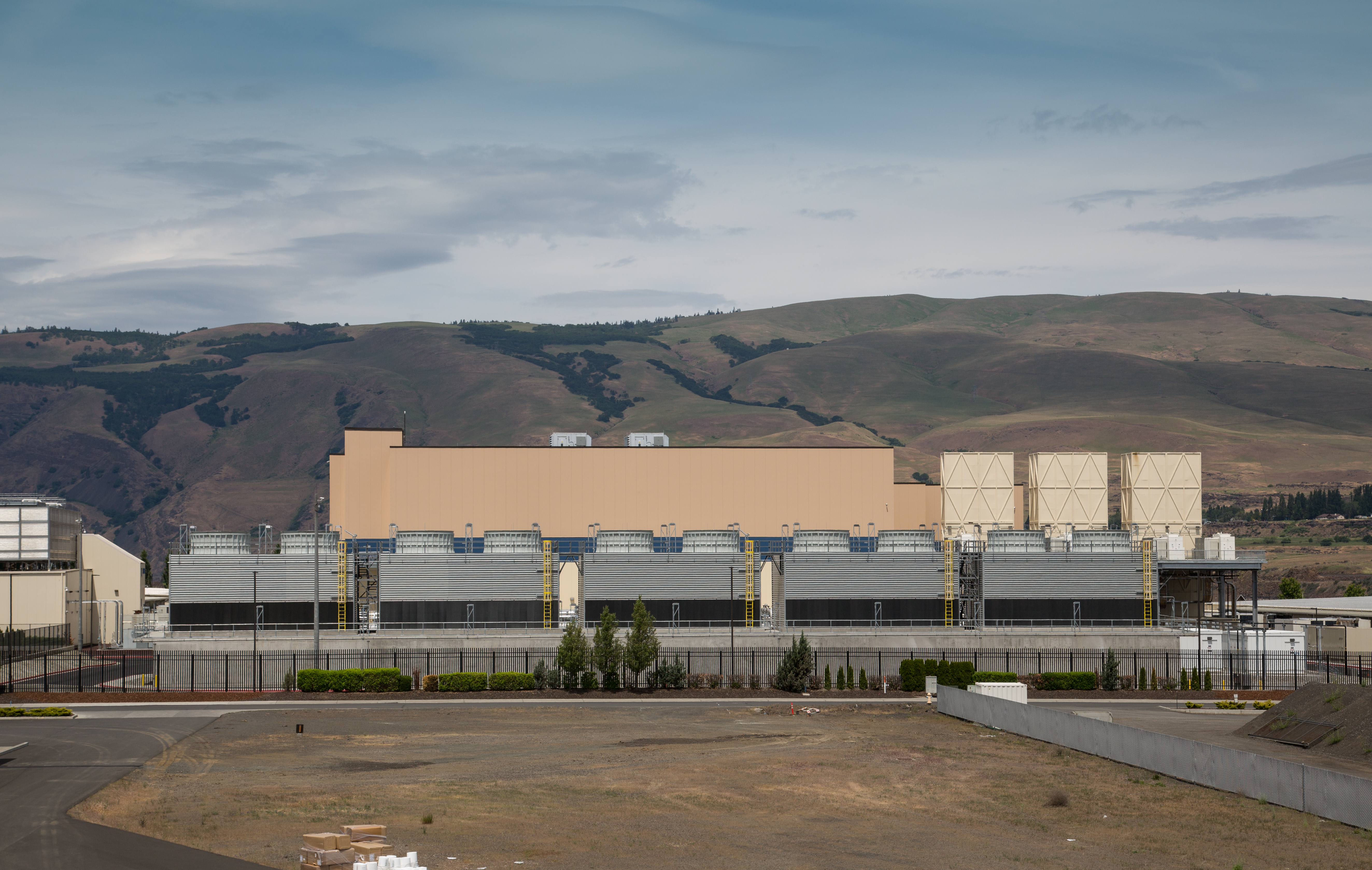
The core political argument is ratepayer protection. Data centers can require new transmission, generation, substations and water infrastructure. If those costs are spread across ordinary utility customers, local backlash is almost guaranteed. Hochul's office said the pause is meant to ensure New Yorkers are not paying for build-outs that primarily benefit private compute operators. That message reflects a broader shift in how voters see AI infrastructure: less like neutral internet plumbing and more like industrial development with visible costs.
The order also threatens the incentive model that states used during the first phase of cloud expansion. Hochul said she would pursue legislation to repeal sales-tax exemptions for massive data centers. For years, data center competition among states often centered on tax breaks, cheap land and fast utility connections. AI has changed the politics because the largest facilities can look less like job creators and more like energy-intensive campuses that strain grids, water systems and neighborhoods.
The move sets up a clash with federal infrastructure priorities. The Federal Energy Regulatory Commission recently pushed grid operators to speed large-load interconnections as AI data centers became a national infrastructure priority. New York is moving in the opposite direction at the permitting layer, at least temporarily. Both impulses can be true at once: the country may need more compute, and communities may demand rules before the largest projects land on their utility systems.
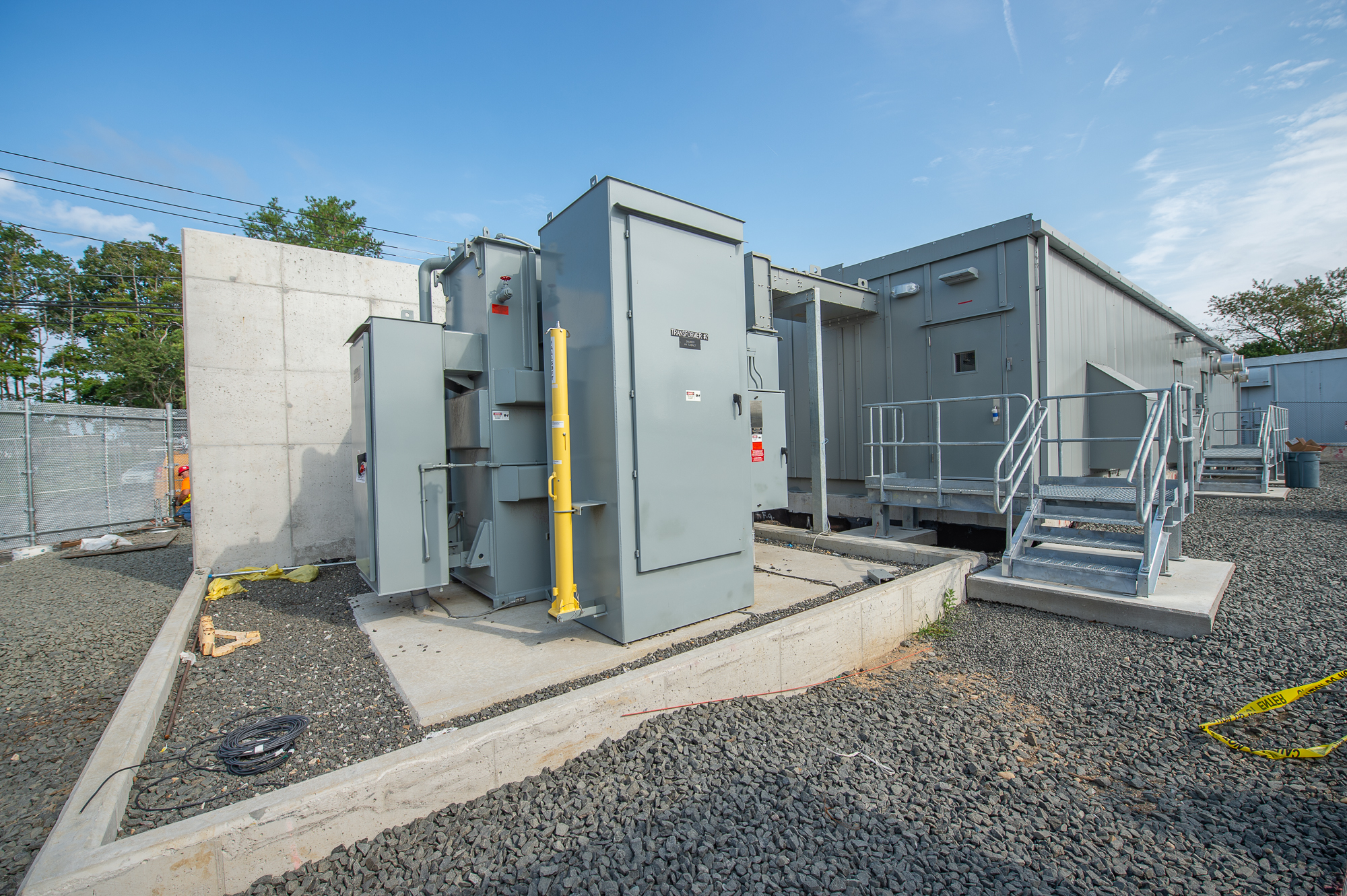
The public-opinion context matters. TechCrunch cited Pew Research findings showing that Americans remain more concerned than excited about AI in daily life and are skeptical that government will regulate the technology responsibly. Data centers have become one of the few physical places where abstract AI anxiety turns concrete. Residents may not know which model a company is training, but they can see construction, hear equipment, watch water debates and receive higher utility bills.
Industry critics will argue that New York is making itself less competitive. AI labs, cloud providers and colocation firms can move projects to states with cheaper power and friendlier rules. That is a real risk. But the moratorium also creates pressure for a more durable bargain: if data centers want fast approvals, they may need to bring their own power, pay grid charges, fund community benefits, meet prevailing-wage standards and disclose more about environmental impacts.
New York's order may not become a national template in every detail. It will still be watched closely because it converts local frustration into statewide policy. AI infrastructure is no longer a back-office real estate category. It is now part of energy planning, climate politics, labor negotiations and ratepayer protection. The next data center fight will not be only about where compute should go. It will be about who carries the cost when it arrives.
Topics: New York, data centers, AI infrastructure, energy