Policy
Missoula updates data center regulations after small AI research facility proposal
A proposed 4,200-square-foot AI research facility near Missoula Montana Airport prompted local officials to revise zoning rules for data centers, addressing concerns about noise, power consumption, water use and grid connections. The regulatory update reflects a shift toward proportional oversight that distinguishes small research operations from hyperscale infrastructure.
By Michael C ·
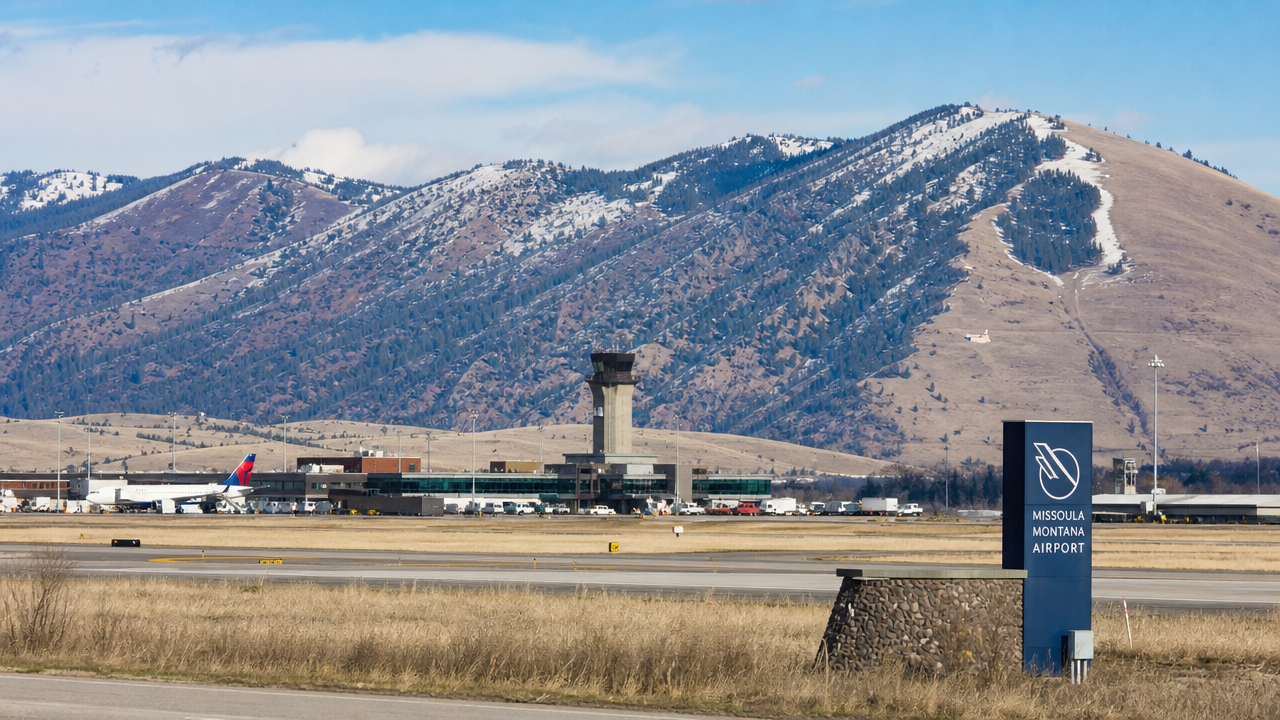
Missoula city officials have revised their data center regulations following a proposal by a local artificial intelligence development company to build a modest 4,200-square-foot research facility near Missoula Montana Airport. The regulatory changes, reported by the Missoulian report, signal recognition that emerging AI infrastructure requires updated zoning definitions and oversight mechanisms tailored to the actual scale and operational footprint of research operations rather than the hyperscale data center campuses that dominate national infrastructure debates. The revisions address specific operational concerns including noise limits, backup power systems, water consumption thresholds, grid connection requirements and public transparency standards. City of Missoula planning officials determined that clarifying regulatory language would provide necessary guidance for future applications while establishing enforceable standards for facility operation.
The proposal raised fundamental questions for local planners about how existing zoning categories apply to AI research infrastructure. Traditional data center classifications were designed for larger facilities with substantially different operational profiles. A 4,200-square-foot research operation presents distinct challenges around land use compatibility, utility demand and community impact compared to the multimillion-square-foot regional data centers that have drawn scrutiny from state energy officials. The planning department determined that noise ordinances now specify decibel limits during daytime and evening hours, with particular attention to backup generator operation. The revised rules require applicants to demonstrate adequate cooling capacity without straining municipal water systems, a concern that has motivated regulatory action in other western communities facing water scarcity. Missoulian report documents the reporting behind this account.
Grid connection protocols now require coordination with local utilities to assess transformer capacity and peak demand, addressing concerns that uncontrolled facility proliferation could create reliability vulnerabilities. The updated ordinance emphasizes public accountability mechanisms absent from earlier regulations. Data center operators are required to disclose estimated power consumption, cooling methodology, backup fuel storage capacity and water usage projections before construction approval. Municipal enforcement authority includes the power to require ongoing monitoring and reporting of actual consumption metrics against permitted levels. The transparency requirement aims to establish factual baselines for community oversight and create enforceable accountability for operational impacts. City of Missoula offers useful technical background for evaluating the claim.
Water and utility constraints

Water consumption emerged as a central regulatory concern. Missoula County has experienced drought conditions in recent years, and cooling systems for data infrastructure represent significant demand on municipal water supplies. The revised regulations establish maximum water consumption thresholds calibrated to research-scale operations and require facilities to explore recirculation systems and alternative cooling methods before relying on municipal water. Applicants must submit water management plans demonstrating compliance before permits are issued. The U.S. Department of Energy data center resources outline the broader context of water intensity in data infrastructure, a concern local planners drew upon when establishing thresholds and operational standards for new facilities.
The revision reflects tensions between economic development interest and community concerns about infrastructure concentration. A local AI development company's proposal drew attention precisely because the scale was small enough to seem manageable yet sufficient to reveal regulatory gaps. City officials acknowledged during the planning process that absence of clear rules created uncertainty for both applicants and residents. The new ordinance provides defined pathways for approval while establishing enforceable operational standards that constrain facility behavior. Questions remain about how proportional regulation should evolve if multiple similar facilities propose Missoula locations or if cumulative demand across multiple operators strains utility capacity. U.S. For broader context, U.S. Department of Energy data center resources outlines the relevant standard or institution.
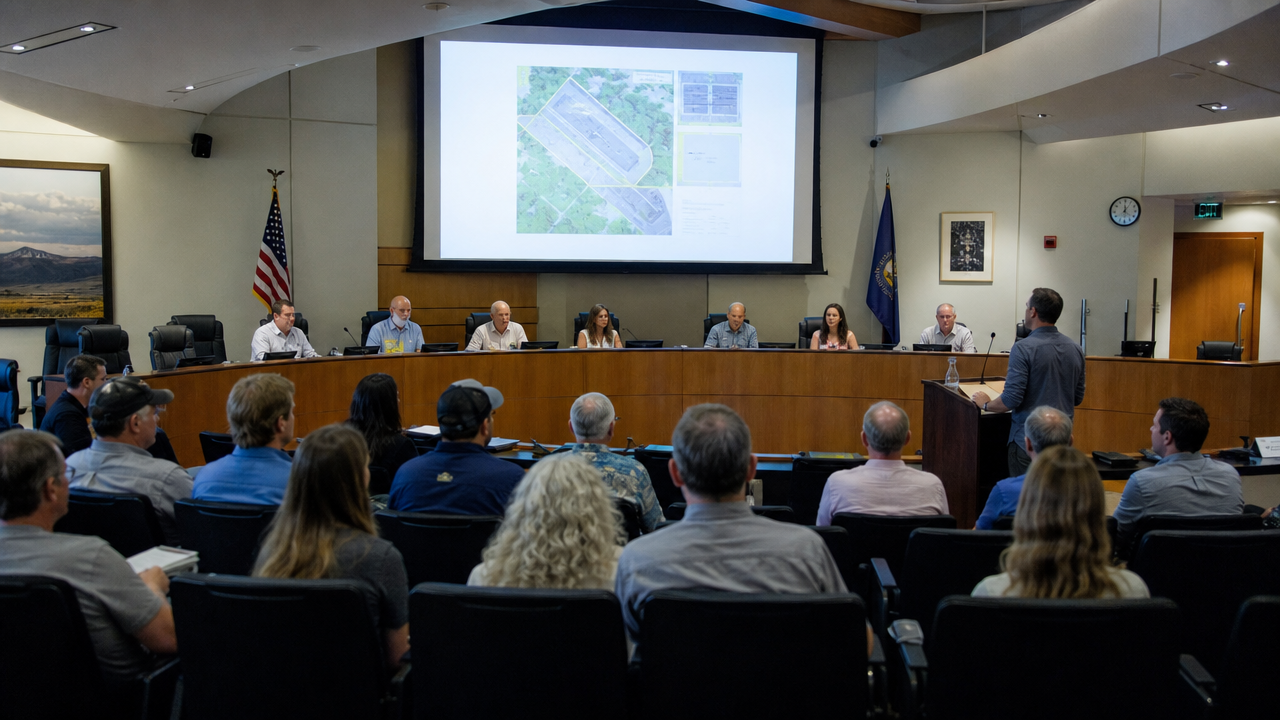
Governance and community standards
The regulatory approach adopted by Missoula aligns with emerging best practices around AI infrastructure governance. The NIST AI Risk Management Framework emphasizes the importance of transparent operational standards and accountability mechanisms for systems with potential community impact. Similarly, OECD AI principles highlight the value of clear governance structures that balance innovation with public trust and local environmental stewardship. Missoula's experience demonstrates how mid-sized communities can establish meaningful regulatory authority over infrastructure development without prohibiting responsible growth or deterring legitimate operations.
The ordinance does not establish absolute caps on the number of permitted data centers or aggregate power consumption limits, leaving open the question of how the city will manage growth scenarios. Planning officials indicated that the current framework addresses identified operational impacts while preserving flexibility for future amendments if circumstances warrant. For the local AI development company whose proposal prompted the regulatory revision, the updated framework provides clarity about permitting requirements and operational constraints. Whether the company proceeds with its 4,200-square-foot research facility under the new rules remains to be determined. For Missoula County and the broader region, the revised ordinance establishes a model for how communities can engage substantively with data infrastructure proposals rather than accepting regulatory absence or responding reactively to unanticipated impacts. The specificity of the rules, tied to measurable operational standards rather than abstract concern, creates conditions for informed public participation in local infrastructure decisions. The final point can be checked against OECD AI principles.
Topics: data center policy, AI regulation, Missoula zoning, infrastructure planning, local governance