Policy
Microsoft Brings $60 Million To America's AI-For-Science Push, With The Hard Work Still Ahead
Microsoft says it will invest $60 million in a new coordination hub for the Department of Energy's Genesis Mission, adding industry capacity to a federal AI-for-science agenda that will be judged by reproducible discoveries.
By Patrick T ·
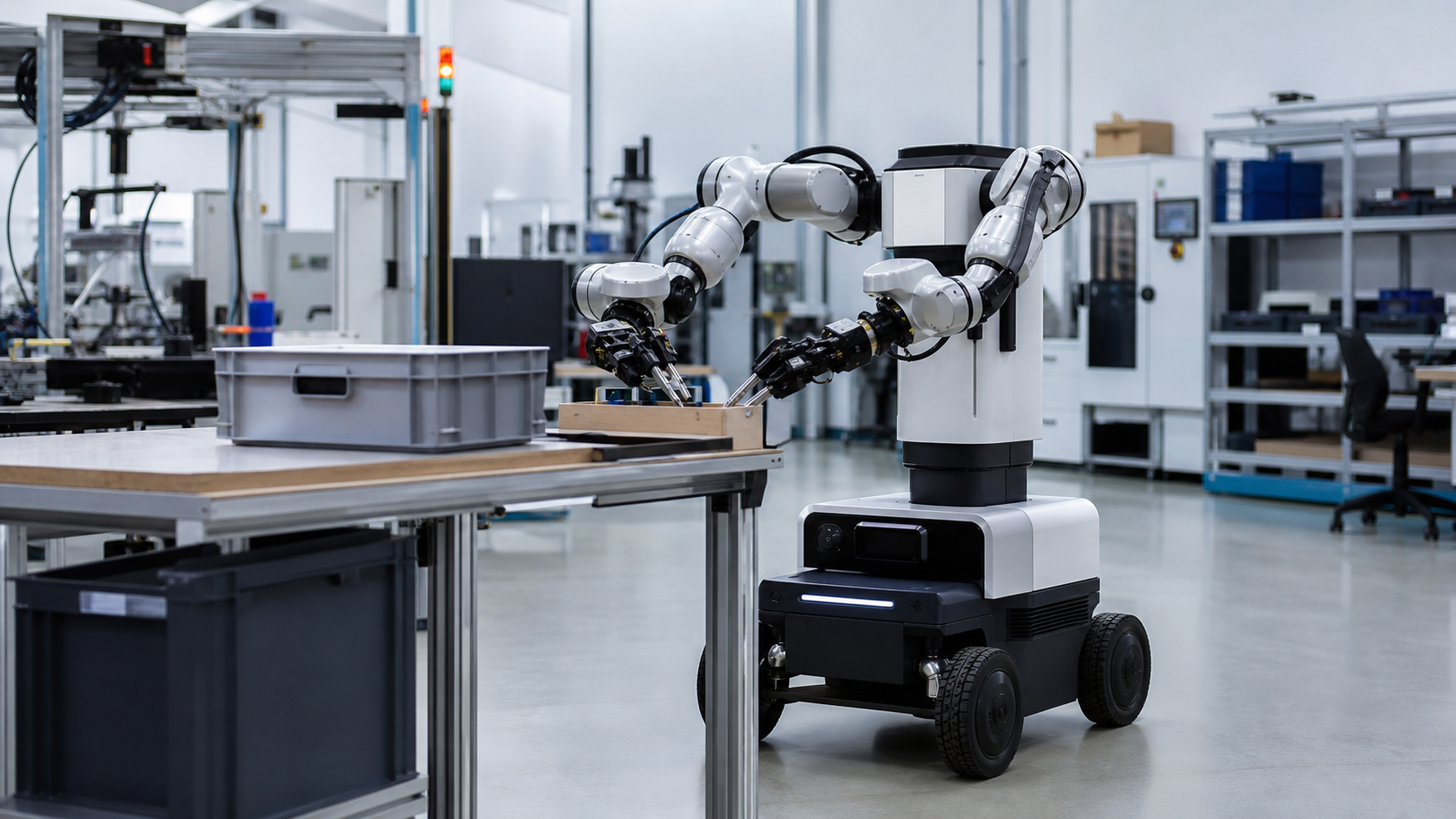
Microsoft has pledged $60 million to support the Department of Energy's Genesis Mission and a new coordination program it calls SPARK. The company says the effort will connect cloud and AI capabilities with the national laboratories, experimental facilities and scientific data that sit at the center of the federal program. The announcement adds private-sector capacity to a public ambition: make AI a working part of the nation's scientific apparatus.
AI for science has an appealing narrative because it promises progress across fields that affect daily life: materials, energy, climate, health and manufacturing. But a useful scientific system requires more than a capable model and a large corpus of papers. It needs instruments that produce reliable data, researchers who can interrogate results and methods that distinguish a plausible suggestion from a result another team can reproduce.
The national laboratories are a natural setting for that work because they combine long-lived datasets, specialized equipment and deep domain knowledge. Microsoft's contribution can make it easier to connect those pieces, but it cannot replace the institutional discipline that science demands. Access controls, reproducibility, provenance and peer review will matter just as much as model performance.
There is also a public-interest test. A partnership between a major cloud provider and a federal science initiative should make clear which tools are open, which data can be used, how researchers retain control and how the program avoids locking public research into a single commercial pathway. The best outcome is not a showcase for one vendor. It is a stronger research system that can use many tools responsibly.
SPARK's name suggests coordination, and that is exactly where this effort will succeed or fail. AI-for-science programs need researchers, facilities, data stewards, software teams and funders to work across institutional boundaries. The first announcements are easy. The more meaningful milestones will be the experiments that run faster, the findings that hold up and the scientific capacity that remains after the initial funding cycle ends.
Topics: Microsoft, Department of Energy, AI for science, Genesis Mission