Policy
Trump's Shadow AI Policy Shows Deregulation Can Still Govern The Industry
The Trump administration says it opposes AI regulation, but Axios reports that it is shaping the sector through case-by-case interventions on model access, state-law preemption, federal procurement, and national security. The result is not no regulation; it is informal regulation without stable rules.
By Michael C ·
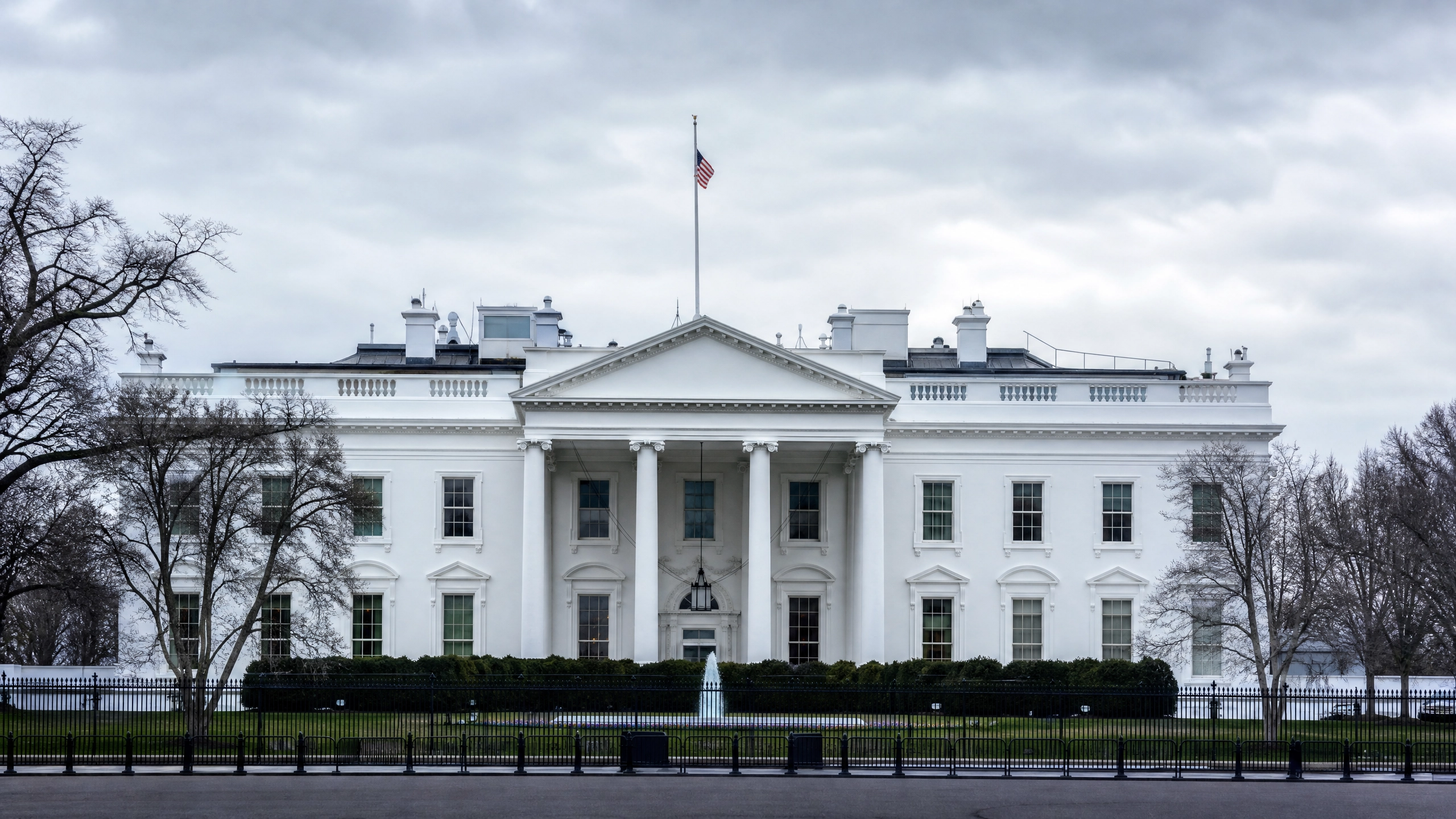
The Trump administration entered office arguing that AI should not be slowed by heavy regulation. But Axios reports that the White House is still shaping the sector through case-by-case interventions on model access, procurement, state-law preemption, cybersecurity, and national security. That is the paradox of the current U.S. AI regime: deregulation can still govern.
The distinction matters for companies. Formal regulation is slow, visible, and legally structured. Informal intervention can move faster, but it creates uncertainty because the rules are discovered through individual disputes. Labs, cloud providers, enterprise buyers, and foreign governments then have to infer policy from what the administration chooses to do in each case.
The Anthropic Precedent
The latest model-access fight around Anthropic's Fable and Mythos systems is the clearest example. Axios describes negotiations over whether export controls can be lifted while other labs work through compliance with a new executive order that created a voluntary framework for government review of some advanced models.
This approach gives Washington leverage without building a comprehensive AI statute. It can pressure a lab, approve a pathway, encourage a standard, preempt a state law, or shape federal buying behavior. The cost is predictability. Companies may prefer lighter rules, but they also need to know where the lines are before they invest.
Personnel Is Policy
A second Axios report says influence inside the White House AI power center is shifting as David Sacks steps back and Sriram Krishnan prepares to leave. Officials including Howard Lutnick, Scott Bessent, Susie Wiles, Ryan Baasch, and Sean Cairncross are playing roles in a policy process that is still taking shape.
That personnel churn matters because AI policy now touches national security, economic strategy, cyber defense, procurement, export controls, and labor markets. There may be no single AI regulator, but there are many officials with partial authority over the industry's future.
The Shape Of Informal Regulation
Topics: AI policy, Trump administration, model access, regulation