Policy
Trump's Anthropic Warning Turns Model Access Into A National Security Test
President Trump told Axios that he recently viewed Anthropic as a national-security threat before relations thawed after a G7 meeting with CEO Dario Amodei. The episode shows how frontier model access is becoming a direct instrument of U.S. security policy.
By Michael C ·
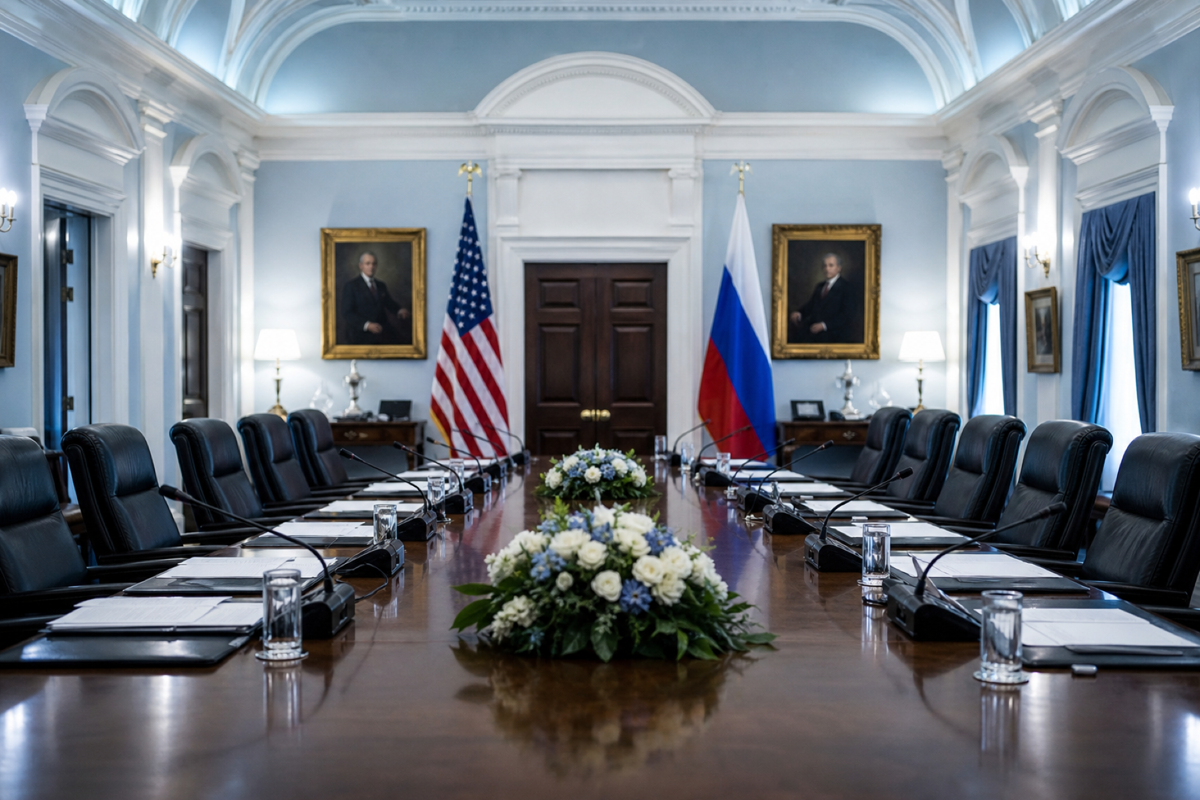
President Trump told Axios that he recently considered Anthropic a national-security threat, before saying relations improved after a meeting with CEO Dario Amodei at the G7. The remark gives the Anthropic model-access fight a sharper frame: frontier AI is no longer only a commercial product or safety debate. It is now treated as strategic infrastructure that Washington may restrict, negotiate over, or compel.
The immediate dispute centers on foreign access to advanced models and whether the government can trust a frontier lab's own safeguards. But the deeper question is who decides when a private AI system becomes sensitive enough to fall under national-security logic. Once that line is crossed, product launches, employee access, overseas customers, and cloud partnerships all become policy variables.
The Export-Control Layer
Trump did not rule out using the Defense Production Act if he thought the situation required it. That matters because the law is designed for emergency industrial mobilization, not ordinary software governance. Invoking it around AI would move model access closer to chips, energy, and defense production in the hierarchy of strategic assets.
For AI labs, this creates a difficult new operating environment. A model can be technically strong, commercially valuable, and still politically constrained if officials believe it creates leverage for foreign governments or risks inside critical systems. The frontier is becoming less like consumer software and more like a dual-use supply chain.
Why The Thaw Still Matters
Trump's softer language after meeting Amodei is also important. It suggests the government may prefer negotiated control to permanent rupture. That could mean security frameworks, access tiers, auditing commitments, government review paths, or restrictions on who can use the most capable systems outside the United States.
The commercial stakes are large. If U.S. officials can pause or condition access to a flagship model, customers will ask whether model supply is geopolitically reliable. That may push enterprises to diversify across providers, buy sovereign alternatives, or keep fallback systems ready even when a single model appears best in benchmarks.
AI Policy Becomes Case Law
Topics: Anthropic, AI policy, national security, model access