Policy
The White House Wants Congress to Write the AI Rules. Here Is What It Is Asking For.
The Trump administration's 'National Policy Framework for Artificial Intelligence' identifies seven legislative priorities — and makes one thing unmistakably clear: no new federal AI regulator. The document is non-binding, but it is the most detailed articulation yet of how the administration wants federal AI policy to take shape.
By Patrick T ·
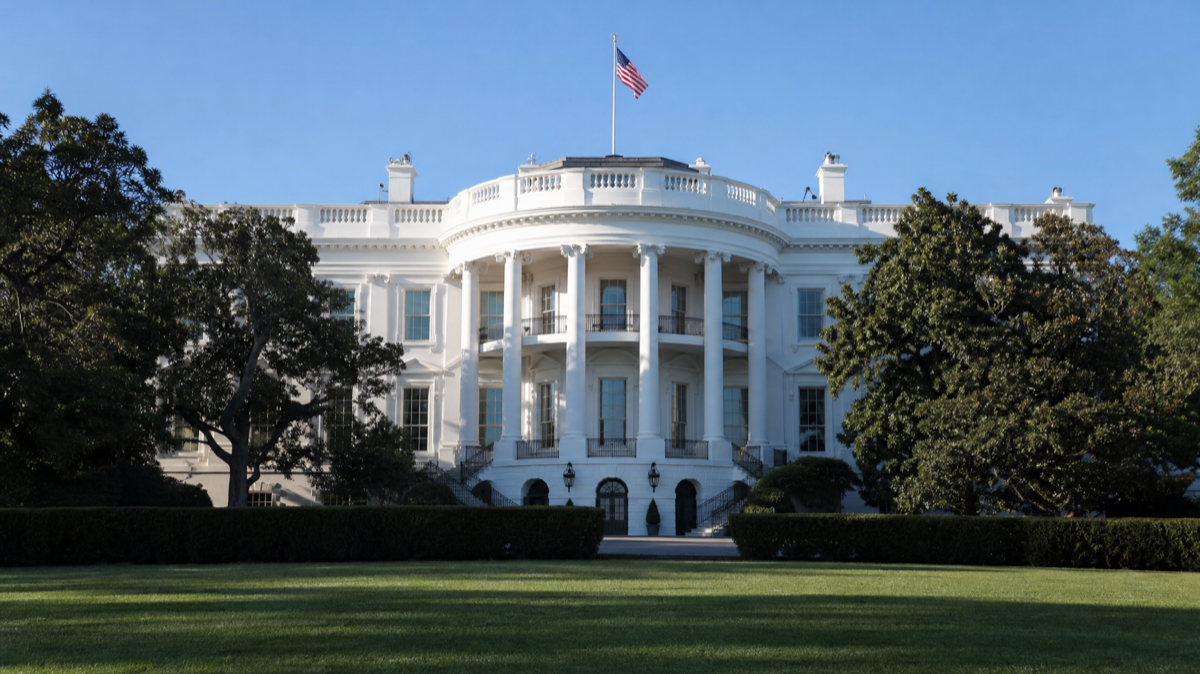
On 20 March 2026, the Trump White House released a document titled 'National Policy Framework for Artificial Intelligence: Legislative Recommendations' — the administration's most detailed articulation yet of how it wants Congress to govern artificial intelligence. The framework identifies seven priority areas and carries one unmistakable throughline: stop the growing patchwork of state AI laws before it becomes unmanageable, and do it without creating a new federal regulatory agency.
The document is non-binding. Congress can ignore it entirely. But it represents a significant escalation in the administration's engagement with AI policy, and its implicit warning to states is hard to miss. As of late May 2026, more than 700 AI-related bills have been introduced across state legislatures. The White House is watching this proliferation with alarm — and the framework is its answer.
Seven Priorities, One Big Theme
The framework's seven focus areas are: protecting children and parents from AI-related harms; addressing the community impact of AI deployment; resolving intellectual property concerns raised by AI training and generation; safeguarding free speech in the context of AI content moderation; developing the AI workforce; preempting burdensome state AI regulations; and respecting state rights in the process of federal preemption. The seventh priority — respecting state rights while simultaneously preempting state laws — is the document's central tension, and it is one the framework does not fully resolve.
No New Regulator
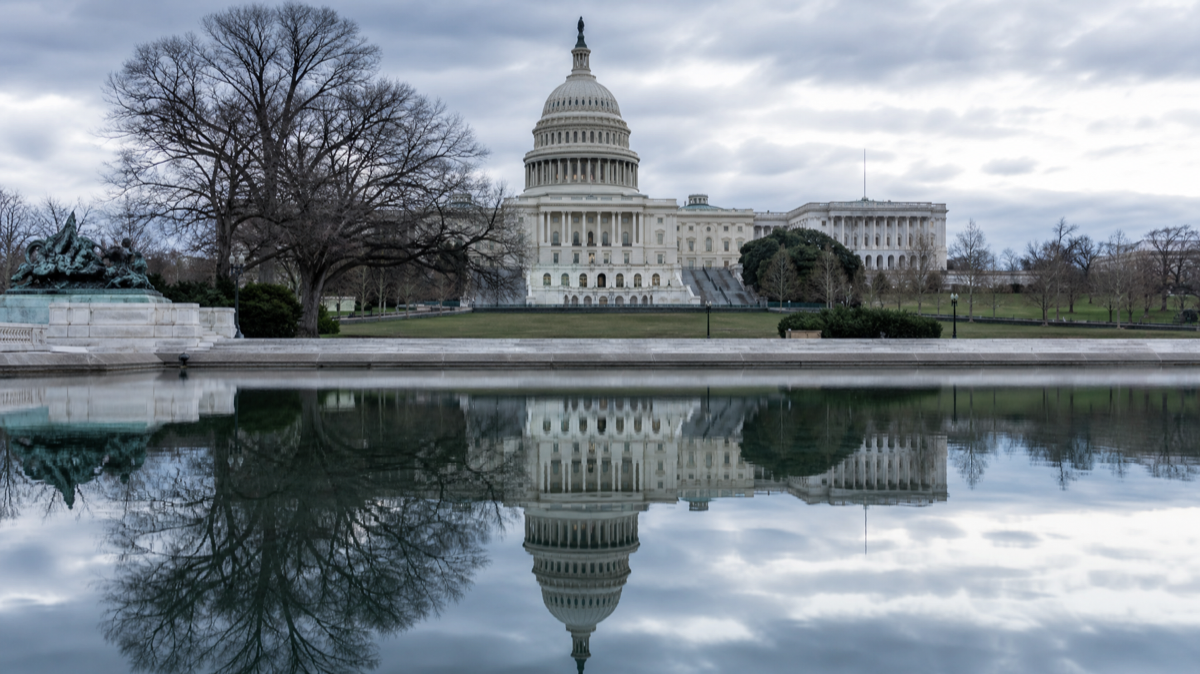
Perhaps the most consequential recommendation in the framework is what it argues against: a new federal AI regulatory agency. Instead, the document endorses sector-specific oversight — meaning the FDA would handle AI in healthcare, the SEC would handle AI in finance, the FTC would handle AI in consumer markets, and so on. This is the approach the administration has consistently favoured, and it reflects a broader philosophical preference for working within existing institutional structures rather than creating new ones.
The counterargument is well-established. AI does not stay in its lane. A single large language model can simultaneously touch healthcare, finance, education, and national security. Asking four different agencies to each regulate their slice of the same model creates a coordination problem that could make the current state-level fragmentation look manageable by comparison. The framework does not address this objection directly.
"A 30-person AI startup in Austin cannot afford compliance teams for 50 different regulatory regimes. Uniform federal standards, if they arrive, would lower the barrier to scaling nationally."
The Road That Led Here
The framework did not appear in a vacuum. It follows a trajectory that includes the 'America's AI Action Plan' released in July 2025 and Executive Order 14365, signed in December 2025, which specifically called for legislative proposals to counter regulatory fragmentation within the AI sector. The March 2026 framework is the administration's formal response to its own executive order — a document that took three months to produce and reflects extensive consultation with industry.
On the congressional side, the response has been measured. As of late May 2026, no significant AI legislation has advanced through committee. Senator Marsha Blackburn has introduced a revised version of her TRUMP AMERICA AI Act, which aims to ease compliance burdens for AI ventures, but it has not gained major traction. The framework's seven priorities remain aspirational rather than legislative.
What This Means for the Industry
For the technology sector, the framework's most consequential feature may be the signal it sends rather than the specific policies it proposes. A federal government actively working to reduce regulatory complexity and prevent state-level balkanisation is broadly positive for the technology sector — particularly for startups that lack the compliance infrastructure of large incumbents.
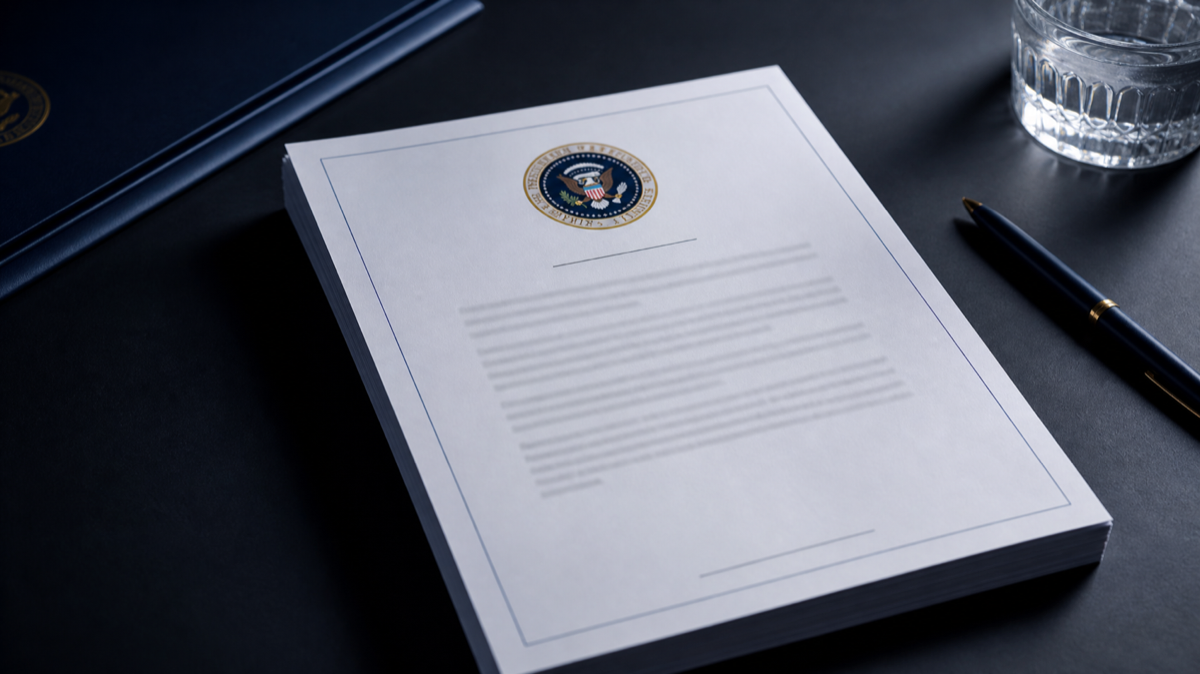
The risk, of course, is that congressional inaction leaves the framework as nothing more than a well-formatted PDF. Without legislation, states will continue to fill the vacuum with their own rules, and the fragmentation problem the White House identified will only deepen. Illinois passed SB 315 — the country's most stringent AI safety law — just days before the framework's wider circulation. California, Colorado, and Texas all have significant AI bills moving through their legislatures. The window for federal preemption is open, but it will not stay open indefinitely.
Investors watching this space should track not just the framework itself but whether any of its seven priorities actually make it into a bill that moves through committee. The administration has signalled its preferences clearly. What remains unclear is whether Congress has the appetite to act on them — or whether the AI regulation debate will continue to be settled, by default, at the state level.