Policy
Sriram Krishnan's White House Exit Leaves A Gap In Federal AI Strategy
Sriram Krishnan has left his White House AI adviser role after four months, according to TechCrunch. The departure comes as Washington is trying to coordinate frontier model oversight, immigration, chips, procurement, and industrial policy at the same time.
By Michael C ·
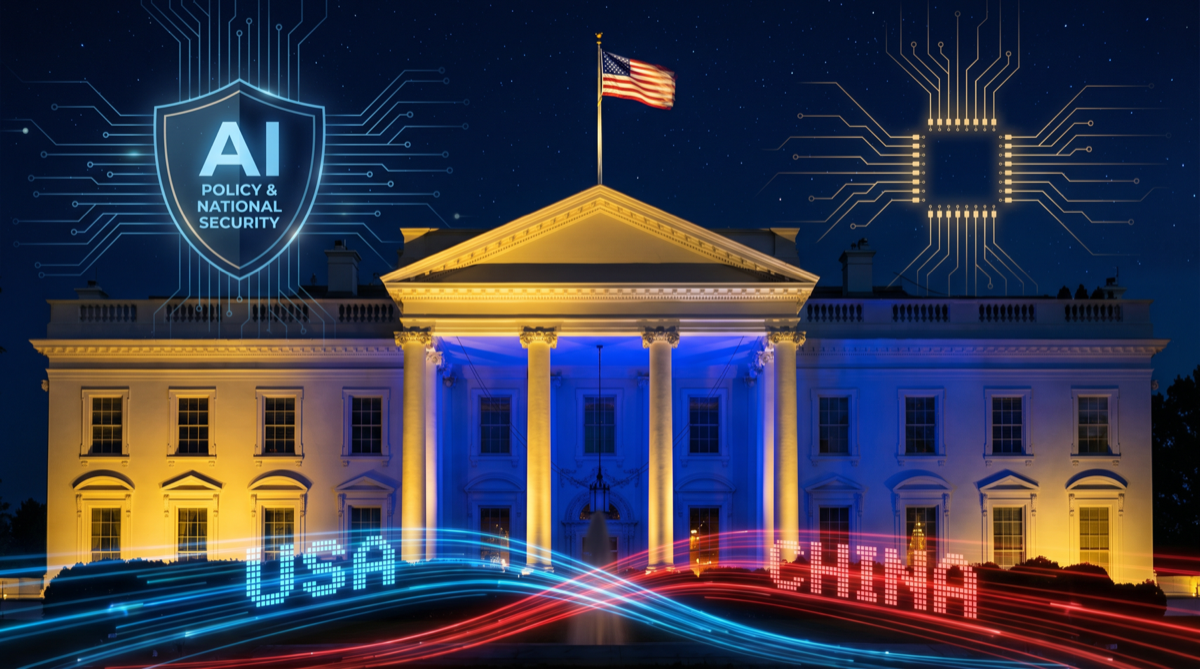
Sriram Krishnan has left his White House AI adviser role after four months, according to TechCrunch, creating a gap at a moment when federal AI strategy is becoming harder to coordinate. The role sat at the intersection of frontier model policy, startup engagement, talent, chips, procurement, and the administration's broader technology agenda.
Personnel changes are normal in Washington, but timing matters. The administration is weighing how to supervise frontier models, how aggressively to support domestic AI infrastructure, how to handle export controls, and how to reconcile Silicon Valley's demands with national security concerns. Losing a high-profile adviser with deep technology industry relationships complicates that work.
AI Policy Is Becoming Industrial Policy
The AI policy job is no longer only about safety principles or voluntary commitments. It now touches energy permitting, data centers, immigration rules for technical talent, semiconductor supply, defense procurement, copyright, and state preemption. That makes coordination inside the federal government unusually difficult.
Krishnan's value was partly symbolic. He represented a channel between the administration and the startup ecosystem, especially founders who are skeptical of heavy regulation but want federal support for infrastructure, talent, and procurement. Replacing that bridge will matter if the White House wants industry cooperation rather than public sparring.
The departure also underscores a structural problem: AI policy talent is scarce. The people who understand frontier AI, venture markets, national security, and government process are few, and many can earn far more outside public service. That makes sustained government capacity difficult even when political attention is high.
The question now is not whether one adviser can make or break federal AI strategy. The question is whether the White House can build an institutional bench deep enough to manage a technology agenda that spans commerce, defense, labor, energy, and civil rights. AI policy has outgrown the idea of a single coordinator.
Topics: White House, AI policy, Sriram Krishnan, Washington