Policy
Trump Kills AI Executive Order Hours Before Signing—Tech Giants and Policy Hawks Intervene
President Trump cancelled plans to sign a new AI executive order hours before a scheduled White House ceremony, citing concerns that it could weaken the U.S. technology edge. The move reflects intense lobbying from AI industry leaders who argued the order's restrictions would disadvantage American companies in the global AI race.
By Leo W ·
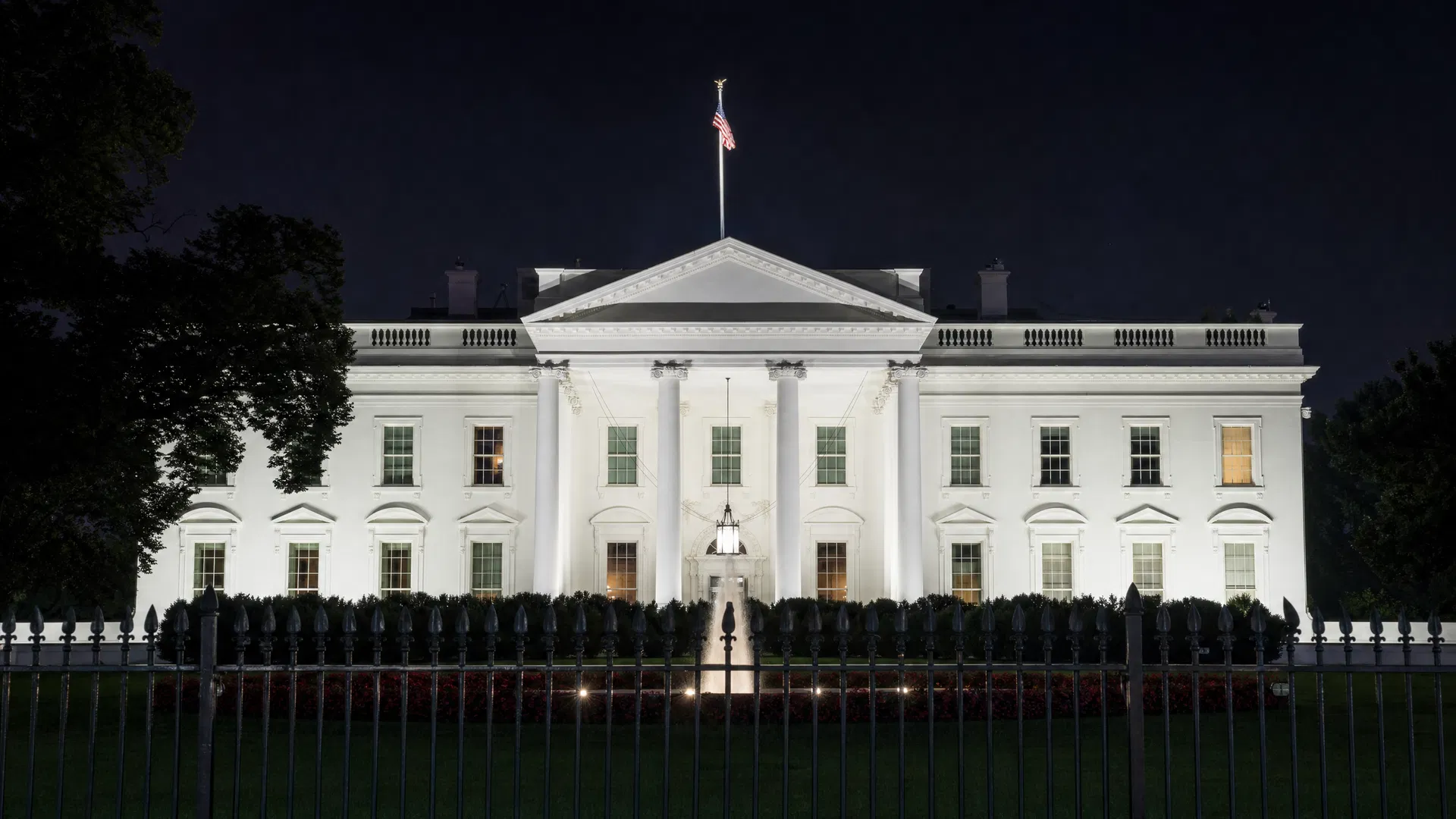
Trump Cancels AI Executive Order Hours Before Signing—Tech Giants and Policy Hawks Intervene
President Trump cancelled plans to sign a new AI executive order hours before a scheduled White House ceremony on May 22, 2026. In a statement, Trump said he postponed the signing because he 'didn't like' all the details, arguing that the order could weaken the U.S. technology edge in the global AI race. The move reflects intense lobbying from AI industry leaders and policy advisors who argued the order's restrictions would disadvantage American companies competing against Chinese and European rivals.
The executive order was designed to establish new safety standards for AI development and deployment, including mandatory safety audits for models exceeding certain capability thresholds and transparency requirements for training data. While these provisions are broadly supported by AI safety advocates, industry leaders argued that the order's implementation timeline was too aggressive and could force American companies to slow down their research and development efforts while competitors in China and Europe accelerated their own programs.
The Lobbying Campaign: Who Opposed the Order and Why
According to sources familiar with the lobbying effort, executives from OpenAI, Google, Anthropic, and Meta met with Trump administration officials and policy advisors to argue against the order. The companies' primary concern was that the order would impose compliance costs and operational restrictions that would slow American AI development and give competitors an advantage. Additionally, some advisors argued that the order was redundant with existing safety initiatives and international agreements already in place.
The lobbying campaign was particularly intense because the order was scheduled to be signed at a White House ceremony with significant media coverage. By cancelling at the last minute, Trump signaled to the AI industry that their concerns had been heard and that the administration would take a more industry-friendly approach to AI regulation. This is a significant victory for the AI industry and a setback for AI safety advocates who had hoped the order would establish binding safety standards.
The Broader Context: AI Regulation in an Election Year
The cancellation of the executive order must be understood in the context of the 2026 midterm elections and broader debates about AI regulation. The Trump administration has positioned itself as pro-business and skeptical of regulatory overreach, and the decision to cancel the order is consistent with this positioning. However, it also reflects a genuine concern within the administration that aggressive AI regulation could disadvantage American companies in the global AI race.
This concern is not unfounded. China is investing heavily in AI research and development, and European regulators are implementing their own AI safety frameworks. If the United States imposes stricter safety standards than competitors, American companies could face a competitive disadvantage. This creates a classic regulatory dilemma: how to ensure AI safety without imposing costs that disadvantage domestic companies relative to international competitors.
What Happens Next: The Future of AI Regulation
With the executive order cancelled, the future of AI regulation in the United States is uncertain. Congress is considering several AI-related bills, but none have been passed into law. The EU's AI Act is already in effect, establishing binding safety standards for AI systems. This creates a situation where European companies may face stricter regulations than American companies, potentially giving American companies a competitive advantage in the short term but creating fragmentation in the global AI market.
The cancellation also raises questions about whether the Trump administration will pursue any AI regulation at all. Some advisors have suggested that the administration should focus on international coordination rather than unilateral regulation, allowing the United States to work with allies to establish global AI safety standards. This approach would avoid imposing costs on American companies while still addressing AI safety concerns. The coming months will be critical in determining whether the United States takes a leadership role in shaping global AI governance or cedes that ground to the European Union and other international bodies.