Policy
Trump Signs AI Executive Order — Government Gets 30-Day Preview Window on Frontier Models
A new White House executive order asks AI companies to voluntarily share frontier models with the government for up to 30 days before public release, while creating an AI cybersecurity clearinghouse spanning NSA, DHS, CISA, and the Department of Defense.
By Elvin C ·
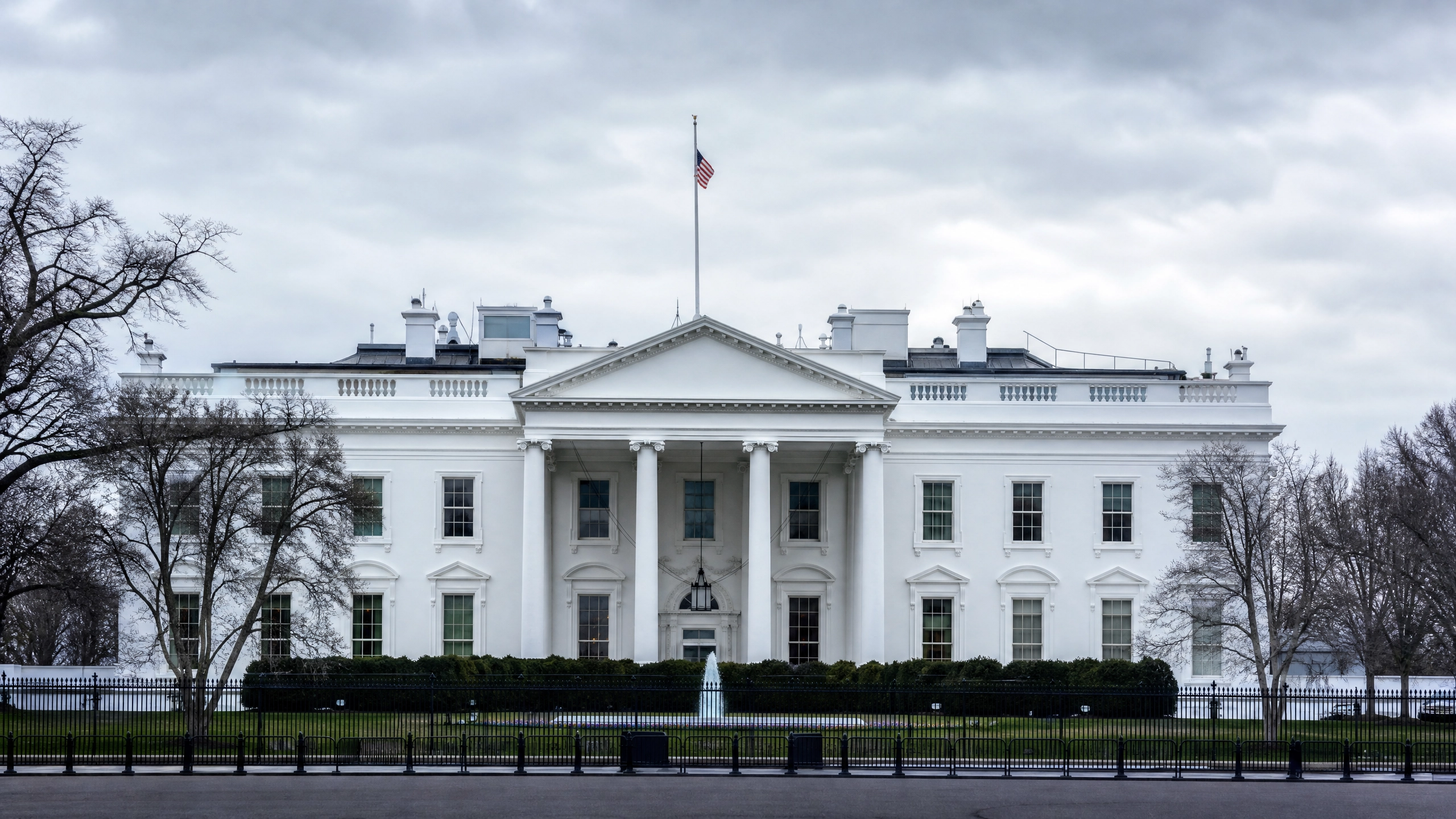
President Trump signed an executive order on June 2, 2026 titled 'Promoting Advanced Artificial Intelligence Innovation and Security,' directing the federal government to deepen its engagement with the AI industry on national security and infrastructure protection. The order represents the administration's most comprehensive AI policy statement to date — and a significant departure from the Biden-era approach of mandatory disclosure requirements.
The centerpiece of the order is a voluntary 30-day government preview window. AI companies are asked — not required — to share new frontier models with designated federal agencies for up to 30 days before public release. The stated purpose is to allow the government to assess potential national security implications, identify vulnerabilities, and coordinate responses before models are deployed at scale.

The AI Cybersecurity Clearinghouse
The order establishes an AI cybersecurity clearinghouse — a formal collaboration structure linking the National Security Agency, Department of Homeland Security, Cybersecurity and Infrastructure Security Agency, Department of Defense, and the Treasury Department with the private sector. The clearinghouse is designed to facilitate information sharing about AI-enabled threats, including AI-generated malware, deepfake-based fraud, and attacks on critical infrastructure.
The Attorney General is directed to prioritize enforcement of existing criminal laws against AI-enabled cyberattacks and data theft — a signal that the administration views the legal framework as largely sufficient and does not intend to push for new AI-specific criminal statutes in the near term.
Voluntary vs. Mandatory: The Policy Debate
The voluntary nature of the 30-day preview window is the most significant point of difference from the Biden administration's approach. Biden's October 2023 executive order required developers of the most powerful AI systems to share safety test results with the government before public deployment. Trump rescinded that order in January 2025 and replaced it with a framework that prioritized innovation over precaution.
Critics argue that voluntary cooperation is insufficient given the pace of AI development and the asymmetry of information between AI companies and regulators. Supporters counter that mandatory disclosure requirements would slow development, push research offshore, and create bureaucratic bottlenecks that would disadvantage American companies relative to Chinese competitors.
Infrastructure Protection
A separate section of the order focuses on protecting critical infrastructure — power grids, hospitals, water systems, and financial networks — from AI-enabled attacks. Sector-specific agencies are directed to update their cybersecurity guidance to account for AI threats and to work with the clearinghouse to share threat intelligence in near-real time.
The order also directs agencies to assess the AI tools used within the federal government itself, with a focus on identifying systems that may have been compromised or that present supply chain risks. This reflects ongoing concerns about foreign-made AI components in government technology stacks.
Industry Response
Initial industry response was cautiously positive. Major AI developers — including OpenAI, Google DeepMind, Anthropic, and Microsoft — have all previously participated in voluntary safety commitments and are unlikely to resist a 30-day preview window that does not carry legal penalties for non-compliance. The more significant question is whether the voluntary framework will remain voluntary if a major AI-enabled security incident occurs.
The order does not address several contentious issues that have divided the AI policy community: export controls on AI chips and models, liability frameworks for AI-caused harms, or the regulation of AI in hiring, lending, and criminal justice. Those battles are expected to play out in Congress and in agency rulemaking over the next 18 months.