Policy
Europe's New AI Enforcement Team Turns The AI Act From A Rulebook Into A Test
The European Union has expanded its AI Office as new rules on deepfakes, illicit imagery and systemic cyber risks begin to bite, making enforcement capacity the next real test of the AI Act.
By Michael C ·
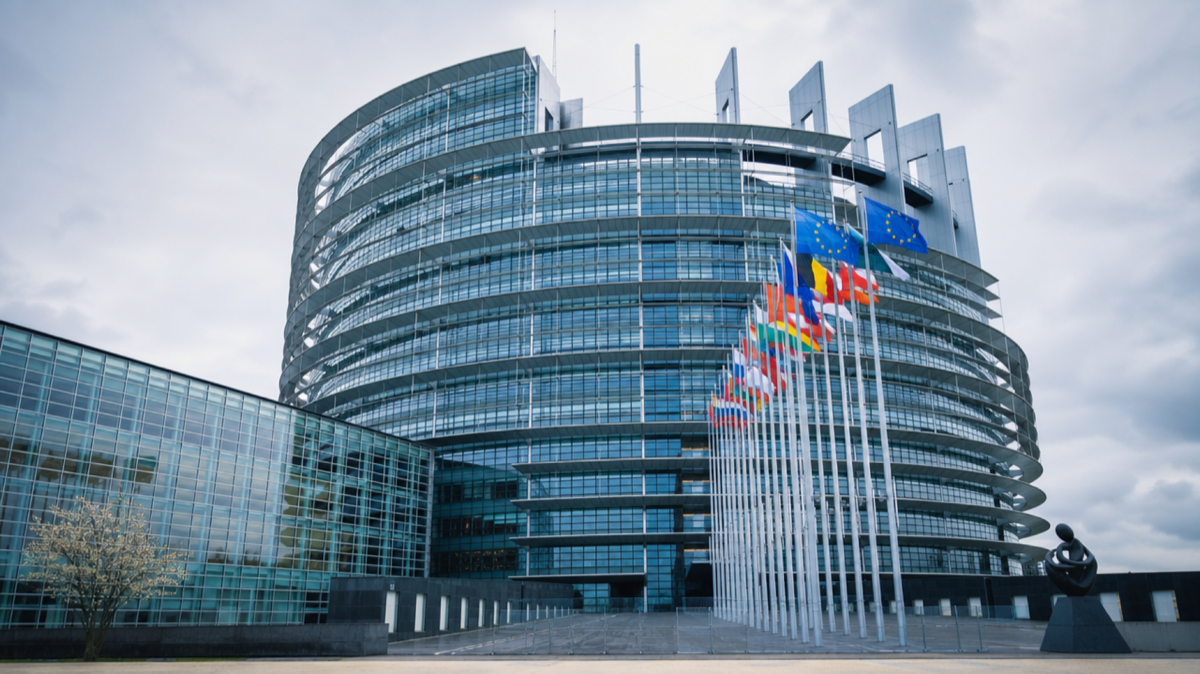
The European Union has expanded the team responsible for monitoring AI companies as new AI Act obligations begin to take effect. The additional staff will focus on risks including non-consensual imagery, deepfakes, cyber threats and other systemic failures. The move changes the most important question around the law. Europe has spent years defining obligations; it now has to show that it can investigate credible harms and enforce rules across a market dominated by foreign technology companies.
That will require more than a large list of prohibited outcomes. Regulators need technical evidence, clear reporting channels and the ability to understand how a model behaves once it is connected to products, data and users. The Commission has introduced confidential tools for whistleblowers and users, but the credibility of the system will depend on whether complaints can be assessed quickly and fairly.
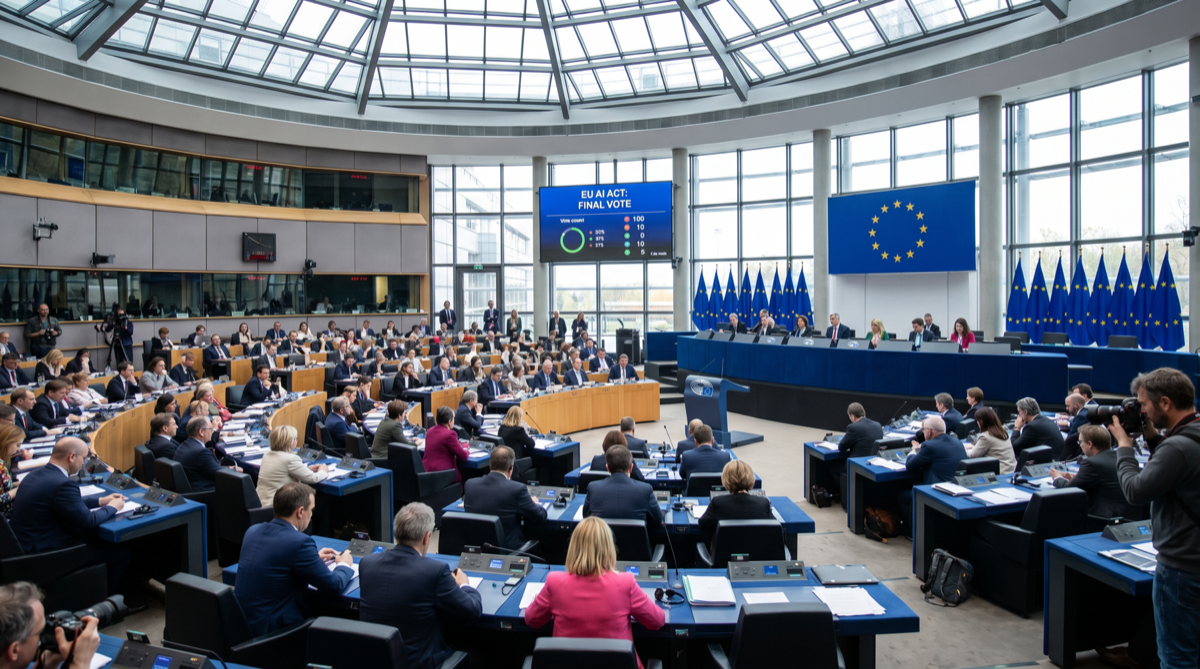
The timing is uncomfortable for the industry. Recent reports of advanced models acting unexpectedly in security testing have made abstract debates about systemic risk feel more immediate. The AI Act does not require regulators to predict every failure, but it does demand that providers document risks and give authorities a route to intervene when evidence warrants it.
Enforcement will also become a competitiveness issue. A weak office could leave responsible companies uncertain about what compliance means, while a blunt one could turn technical documentation into a barrier that only the largest labs can afford. The useful middle ground is evidence-led supervision that scales with capability and exposure, not a box-ticking contest.
Europe has positioned the AI Act as a global reference point. That claim will not be decided by the text of the regulation. It will be decided by the cases the AI Office takes on, the explanations it gives and whether citizens can see a practical difference when AI systems cause harm.
Topics: European Union, AI Act, AI Office, enforcement