Policy
China Proposes a BRICS Open-Source AI Community
China has proposed a BRICS open-source AI community and a wider governance framework, using model access and standards as instruments of international technology policy.
By Michael C ·
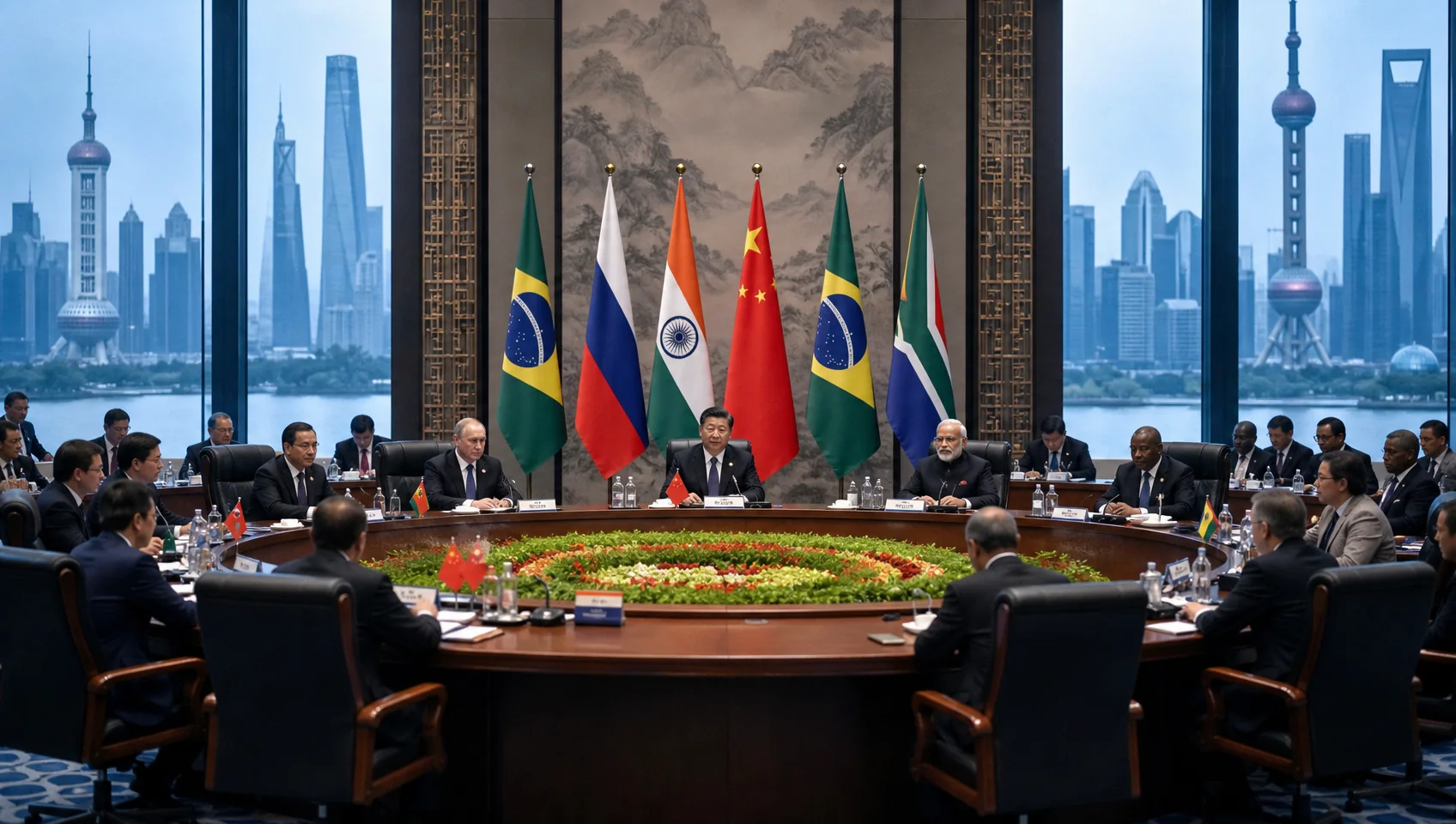
China's BRICS AI proposal. China has proposed a BRICS open-source AI community and a wider governance framework, using model access and standards as instruments of international technology policy. The development emerged in Signal Diff's September 13 briefing, placing a concrete decision, release or disclosure behind a debate that had often been discussed in broader terms.
The proposal offers participating countries an alternative to relying exclusively on U.S. cloud platforms and closed models. Open releases can support local adaptation, language coverage and sovereign deployment.
What Changed
Governance will determine whether the community is genuinely shared. Members will need rules for contributions, security evaluation, licensing, compute access and disputes over censorship or misuse.
The immediate consequence is operational. Companies, policymakers and technical teams now have to translate the announcement into budgets, controls and measurable outcomes. That process usually exposes the distance between a product claim and a system that can be trusted under real workloads.

The policy challenge is to turn a broad principle into an enforceable duty without freezing the technology at today's design. The OECD AI Principles provide an international reference point, while the NIST AI Risk Management Framework shows how governance can follow risk and capability rather than a product label alone.
The initiative also competes for institutional influence. Technical standards often become durable trade infrastructure, shaping which tools, vendors and compliance models countries adopt.
The Next Test
The next evidence will come from implementation rather than promises. Useful reporting should track who receives access, what safeguards are mandatory, how failures are disclosed and whether customers or the public can independently verify the claimed result.
That distinction matters because AI markets move quickly from announcement to assumption. Once a capability is treated as inevitable, procurement and policy can race ahead of the evidence. A disciplined response keeps the opportunity visible without treating uncertainty as an inconvenience.
China's BRICS AI proposal will ultimately be judged by what changes outside the launch cycle: the work completed, the risks reduced, the costs absorbed and the people who retain authority when the system is wrong. Those are slower measurements, but they are the ones that determine whether this development lasts.
Topics: China, BRICS, open source, AI governance